Newsletters


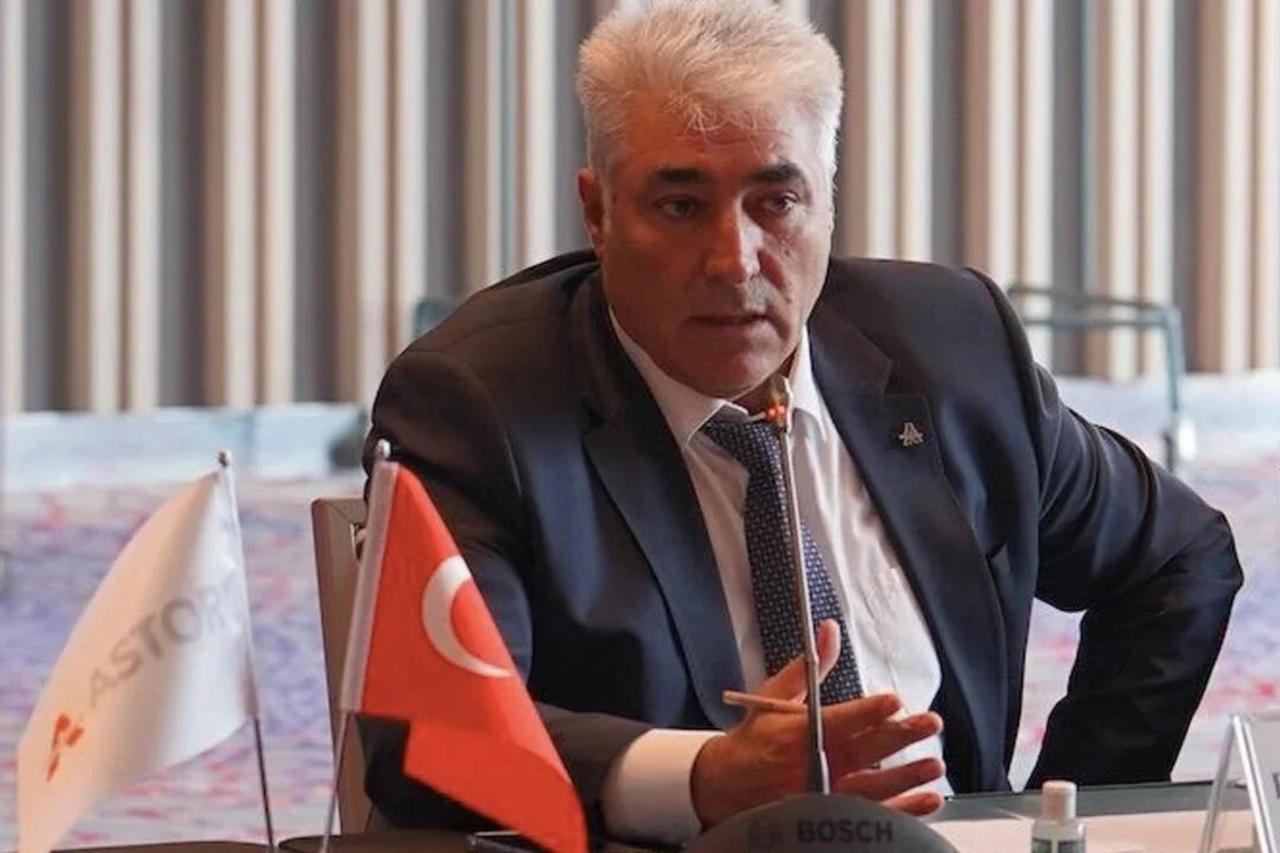


Turkish authorities have slapped a travel ban on Feridun Gecgel, billionaire chairman of major Istanbul-based energy company Astor Enerji, along with his brother Enver Gecgel, who is the company's vice chairman, and son Yusuf Gecgel, as prosecutors investigate alleged financial crimes in the capital markets.
The allegations against the Gecgel brothers and Astor come within a broader investigation into suspected market manipulation, money laundering and violations of the Capital Markets Law.
Prosecutors' filings reportedly allege that some investment funds accumulated shares in selected companies, driving up demand and prices before the shares were transferred to the funds, potentially inflating the value of both the stocks and the funds.
The move follows authorities freezing the Gecgel brothers' assets last week as part of a broader investigation covering 42 individuals, 46 legal entities and 18 investment funds.
Following a new assessment by the Capital Markets Board (CMB), authorities on Monday lifted asset freezes on 45 companies and restrictions on 19 investment funds to allow them to continue operating, while keeping measures against individuals in place.
Feridun Gecgel emerged as one of Türkiye's most closely watched billionaires in recent years as a sharp rise in Astor shares boosted the value of his holdings. Forbes' real-time rankings put his fortune at $3.5 billion at the end of April, making him Türkiye's fourth-richest person at the time.
His wealth then reached $4.1 billion in early May before rising to $5.3 billion, making him the richest among Türkiye-based billionaires at the time.
That rise later reversed as Astor shares came under heavy selling pressure after the probe widened to include the company. By Tuesday, Gecgel's net wealth had fallen to $2.7 billion, while Astor stock dropped another 10% during the session.
The shares had lost nearly 20% since the previous week, leaving the company with a ₺234.7 billion ($4.8 billion) market capitalization.
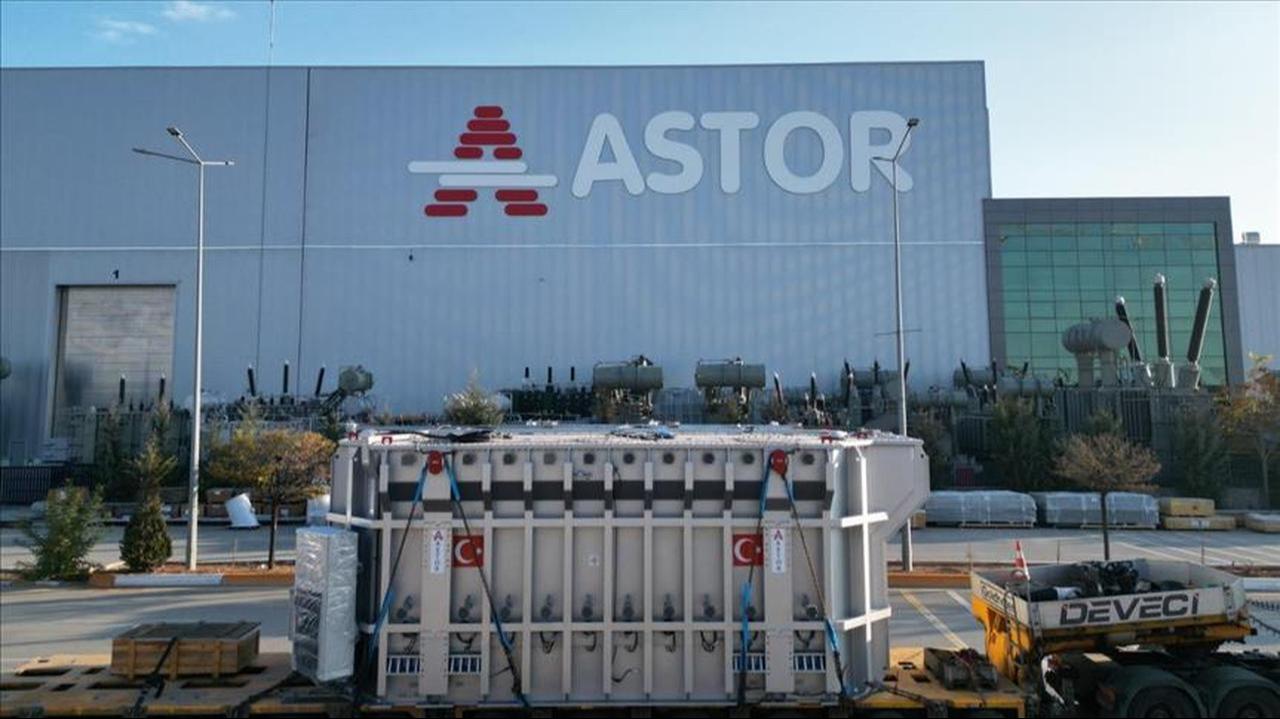
Astor Enerji, a major manufacturer of power and distribution transformers, reported ₺35.3 billion in revenue in 2025, with exports accounting for 40% of total revenue and sales spanning more than 100 countries. In the first six months of 2026, the company reported ₺19.2 billion in revenue.
On Monday, the company said it conducts all of its activities in compliance with Turkish law, CMB regulations and corporate governance principles, noting that its operations continue without interruption after authorities removed the asset freezes.
In a separate disclosure the same day, Astor said it had investments worth around ₺376.6 million ($7.7 million) in three funds being liquidated by the Capital Markets Board (CMB).

The broader investigation into the Turkish capital markets centers on suspected market manipulation and irregular transactions involving investment funds, particularly after some funds failed to meet investor redemption requests by mid-September.
The CMB has ordered the liquidation of 131 investment funds holding more than $19 billion in assets over six months, a process to be overseen by Ziraat Bank and Is Bank and affecting 455,758 individual investors.
On the judicial side, the probe has expanded through several rounds of arrests, with 56 suspects remanded in custody as of Tuesday.
Several prominent figures from Türkiye's business and finance circles are among those arrested, including Tera Yatirim Holding chairman Emre Tezmen and Pusula Holding chairman Serdar Turhan. Kerem Alkin, a former Turkish ambassador to the OECD, is also among the suspects.
The latest round on Tuesday brought five more suspects into custody after 12 people were referred to court, taking the total number of suspects remanded in custody to 56.
The issue was the main topic of Monday's Cabinet meeting. President Recep Tayyip Erdogan said afterward that he would meet with his economic team and representatives of relevant institutions on Tuesday to discuss the fund crisis and measures to prevent similar problems in the future.


 Set as preferred source
 Set as preferred source


 2 min read

 1 min read