Newsletters


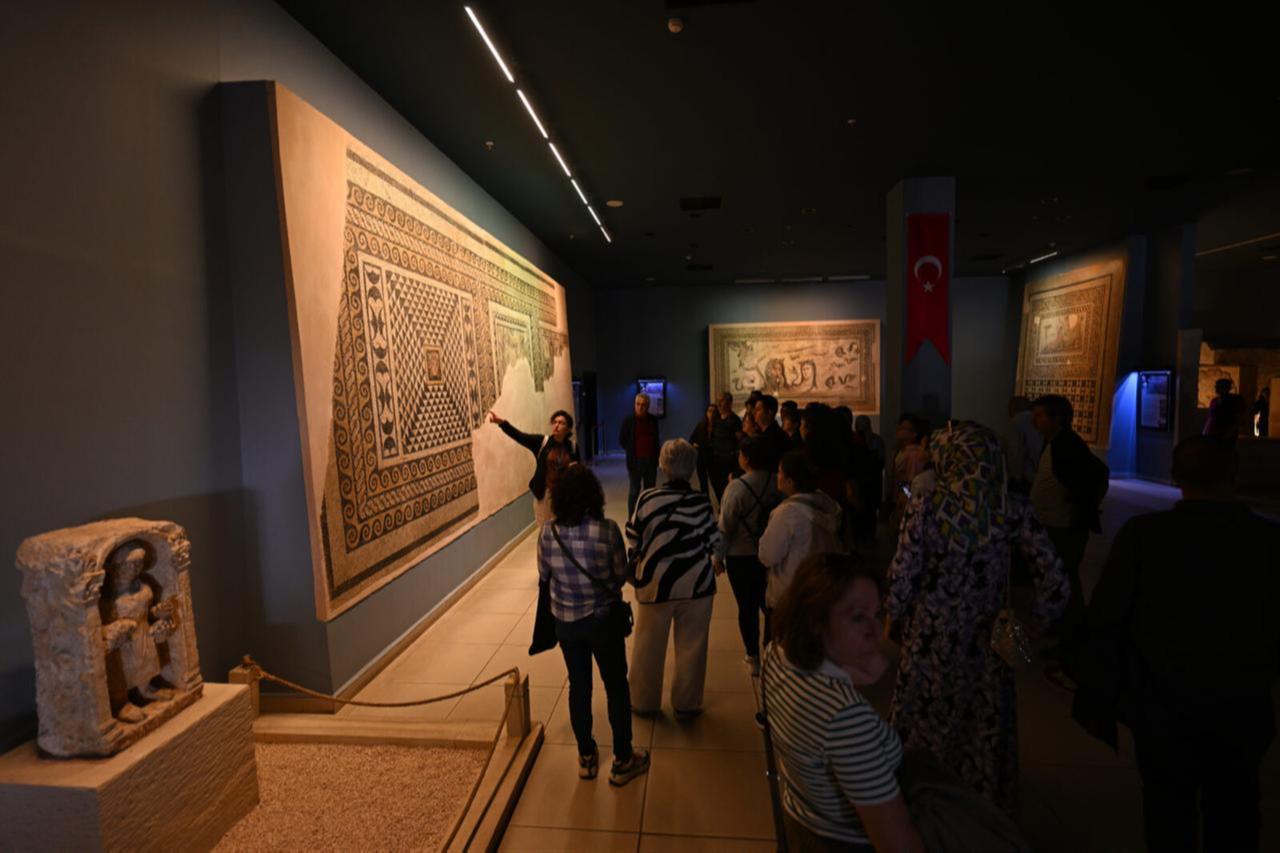


Türkiye’s museums and archaeological sites attracted more than 33 million visitors in 2025, underlining the country’s growing cultural reach and sustained international interest in its historical landscape.
According to figures shared by Culture and Tourism Minister Mehmet Nuri Ersoy, a total of 33.13 million people visited museums and officially designated archaeological sites, known locally as oren yerleri—protected open-air heritage areas where ancient cities, monuments, or ruins are preserved and displayed to the public.
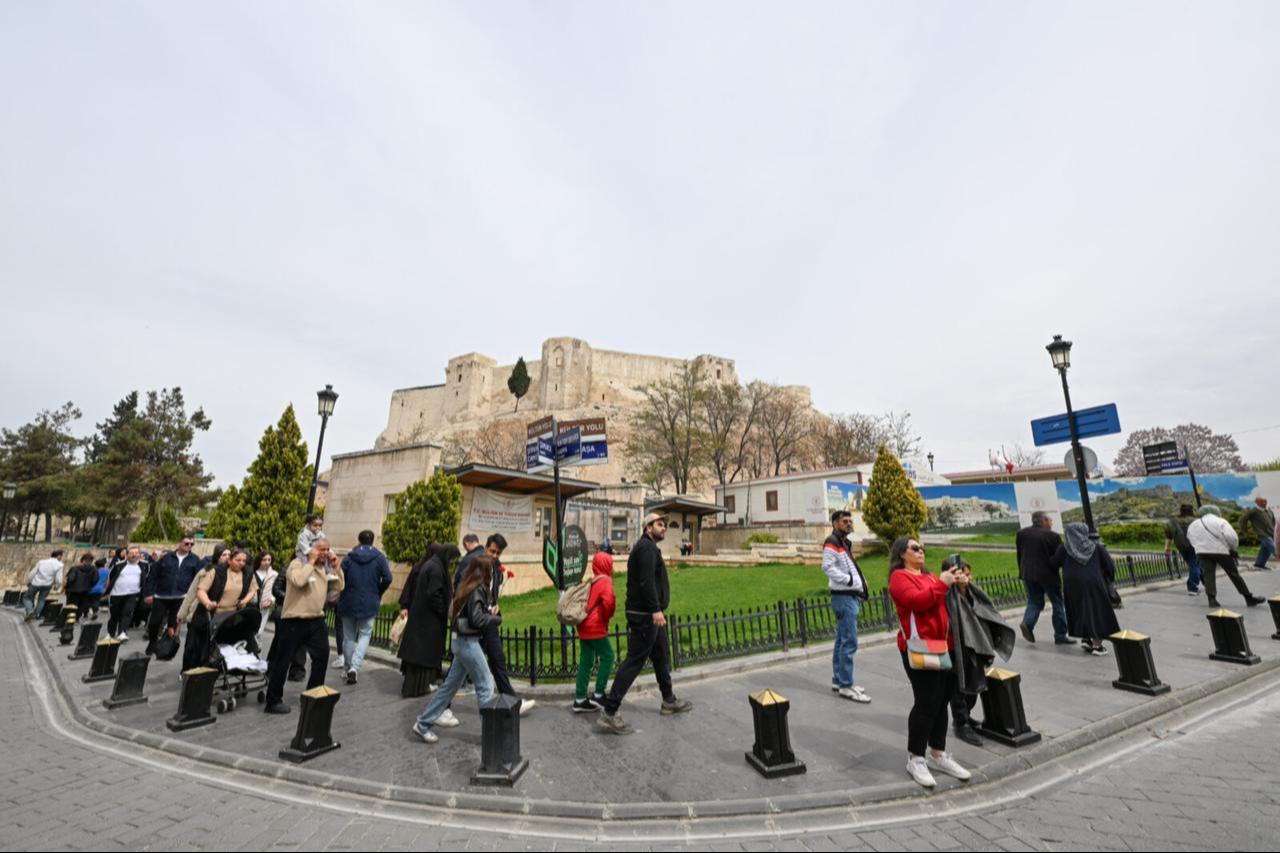

In a statement published on his social media account, Minister Ersoy underlined that museums across Türkiye continued to stand out as places that bring together past and present. He said the country’s cultural institutions remained among the strongest cultural stops of 2025, serving both local and international visitors who seek to connect with history through tangible heritage.
Museums and archaeological sites in Türkiye play a dual role for international audiences: they function as learning spaces that explain ancient civilizations, while also acting as gateways into the wider cultural identity of the country.
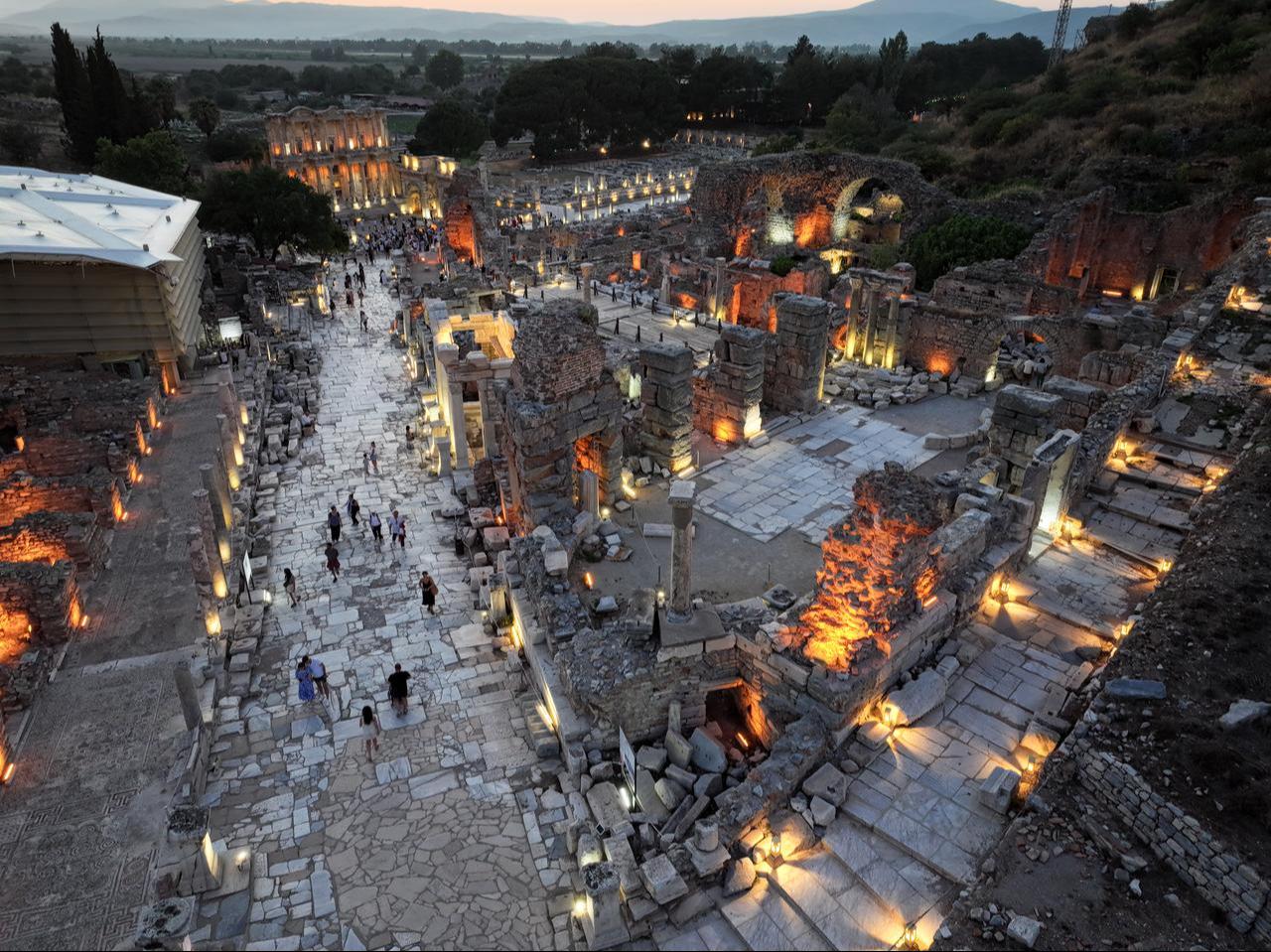
Visitor interest was especially concentrated in major archaeological destinations, reflecting the enduring global appeal of ancient Anatolian civilizations.
The Ephesus Archaeological Site, a former Greco-Roman city near the Aegean coast, ranked first, drawing around 2.55 million visitors over the year. It was followed by Hierapolis-Pamukkale, known for its Roman ruins and natural travertine terraces, with roughly 2.3 million visitors.
Central Anatolia’s Goreme Archaeological Site, part of the Cappadocia region famous for its rock-cut churches and volcanic landscape, welcomed over 1.18 million people, while the nearby Zelve-Pasabaglar site attracted just over 1.14 million visitors. In Istanbul, the historic Galata Tower, a medieval stone tower offering panoramic views of the city, received close to 1 million visitors, placing it among the most visited cultural landmarks in the country.
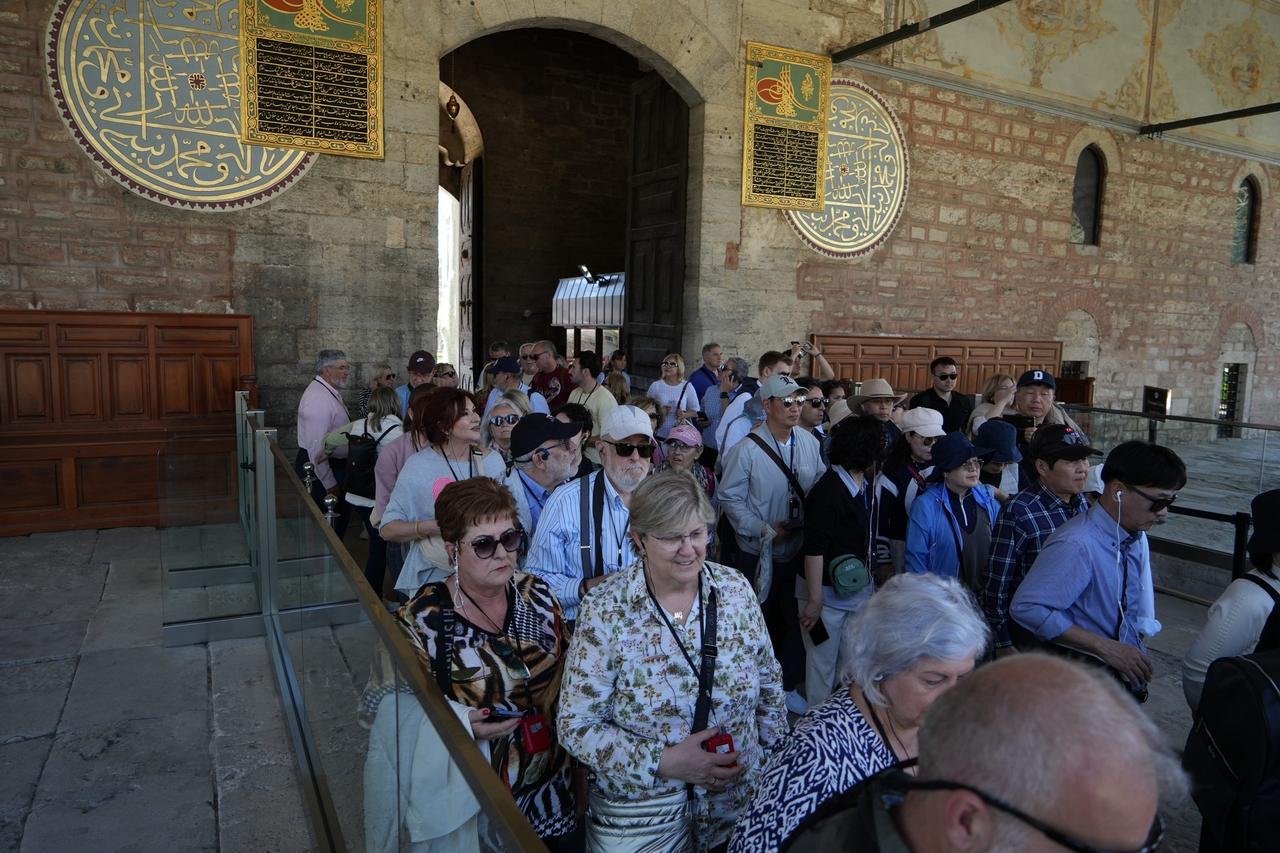
Ersoy emphasized that museums continue to play a key role in keeping collective memory alive, while also offering spaces for discovery and education. He noted that cultural institutions help shape the broader cultural life of the country and support long-term goals aimed at strengthening culture, arts, and tourism.
The minister added that such efforts would continue as part of the wider vision often referred to as the Century of Türkiye, a policy framework that seeks to position culture and heritage as central pillars of national development.


 Set as preferred source
 Set as preferred source


 1 min read