Newsletters


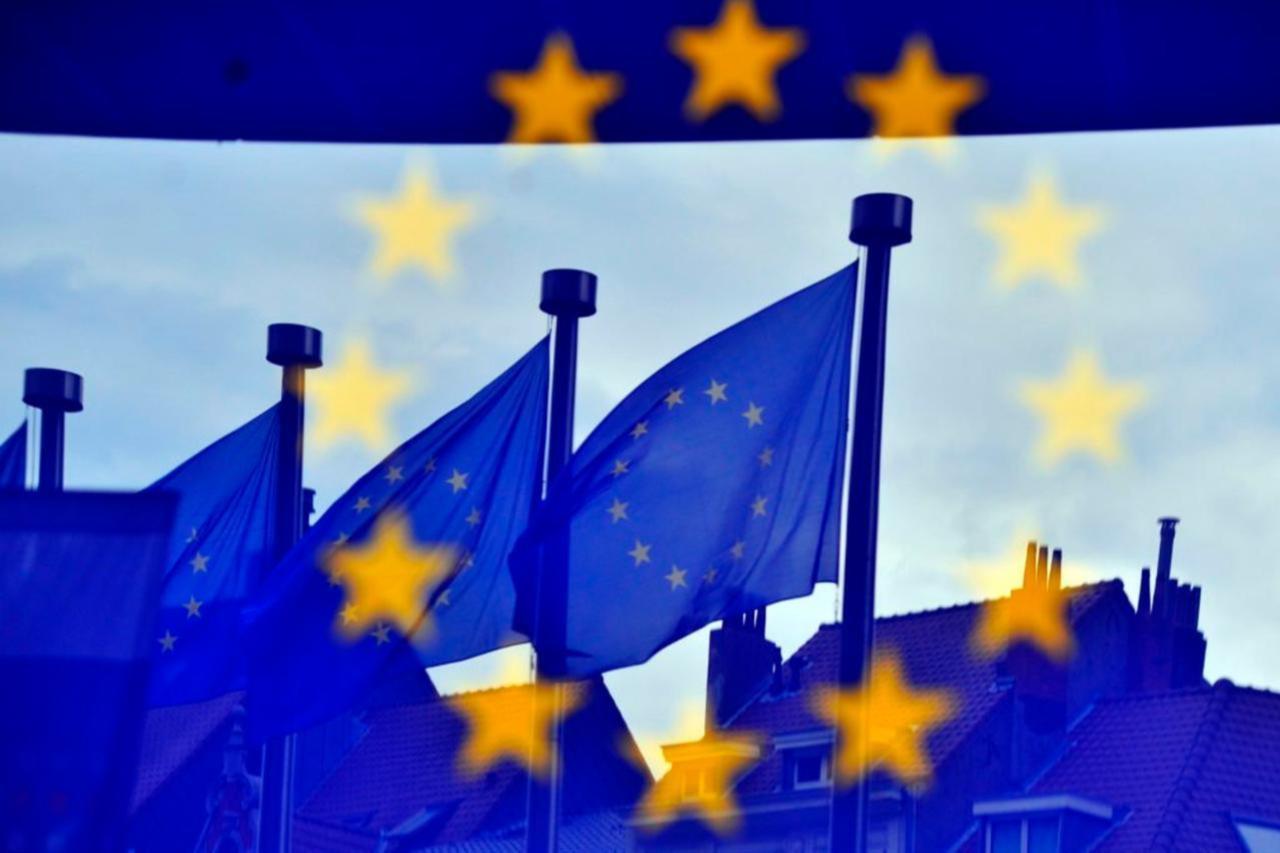


Europe has fallen so far behind the United States in digital infrastructure that it has effectively "lost the internet," according to a senior European cybersecurity official who warns the continent's over-reliance on American technology companies threatens its ability to innovate and defend against cyber attacks.
Miguel De Bruycker, director of the Centre for Cybersecurity Belgium, told to Financial Times it has become impossible to store data entirely within Europe because US companies dominate the digital landscape, from cloud computing to artificial intelligence systems that underpin modern cyber defenses.
The stark assessment highlights growing concerns about Europe's technological sovereignty as the continent struggles to develop homegrown alternatives to American tech giants while simultaneously depending on those same companies to protect against escalating cyber threats.

De Bruycker told the Financial Times that European aspirations for digital independence remain unrealistic given current market conditions.
"We've lost the whole cloud. We have lost the internet, let's be honest," he said. "If I want my information 100 per cent in the E.U...keep on dreaming. You're setting an objective that is not realistic."
The Belgian official, who has led his country's cybersecurity center since its founding a decade ago, emphasized that digital infrastructure remains almost entirely in private hands, with American corporations holding the dominant position. While he said this dependence does not constitute an "enormous security problem" for the European Union, Europe is missing out on crucial emerging technologies being developed primarily in the US and other regions.
Cloud computing and artificial intelligence—both essential tools for defending against modern cyber attacks—represent areas where European capabilities lag significantly behind American counterparts, according to De Bruycker.
 1 min read
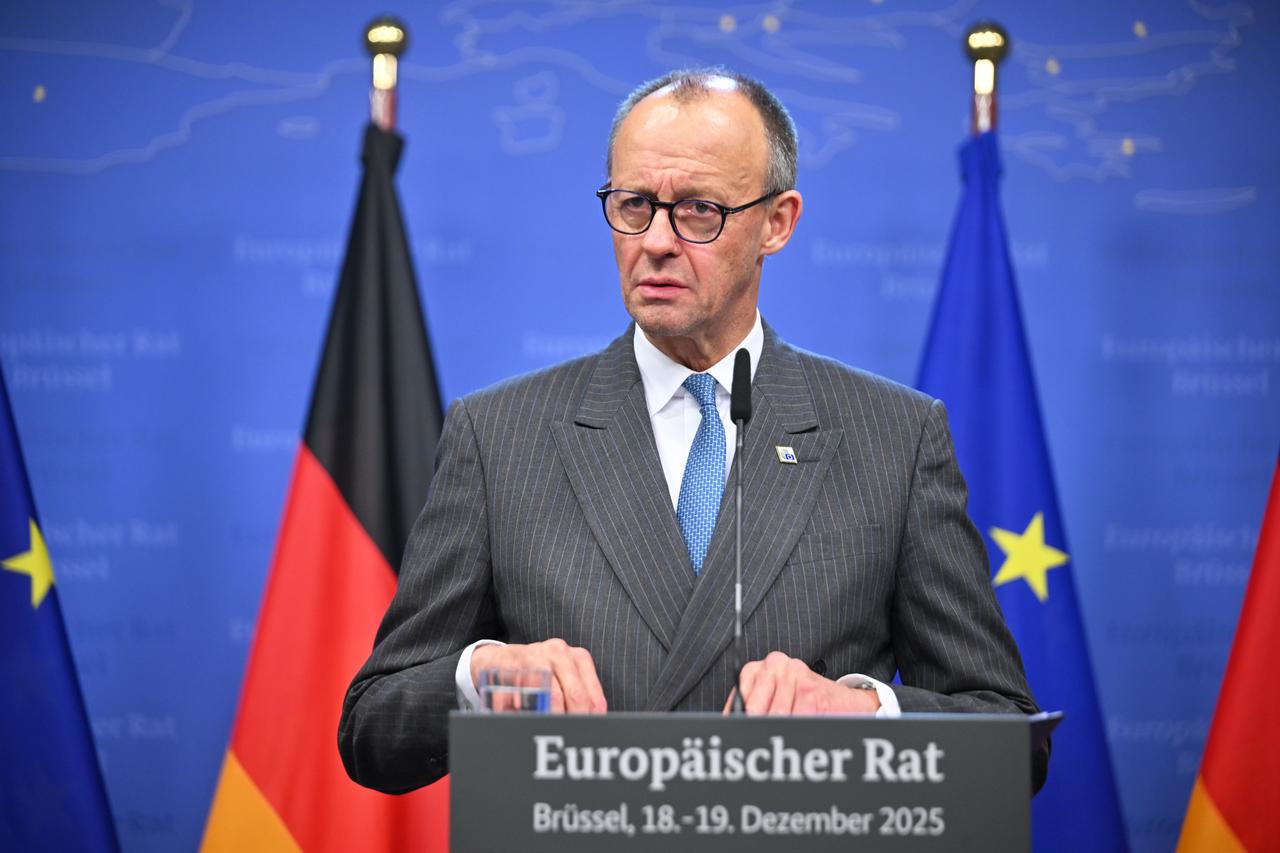
The cybersecurity chief suggested that European regulatory approaches may be hindering rather than helping the continent's technological development. He pointed to the E.U.'s AI Act, which establishes rules governing artificial intelligence development, as potentially "blocking" innovation.
De Bruycker called for European governments to support private initiatives aimed at building scale in critical areas such as cloud computing and digital identification technologies. He drew a comparison to Airbus, the European aircraft manufacturer created through multinational cooperation decades ago as a counterweight to American aerospace dominance.
"Everybody was supporting the Airbus initiatives decades ago. We need the same initiative on an E.U. level in the cyber domain," he said.
Some European companies, including France's OVHcloud and Germany's Schwarz Digital, already provide important digital infrastructure, according to IT experts. However, discussions about increasing Europe's "technological sovereignty" have often lacked clear focus and definition, De Bruycker said.
"I think on an E.U. level we should clearly identify what sovereignty means to us in the digital domain," he said. "Instead of putting that focus on how can we stop the U.S. 'hyperscalers,' maybe we put our energy in...building up something by ourselves."
Belgium, which hosts E.U. institutions and NATO headquarters, has experienced increased hybrid attacks allegedly orchestrated by Russia since Moscow's full-scale invasion of Ukraine in 2022. The attacks have included both cyber assaults and drone incursions into Belgian airspace.
Last year, the country endured five waves of distributed denial-of-service attacks that lasted for days, with "Russian hacktivists" typically targeting up to 20 different organizations daily. These attacks flood websites with traffic from compromised devices, temporarily overwhelming and shutting down online services for businesses and government agencies.
While the Kremlin's direct involvement remains unclear, De Bruycker said the attacks generally follow anti-Russian statements by politicians—sometimes not even Belgian officials, but E.U. representatives speaking in Brussels.
Despite the increased frequency of such attacks, De Bruycker characterized them as disruptive rather than severely harmful, noting they do not involve data theft and cause only temporary service interruptions.
The Belgian official credited American tech companies with playing a crucial role in helping salvage data from Russian attacks following the Ukraine invasion. He expressed confidence in continued cooperation with U.S. firms to combat malicious actors, even as American technology companies have aligned themselves closely with the Trump administration, which has indicated reduced commitment to European security support.


 Set as preferred source
 Set as preferred source



 1 min read