Newsletters


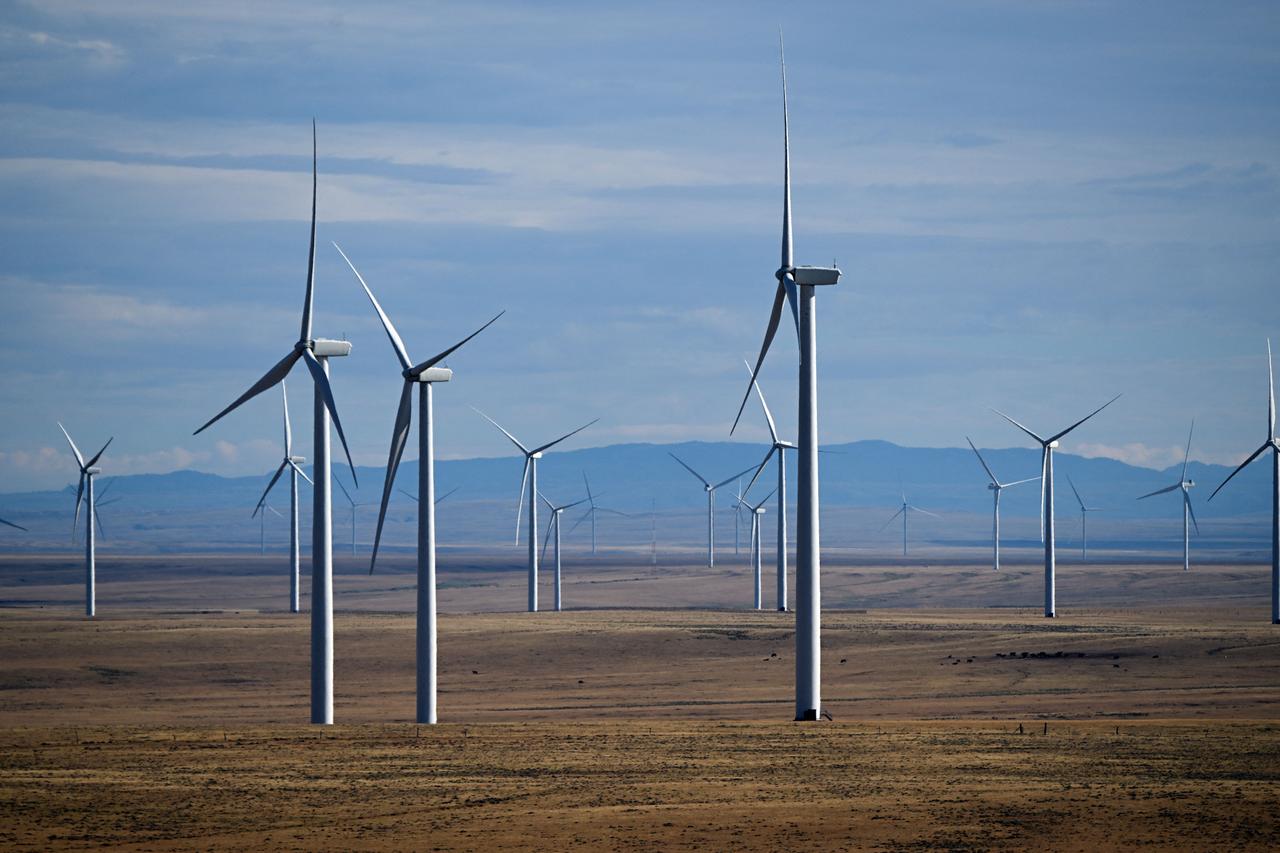


Türkiye’s installed wind power capacity reached 15,934 megawatts as of January, nearing the 16,000-megawatt threshold after a record increase of 2,141 megawatts added last year, according to an industry report.
The figures were published in the Türkiye Wind Energy Statistics Report prepared by the Turkish Wind Energy Association (TUREB).
The report said the wind energy sector continued to grow steadily throughout the year as new capacity was commissioned.
By region, the Marmara region led with 6,968 megawatts, followed by the Aegean with 4,495 megawatts, and Central Anatolia with 1,733 megawatts.
At the city level, Izmir ranked first with 2,307 megawatts of installed wind capacity. Canakkale followed with 1,556 megawatts, Balikesir with 1,552 megawatts, Istanbul with 954 megawatts, and Manisa with 780 megawatts.
The addition of 2,141 megawatts last year marked the highest annual increase recorded in Türkiye’s wind energy sector, lifting total installed capacity to 15,934 megawatts as of January.
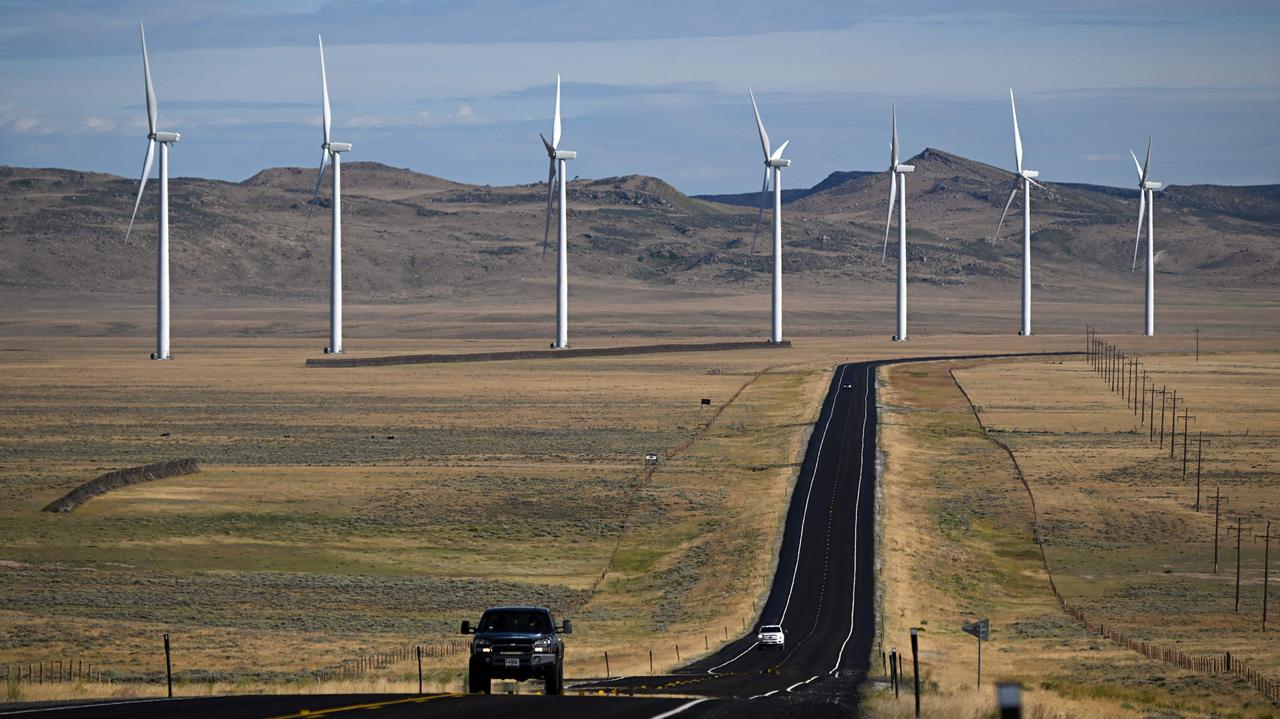

Commenting on the report, TUREB President Ibrahim Erden said 2025 is a significant year for the sector not only in terms of capacity growth but also due to regulatory changes aimed at improving the investment climate.
Erden said the regulation known as the “Super Permit,” which simplifies long-standing permit processes, is a critical step for the sector. He added that the YEKA RES-2025 tenders demonstrated the progress made in capacity allocation mechanisms.
He said the YEKA model now offers investors a more predictable and rational framework that enables long-term planning, in line with the vision set by the Energy Ministry. Under this approach, Türkiye aims to allocate 2,000 to 2,500 megawatts of new wind capacity annually through 2035.
Erden said this scale and continuity would also require the financial sector to engage with a more innovative, competitive and long-term perspective.
He added that the developments show Türkiye is advancing on a stronger footing toward its renewable energy goals, noting that total installed wind and solar capacity has exceeded 40,000 megawatts.
“Today, our total wind and solar installed capacity has surpassed 40,000 megawatts, and the target to increase this to 120,000 megawatts by 2035 is one of the clearest frameworks that will determine the pace of investment in the coming period,” Erden said.


 Set as preferred source
 Set as preferred source


 1 min read

 1 min read