Newsletters


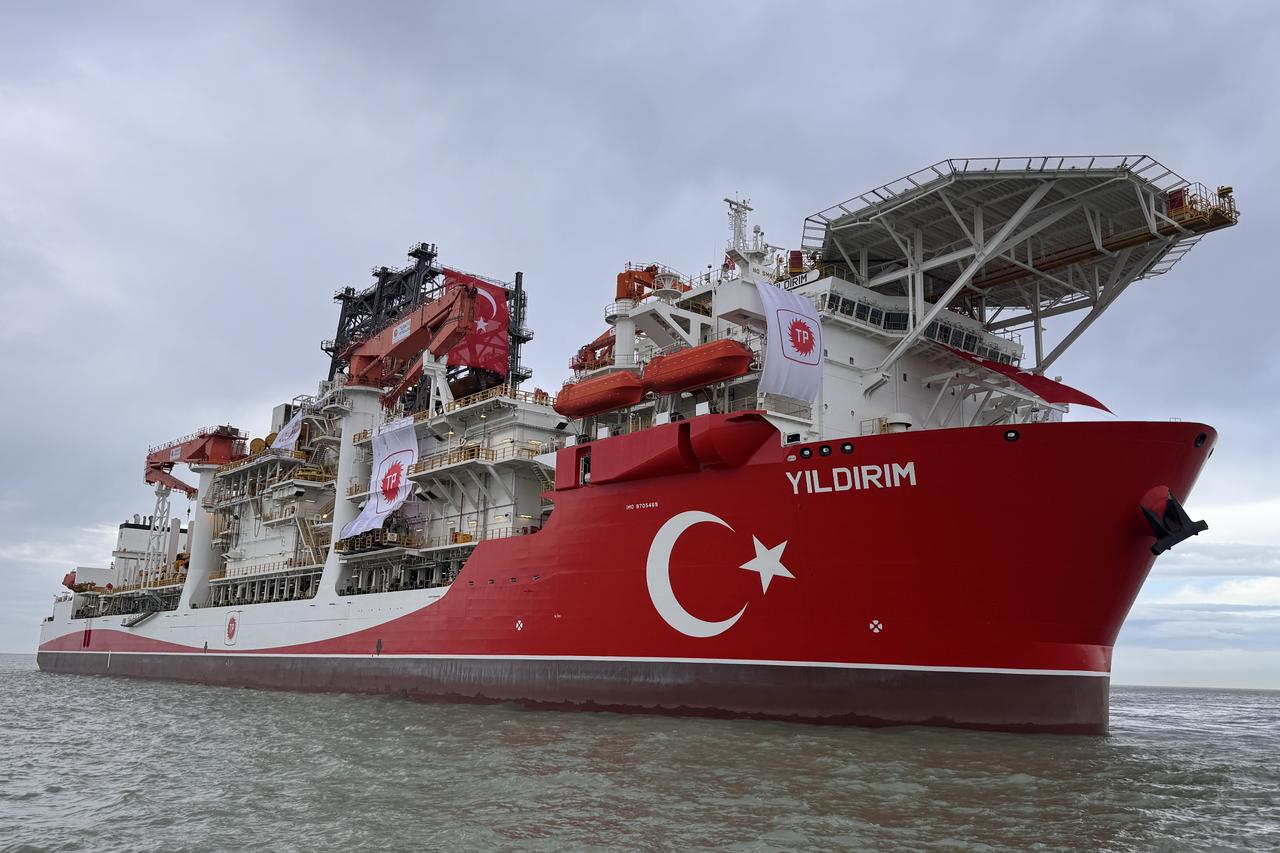


Türkiye is accelerating energy exploration activities following agreements with Libya, Pakistan, Somalia, Egypt and Saudi Arabia.
Drilling operations in Somalia are expected to begin in April-May after the Oruc Reis seismic research vessel completes 3D data collection across 4,465 square kilometers.
The Cagri Bey drilling vessel is expected to depart for Somalia at the end of this month, traveling via the Gibraltar and South Africa routes to reach Somali waters.
Drilling operations are anticipated to commence in the April-May period.
The Oruc Reis seismic research vessel conducted surveys in Somali territorial waters last year, collecting 3D seismic data across three separate maritime blocks covering 4,465 square kilometers. This data has now reached the drilling phase.
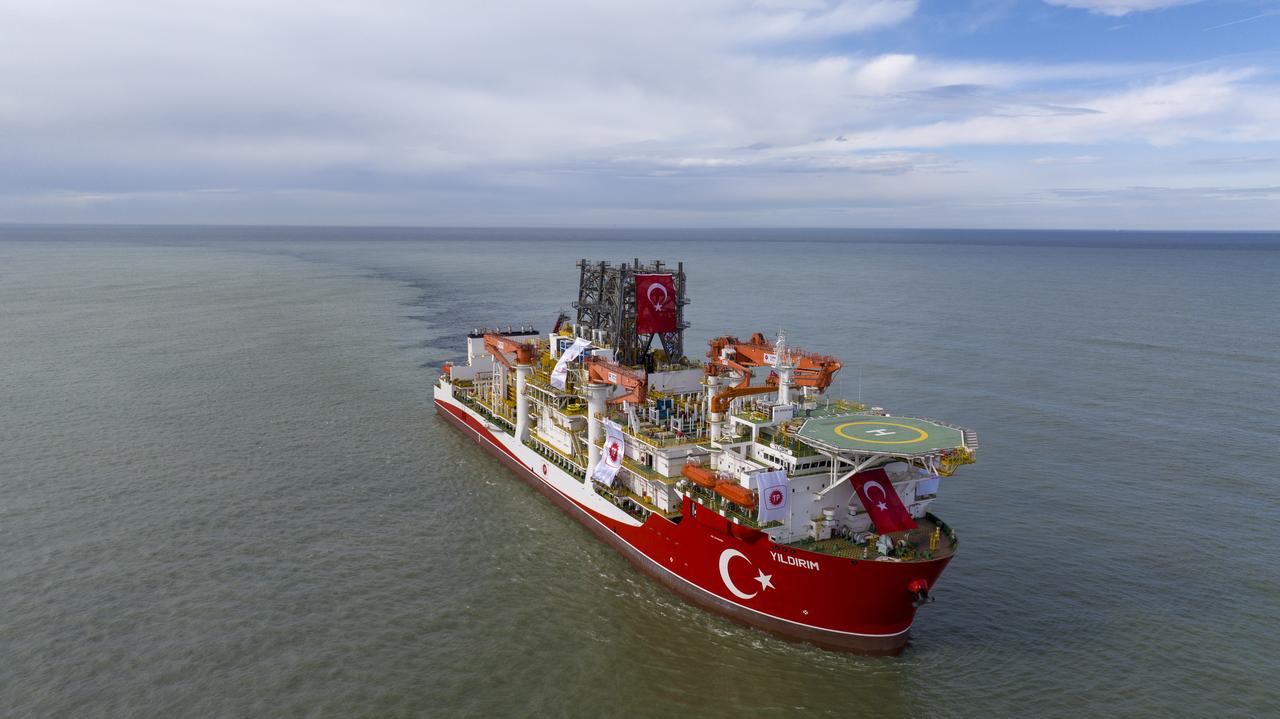

The Turkish Naval Forces Command will provide security for the Cagri Bey drilling vessel.
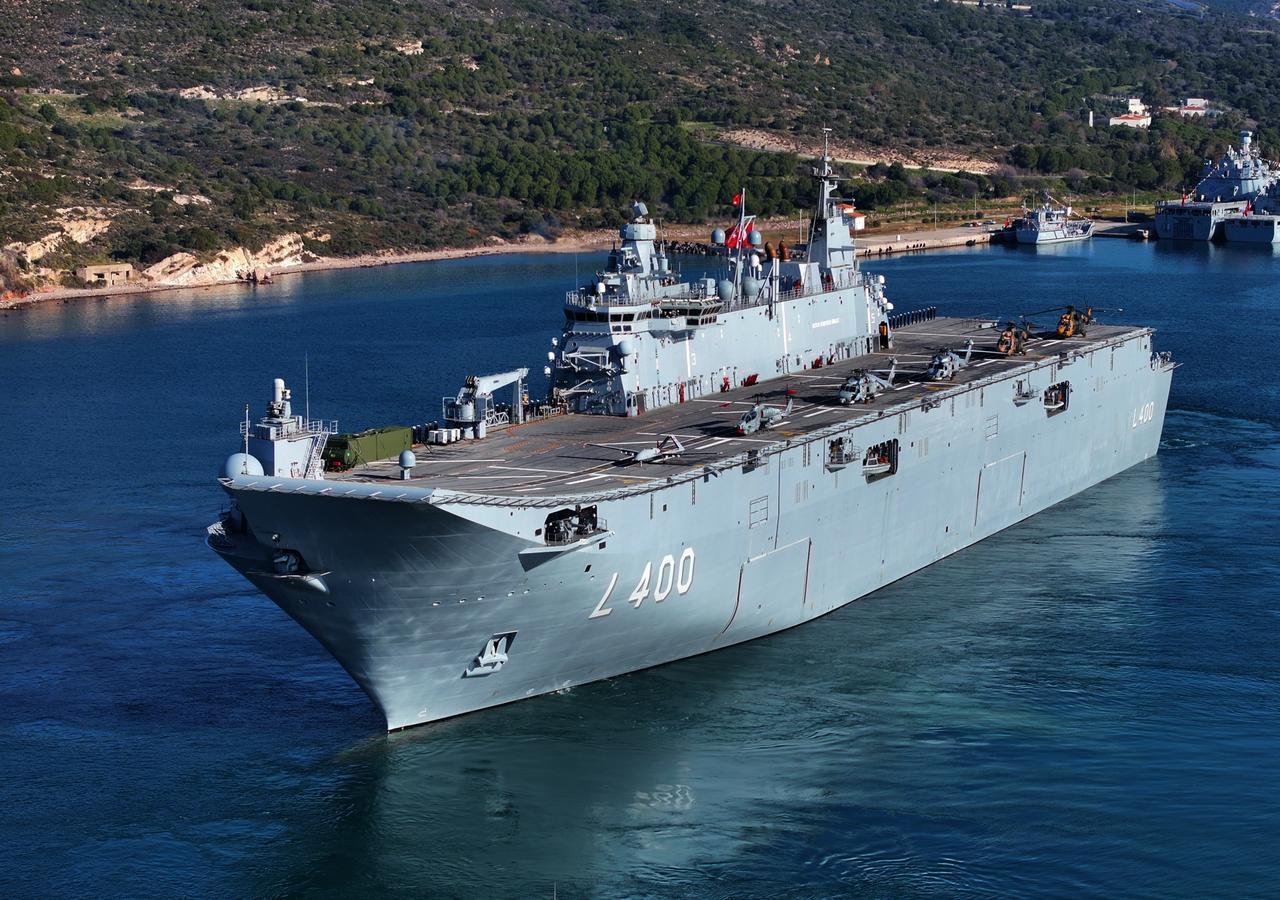
Naval elements comprising TCG Sancaktar, TCG Gokova and TCG Bafra will provide logistical support to the Somalia Turkish Task Force Command and conduct research activities in Somali maritime jurisdiction areas.
These naval units will operate in the Gulf of Aden, off the coast of Somalia and in the Arabian Sea until Feb. 25 to support the drilling vessel.
Libya, another country strengthening Türkiye's position in the Eastern Mediterranean, will hold a new licensing tender next month.
Ankara is ambitiously preparing for the tender and aims to implement new projects in the fields acquired through the process.
Türkiye is preparing to launch seismic surveys in Pakistan in the coming days using either the Oruc Reis or Barbaros Hayreddin Pasa seismic research vessels.
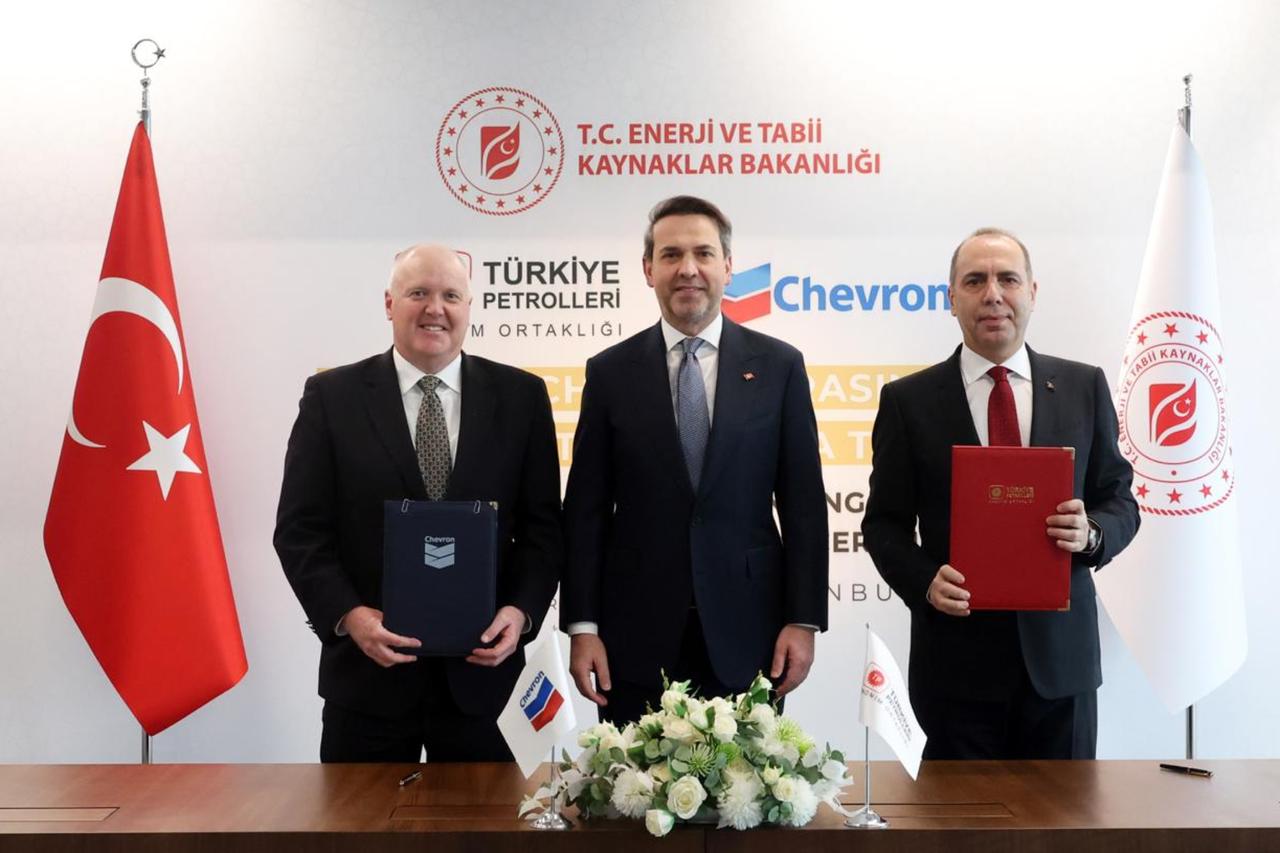
Türkiye has also expanded global partnerships in energy exploration, signing agreements with Exxon and subsequently Chevron.
Technical details regarding which fields the agreements will cover have not yet been disclosed, though the cooperation is expected to include areas with oil and natural gas potential in different geographies.
 1 min read

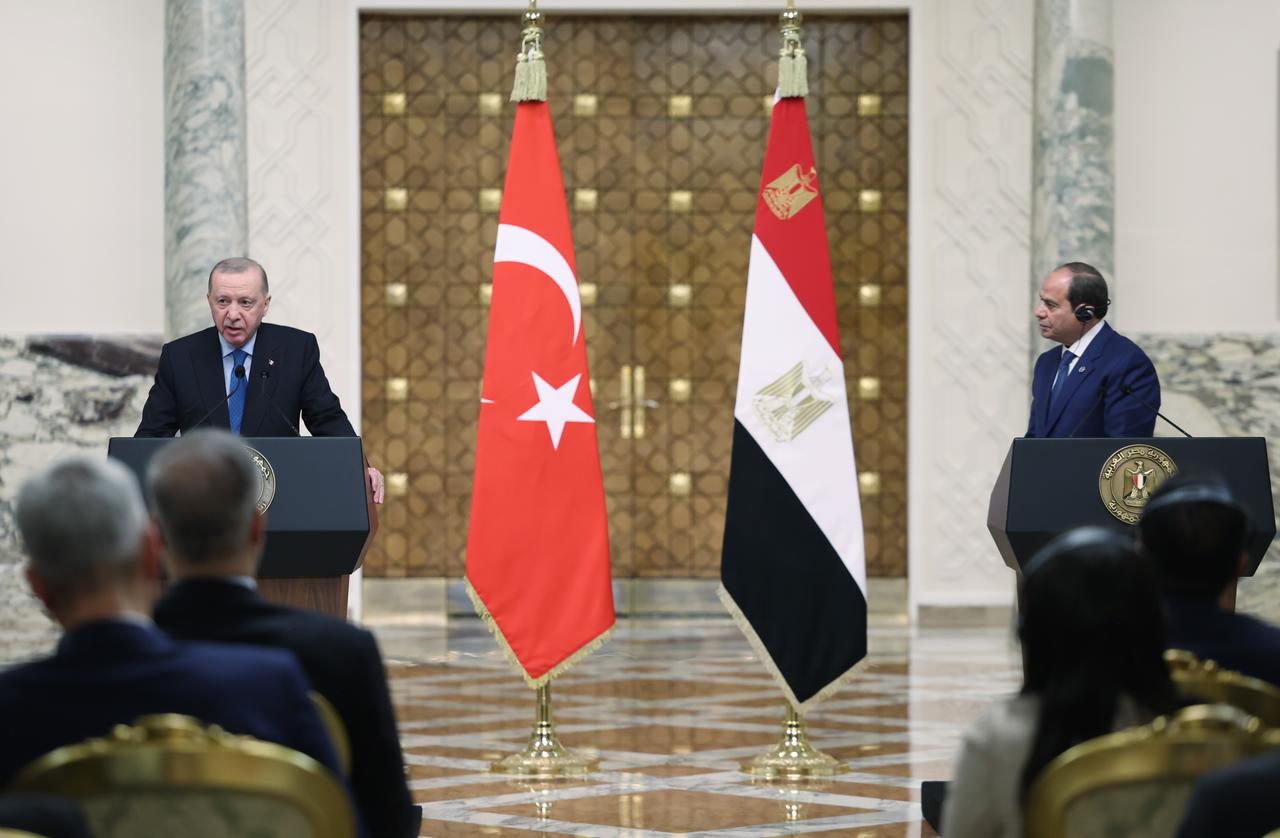
Following a $2 billion energy investment agreement with Saudi Arabia covering 2,000-megawatt solar energy projects, Türkiye has taken important steps aimed at strengthening relations with Egypt in an institutional and multidimensional manner.
Agreements signed with Egypt are expected to contribute to Eastern Mediterranean security as well.
Türkiye holds a key position both for potential energy resources in the Eastern Mediterranean and for transporting regional resources to international markets.
Ankara has taken strategic steps for regional balance in the energy equation, positioning itself as a strategic actor in the Eastern Mediterranean.
By negotiating agreements individually with regional countries, Türkiye has now accelerated efforts to fulfill the requirements of these agreements.
Türkiye has rapidly expanded TPAO's international operations in recent years to increase domestic production and reduce dependence on energy imports.
The drilling and seismic research vessel fleet has been enlarged accordingly.
Ankara's inventory now includes six drilling vessels and two seismic research vessels. Four drilling vessels operating in the Black Sea continue activities at the field where Türkiye's first natural gas discovery was made in 2020.


 Set as preferred source
 Set as preferred source


 1 min read