Newsletters


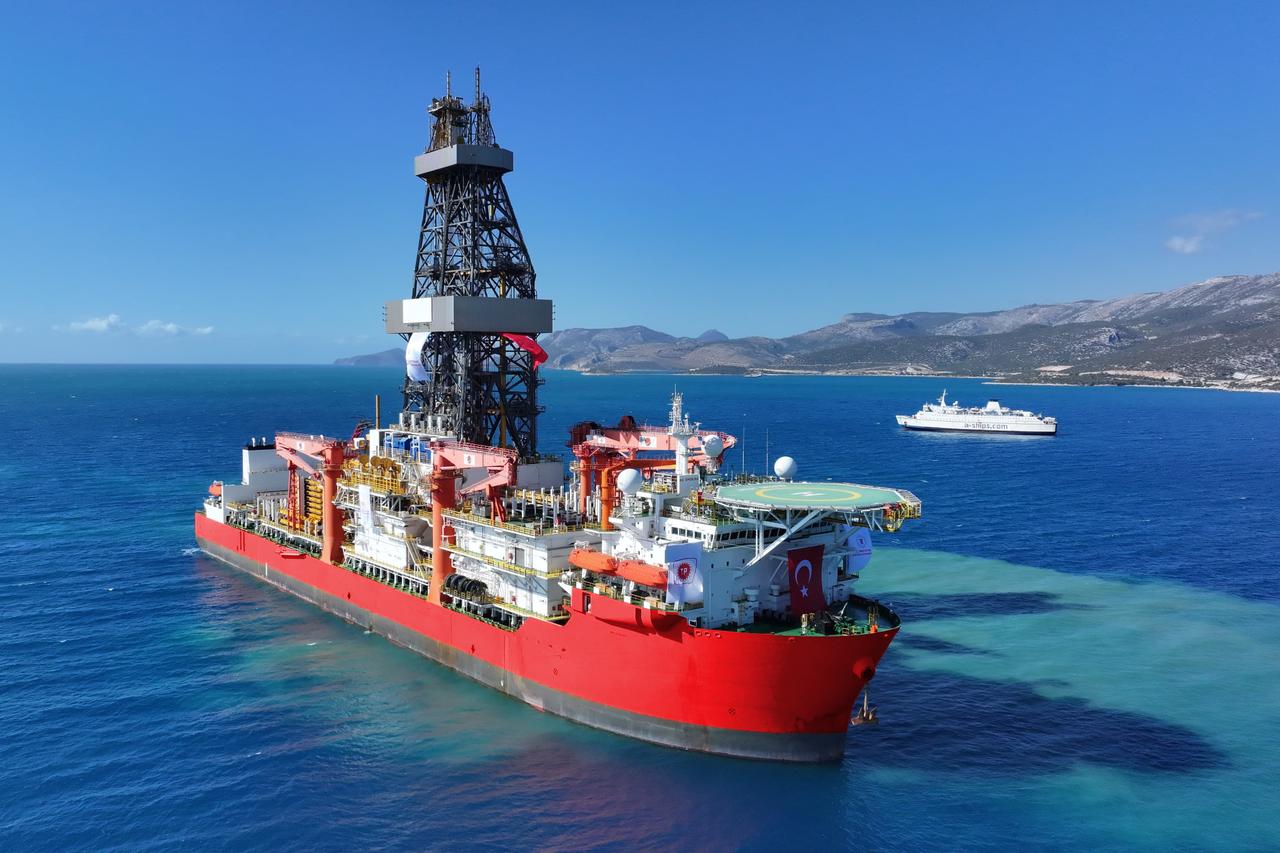


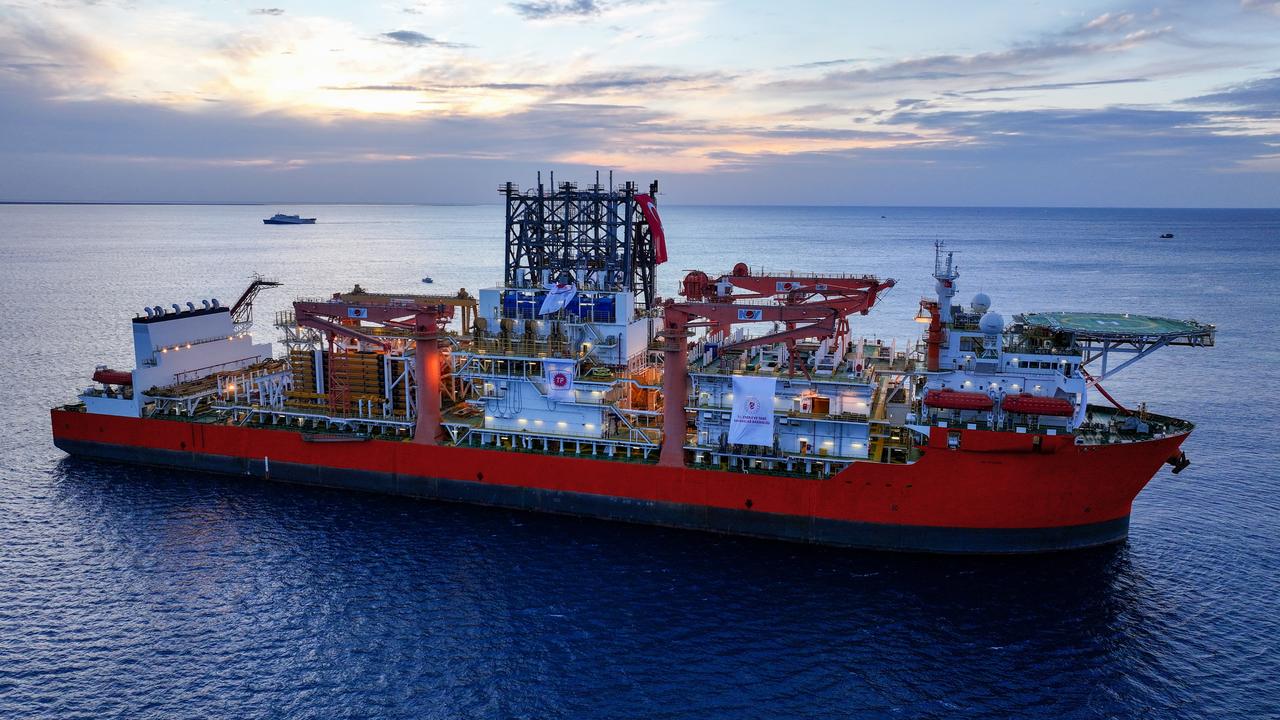
Türkiye now possesses the world's fourth-largest deep-sea drilling fleet with the addition of twin 7th-generation ultra-deep-sea drilling vessels Cagri Bey and Yildirim, Energy and Natural Resources Minister Alparslan Bayraktar announced.
President Recep Tayyip Erdogan named the twin vessels, which increase Türkiye's deep-sea drilling ship count from four to six.
"With these two technological marvel twin vessels capable of drilling 12,000 meters, Türkiye has now become the country with the world's fourth-largest deep-sea drilling fleet," Bayraktar said on social media.
"Our ship Yildirim will increase production in the Sakarya Gas Field, while Cagri Bey will set sail for new discoveries in Somalia. Our goal is a fully energy-independent Türkiye!" he added.
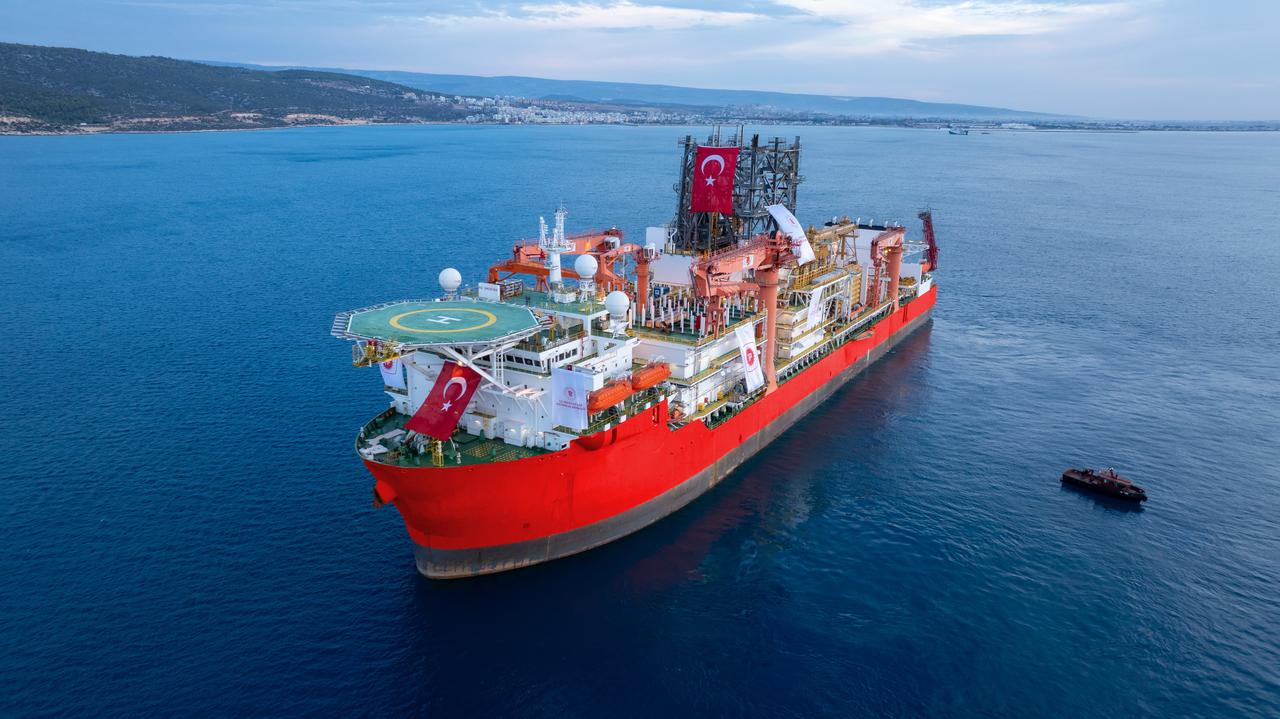

The 7th-generation ultra-deep-sea drilling vessel Cagri Bey will head to Somalia in February to conduct Türkiye's first overseas deep-sea drilling operation.
"Cagri Bey, a 7th-generation ultra-deep-sea exploration vessel, will go to Somalia in February, Allah willing, and we will have conducted our first deep-sea exploration drilling abroad there. 2026 will be a year in which we open a new era in oil and natural gas exploration," Bayraktar said at the Yavuz Drilling Vessel in Filyos, Zonguldak, on late Wednesday.
Operational preparations for Cagri Bey at Tasucu Port are expected to be completed by the end of January 2026, after which it will depart for its first drilling operation in Somalia.
The Oruc Reis Seismic Research Vessel, sent off by President Erdogan from Dolmabahce to Somalia last October, collected 3D seismic data across 4,465 square kilometers in 3 separate sea blocks, which are now being analyzed in Ankara.
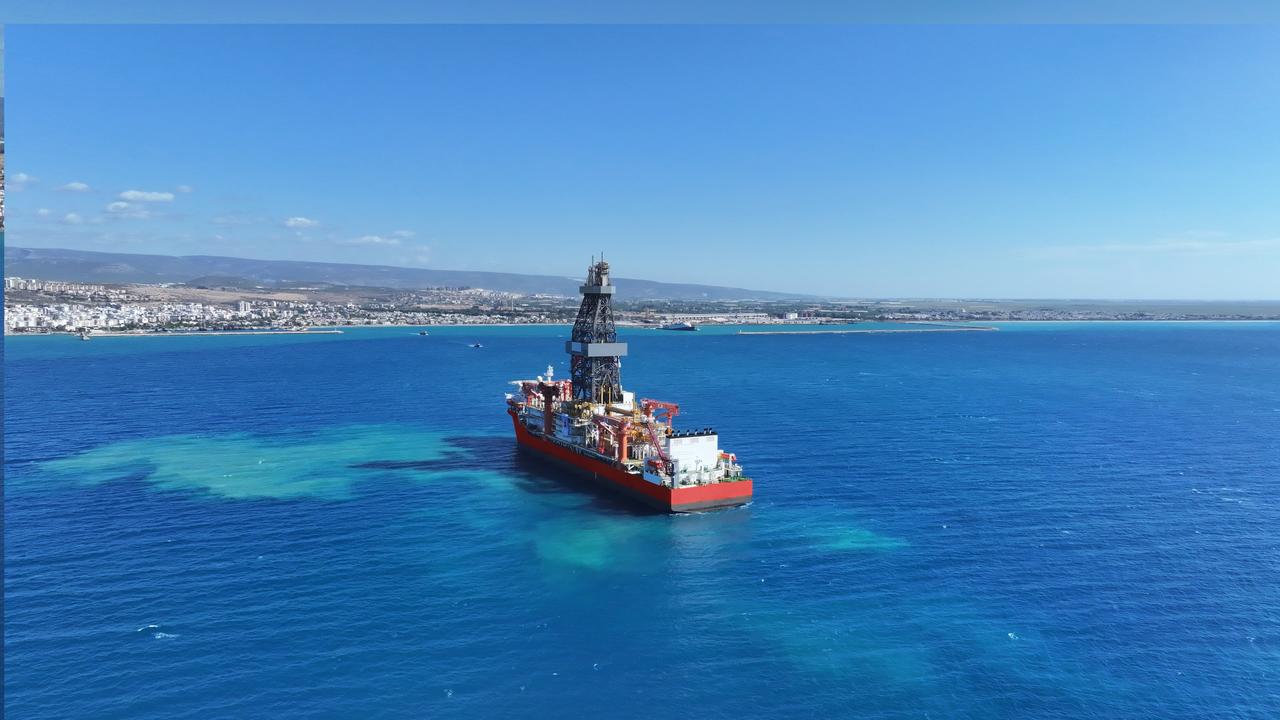
The 6th drilling vessel Yildirim, will join the Black Sea operations, where Fatih, Yavuz, Kanuni and Abdulhamid Han deep-sea drilling vessels are currently working in the Sakarya Gas Field.
"Yildirim will come to the Black Sea within a few months, Allah willing," Bayraktar said.
Yildirim is expected to depart for Filyos Port in January, complete tower installation and operational preparations there, and begin its first well completion operation under the Sakarya Gas Field Development Project by the end of March.
Bayraktar also announced that six new exploratory drillings will be conducted in the Western, Central and Eastern Black Sea regions, noting, "We want to come before the nation with new good news."
The workforce at the Sakarya Gas Field will increase from 5,000 to 7,500 in March, he added.
The twin vessels, construction of which was completed in South Korea in 2024, can drill up to 12,000 meters in deep seas.
Called "7th generation ultra-deep-sea drilling vessels," the ships are 228 meters long and 42 meters wide, equipped with helicopter pads and living quarters for 200 personnel.
The first vessel arrived in Türkiye on Sept. 28, and the second on Dec. 4, joining Turkish Petroleum Corporation (TPAO).
Responding to a question about drone attacks in the Black Sea, Bayraktar said extra measures are being taken for critical energy infrastructure.
"These are very unconventional developments. Attack types we are not used to. Our teams are doing the necessary work regarding these. We have been working on the security of critical energy infrastructure for a very long time. We are also trying to take extra measures regarding our ships, pipelines, transformer stations and power plants," he said.
President Erdogan called the Yavuz Drilling Vessel to greet workers on New Year's Eve.
"With Cagri Bey and Yildirim joining from Tasucu, we will be among the world's leading fleets. May Allah be our helper. Along with all this, the increasing production at Gabar also makes us happy. The results in the Black Sea are making us smile. I pray to Allah that the coming year will be beneficial," Erdogan said.
Bayraktar noted that over 100 wells are operating at Gabar with 3,500 workers, and work on shale oil production in Diyarbakir is planned for next year.


 Set as preferred source
 Set as preferred source


 1 min read

 1 min read