Newsletters


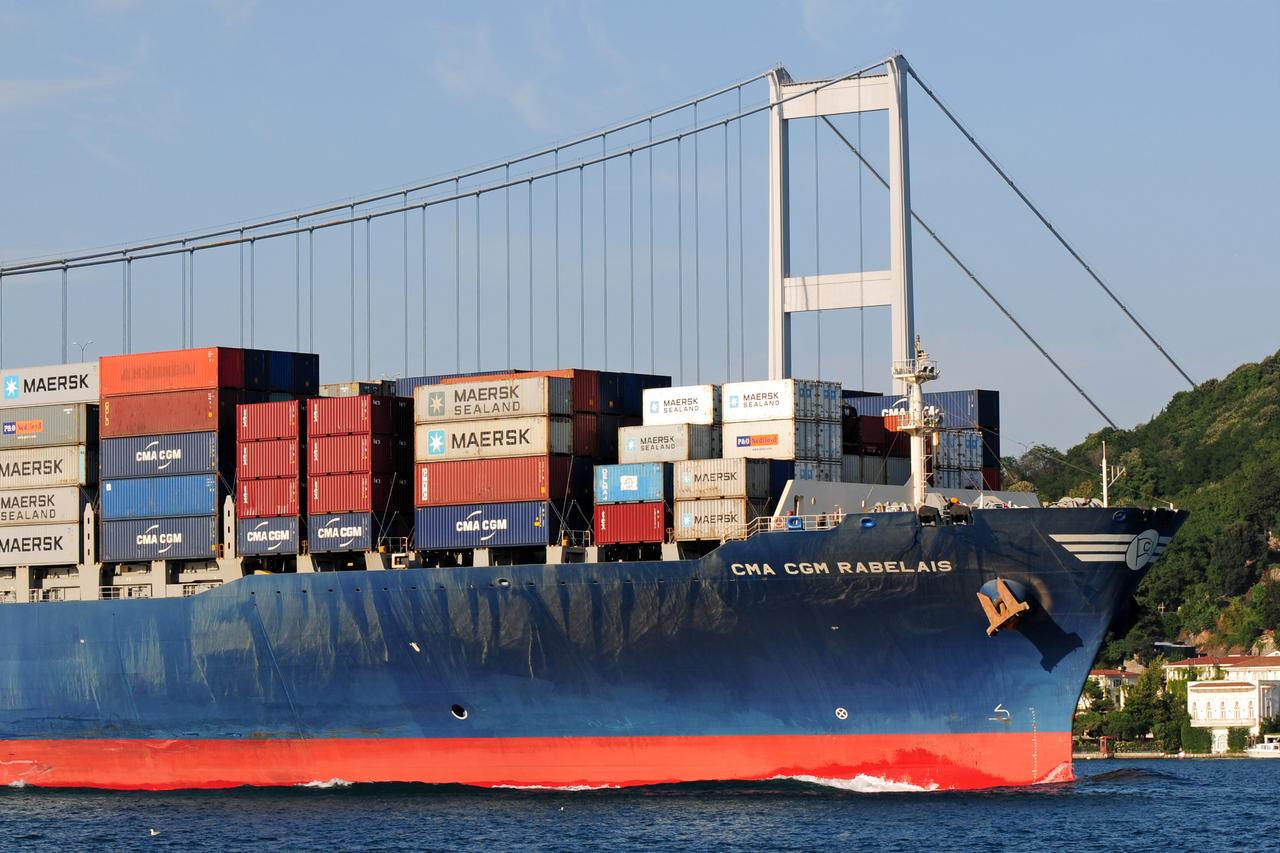


Türkiye has introduced a series of zero-tariff import quotas for a wide range of industrial products, including chemicals, batteries, electronics, and textiles, according to presidential decrees published in the country’s Official Gazette on Wednesday.
The measures will remain in force for up to two years, offering manufacturers temporary access to critical inputs at reduced cost. The quotas are part of a broader effort to bolster domestic production by lowering the expense of imported intermediate goods.
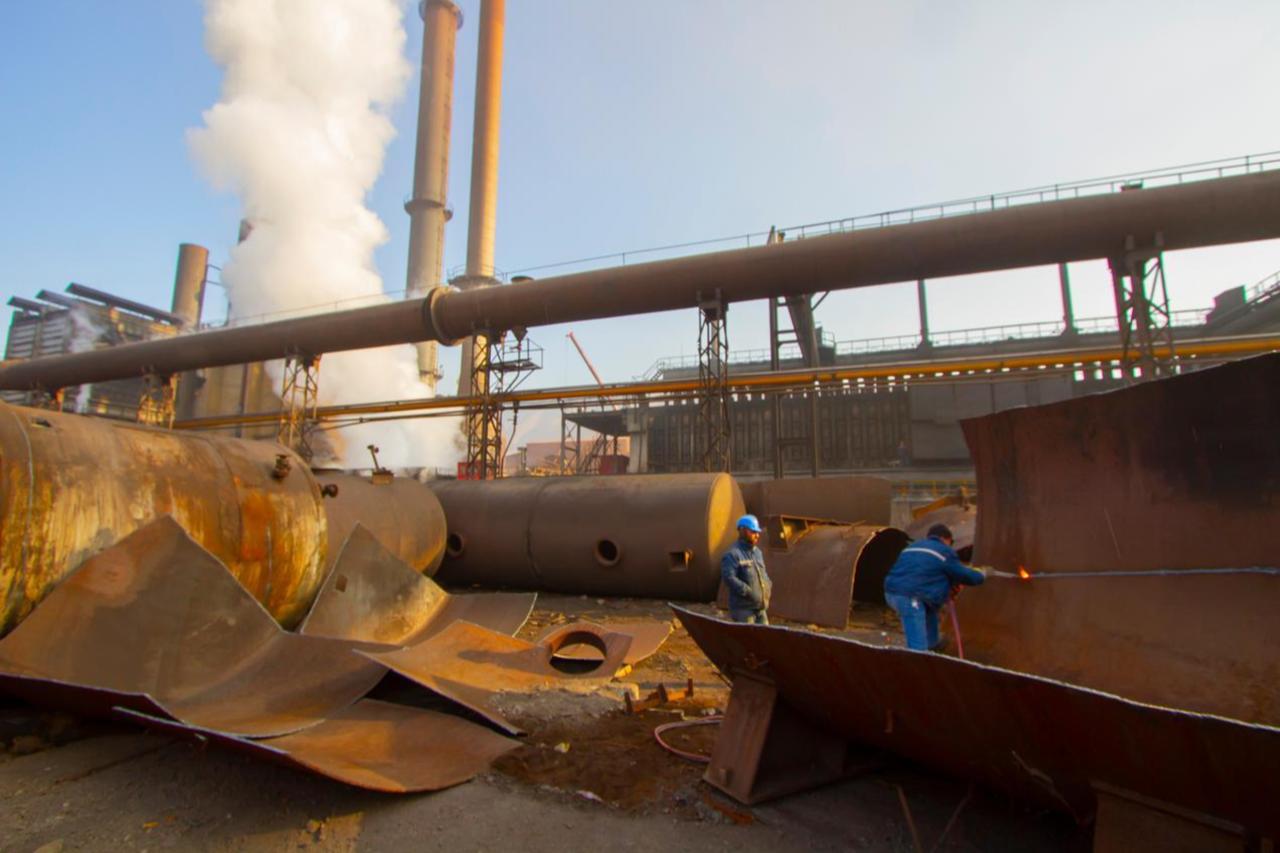
According to the decrees, tariff-free quotas will apply to various industrial products through February 15, 2027. These include chemical substances, electrical transformers, accumulators, lithium-ion batteries, printed circuit boards, and acoustic mechanisms. Each product group will be subject to a volume cap specified in the decrees.
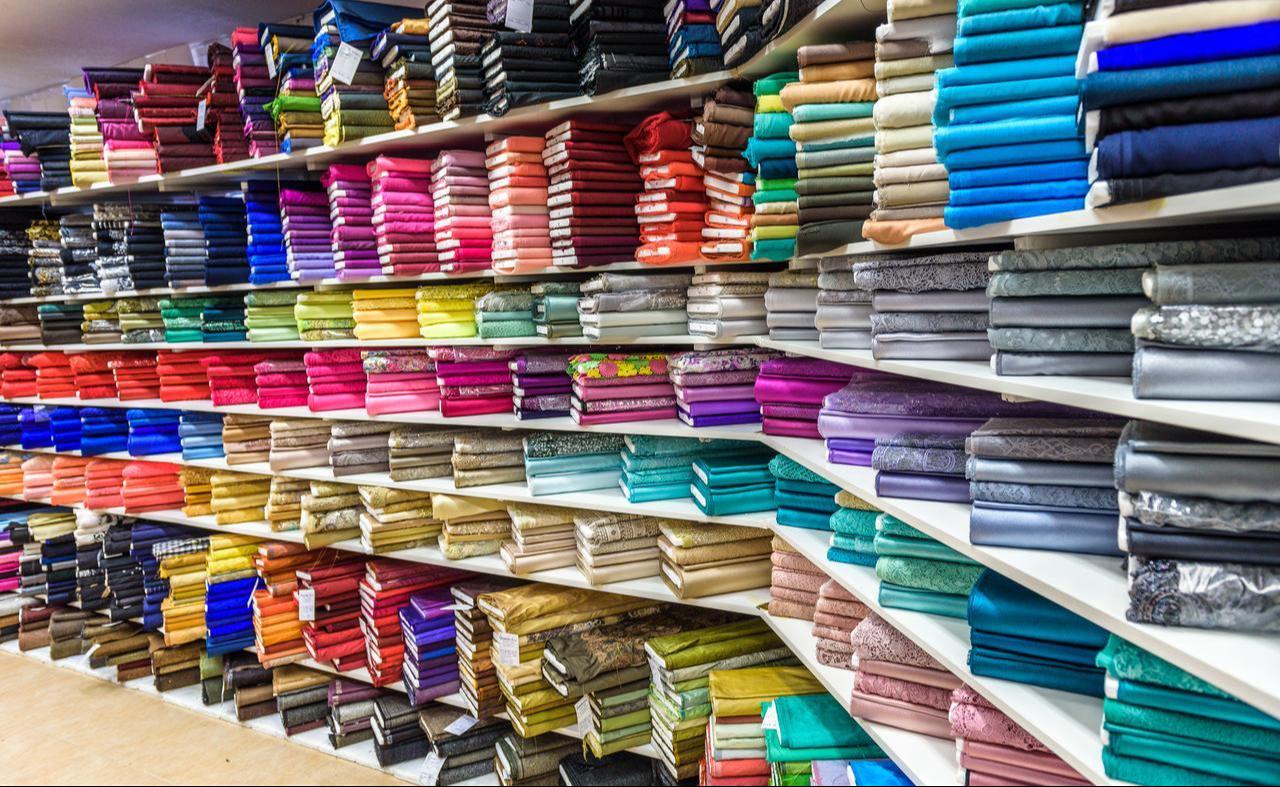
In a separate decree, a tariff-free import quota for textile inputs was set through December 31, 2026. Specifically, an 8 million square meter quota was established for the import of impertex fabrics, to be used exclusively by domestic manufacturers who utilize this fabric as an input in production.
In addition, a third decree grants zero-tariff import allowances for certain chemicals between February 16 and December 31, 2026. This decision has already come into force.

All imports made under these quotas will require a license issued by the Directorate General of Imports under the Trade Ministry.
The moves are expected to support cost-sensitive manufacturing sectors, offering regulated access to essential imported materials while maintaining administrative oversight via licensing requirements.
Turkish industry remains heavily dependent on imported intermediate goods, which totaled $226.73 billion in the first 11 months of 2025, accounting for 68.8% of total imports.


 Set as preferred source
 Set as preferred source


 1 min read
 1 min read