Newsletters


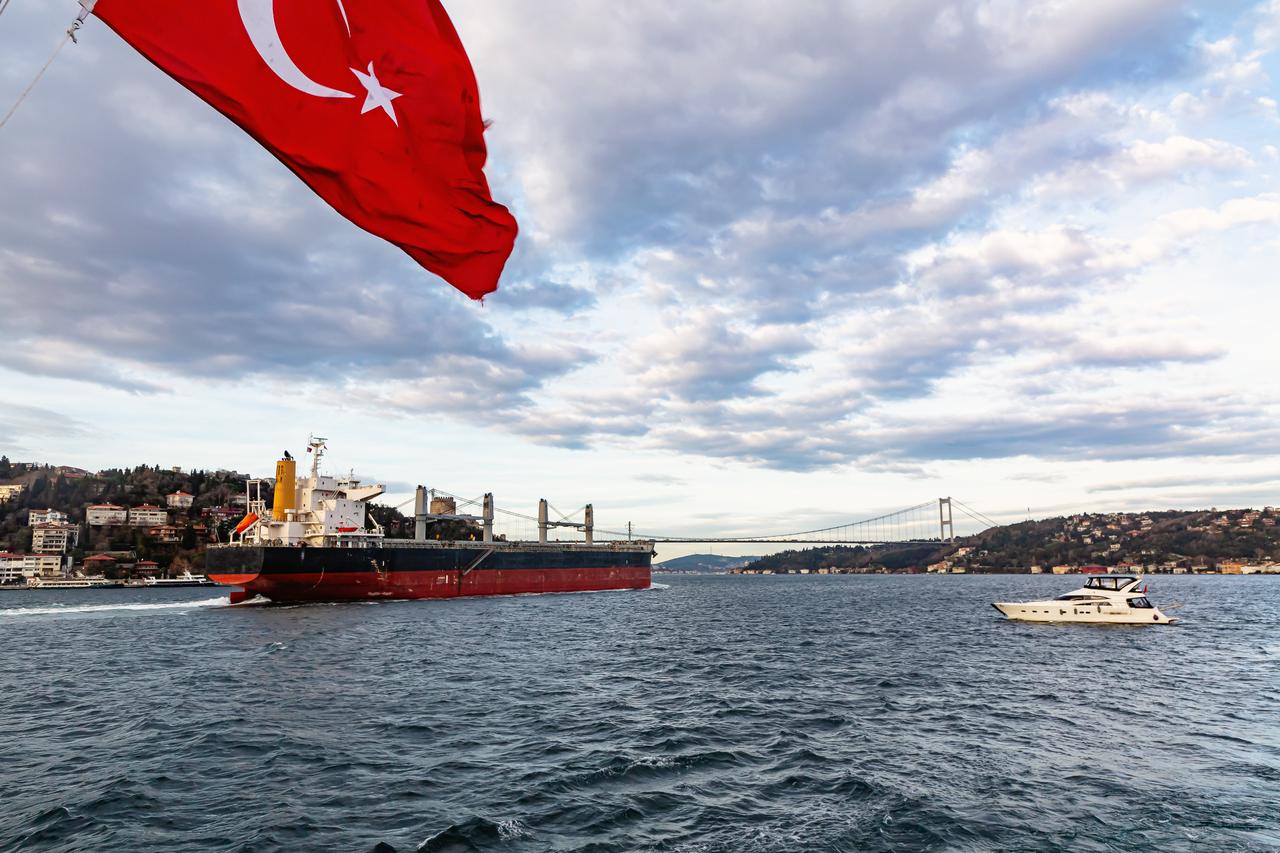


Bilgehan Engin, chairman of the International Transport and Logistics Service Producers Association, said Türkiye could emerge as a complementary logistics hub in transatlantic trade following recent global disruptions to supply chains.
Speaking to an Anadolu Agency (AA) correspondent, Engin said discussions at the Munich Security Conference offered important signals about the future of cooperation between the two sides of the Atlantic.
Engin said global trade has faced significant turbulence in recent years due to successive shocks.
He cited the COVID-19 pandemic in 2021, followed by the Russia-Ukraine war, which triggered food and energy crises. He added that security risks in the Red Sea and Suez Canal have further disrupted logistics flows.
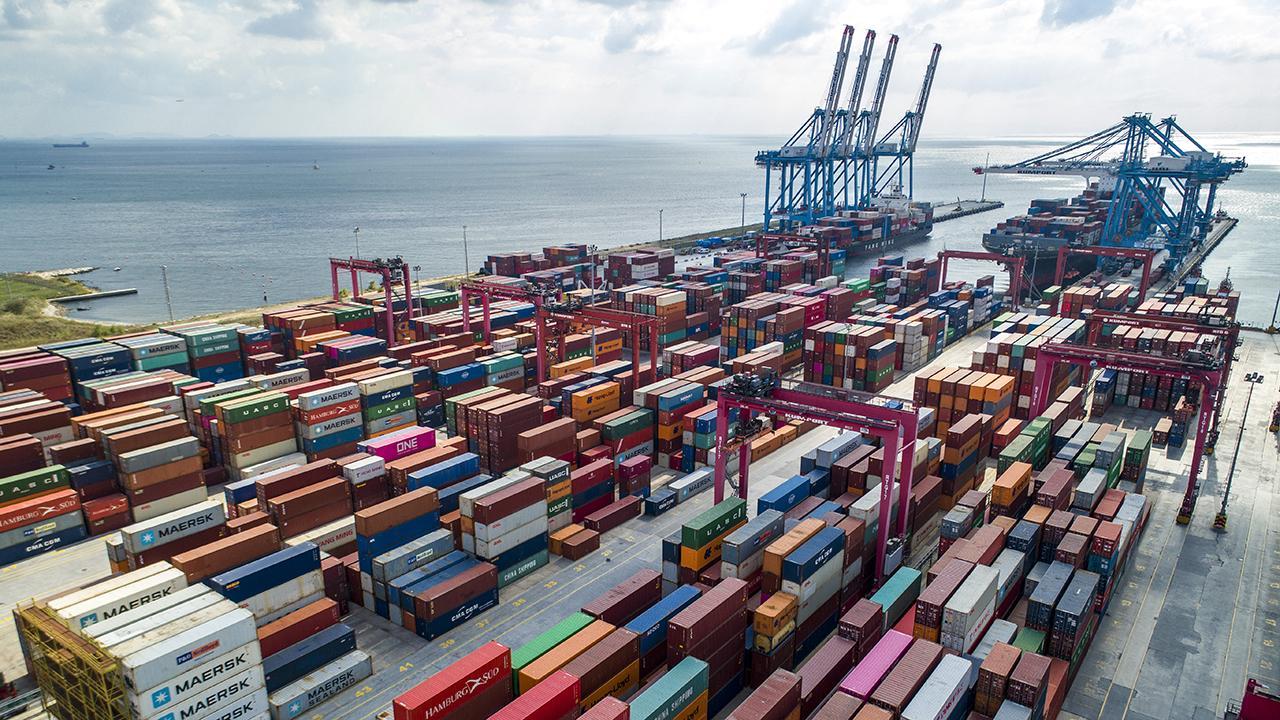

He said the traditional trade structure, focused on cost optimization, has given way to a more fragile and complex system.
“On the trade route between the European Union and the United States, technology, technology-intensive inputs, critical components and services trade have come to the forefront,” Engin said.
Engin noted that the transatlantic trade route has an estimated volume of about $10 trillion and also serves as a major energy corridor.
Evaluating this backbone alongside NATO, Engin said the structure now requires flexible alternatives rather than reliance on a single center, adding that Türkiye plays a critical role in this context.
He said the geopolitical conditions at the time NATO was founded differ significantly from today and argued that Türkiye needs to redefine its contribution in the current environment.
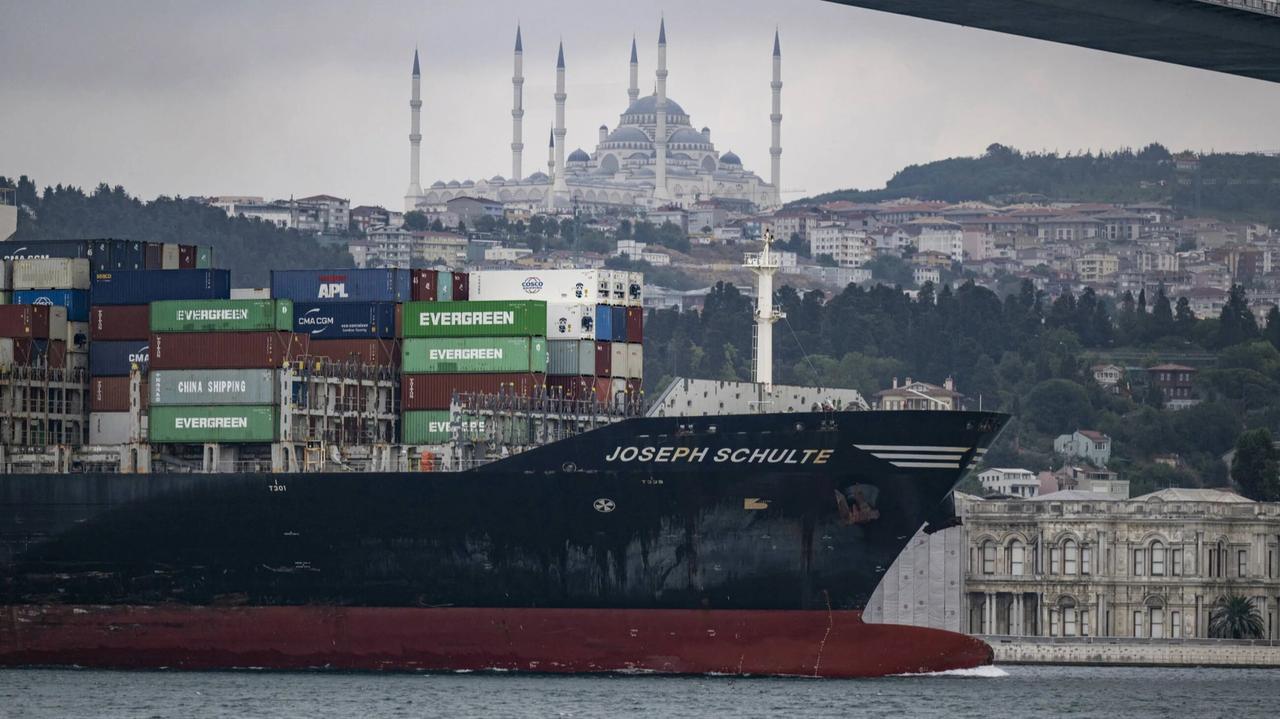
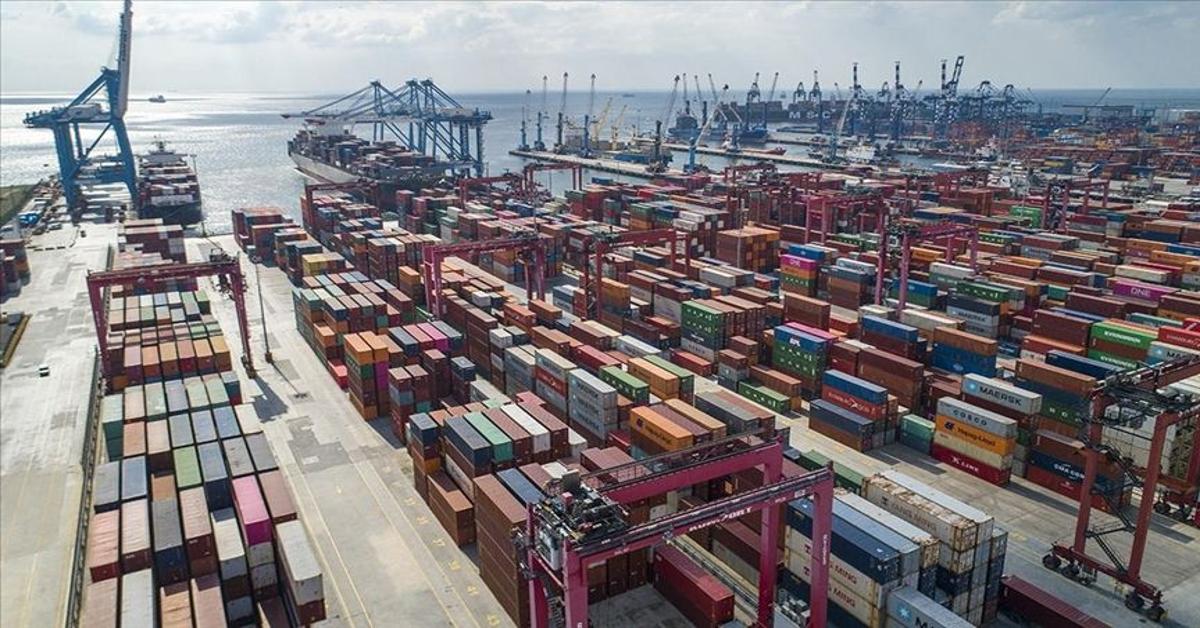
Engin said Türkiye is an important production and supply chain hub with a modern port infrastructure.
He noted that the country handles around 15 million TEU in container traffic and has maritime capacity exceeding 550 million tons of cargo annually.
“Türkiye is located at a strategic position connecting Europe with its southern and eastern periphery, as well as the Middle East and the Black Sea basin,” he said.
Engin also highlighted Türkiye’s strong infrastructure in services exports and trade, saying that under its 2026 and 2030 visions, the country could be among the integration partners ensuring continuity of production and trade flows despite geopolitical fluctuations.
Although Türkiye is not on the main axis of transatlantic trade, Engin said it could play a central role in the first ring of an alternative outer periphery.
“Following global disruptions in supply chains, Türkiye may come to the forefront as a complementary logistics hub in transatlantic trade,” he said.
Engin added that the free trade agreement with the United Kingdom is also significant, noting that Britain is a key actor in transatlantic trade and NATO.
He said Türkiye should shape its trade policy around a “friend-shoring” approach, adding that updating the Customs Union and enabling visa-free travel for Turkish businesspeople and truck drivers would be important indicators.
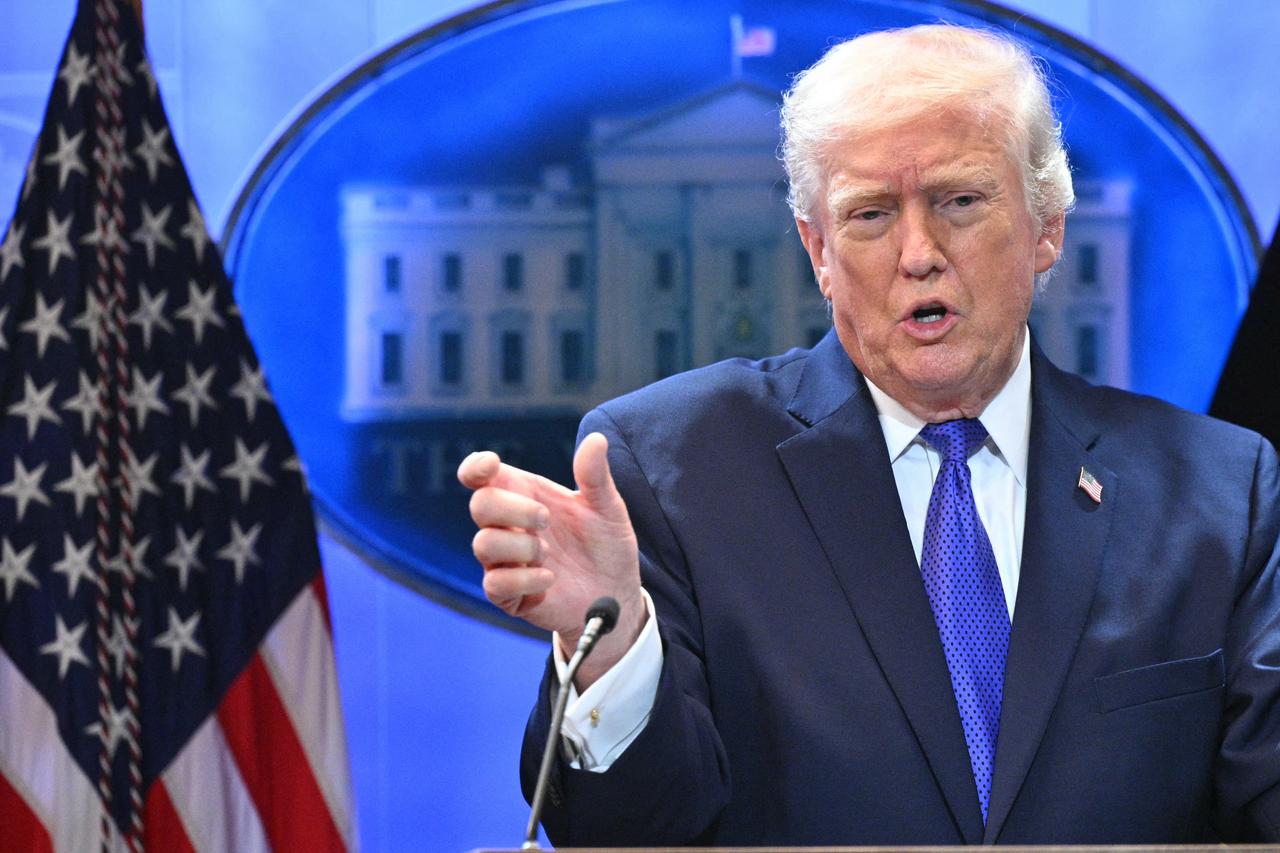
Engin also pointed to sensitivities in both the European Union and the United Kingdom regarding irregular migration flows, noting that the United States has developed stronger responses under the administration of President Donald Trump.
He emphasized the importance of Türkiye acting in coordination as a reliable and safe partner during this period.


 Set as preferred source
 Set as preferred source


 1 min read

 1 min read