Newsletters


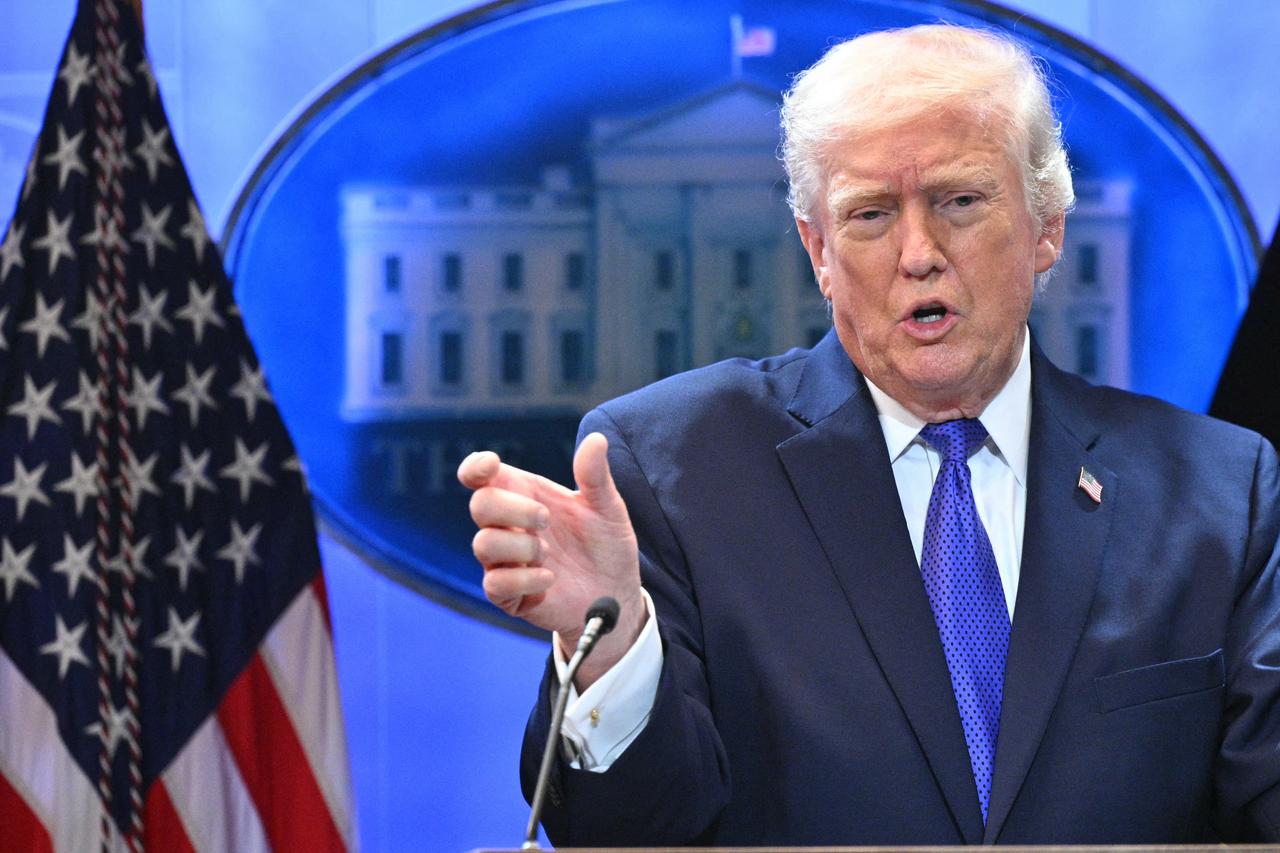


U.S. President Donald Trump raised the global tariff on imported goods to 15% on Saturday, putting the measure in place for up to 150 days after the Supreme Court limited his administration’s tariff authority.
The new rate comes after an initial 10% tariff announced immediately following the court decision and applies broadly to imports entering the United States, with certain exemptions.
Trump said that his administration would continue searching for "legally permissible" ways to maintain tariffs in the coming months, signaling that further trade measures remain under consideration.
According to a White House fact sheet released on Friday, products covered under separate investigations, including pharmaceuticals, and goods traded under the United States-Mexico-Canada Agreement remain excluded from the tariff.
The measure is temporary under existing law and is expected to take effect on Feb. 24, allowing the administration to maintain duties while pursuing alternative legal options.


The Supreme Court earlier ruled 6–3 that a 1977 law Trump had relied on did not authorize the president to impose tariffs on individual countries. The decision dealt a legal setback to a trade approach that depended on unilateral duties targeting both allies and rivals.
Trump responded by criticizing the ruling and questioning some of the justices. "I'm ashamed of certain members of the court, absolutely ashamed, for not having the courage to do what's right for our country," he told reporters.
Washington previously set a 15% tariff on Turkish goods entering the U.S. market, which totaled $13.23 billion, down by 19.3% from $16.4 billion a year earlier.
The White House said that countries which had negotiated separate tariff agreements with Washington would still face the new global rate. Over the past year, the administration introduced and revised tariff levels multiple times, using them as leverage in trade negotiations and economic disputes.


 Set as preferred source
 Set as preferred source


 1 min read

 1 min read