Newsletters


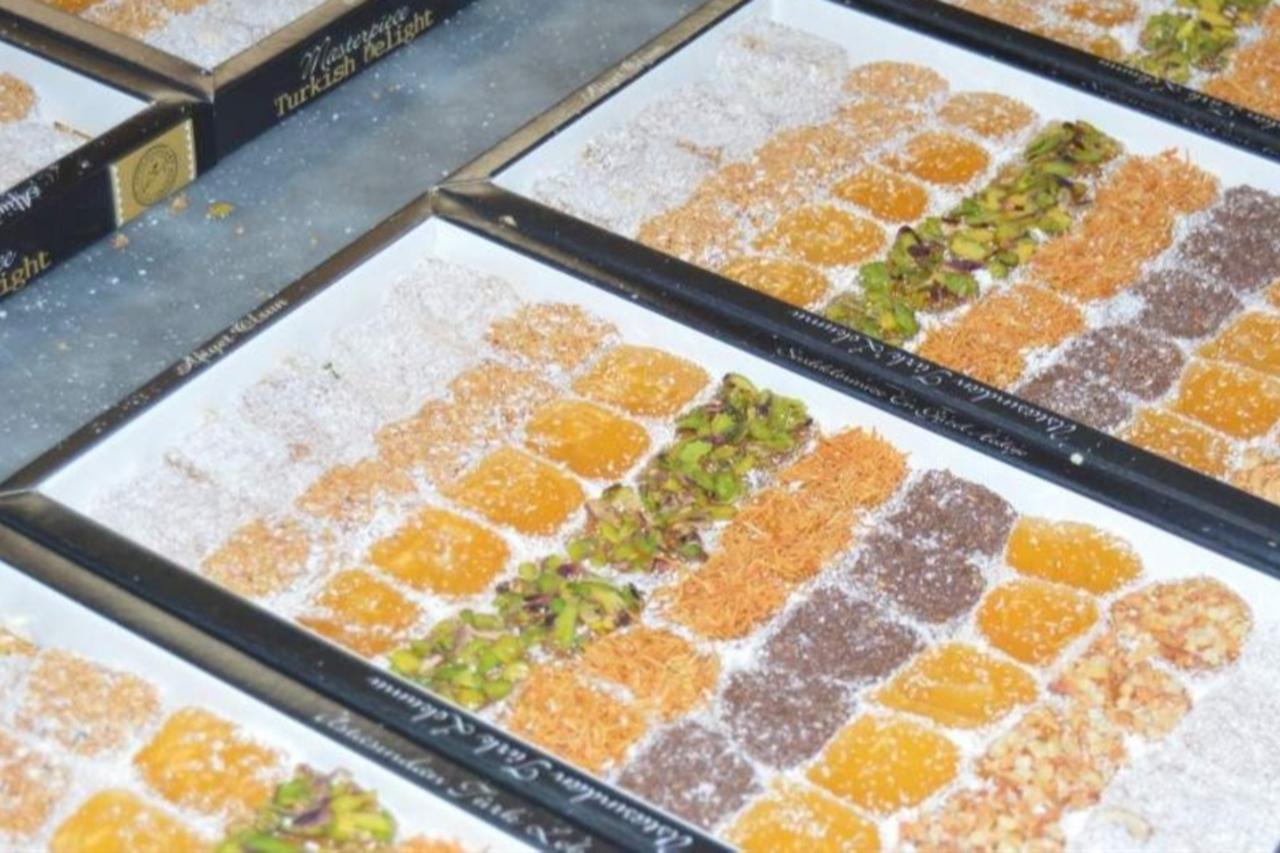


Walk through major supermarket aisles in the United States and it is easy to spot shelves lined with “Greek Yogurt,” "halva," "moussaka," or a wide array of Greek-branded pastries and specialty foods. Turkish producers are now preparing a coordinated effort to secure similar visibility and permanence for Turkish products.
The Istanbul Cereals, Pulses, Oilseeds and Products Exporters’ Association (IHBIR) is organizing a new promotional phase under the government-backed Turquality program, with the United States identified as the first major target market.
The initiative is supported by Türkiye’s Ministry of Trade and is designed to reposition Turkish food exports as branded, value-added products rather than anonymous bulk goods.
Turkish exporters do not want to remain “no-name” suppliers in global markets. Instead, the strategy centers on building recognizable Turkish brands that can secure long-term shelf space in American retail chains and cultivate consumer loyalty.
For years, many Turkish food exports entered foreign markets as private-label or unbranded goods, limiting brand recognition and pricing power. The Turquality-driven campaign that will be revisited seeks to reverse that pattern by elevating Turkish-origin products into premium, story-driven brands.
The initial focus will be on confectionery, cocoa-based products, and flour-based goods, which are all categories in which Türkiye already has strong production capacity and export experience.
Beyond sweets and baked items, the promotional drive will also feature Turkish coffee, Turkish delight, tea, chocolate, sugar products, pulses, and bulgur.
According to the announced plan, these items will be supported by professional public relations campaigns and structured brand positioning efforts in the United States.
Exporters plan to invest heavily in digital promotion, allocating significant budgets specifically for online visibility and consumer engagement in the American market.


The strategy goes beyond product placement and advertising. Turkish television series are expected to become a central pillar of the next promotional phase, linking consumer goods to cultural storytelling.
Officials are exploring cooperation between the Ministry of Tourism and the Ministry of Trade to align incentives that would integrate Turkish food products more visibly into television narratives.
Items such as Turkish coffee, Turkish delight, baklava, bulgur, and tea could appear organically within storylines, reinforcing cultural associations alongside product familiarity.
The campaign’s architects emphasize that the goal is not merely to sell packaged goods but to export elements of Turkish lifestyle and tradition.
Turkish coffee rituals, tea culture, and dessert customs are viewed as assets that can deepen consumer engagement and repeat purchasing.
This cultural framing is intended to differentiate Turkish products in competitive markets where Mediterranean and Middle Eastern foods already have established footholds. Rather than competing solely on cost, the strategy seeks to leverage authenticity and heritage.
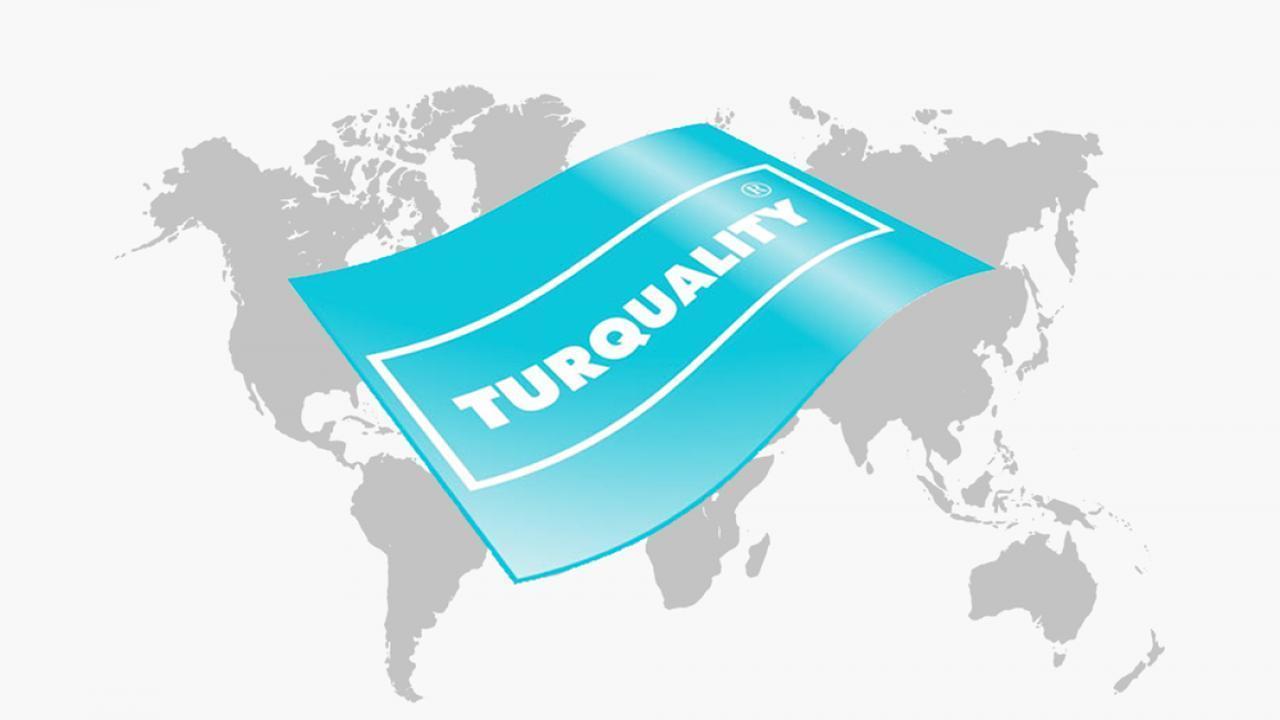
Branding, however, cannot rely solely on institutional backing. Merely stamping a Turquality seal on a product is insufficient; the design itself must speak to the consumer. Packaging, typography, color palettes, and shelf presence will determine whether a product is picked up or passed over in a crowded aisle.
American consumers are accustomed to visually assertive, convenience-oriented packaging.
For Turkish brands to compete, they will need to communicate both authenticity and modernity at first glance. Heritage alone is unlikely to be persuasive without contemporary presentation.
Smart and innovative designs have the potential to spark a new trend. For example, while Greek brands market "gyros kits," it is often difficult to even find the word "doner" mentioned in relation to the Turkish "doner".
On another point, marketing products with Halal and Kosher certifications could bolster competitive strength within niche segments.
Turkish products are not new to Western retail networks, but the emphasis is now on strengthening brand identity within those channels. Member companies already supply products to major chains such as Walmart, Kmart, Publix, Tesco, Aldi and Galeria Kaufhof.
Speaking to Turkish media, export representative Atay argued that the perception of “Made in Türkiye” has improved markedly in recent years. In Middle Eastern and North African markets, Turkish brands already enjoy strong positioning and consumer familiarity.
In the United States, exports have reportedly achieved double-digit annual growth over the past five years. The revised Turquality campaign aims to convert that quantitative growth into qualitative gains with higher brand recognition, stronger margins, and more durable market presence.S
Unlike conventional export subsidies that focus purely on volume, Turquality represents a sophisticated paradigm shift in Türkiye’s economic strategy.
It stands as the nation’s premier state-backed branding initiative.
The program functions as a comprehensive incubator for international excellence. Rather than simply providing financial aid, it delivers a holistic framework for corporate development, covering the entire lifecycle of a product from the initial manufacturing stages and managerial oversight to sophisticated marketing strategies and post-purchase consumer support.


 Set as preferred source
 Set as preferred source


 2 min read