Newsletters


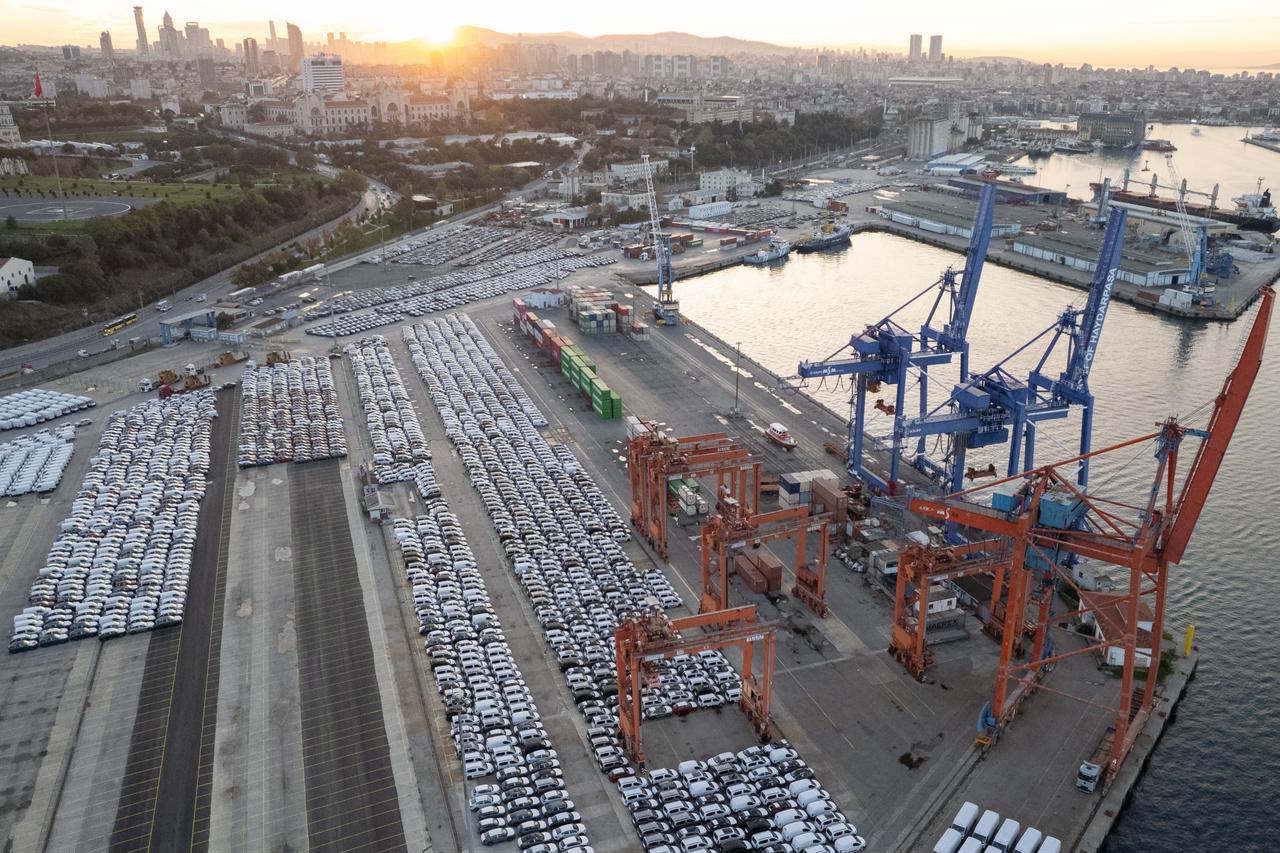


Türkiye’s automotive industry is intensifying efforts to strengthen its market presence in the Middle East, North Africa, and the Americas as part of a broader strategy to diversify export destinations and reduce heavy reliance on Europe, the sector head said.
Baran Celik, chairman of the Automotive Industry Exporters’ Association and coordinator chairman of the Uludag Exporters’ Associations, said the sector continues to view Europe as its core market but is actively building alternative export channels to strengthen long-term resilience.
Europe remains the backbone of Türkiye’s automotive exports, driven by its proximity, efficient logistics, well-established sales networks, and the advantages of the EU–Türkiye Customs Union, which allows most industrial goods, including vehicles and automotive parts, to move between Türkiye and EU member states without tariffs or quotas.
In 2025, the region made up 72.5% of total shipments, accounting for $30.1 billion of the sector’s $41.5 billion in exports.
However, Celik warned that the industry’s heavy reliance on a single region leaves it exposed to economic fluctuations. "Our priority is to preserve our strength in the European market where we are already present, and in addition to that, to find new markets that will support it," he told state-run Anadolu Agency.
North America stands out as one of the most promising expansion areas for Turkish automotive exporters, he highlighted. Turkish industry groups have already been organizing trade delegations, buyer meetings and national participation in international exhibitions to strengthen commercial ties in the region.
Latin America is also gaining attention as manufacturers seek to expand their presence beyond traditional markets and tap into growing demand, Celik added.
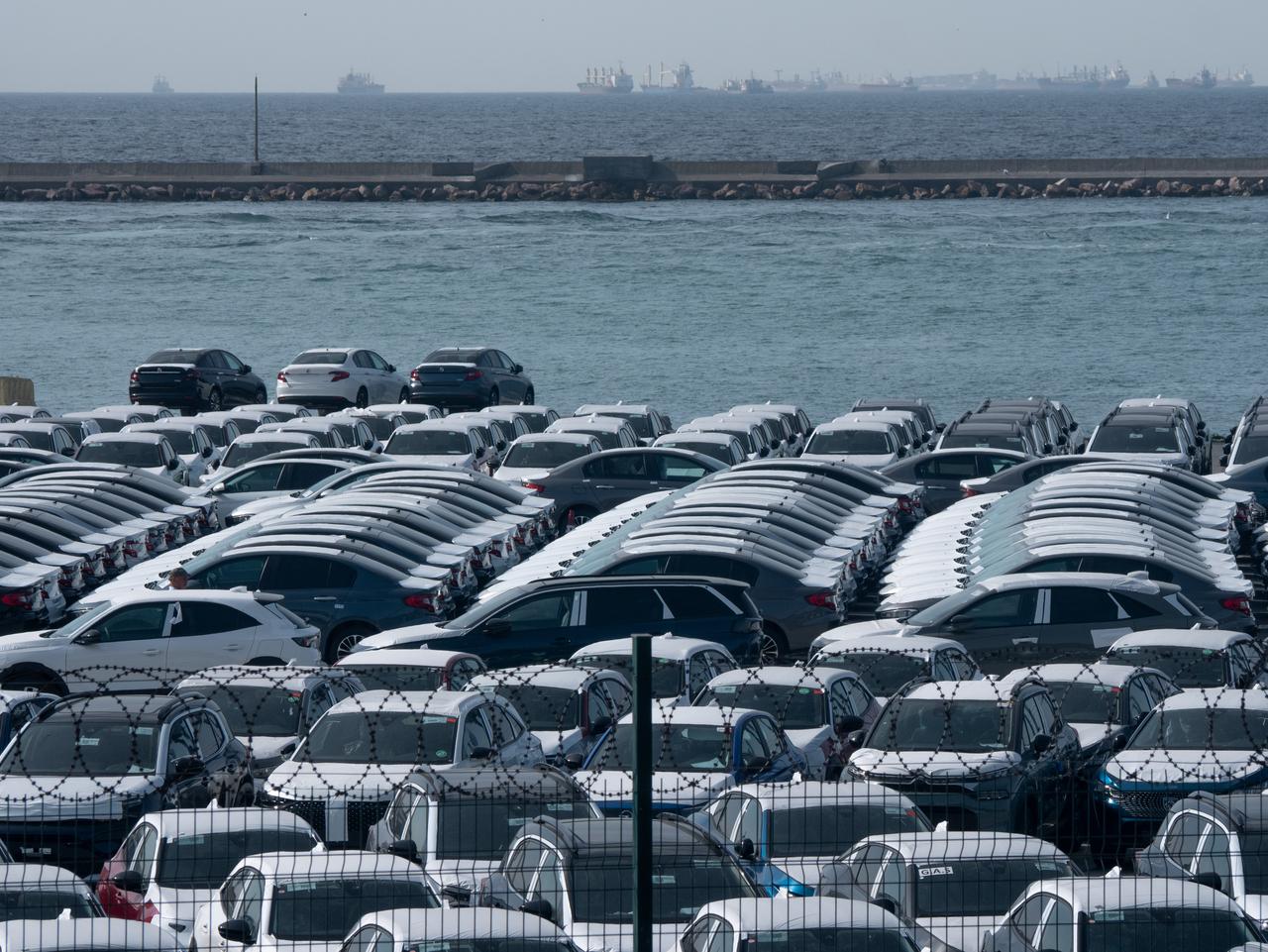

North Africa is becoming increasingly central to Türkiye’s automotive expansion plans, with Morocco emerging as an early focal point. Turkish companies have increased exports of both vehicles and automotive parts to the region while also investing in local production.
Eastern Europe remains a key investment destination, with countries such as Romania, Slovakia, Slovenia and Poland continuing to attract Turkish automotive manufacturers. The investments have historically helped strengthen export performance by supporting supply chain integration, Celik emphasized.
"Exporting investors provides a clear advantage, as it contributes to the automotive sector’s integration into the globalization process," Celik said. "As long as we remain investors in those regions, it also makes a significant contribution to our exports."
The Middle East and North Africa, collectively known as the MENA region, are now seen as priority markets due to their geographic proximity and relatively untapped potential for Turkish exporters, he noted.


 Set as preferred source
 Set as preferred source


 1 min read

 1 min read