

 Newsletters


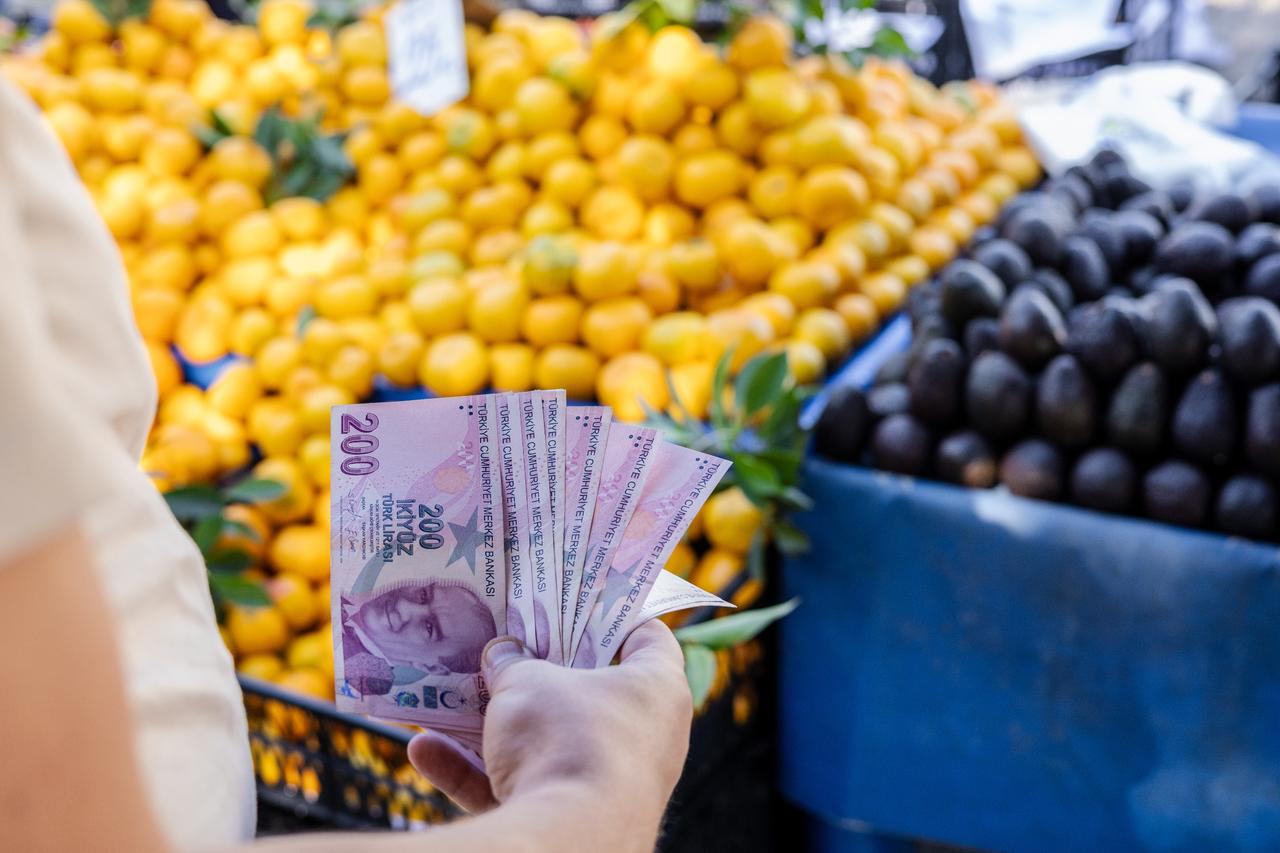


Türkiye raised its year-end inflation forecast to 28.4% as it unveiled its new Medium-Term Program (MTP) for the 2027-2029 period, Vice President Cevdet Yilmaz said Sunday.
“We expect inflation to start declining again in the fourth quarter of 2026 and to reach 28.4% by the end of the year,” Yilmaz said in a televised address.
The new forecast is significantly higher than previous projections.
In last year’s medium-term program covering 2026-2028, the government had forecast year-end inflation at 16%.
Under the new program, inflation is projected to fall to 21% in 2027, 13.5% in 2028, and 9% in 2029.
Türkiye’s annual inflation rate eased to 31.51% in August from 31.75% in July, according to official data.
Yilmaz said the war in the Middle East played a key role in the upward revision of the inflation outlook.
“According to our central bank, the direct and indirect effects of the war on inflation have been estimated at approximately seven percentage points,” he said.
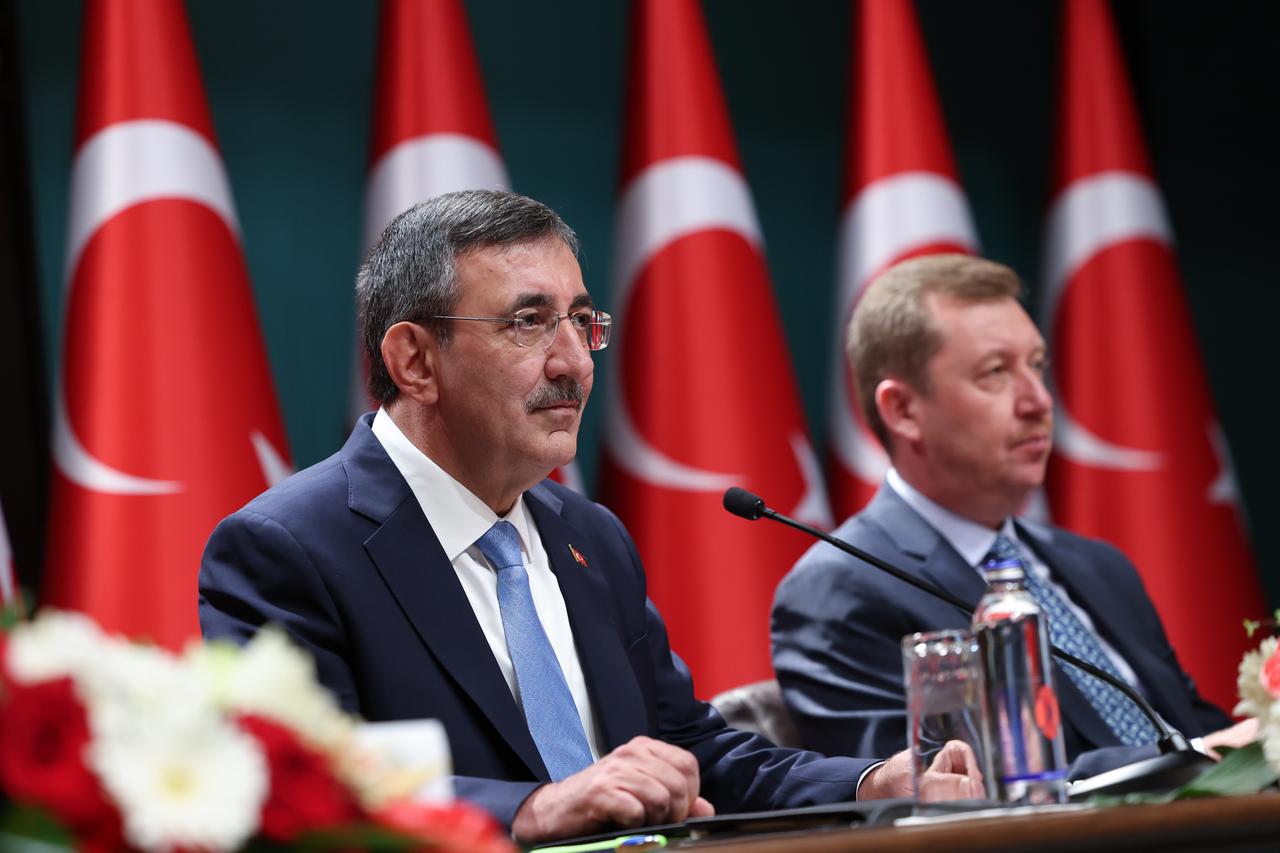

The MTP, which sets out Türkiye’s three-year economic road map, also lowered the 2026 growth forecast to 3.3%.
Economic growth is targeted to reach 4.2% in 2027, 4.6% in 2028, and 5% in 2029.
Yilmaz said the government had made “significant progress in combating inflation,” which remains the top priority of the economic program.
“Inflation, which had risen to 75.5% in May 2024, has begun to show a clear downward trend as a result of the policies we have implemented,” he said.
He added that growth was projected to accelerate gradually over the program period, reaching 5% in 2029.
Yilmaz said the global economy had entered a period in which economic, technological and geopolitical developments were increasingly intertwined.
“The global economy has recently been going through a new period in which economic, technological and geopolitical developments are intertwined, predictability has decreased, and risks have risen to historically high levels,” he said.
“The Turkish economy is, of course, not independent of developments taking place in the world and in our region,” he added.
Yilmaz said the direct and indirect effects of war in the region were being felt across many areas, including energy and commodity prices, global trade, inflation and growth expectations.
Yilmaz said the assumptions used in last year’s MTP had been updated in line with developments at the beginning of this year, especially the war in the region.
“While the growth forecast for our trading partners declined from 2.4% to 1.6%, eurozone growth fell from 1.2% to 0.9%, and growth in Middle Eastern and North African countries, which had been projected at 3.4%, has declined to 0.5% this year,” he said.
He also pointed to sharp changes in energy and commodity prices.
“The average Brent crude oil price, which we had assumed at $64.3 for 2026 when preparing last year’s MTP, has risen to $89.3,” Yilmaz said.
“While we had expected a 5.7% decline in non-energy commodity prices, today we project an 18.6% increase. The global inflation forecast has also risen from 3.6% to 4.7%,” he added.


 Set as preferred source
 Set as preferred source


 1 min read


 1 min read


