Newsletters


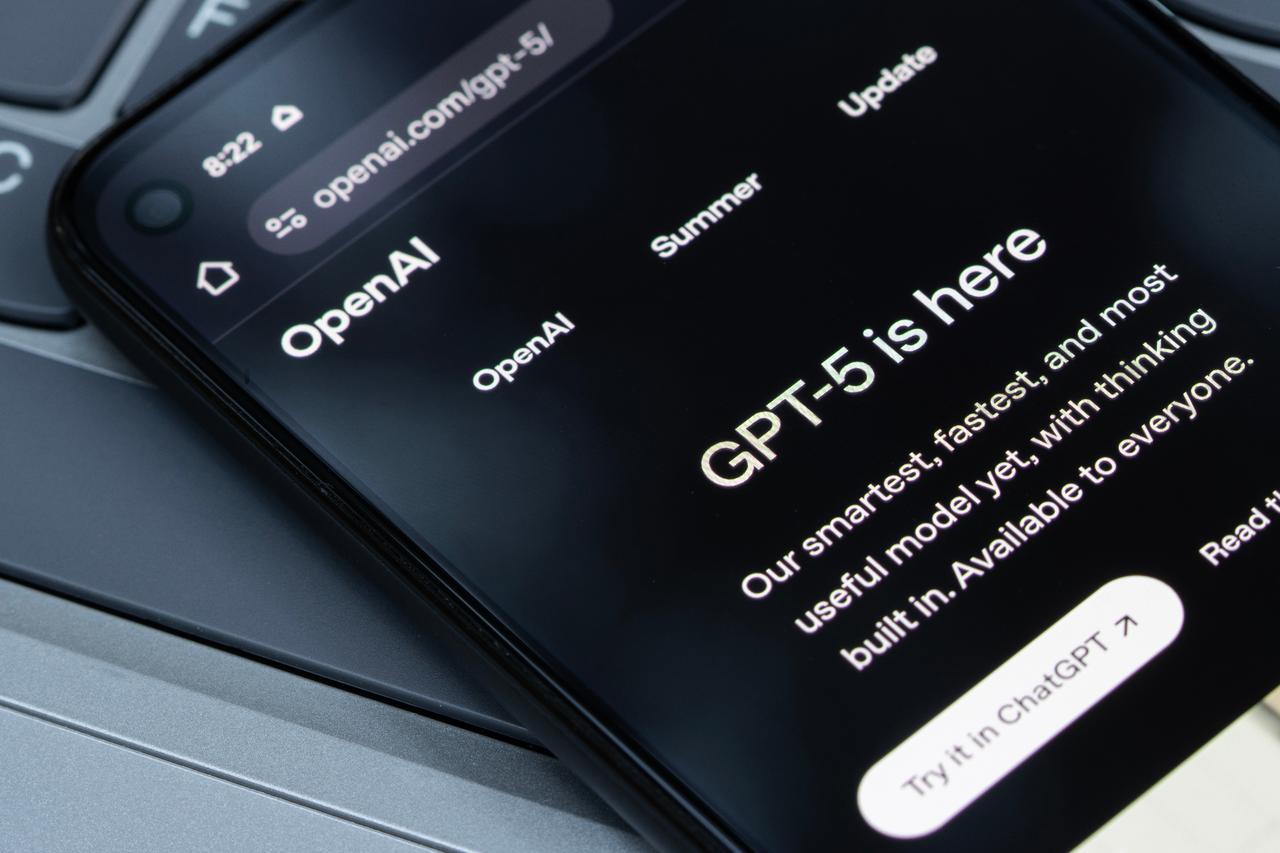


Türkiye has taken the lead globally in AI-driven web traffic, with a striking 94.49% of its artificial intelligence traffic attributed to ChatGPT, according to the "Digital 2026 Global Overview" report published by We Are Social and Meltwater.
The figure far surpasses the global average of 80.92%, positioning Türkiye at the forefront of user engagement with generative AI tools.
The share of users who use ChatGPT monthly stood at 39.7%, indicating that conversational AI is gaining traction not only for general queries but also in areas such as customer support, education, and content creation.
The internet penetration rate reached 88.3% in 2025, with 77.5 million active internet users out of a total population of 87.7 million.
While user growth has plateaued, time spent online has become the new metric of engagement, averaging 41 hours and 37 minutes per week per user.
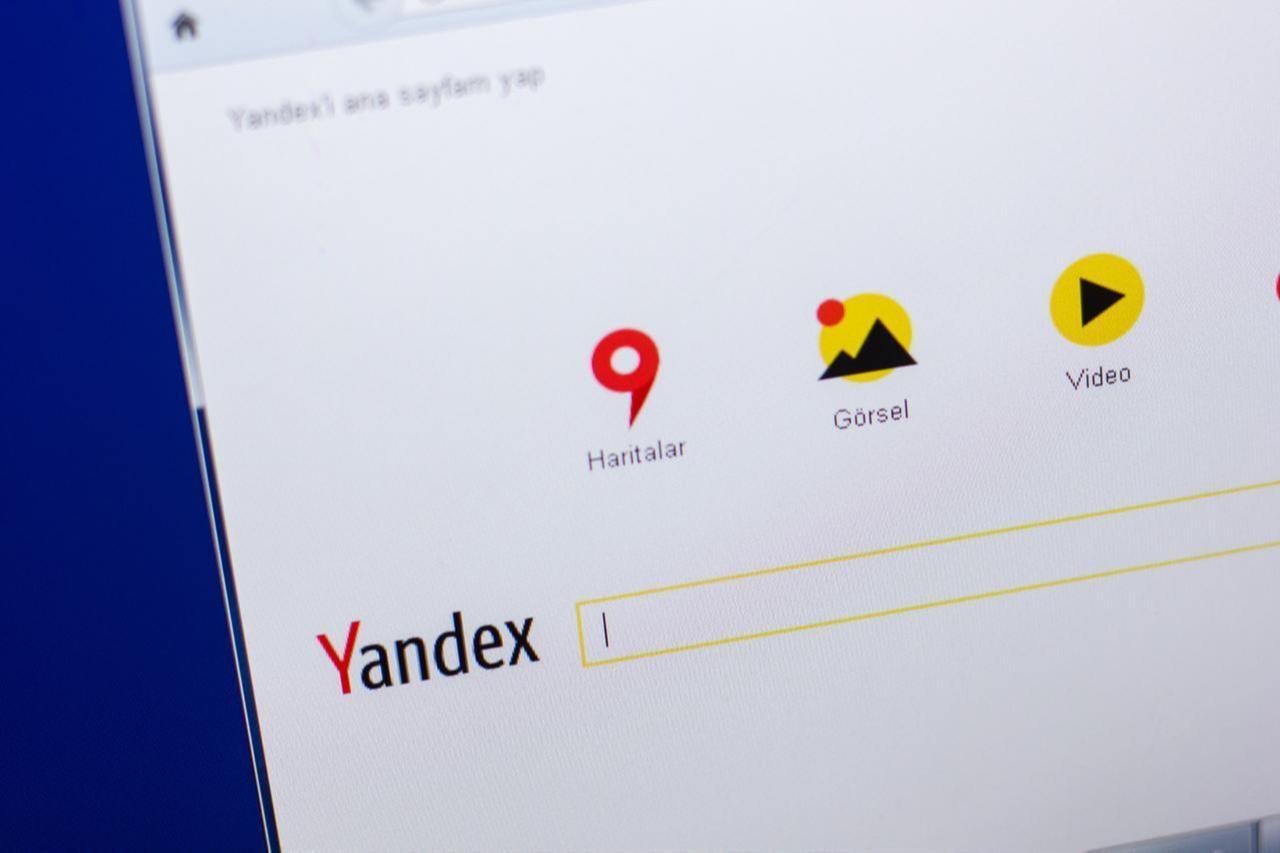
The report also highlighted a notable shift in Türkiye’s search engine usage, as Yandex overtook Google as the leading web traffic referrer in August 2025, capturing 50.5% of referrals compared to Google’s 44%, a reversal from a decade earlier when Google held over 96%.
Mobile devices continue to dominate internet access, with 97.1% of users going online via mobile phones. Android accounted for 77.5% of mobile web traffic, while iOS held 22.2%. Web browsing also reflects strong platform preferences, with Chrome maintaining a 75.8% share across all devices.

The report underscored changing content consumption habits, with online video topping media usage charts. Turks spend over 15 hours per week watching online videos, followed by over 12 hours on traditional and streaming TV.
YouTube and Instagram remain the most visited platforms, while TikTok also commands significant user attention.
Türkiye’s e-commerce spending hit $31.3 billion in 2025, an 8.6% increase from the previous year.
On average, each e-commerce customer spent $976 annually, with more than half of all transactions conducted via smartphones.
Digital payment volume surged to $72.8 billion in 2025, a 30.9% annual increase, with 81.5% of women and 71.6% of men holding bank accounts, while men continued to lead in credit card ownership and digital payment adoption, the report noted.


 Set as preferred source
 Set as preferred source


 2 min read

 1 min read