Newsletters




Alaa Ezz, secretary-general of the Federation of Egyptian-European Chambers of Commerce, noted that Egypt is targeting $15 billion in Turkish investments by the end of 2026.
Ezz said, in a phone interview with the program “Ala Masoulity” (On My Responsibility) which aired on the Sada El Balad TV channel, "This target is part of a future plan to strengthen economic cooperation between the two countries."
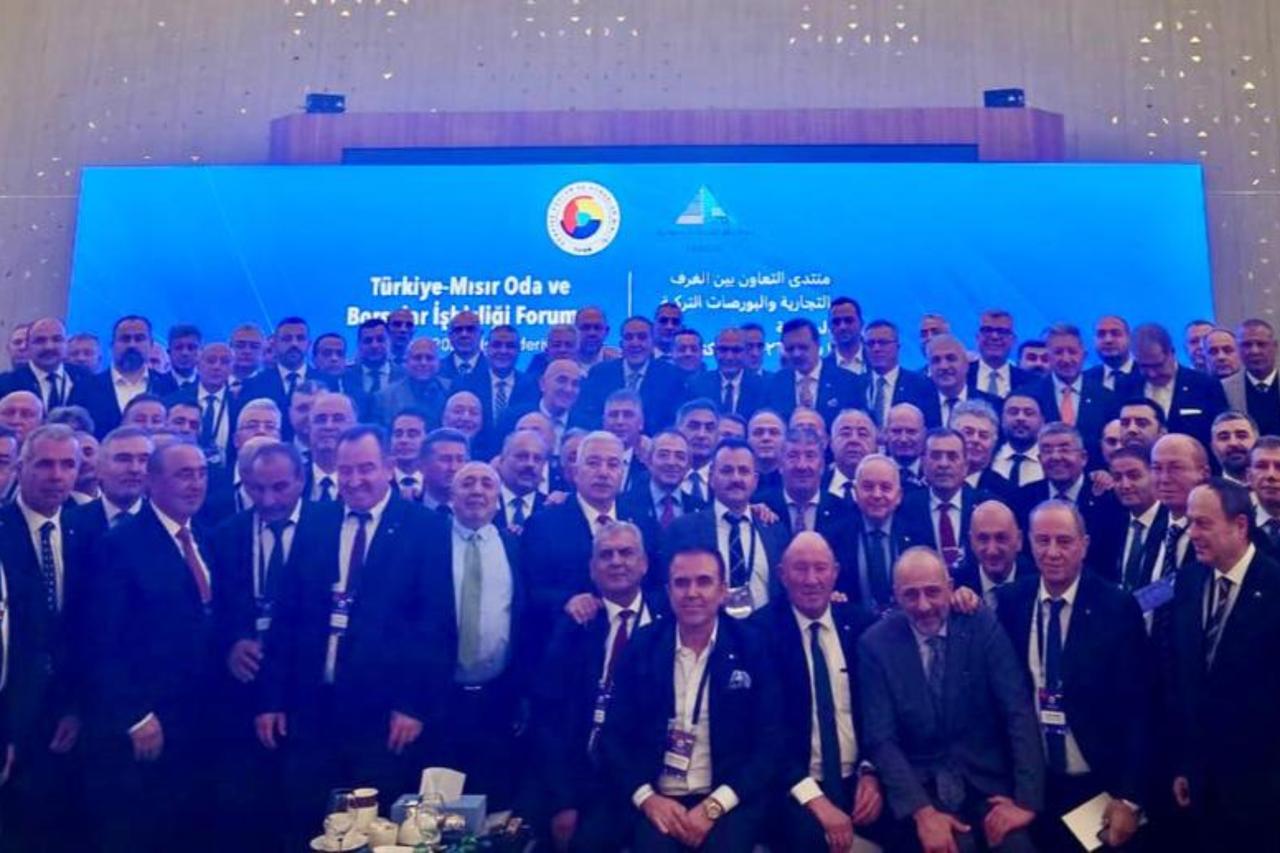
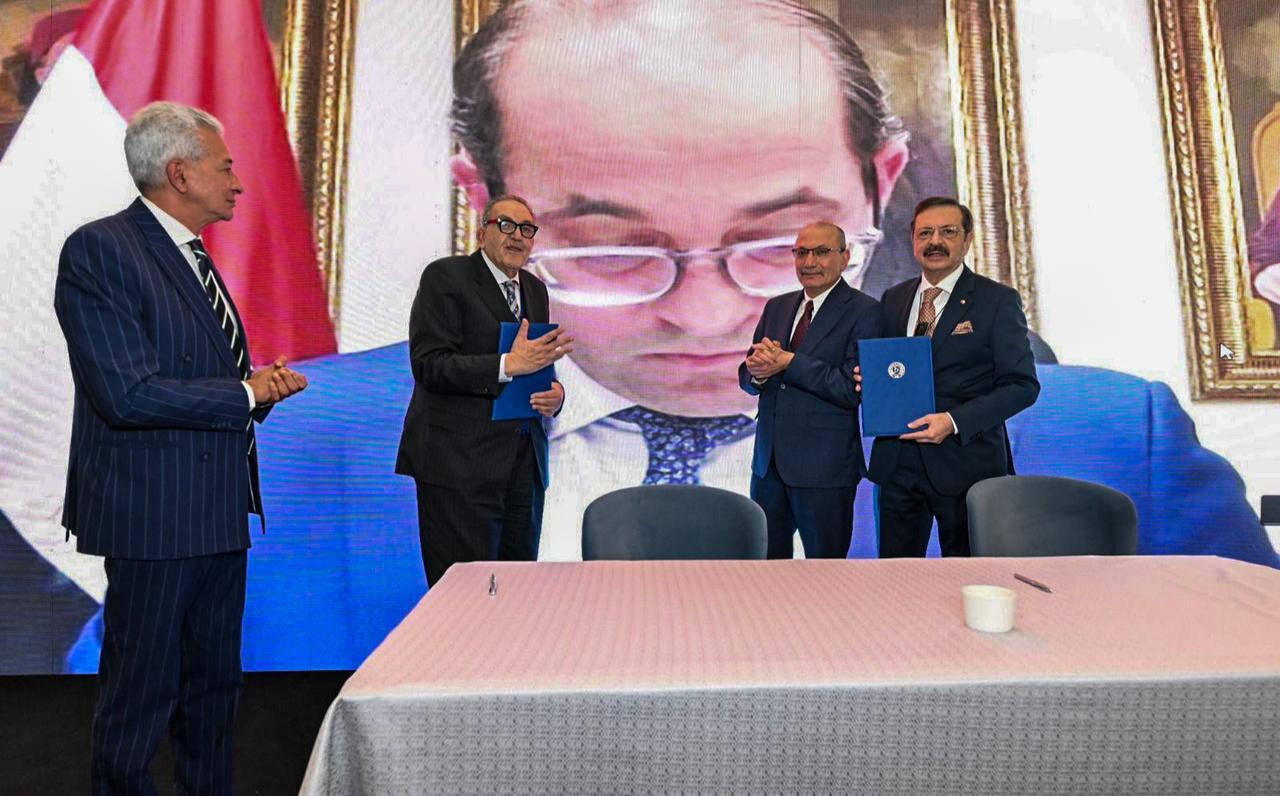
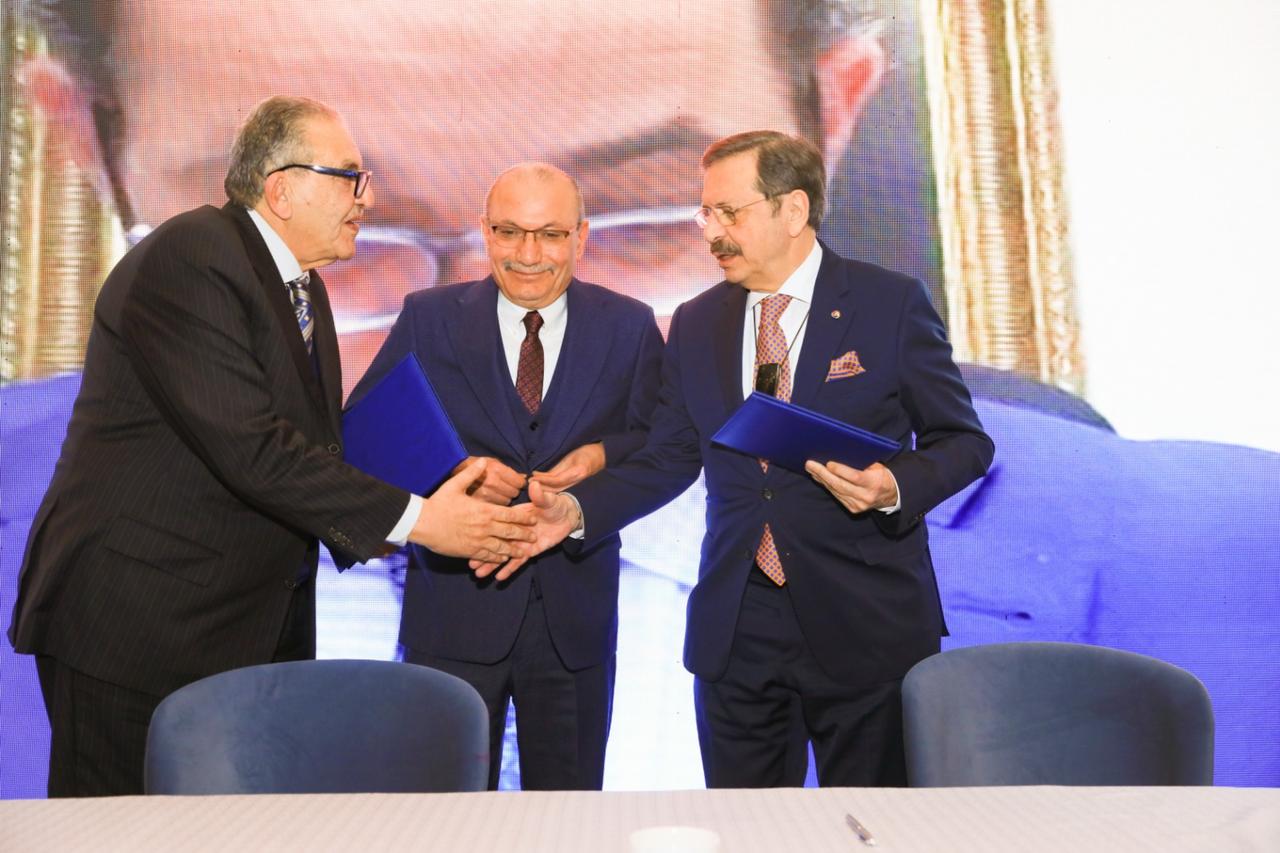
This came as the Türkiye-Egypt Chambers and Commodity Exchanges Cooperation Forum was held on Monday in Egypt, bringing together around 200 representatives from Türkiye and more than 100 from Egypt.
The forum, one of the most widely attended business meetings organized between Türkiye and Egypt, took place at the Turkish Rixos Hotel in the coastal city of El Alamein in northern Egypt.

He also noted plans to establish a Turkish industrial zone in Egypt to house Turkish companies, and to link Egypt’s chambers of commerce in the 27 governorates with their counterparts in Türkiye to strengthen mutual cooperation.
He added that Türkiye ranks second globally in infrastructure, and that the aim of the forum was to highlight what Egypt has achieved in recent years.
He explained that El Alamein was chosen to host the forum because of its global tourism status, with the goal of promoting it both locally and internationally.
A wide wage gap is increasingly shaping Turkish investment decisions, with officials saying it is helping draw factories toward Egypt.
The secretary-general said more than $22 billion worth of partnership opportunities are available between Egypt and Türkiye, noting that one factor behind Egypt’s appeal is Türkiye’s sharp rise in labor costs after the minimum wage was raised to $800.
“Türkiye’s decision to raise wages to $800 is not economically viable in many sectors, such as ready-made garments and the spinning and textile industry,” he said.
By contrast, Egypt’s minimum wage is around $180, a cost difference that has encouraged some Turkish manufacturers to relocate to Egypt and created room for new industrial opportunities, particularly in apparel and electronics, as investors seek to capitalize on local advantages.
Recently, Adel Lamei, head of the Egyptian-Turkish Business Council, said Turkish labor-intensive companies and factories in Egypt number nearly 300, employing 52,000 workers and staff. He added that Turkish investments in Egypt total $5.1 billion.
In remarks to the Middle East News Agency, Lamei said Egyptian-Turkish economic relations are historical, and that ties between the two countries deepened in 2005 after the signing of a partnership agreement.
The Suez Canal Economic Zone is receiving special attention from Turkish investors due to its strong infrastructure and capabilities, in addition to professional management and investor support incentives, according to the Turkish ambassador in Cairo, Salih Mutlu Sen.


 Set as preferred source
 Set as preferred source


 1 min read
 1 min read