Newsletters




Türkiye’s state-owned energy company, Turkish Petroleum Corporation (TPAO), has secured licenses to explore for oil and gas across five sites in Pakistan, as part of a new energy and mining cooperation framework announced during high-level meetings in Islamabad, Energy and Natural Resources Minister Alparslan Bayraktar said Tuesday.
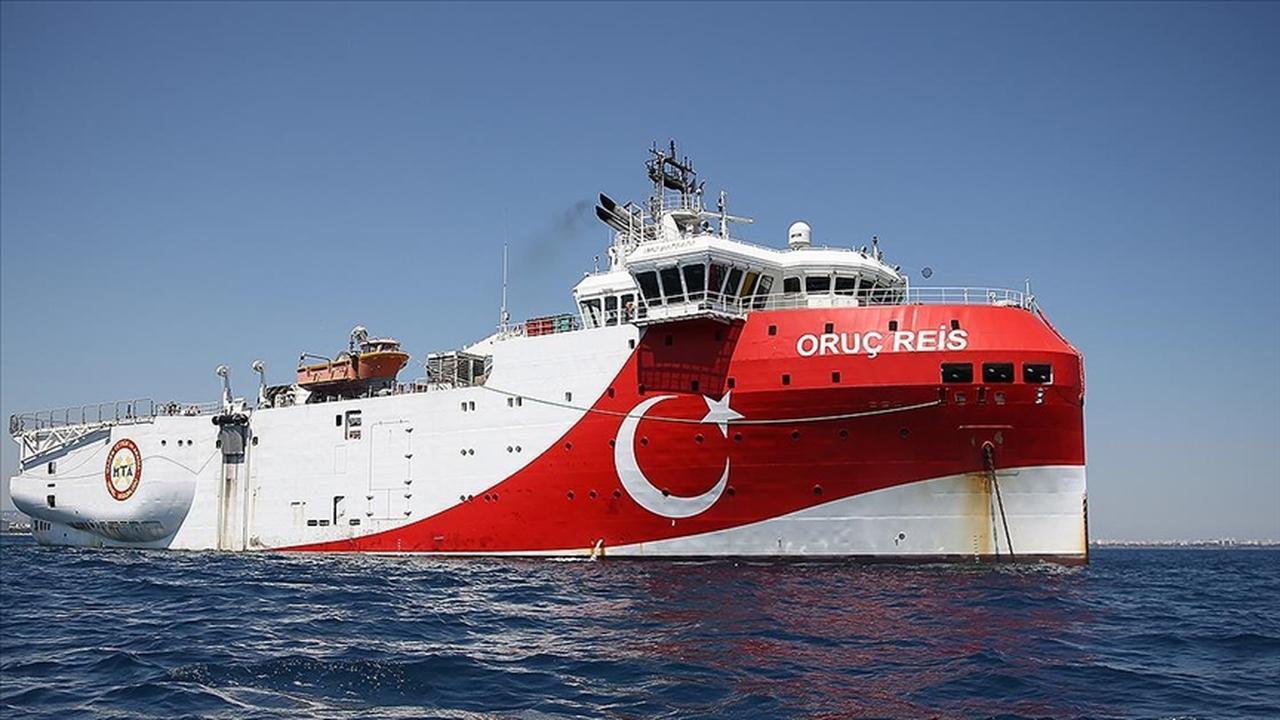
According to Bayraktar, TPAO will carry out joint exploration operations in three offshore and two onshore fields beginning in 2026. One of the offshore sites will be operated directly by TPAO, while the others will be developed in partnership with Pakistan’s energy firms.
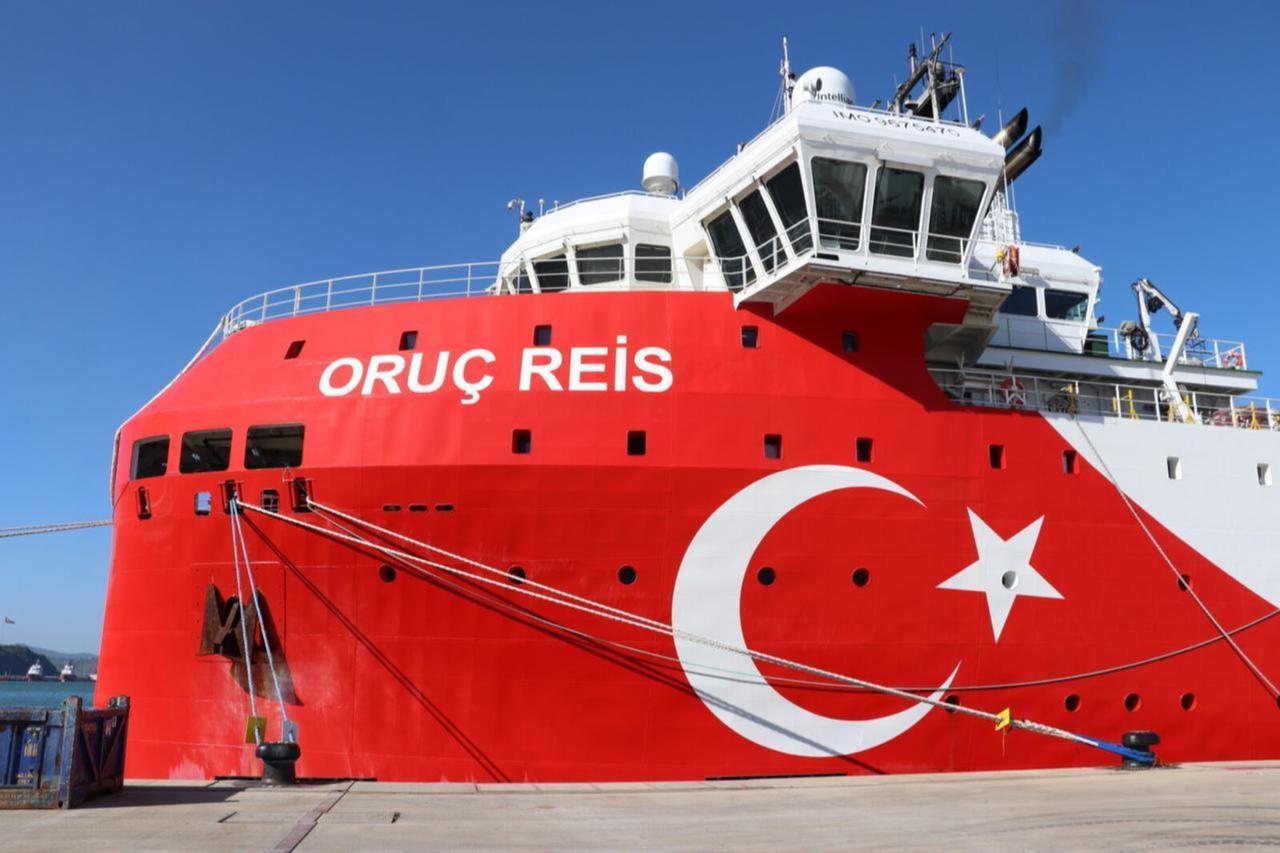
Pakistan will become another overseas destination in TPAO’s exploration portfolio, following partnerships with countries such as Azerbaijan, Iraq, Russia, Somalia, and Libya. TPAO currently operates a fleet of eight exploration vessels, comprising six deep-sea drilling ships, including two recently acquired vessels, and two seismic research vessels, ranking it as the world’s fourth-largest state-owned offshore energy fleet.
The deal was formalized following talks between Minister Bayraktar and several senior Pakistani officials, including Prime Minister Shehbaz Sharif, Minister of Petroleum Ali Pervaiz Malik, and Minister for Energy (Power Division) Sardar Awais Ahmad Khan Leghari.
Under the arrangement, Türkiye’s TPAO will partner with six Pakistani companies—Mari Energies, Fatima, OGDCL, PPL, Prime, and GHPL—to conduct hydrocarbon exploration and production activities. These collaborations will focus on both offshore and inland basins deemed to hold untapped potential.
Bayraktar said seismic survey vessels are expected to arrive in Pakistani waters in 2026 to initiate both geological mapping and drilling operations within the same year. He described the effort as one that holds "concrete results" for Türkiye-Pakistan cooperation.
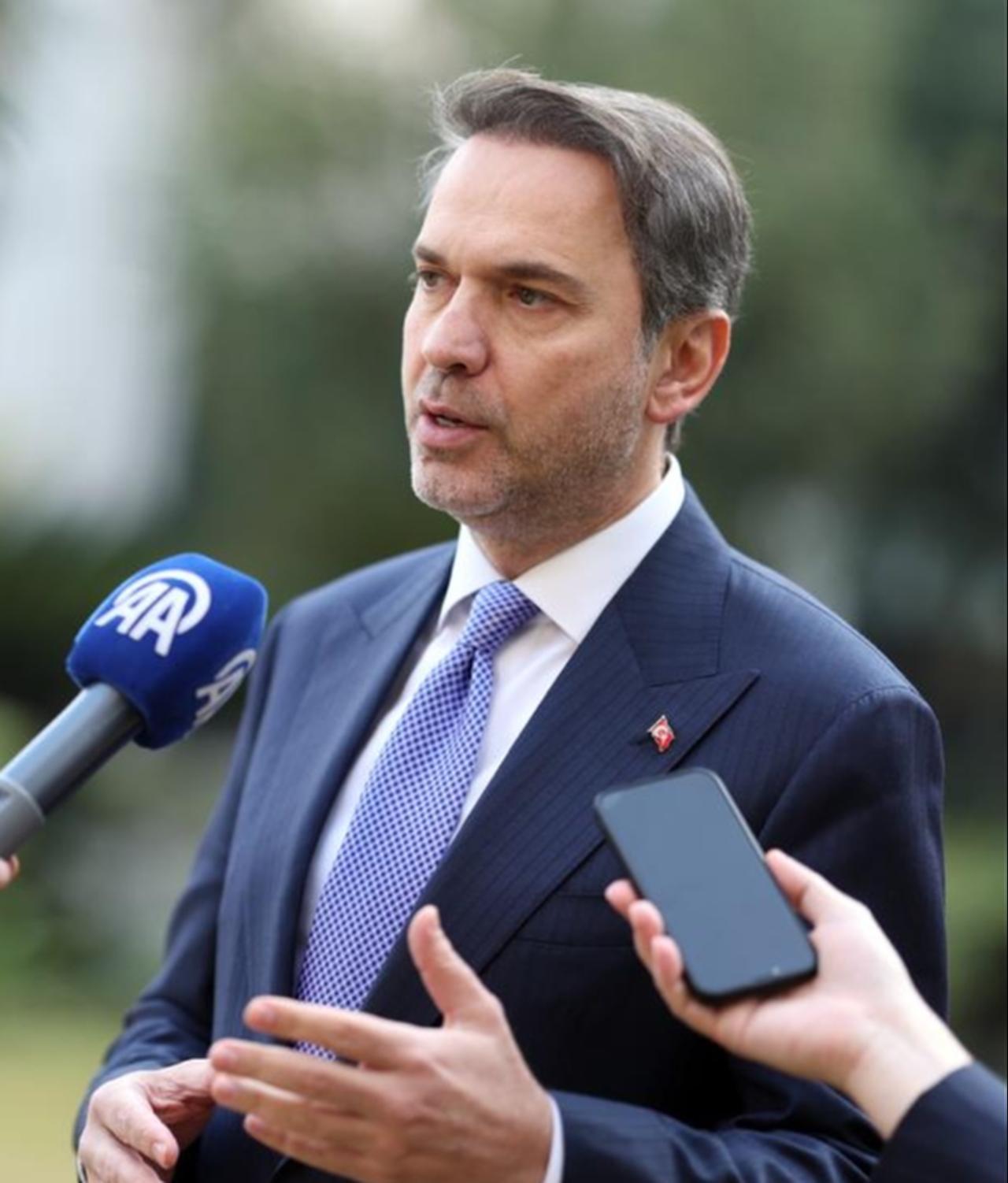

Beyond oil and gas, the two countries have also laid the groundwork for mining cooperation, Bayraktar said, stressing that Pakistan’s diversity of mineral resources and underexplored reserves as a promising frontier.
Türkiye intends to engage in mining operations through its state-run institutions, primarily MTAIC and Eti Maden, in coordination with local partners. These activities are expected to be modeled on Türkiye’s existing mining engagements in Africa and Central Asia, and are slated to begin in the near future.
"Our decision to initiate mining operations has been made," Bayraktar said, adding that plans are in place for Türkiye’s national mining companies to take a more active role on Pakistani soil.
The energy and mining initiatives form part of a broader economic strategy to deepen commercial ties between the two countries. Bayraktar reiterated Türkiye’s commitment to advancing toward the trade volume goal of $5 billion, which was previously outlined by President Recep Tayyip Erdogan during his visit to Pakistan earlier this year.
Energy cooperation is viewed as a core driver of that goal, particularly through joint procurement opportunities for oil and liquefied natural gas (LNG), where both countries are major importers.
"We see energy and mining as key sectors to reach the $5 billion trade target," Bayraktar said, noting that a synergy in joint purchases could provide a pathway to surpass that benchmark. "We will continue to visit Pakistan more frequently going forward."


 Set as preferred source
 Set as preferred source


 1 min read
 1 min read