Newsletters


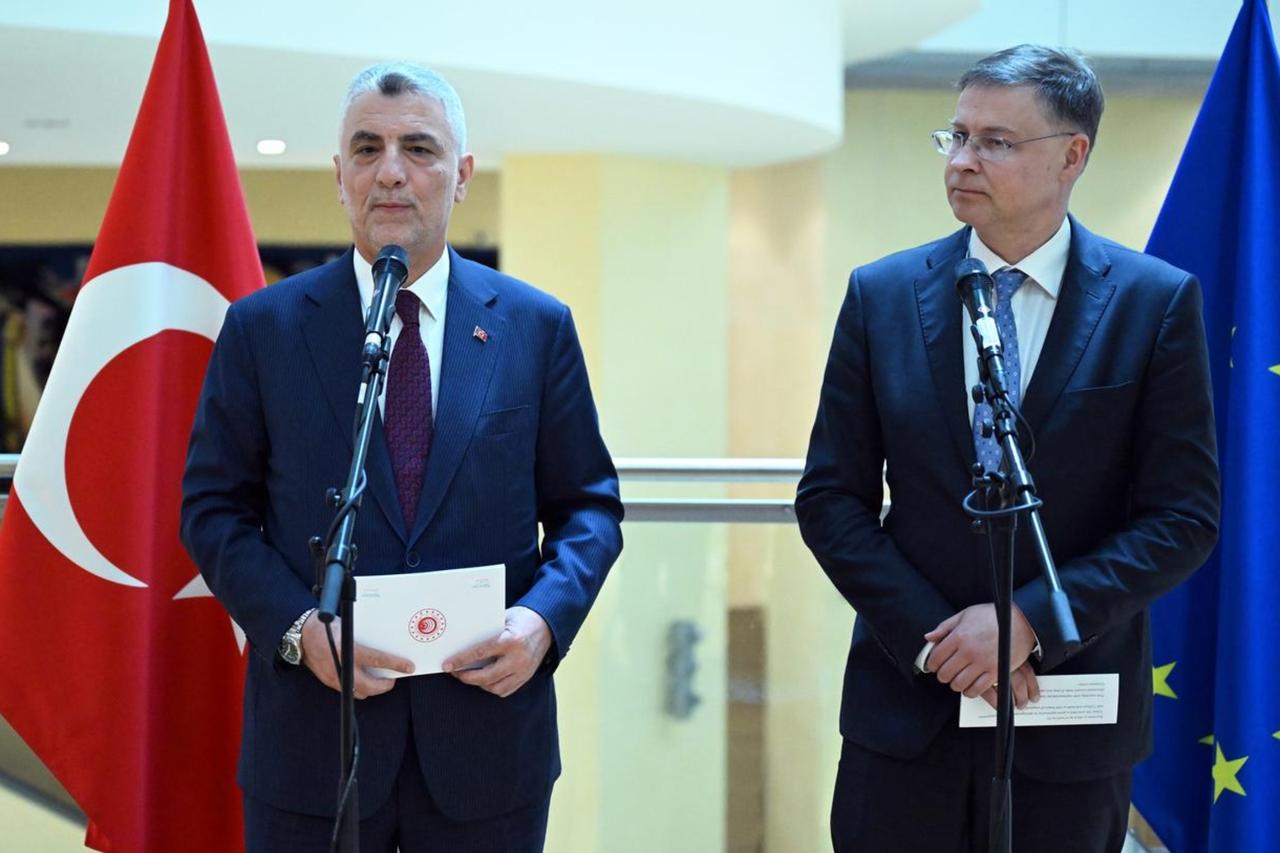


Türkiye's Trade Minister Omer Bolat has hailed the European Union's newly published Industrial Accelerator Act draft as a significant breakthrough for bilateral commercial relations, saying the legislation formally recognizes the Customs Union framework in a way that extends "EU origin" status in principle to Turkish-made goods.
The development, announced by Bolat on social media, comes after what he described as intensive and constructive diplomatic engagement with Brussels on economic and trade matters. The draft legislation, published on March 4, establishes that products originating in countries that have a customs union or free trade agreement with the EU can be treated as having "Union origin" for the purposes of public procurement and state support schemes, a provision that directly applies to Türkiye under its three-decade-old Customs Union with the bloc.
Bolat said the recognition of Türkiye's existing Customs Union within the Act's policy framework was "a positive and constructive decision for the continuity of investments and ventures on both sides and for the competitiveness of European value chains." He emphasized that the legal confirmation of EU origin requirements covering Türkiye in principle through the Customs Union constitutes "an important step for our commercial relations."
The minister's statement comes after an anxious period for Turkish industry. For months, Türkiye's automotive sector, its largest export industry, and other manufacturers deeply embedded in European supply chains had warned that exclusion from the Act's origin requirements could undermine the very logic of the Customs Union. Turkish industry leaders had argued that shutting out Turkish-made vehicles and components from the "Made in EU" designation would threaten the investment climate and erode the structure's core function.
President Recep Tayyip Erdogan personally intervened in the matter, writing to European Commission President Ursula von der Leyen to caution that treating Türkiye as a third country under the framework could produce unintended consequences for regional value chains. EU Enlargement Commissioner Marta Kos sought to ease those concerns during a visit to Ankara in early February, indicating that the initiative did not exclude Türkiye and that discussions were ongoing.
The Industrial Accelerator Act itself underwent repeated delays, originally scheduled for December 2025 before being pushed back multiple times amid internal EU disagreements over how far the bloc should go in prioritizing locally produced components. The European Commission ultimately published the proposal on March 4, positioning it as a cornerstone of the Clean Industrial Deal strategy first outlined in February 2025.
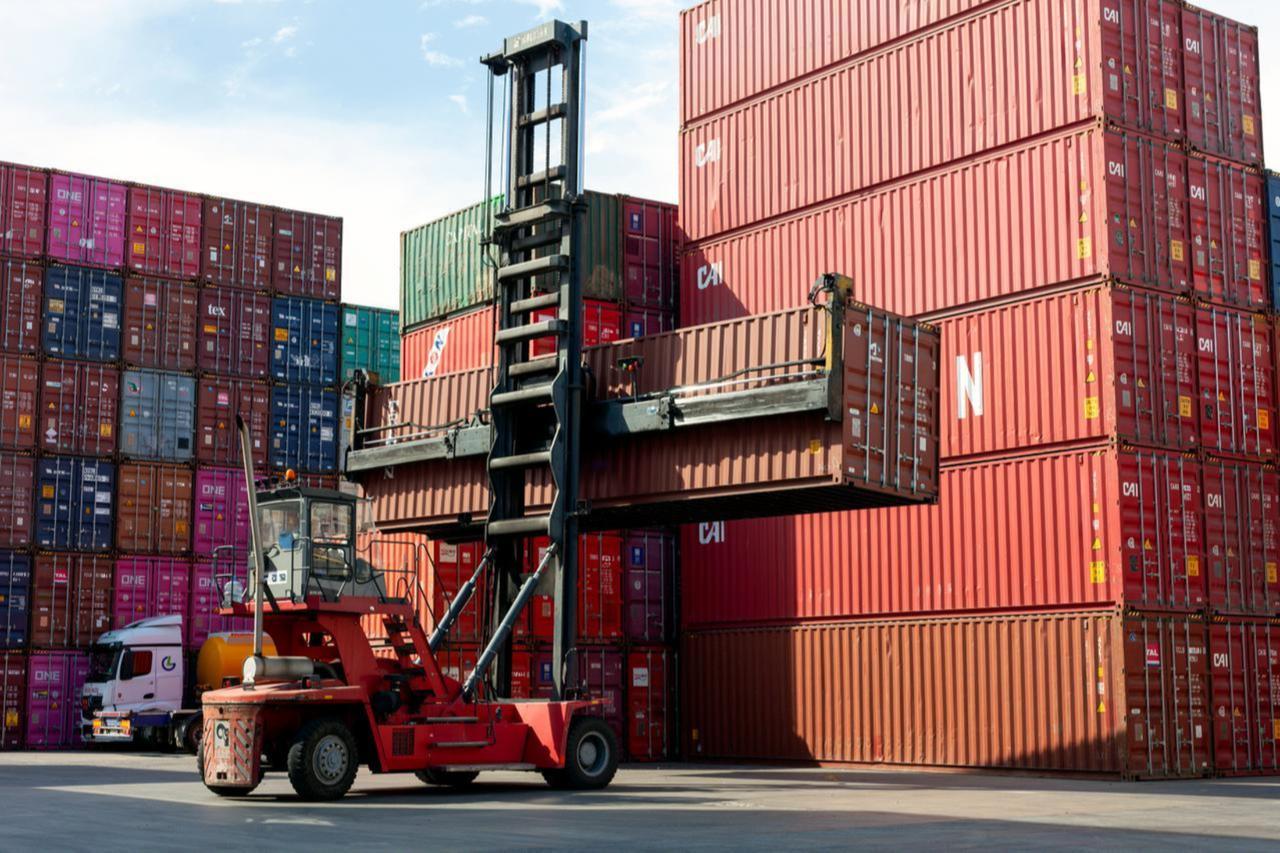
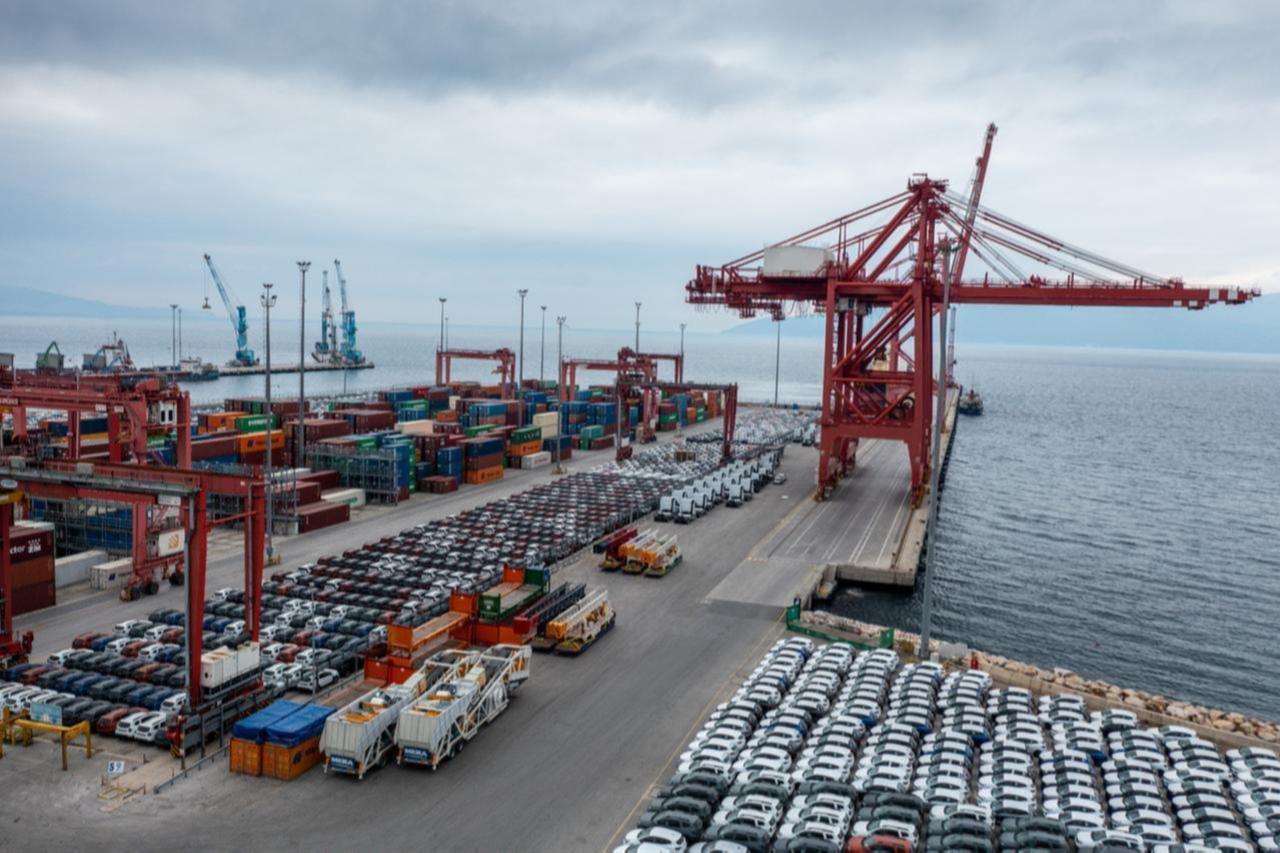
Türkiye's argument for inclusion rested on the depth of its industrial ties with Europe. The EU-Türkiye Customs Union, in force since January 1, 1996 under Association Council Decision No. 1/95, eliminates tariffs and quantitative restrictions on industrial goods moving between the two sides and requires Türkiye to align with the EU's common external tariff. Bilateral goods trade reached a record high of over 210 billion euros in 2024, with Türkiye ranking as the EU's fifth-largest trading partner. Motor vehicles, machinery and electrical equipment dominate trade flows in both directions, and approximately 41 percent of Türkiye's exported goods were destined for the EU last year.
Bolat underscored this integration in his statement, noting that Türkiye is "an inseparable and reliable part of European value chains in many critical product groups, particularly the automotive sector." He said the development is expected to deepen sectoral integration further and accelerate the green and digital transformation of shared value chains.
Looking forward, the trade minister signaled that Türkiye intends to press for additional gains. He said Ankara would pursue reciprocal opening of public procurement markets, an area historically excluded from the Customs Union's scope, as well as closer cooperation on connectivity and green transition.
"We will continue with determination to maintain close contact with the EU in visionary areas such as mutual opening of public procurement markets on a reciprocity basis, connectivity and green transition, and to deepen and further strengthen our economic partnership," Bolat said.
The Industrial Accelerator Act now faces negotiation between the European Parliament and the Council of the EU before it can be formally adopted and enter into force. The legislation targets energy-intensive industries such as steel, cement, chemicals and aluminium, as well as net-zero technologies and the European automotive industry, with an overarching goal of manufacturing reaching at least 20 percent of EU GDP by 2035. Its "Made in EU" and low-carbon requirements would apply to public procurement and public support schemes across these strategic sectors.
For Türkiye, whose automotive exports alone totaled $41.5 billion in 2025, the stakes of this legislative process remain substantial, and the question of how the Customs Union provision is implemented in practice will be closely watched by manufacturers on both sides of the relationship.


 Set as preferred source
 Set as preferred source


 1 min read

 1 min read