Newsletters





Türkiye ranks highest in Europe on a combined measure of poverty and deprivation, with 11.1% of its population affected, compared with the European Union's average of 6.1%, according to a new report.
The Economic Policy Research Foundation of Türkiye (TEPAV) found that 17.6 million people, or 20.9% of the population, experienced multiple deprivation in 2025, despite a 72% rise in real median income between 2019 and 2025.
Based on Turkish Statistical Institute (TurkStat) data, the study highlights how rising incomes have failed to translate into comparable improvements in living conditions.
The share of the population below the relative poverty threshold fell from 21.3% in 2019 to 4.2% in 2025. Yet the proportion unable to afford a meal containing meat, chicken or fish every other day rose from 33.6% to 35.1%.
The report assesses deprivation across eight areas, including nutrition, housing, heating, health care, income and household employment. People facing deprivation in at least four areas qualify as multiply deprived, while those affected in at least five are considered severely deprived.
Overall, multiple deprivation fell from 25.3% in 2019 to 20.9% in 2025, while severe deprivation declined from 15.8% to 13%.
About 5.5 million people experiencing multiple deprivation, or 31.3% of the group, earn above the relative poverty threshold but still struggle to afford basic necessities. Because the threshold is based on median household income adjusted for household size rather than the cost of living, it does not necessarily reflect households' ability to cover essential expenses.
Among this group, 57.2% struggle to make ends meet, with high rents and living costs adding to the pressure, particularly in major cities.
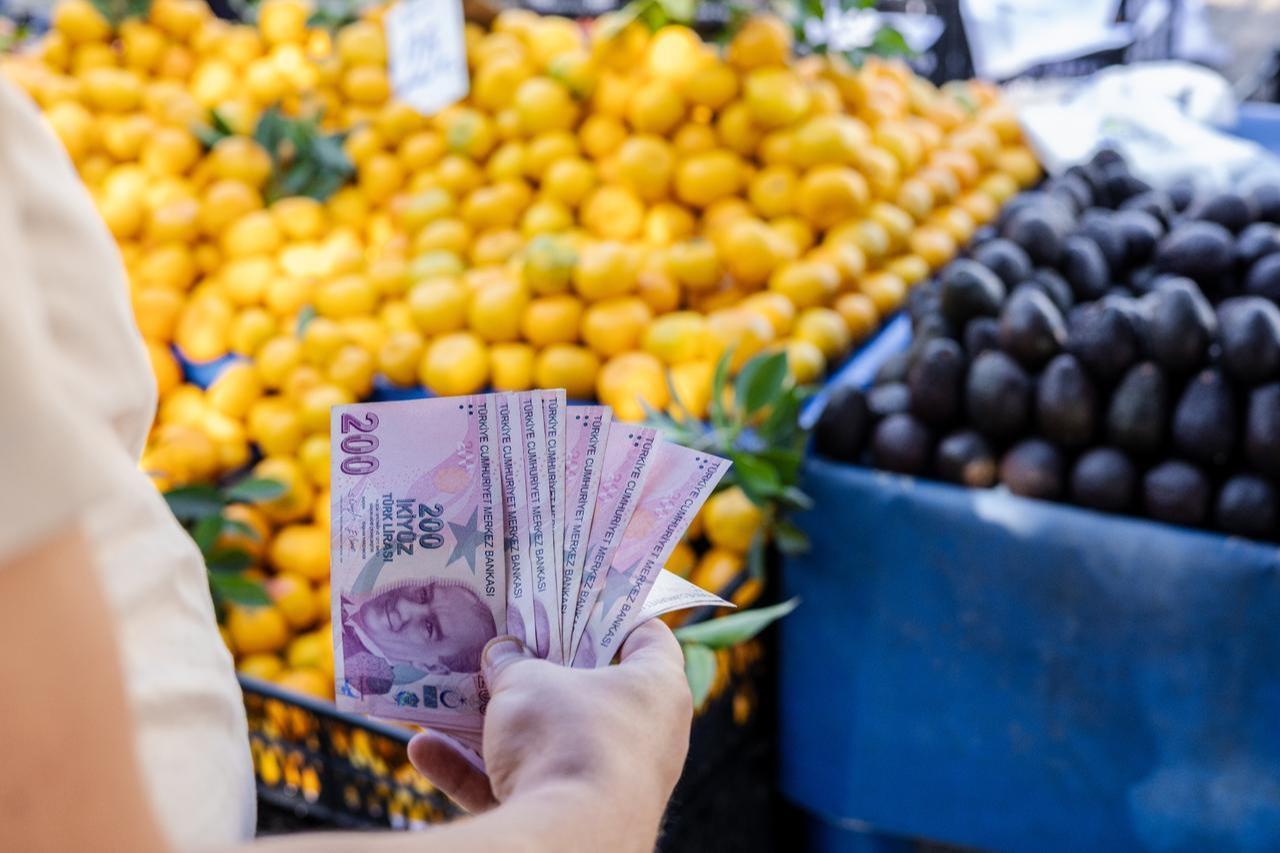

The pressure is particularly severe for single-parent families, households with four or more children, and those where the head is unemployed.
Children in larger families face especially difficult conditions, with 45.2% of those living in households with four or more children experiencing severe multiple deprivation, compared with 8% in households with one child.
For many, these difficulties also persist from one year to the next. According to the study, between 76% and 82% of people experiencing multiple deprivation continued to face the same conditions the following year.
The foundation recommended factoring access to food, heating, and housing, along with difficulties paying bills, into social assistance decisions instead of relying solely on household income.
It also proposed developing a score to assess household living conditions and setting a dedicated target for multiple deprivation in Türkiye's development plan.


 Set as preferred source
 Set as preferred source


 1 min read

 1 min read