Newsletters


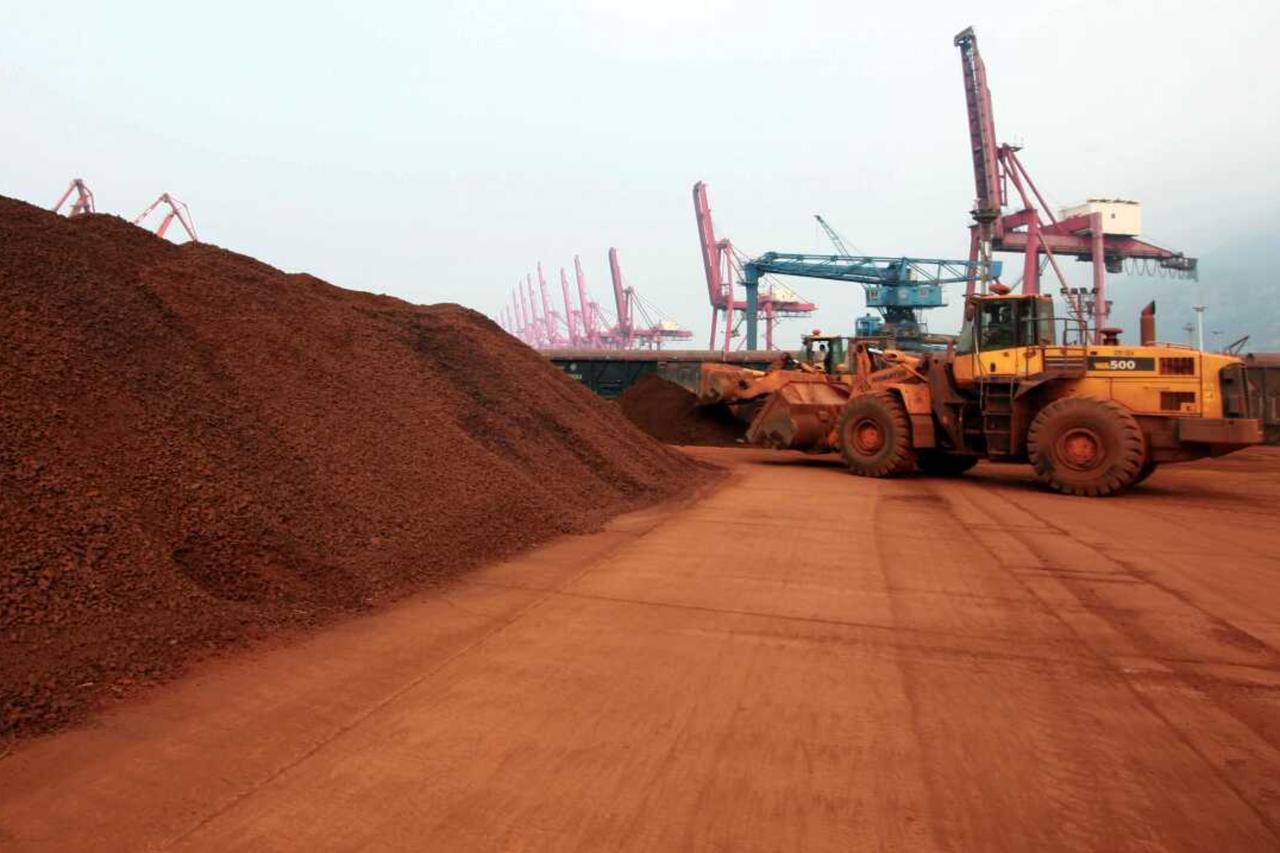


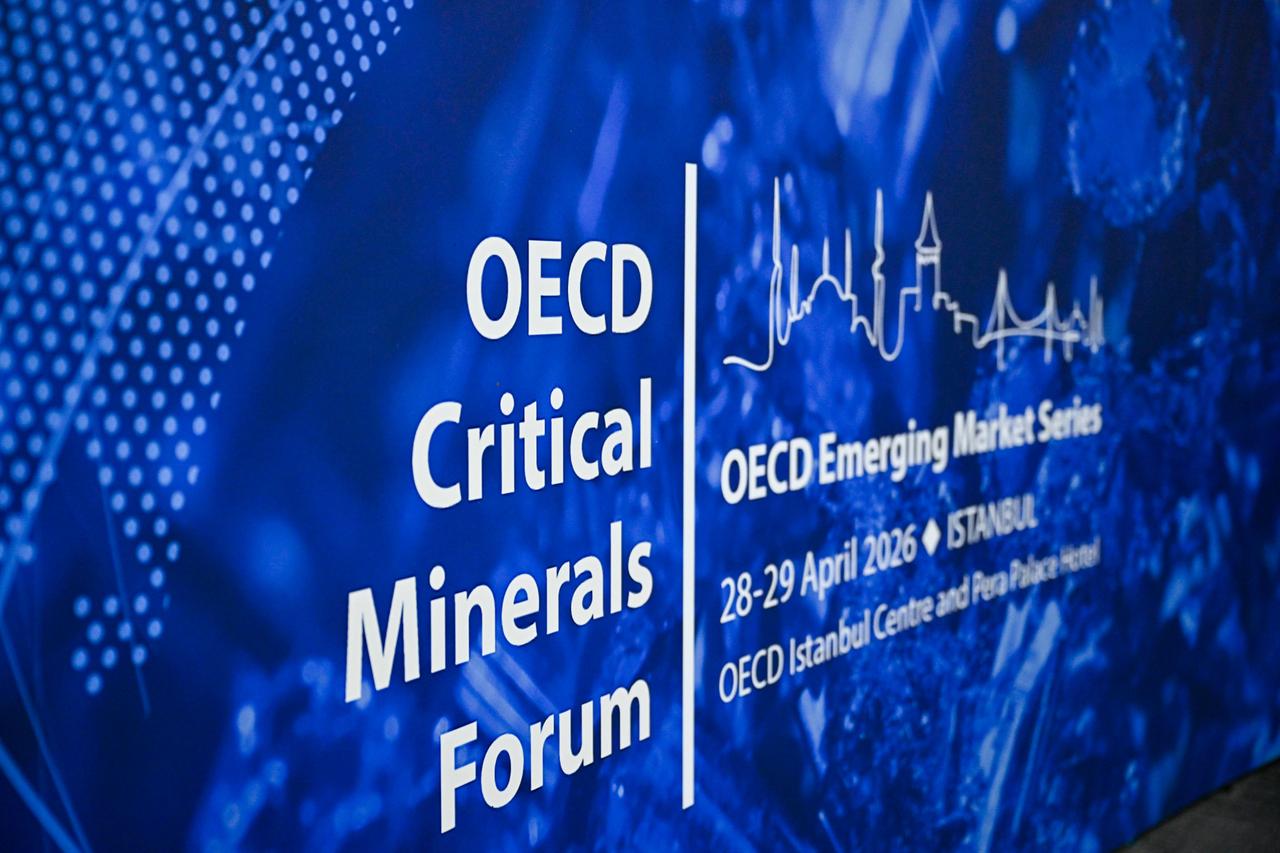
Turkish Energy and Natural Resources Minister Alparslan Bayraktar said that Türkiye would soon formally announce its comprehensive Critical Raw Materials strategy and that the Beylikova rare-earth elements project will be its "cornerstone". He was speaking at the Organization for Economic Co-operation and Development (OECD) Critical Minerals Forum in Istanbul on Tuesday.
The minister noted that the Beylikova rare earth elements deposits are believed to be "one of the world's largest of this kind."
Meanwhile, the OECD Secretary-General Mathias Cormann warned that export restrictions on critical minerals had risen from 3% of all measures in 2017-2019 to 36% by 2024.
Bayraktar stated that the Beylikova pilot facility was already operational, with industrial-scale production including separation and processing capabilities under development.
"We will produce rare earth oxides needed for permanent magnets in wind turbines and electric vehicle motors," he added.
He said Türkiye was building "a complete value chain, combining resource extraction with deep processing capacity and high-tech industrial value creation."
The minister confirmed that the Turkish state-owned mining and chemical company Eti Maden was working intensively with partners toward this goal and that a detailed roadmap based on the 2025 Critical and Strategic Minerals Report was being finalized.
Bayraktar framed the Hormuz closure as a direct illustration of the risks of concentrated supply chains.
"The hot topic of every energy meeting today is the war in Iran and the closure of the Strait of Hormuz. These developments show the world once again that the effects of regional conflicts are not limited to those regions; they affect the whole world," he noted.
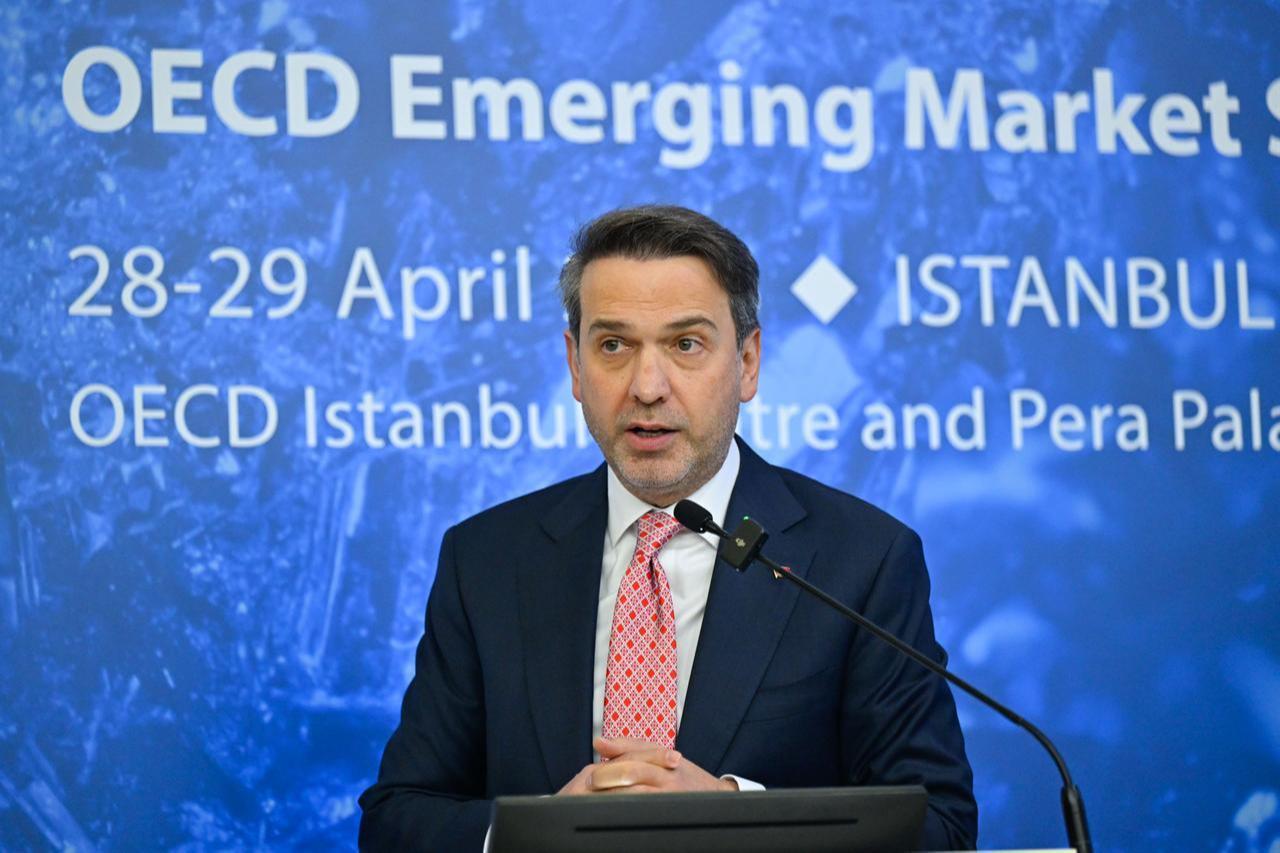

Cormann said at the forum that critical mineral production would need to rise from 10 million tons to 34 million tons to meet climate targets, with lithium demand from batteries and electric vehicles (EVs) alone rising 13-fold.
He said export bans and quotas had surged structurally, from 3% of all measures in 2017-2019 to 36% in 2024, calling this "not a marginal but a structural shift."
"Open markets, new investment flows and real partnerships between producer and consumer countries are needed. The OECD is ready to assist on all three fronts," Cormann said.
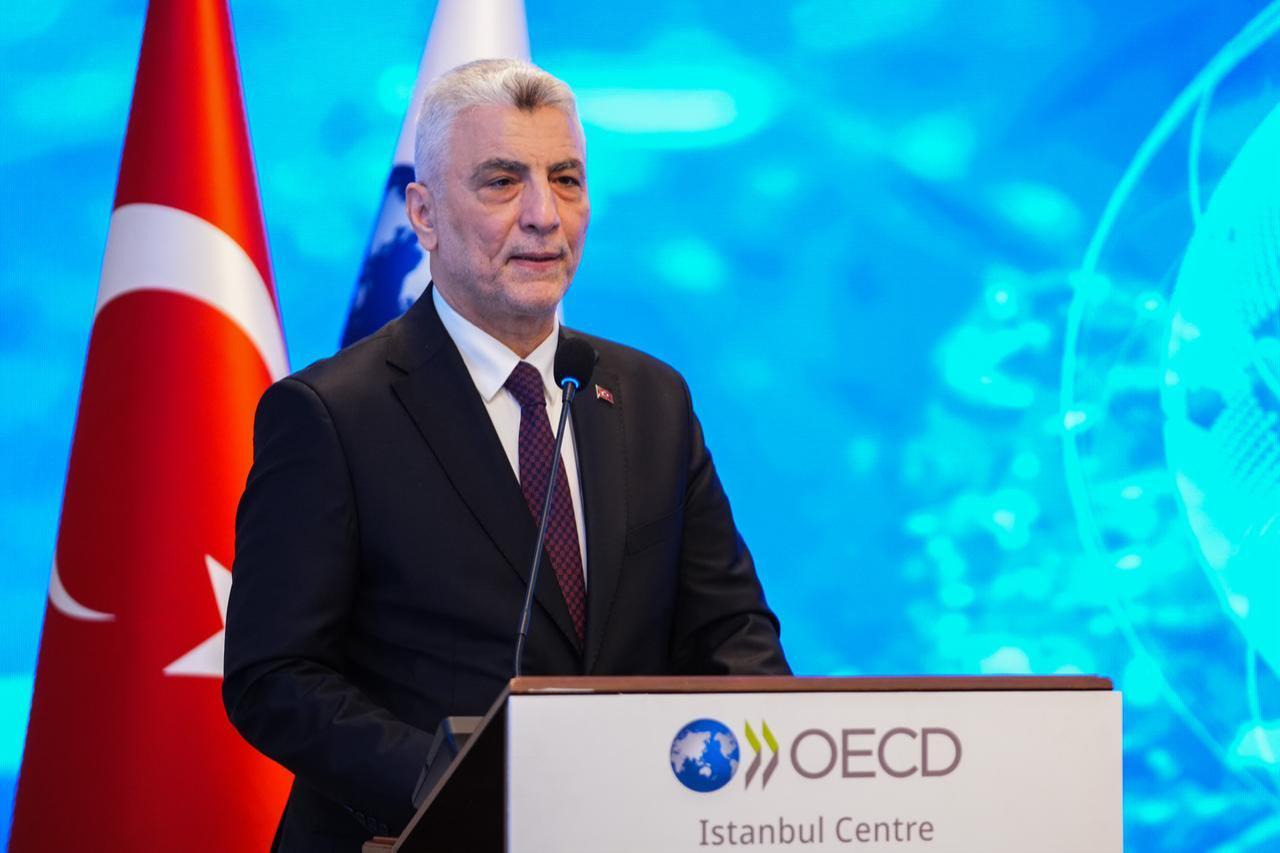
Turkish Trade Minister Omer Bolat stated that geopolitical tensions were "not just increasing but becoming more complex and permanent," with regional conflicts continuing to disrupt trade routes, raise costs, and erode predictability.
He said lithium demand had quadrupled in the past decade while rare earth and cobalt demand had doubled. Bolat warned that supply concentration, with the Democratic Republic of the Congo (DRC) supplying three-quarters of global cobalt, Australia and Chile covering half of lithium, created "strategic vulnerabilities for importers."
Bolat outlined four pillars for equitable critical minerals governance:
Speaking at the forum, Morocco's Energy Transition and Sustainable Development Minister Leila Benali said that more minerals must be extracted in the next 30 years "than in all of human history" and called for global mobilization against concentrated processing capacity.
She said copper production must rise 25%, cobalt 100%, and lithium more than 300% in the next six years.


 Set as preferred source
 Set as preferred source


 1 min read
 1 min read