Newsletters


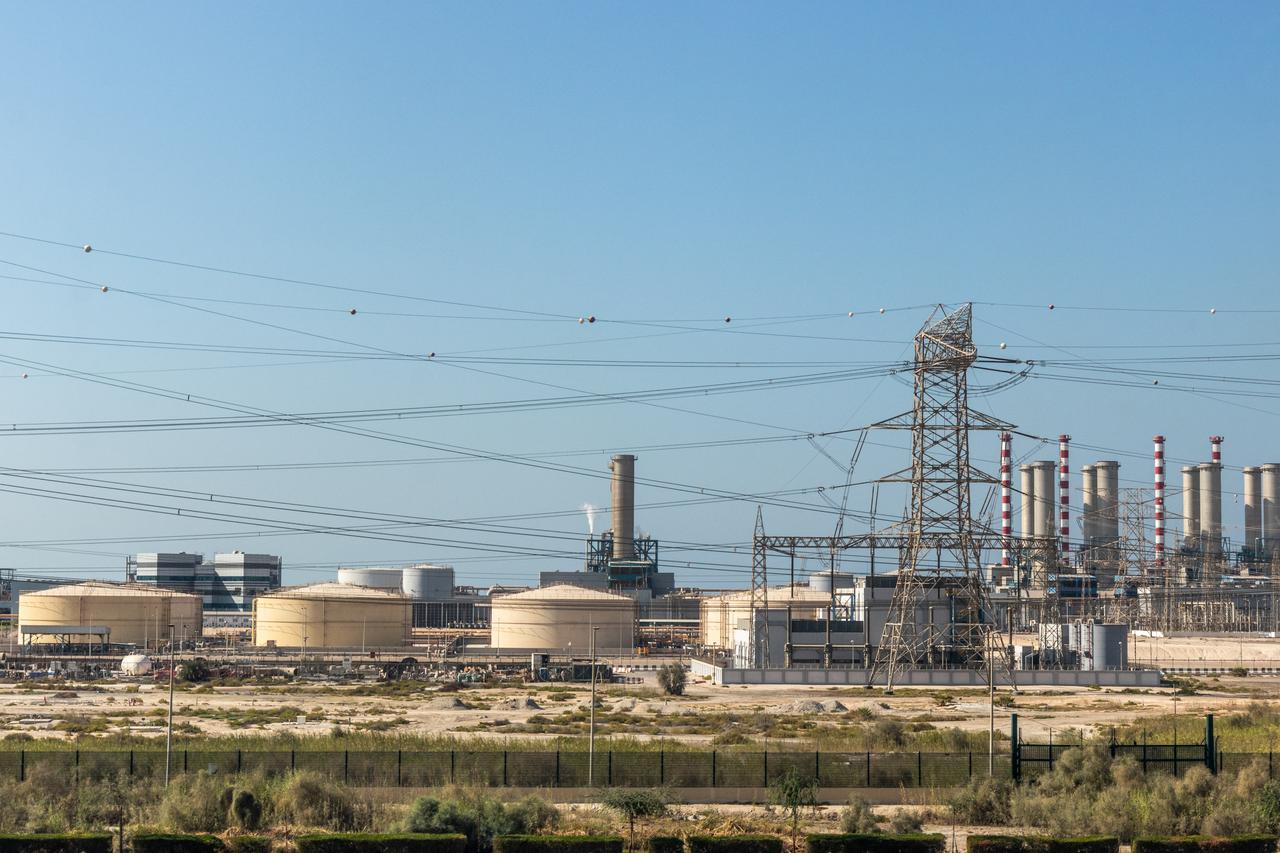


The United Arab Emirates pulled out of OPEC and OPEC+ on Tuesday, stepping away from the oil alliances in a move that rattles the producer bloc and comes as the Iran war continues to disrupt global energy flows.
The departure, effective from May 1, strips the group of a key Gulf member that had been part of the alliance since 1967 and puts pressure on its ability to act as a unified force, especially as supply routes and market stability remain under strain.
Energy Minister Suhail al-Mazrouei framed the exit as part of a broader strategic shift, noting that the country sees rising global demand for energy in the years ahead.
He described the decision as the right moment to reassess policy, adding that it will allow the UAE to work more flexibly with partners and investors across crude oil, petrochemicals, and gas.
Mazrouei also stressed that the timing was chosen to avoid major market disruption despite constraints around key shipping routes, calling the move an independent national decision rooted in long-term economic planning.
The UAE has been ramping up its oil output, reaching around 3.4 million barrels per day by December 2025, supported by higher OPEC+ quotas. The country is aiming to expand capacity to 5 million barrels per day by 2027.
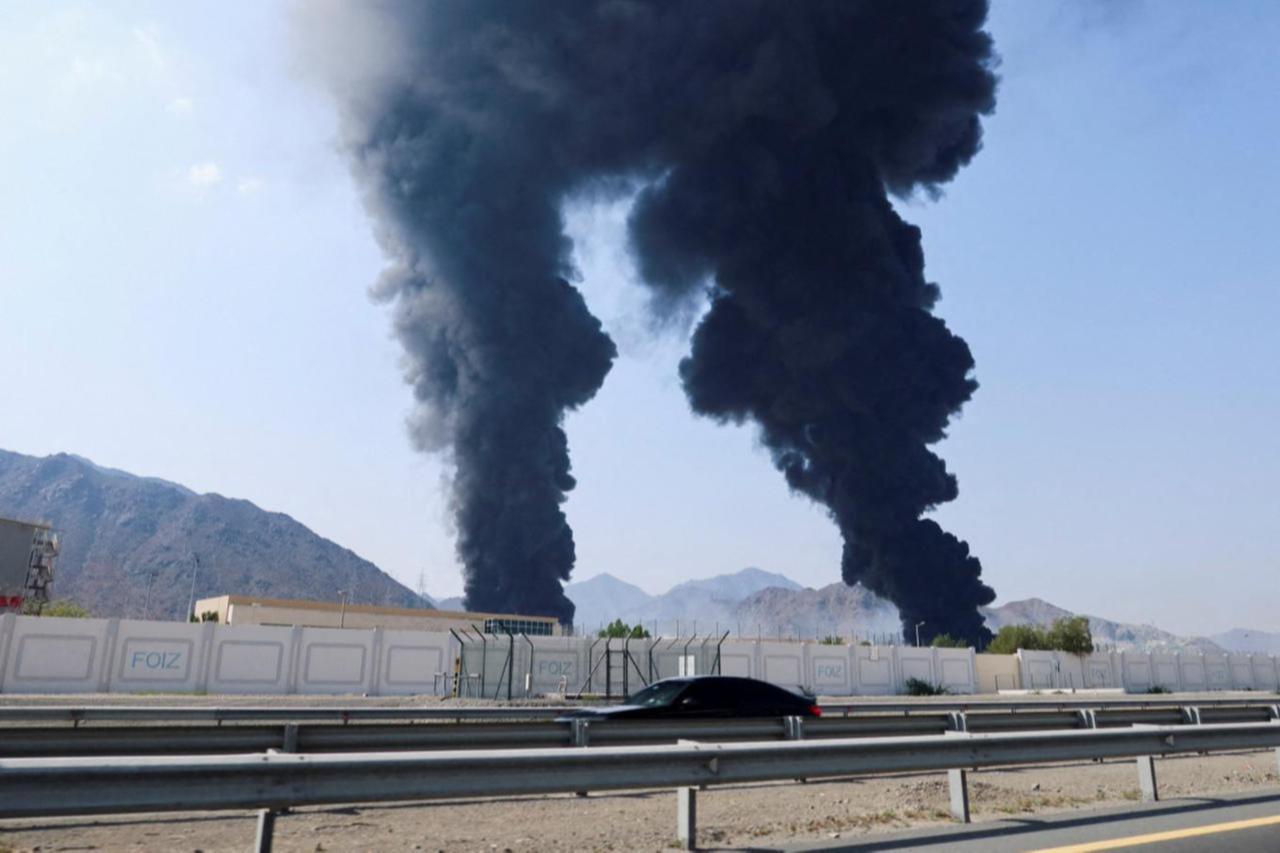
Its Fujairah terminal, capable of handling about 1.5 million barrels daily, plays a central role in maintaining export flows.
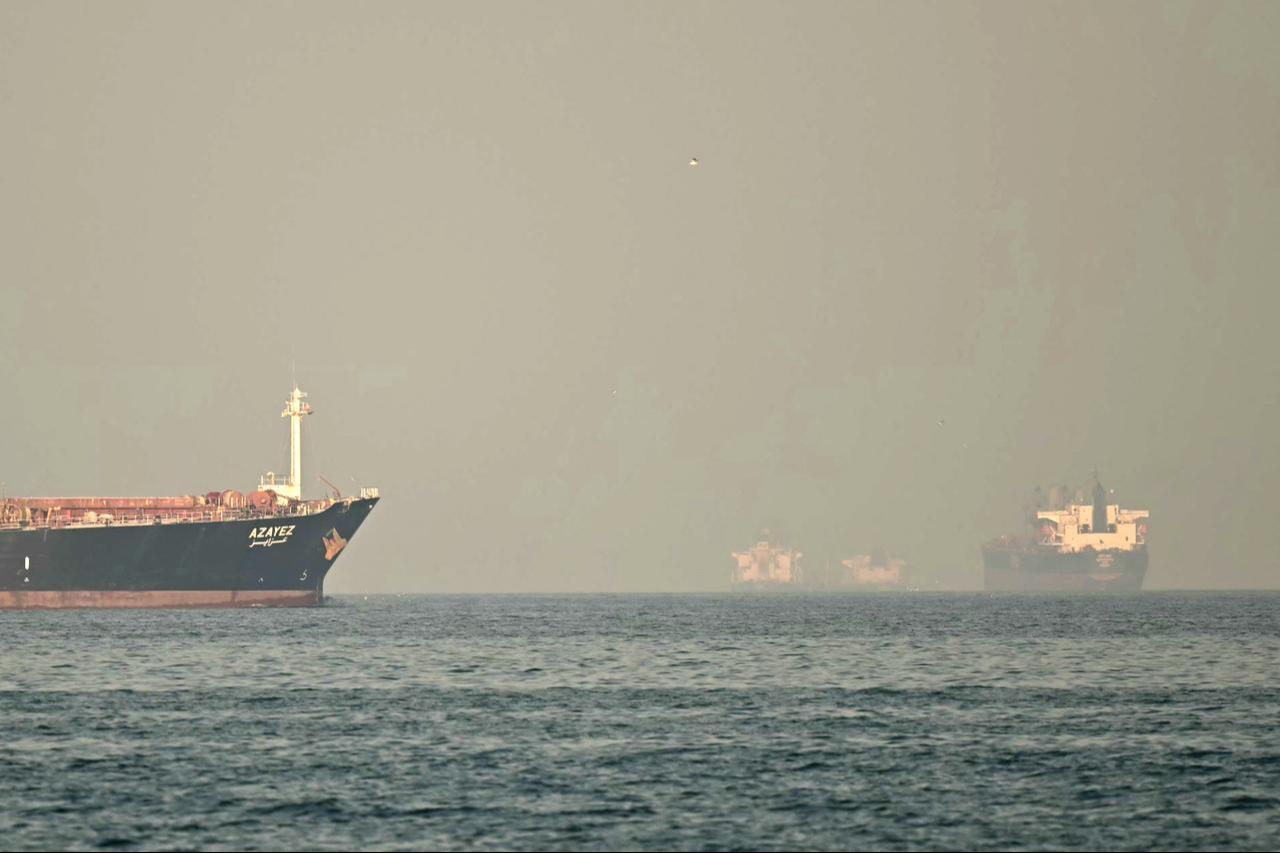

Oil producers in the Gulf have been struggling to move exports through the Strait of Hormuz, a critical chokepoint between Iran and Oman that typically handles about one-fifth of the world’s crude oil and liquefied natural gas.
Shipping risks have increased due to Iranian threats and attacks targeting vessels during the conflict, adding another layer of uncertainty to global markets.
The UAE’s decision followed growing frustration over a weak regional response to repeated Iranian attacks. Anwar Gargash, diplomatic adviser to the UAE president, pointed to gaps in political and military coordination across Gulf states during remarks at the Gulf Influencers Forum on Monday.
"The Gulf Cooperation Council countries supported each other logistically, but politically and militarily, I think their position has been the weakest historically," he said, adding that while limited backing from the Arab League was expected, the lack of stronger action from Gulf partners came as a surprise.


 Set as preferred source
 Set as preferred source


 1 min read
 1 min read