Newsletters


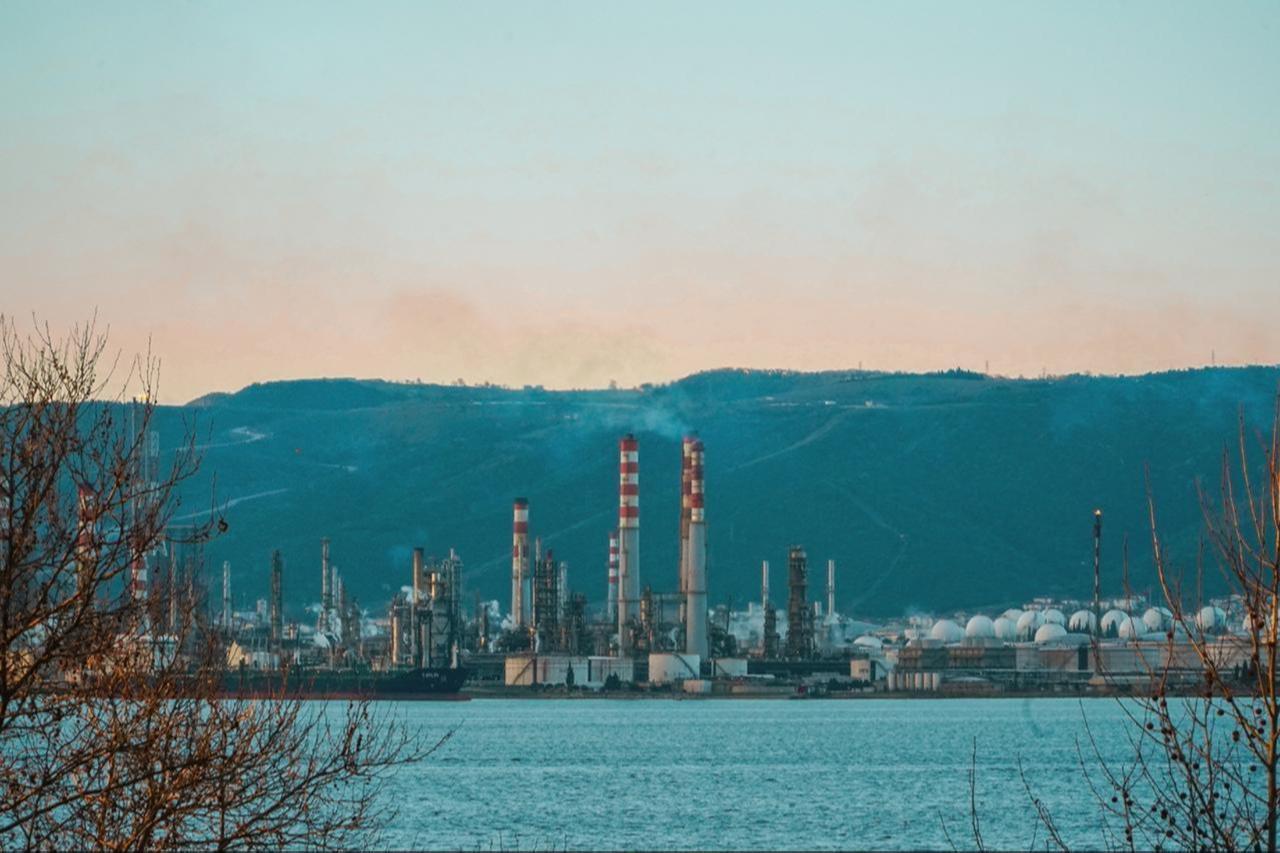


The Türkiye Wealth Fund is negotiating with international companies over a potential $10 billion petrochemical project, its chief executive disclosed on Wednesday, signaling the country's most ambitious push yet to reduce its heavy reliance on imported chemicals and raw materials.
TWF CEO Arda Ermut, speaking at a meeting of the Istanbul Chamber of Industry, said the fund has been conducting studies on the large-scale venture for some time and is now actively engaging foreign partners.
"In petrochemicals, we are in contact with international companies. It is a project worth a total of $10 billion," Ermut said, adding that the initiative "could move forward through a partnership structure or in the form of a cluster."
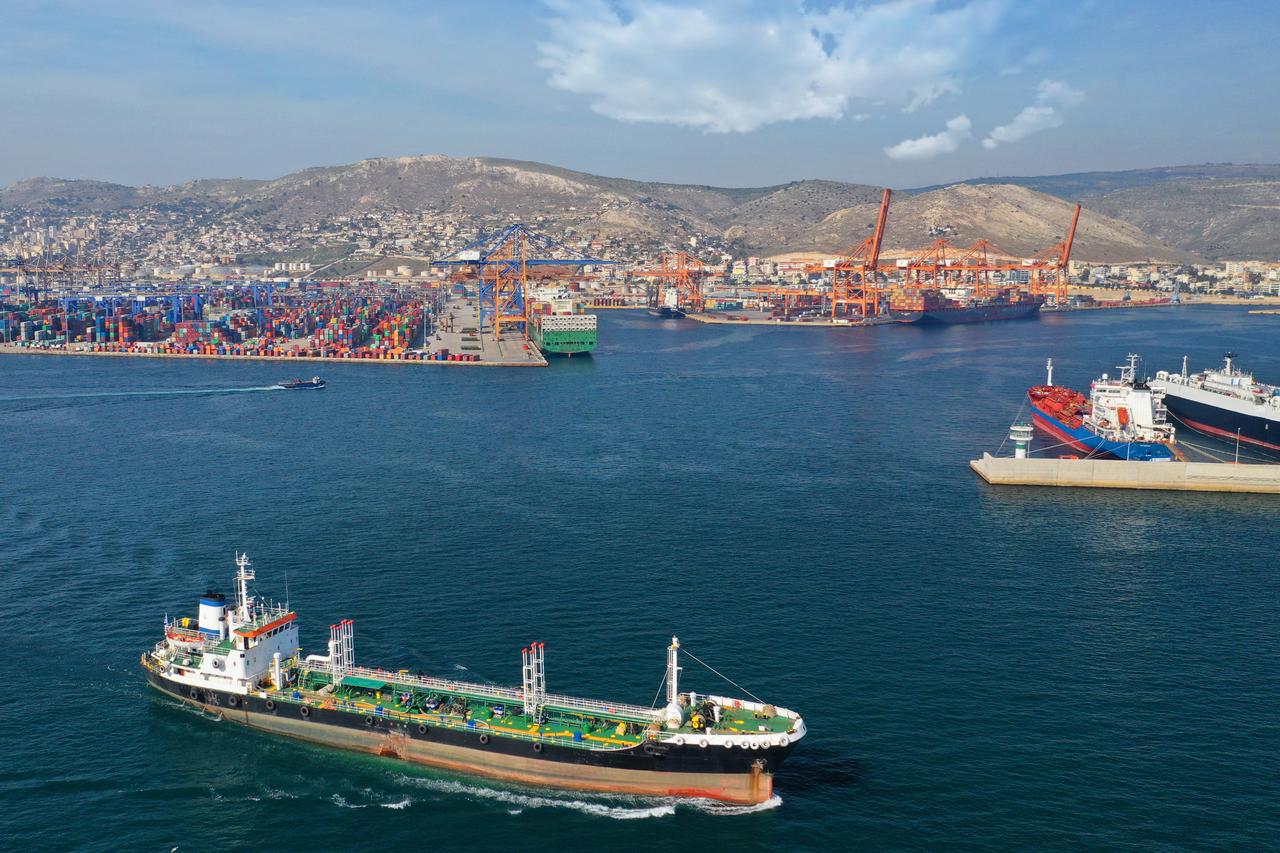

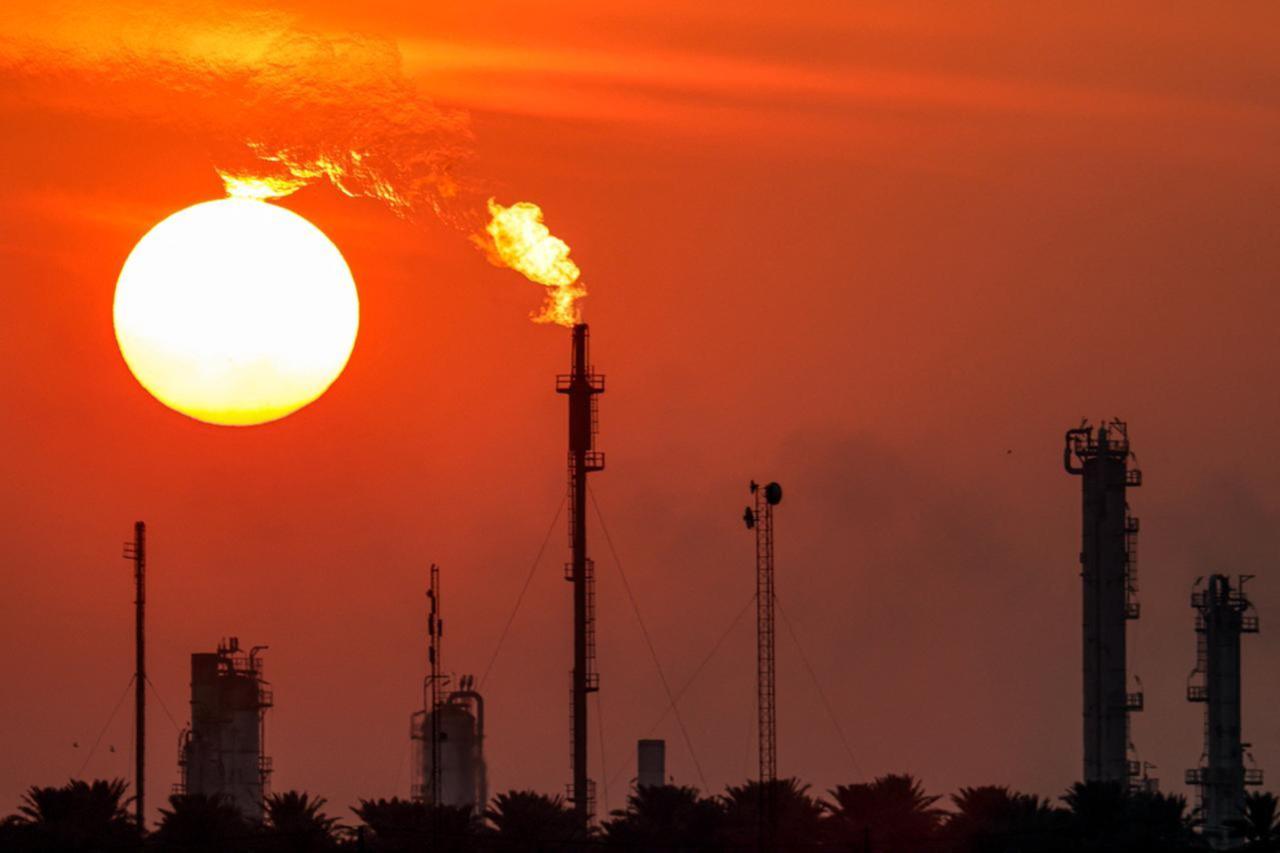
The scale of the proposed investment reflects the depth of Türkiye's structural gap in petrochemical production. The country currently meets less than 10 percent of its domestic petrochemical demand through local output, spending roughly $25 billion annually on imports in the sector.
A project of such magnitude could meaningfully narrow that deficit and support Türkiye's broader goal of strengthening its industrial base by producing key raw materials domestically rather than sourcing them from abroad.
The cluster model Ermut referenced would involve concentrating multiple interconnected production facilities in a single industrial zone, a configuration widely used in petrochemical hubs across the Gulf states and East Asia to drive down logistics costs and create supply chain efficiencies.
Beyond the domestic petrochemical push, Ermut outlined the fund's growing ambitions abroad. He said TWF is prepared to deploy its mandate for overseas investments when conditions are favorable, pointing to recently signed cooperation agreements with the Abu Dhabi sovereign wealth fund, Hungary, Oman, and Bank of China.
The fund aims to create joint investment vehicles with these partners to channel financing both into those countries and into third markets, Ermut told the gathering. He also revealed that TWF is working on a separate agreement with an unnamed international fund to invest in Turkish companies that show strong export potential, a move that could help channel foreign capital into the country's most competitive firms.
 1 min read
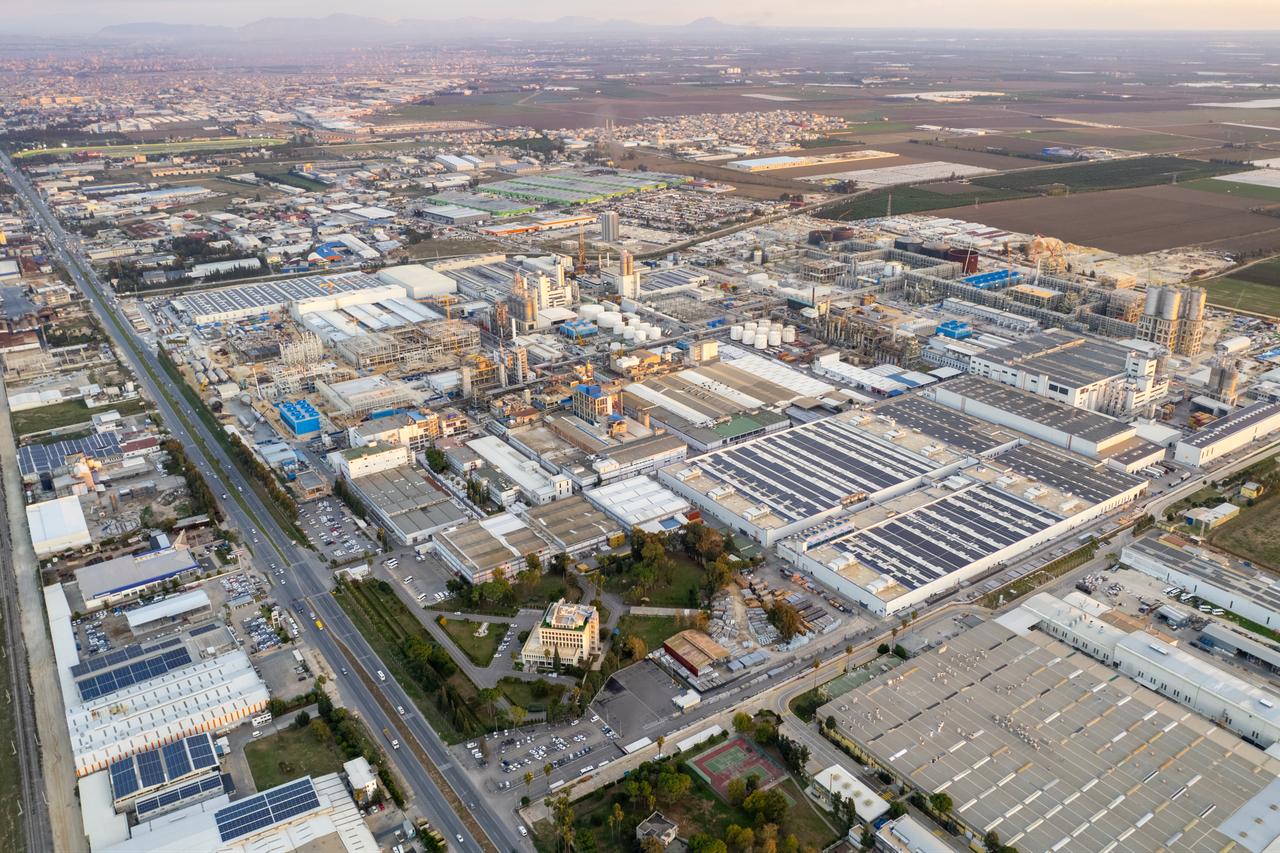
Established in 2016, TWF was created to manage state-owned assets and channel strategic investments into economic development. Its portfolio has since grown to encompass 34 companies, two licenses, and dozens of real estate holdings across sectors including finance, energy, transportation, telecommunications, and mining.
Consolidated assets reached 12.7 trillion Turkish lira, approximately $360 billion, by the end of 2024, placing the fund among the world's ten largest sovereign wealth funds for the first time.
The fund's recent acquisitions include Turkish Gold Mining, making TWF the owner of the country's largest gold producer. On the financing side, TWF has been active in global capital markets, raising close to $5 billion between early 2024 and mid-2025 through a combination of Eurobonds, sukuk, murabaha agreements, and syndicated loans.
The petrochemical venture, if realized at its projected scale, would be one of the single largest industrial investments in Türkiye's history and a defining test of TWF's ability to attract major international co-investors into capital-intensive domestic projects.


 Set as preferred source
 Set as preferred source


 1 min read