Newsletters


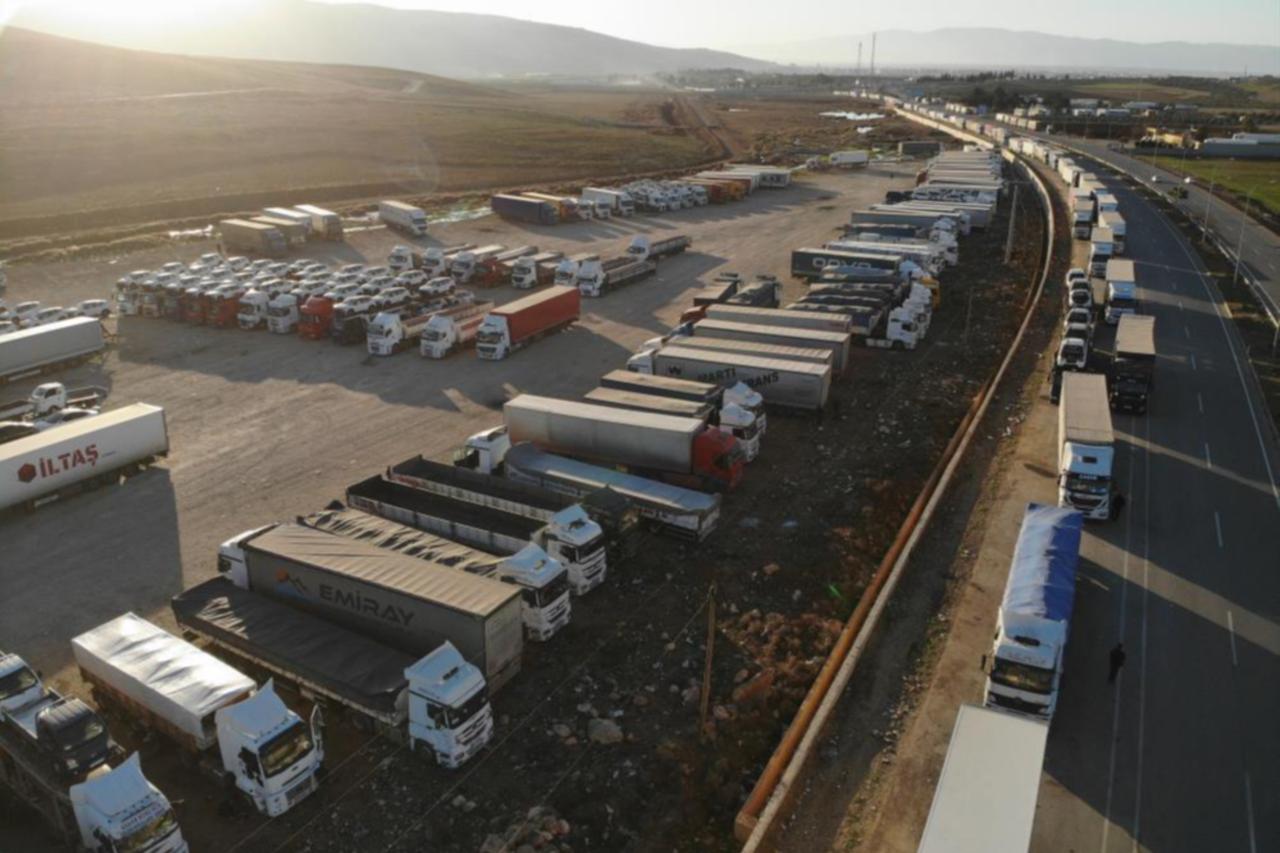


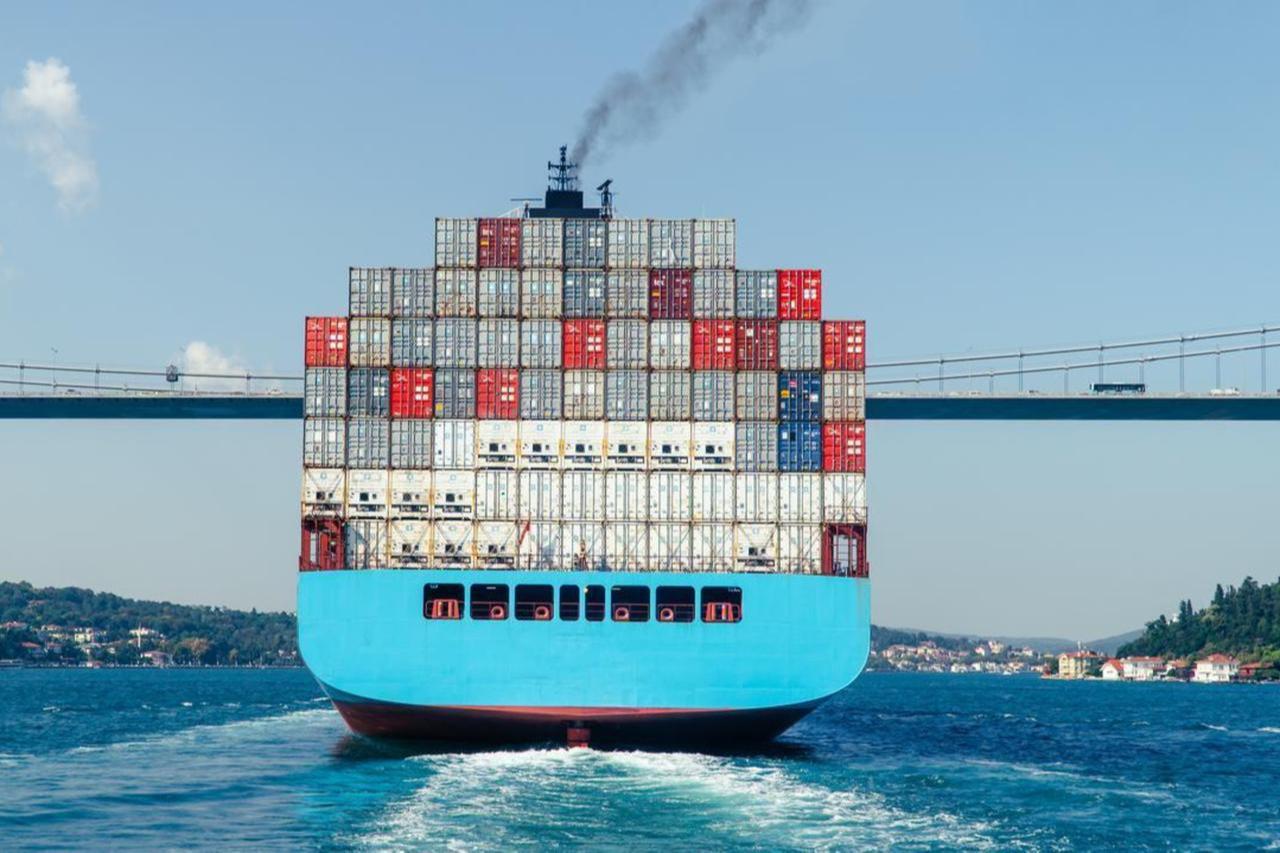
Türkiye exported $2.57 billion worth of goods to Syria in 2025, a sharp rise following the fall of the Baath regime in December 2024, according to the Turkish Exporters Assembly.
Figures compiled by the Turkish news agency Anadolu correspondent from data published by the Turkish Exporters Assembly showed that Turkish exports to Syria rose 69.6% year on year, up from $1.514 billion in 2024.
Data from the Turkish Exporters Assembly, reported by Anadolu, show that Turkish exports to Syria rose 69.6% year-over-year, reaching $2.57 billion in 2025, up from $1.51 billion in 2024.
The increase followed the collapse of the 61-year Baath rule on Dec. 8, 2024, developments that were reflected in growing trade activity between the two countries.
The largest share of exports came from the cereals, pulses, oilseeds and related products sector, which recorded a 35.4% increase and generated $700.08 million in export revenue.
Exports of chemicals and chemical products rose 78.6% to $299.08 million, while shipments of electrical and electronic products increased 61% to $224.31 million.
On a provincial basis, Gaziantep recorded the highest exports to Syria at $652.99 million, up 35.7% from the previous year.
Exports from Istanbul totaled $382 million, while Ankara posted $281.75 million in shipments to Syria.

Speaking to Anadolu Agency, Celal Kadoglu, chairman of the TIM Syria Desk and head of the Southeastern Anatolia Cereals, Pulses, Oilseeds and Products Exporters’ Association, said the increase was the result of sustained and coordinated efforts rather than isolated developments.
He said 2025 marked a period in which Türkiye–Syria trade relations became more predictable, institutionalized and sustainable.
“Throughout the year, we addressed the needs conveyed by our exporters from the field simultaneously with public authorities. We continuously kept the reflex of engagement, solution and result production alive. The level of exports we have reached is a concrete outcome of this approach,” Kadoglu said.
“This picture shows that the Syrian market extends beyond border provinces and includes different production centers across Türkiye. As investments increase in the region, mutual trust and predictability are strengthening. This directly reflects both the volume and quality of trade relations.”
Kadoglu said increased stability in the Middle East would allow economic ties to rest on a stronger long-term footing, adding that Syria’s reintegration into regional trade networks would not only boost bilateral trade with Türkiye but also strengthen a broader trade corridor extending to Middle Eastern, African and Gulf markets.
The surge in trade reflects broader regional economic shifts as Syria continues efforts to rebuild its economy after years of conflict, with Türkiye positioning itself as a key partner in that process.
Syria’s government has stepped up security efforts since the removal of President Bashar al-Assad in December 2024 after 24 years in power.
The United States has also lifted several sanctions targeting Syria, including the 2019 Caesar Syria Civilian Protection Act, which had imposed economic and travel restrictions on individuals and entities linked to Assad’s military, intelligence, aviation and energy sectors.


 Set as preferred source
 Set as preferred source


 1 min read

 1 min read