Newsletters


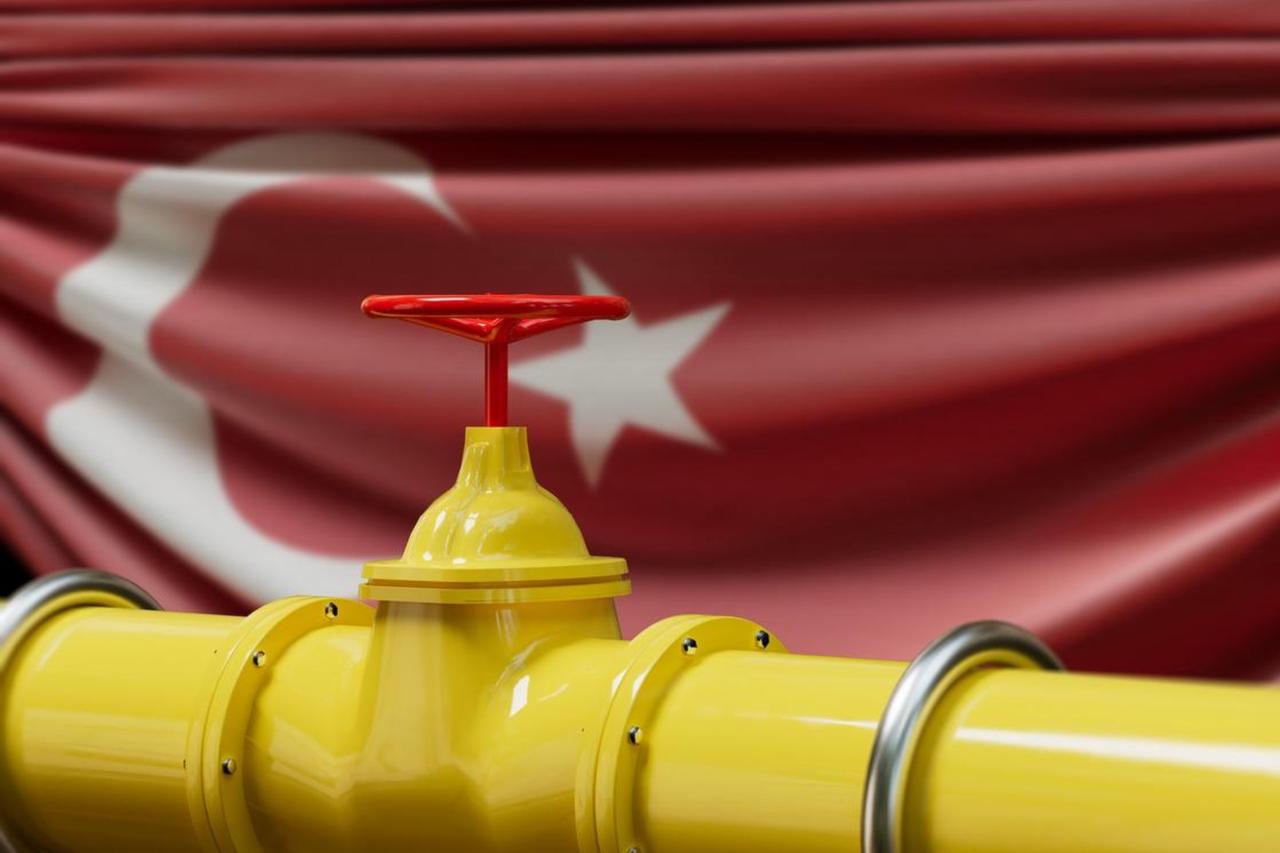


For decades, energy has been more than a commodity. It has been a driver of political power, geopolitical rivalry, and armed conflict. Control over natural resources has shaped alliances, sparked wars, and redrawn regional influence maps. As Daniel Yergin noted in his seminal book ''The New Map: Energy, Climate, and the Clash of Nations,'' published two years before Russia’s full-scale invasion of Ukraine, energy resources are increasingly becoming the focal point of global military realignment and international tension. His prediction has proven to be chillingly accurate.
One of the most illustrative examples of this dynamic is Russia’s war against Ukraine, which has lasted for nearly 12 years since 2014. The conflict has not only challenged Europe’s security architecture but has also forced the European Union and NATO to reconsider their deep-rooted energy dependence on Russia. For instance, the European Union has reduced its dependence on Russian gas imports from 45% in 2021 to 19% by 2024, largely due to the REPowerEU Plan launched in May 2022.
However, a partial rebound in Russian gas flows prompted the European Commission to introduce a new roadmap aimed at fully ending the bloc’s reliance on Russian energy. The strategy outlines a complete phase-out of Russian gas by 2027, alongside restrictions on new oil and nuclear energy contracts. Member states are expected to submit national plans by the end of 2025, ensuring a coordinated transition toward clean energy and diversified supply chains to safeguard Europe’s energy security.
As Moscow weaponized its gas exports, energy security became a matter of national survival for many European states. The war catalyzed a tectonic shift: the search for alternative energy routes, reliable suppliers, and geopolitically stable transit corridors has become a strategic priority. In this evolving landscape, Türkiye is positioning itself as a central player, not merely a transit country, but a regional energy hub.
Türkiye is positioning itself as a cornerstone of Europe's emerging energy security architecture through the development of a new regional initiative — the "Caspian Mix Hub." This project aims to consolidate natural gas supplies from Azerbaijan, Kazakhstan, Turkmenistan, and other Caspian states, creating a reliable supply route to Europe that circumvents Russian infrastructure.
The expansion of the Southern Gas Corridor (SGC) — supported by both the E.U. and NATO — is a central element of this vision. While the TANAP–TAP pipeline system is already operational, Europe continues to face a structural shortfall in natural gas, projected to last at least until 2030. Boosting SGC capacity to 20–24 billion cubic meters annually could significantly replace previous volumes imported from Russia. This marks a strategic shift, reducing the E.U.’s vulnerability to energy blackmail and strengthening its autonomy in the global gas market.

 2 min read
Russia’s full-scale invasion of Ukraine in 2022 has triggered a cascade of geopolitical realignments across the post-Soviet space — and nowhere is this shift more visible than in Central Asia. Over the past few years, countries like Kazakhstan, Uzbekistan, and even traditionally pro-Russian states such as Kyrgyzstan have begun to diversify their foreign policy priorities and reduce their overreliance on Russia in security, trade, and energy matters. The war exposed the strategic risks of political and economic dependency on Moscow, encouraging Central Asian governments to seek new partnerships, strengthen regional cooperation, and engage more actively with actors like Türkiye, China, the European Union, and the United States. This trend is not merely reactive but reflects a deeper, longer-term recalibration of their international strategies.
One of the most consequential shifts in this regional recalibration is the growing energy realignment between Central Asia and Türkiye. Countries like Turkmenistan and Kazakhstan, which together hold over 17% of the world’s natural gas reserves, have intensified their efforts to diversify export routes and reduce dependency on Russia. In this context, Türkiye has emerged as a strategic bridge connecting Caspian resources to European markets.
The Caspian Mix Hub project positions Türkiye as a central node in a new East-West energy axis that stretches from the Caspian Sea through Anatolia to the European Union. By bypassing Russian-controlled infrastructure, this corridor weakens Moscow’s grip on regional supply chains and limits its leverage over European energy security. At the same time, Ankara’s growing ties with Azerbaijan, Georgia, Kazakhstan, and Turkmenistan are consolidating its influence across the Turkic and Black Sea regions — enhancing its role within NATO, the Organization of Turkic States, and European energy diplomacy.
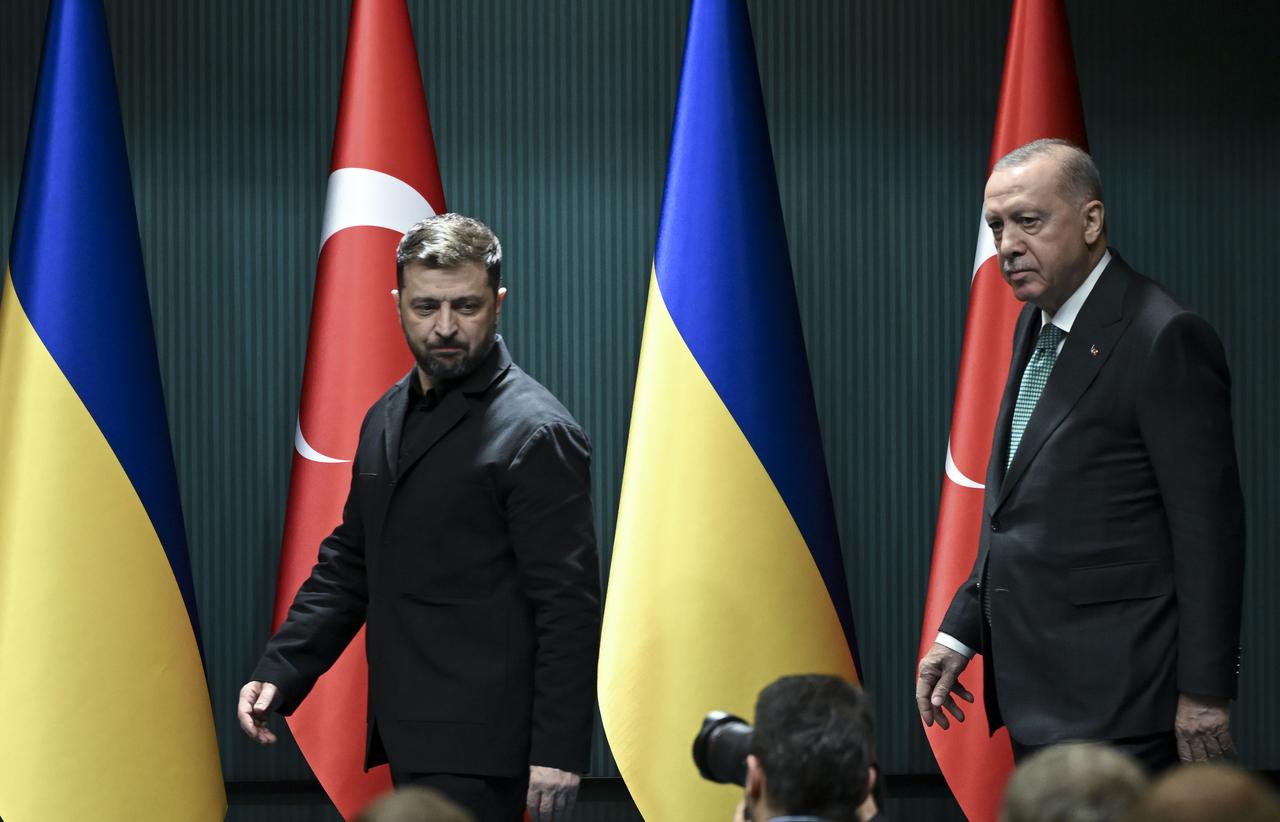
As Europe moves to end its energy dependence on Russia, Türkiye is emerging not just as a transit corridor but as a key architect of regional energy stability. Through the «Caspian Mix Hub» initiative, Ankara is developing infrastructure that blends and certifies gas from multiple suppliers across Central Asia and the Caucasus, offering Europe a transparent and politically neutral supply route. This innovative role allows Türkiye to strip away the “Russian origin” label from energy flows, reducing political risks and shielding European markets from Kremlin leverage.
The strategic dividends for Türkiye are significant. Beyond increased transit revenues, Ankara is bolstering its diplomatic weight in both regional and E.U.-level energy dialogues. As Russian gas flows recede, every billion cubic meter replaced by Caspian alternatives weakens the financial backbone of Moscow’s war economy and its ability to exert long-term pressure on Europe.
In the context of the ongoing war in Ukraine, Europe's need for reliable and predictable energy delivery is critical. Türkiye, by virtue of its geography and expanding partnerships, is uniquely positioned to guarantee that stability. Its proactive engagement is transforming it into a pivotal energy partner for the European Union, not only in terms of gas flows but also in the broader context of geopolitical security.
Moscow’s attempt to subjugate Ukraine and force European states into deeper dependency, especially in the realm of energy, has backfired dramatically. Instead of consolidating its influence, Russia has triggered a far-reaching strategic recalibration. European nations have accelerated efforts to reduce reliance on Russian gas, oil, and nuclear fuel. At the same time, Central Asian states have sought greater autonomy, aligning more closely with alternative partners like Türkiye and the European Union.
One of the clearest outcomes of this shift is that Europe has gained a new instrument of geopolitical influence. Every billion cubic meter of gas redirected from the Caspian region weakens Russia’s energy leverage. The erosion of Moscow’s presence in the southern energy market, particularly following the failure of the South Stream project, has significantly constrained its geopolitical maneuvering in the Black Sea region.
Strategically, Russia is experiencing a double loss. With the northern export routes crippled by E.U. sanctions and damaged infrastructure, and the southern corridor now slipping out of reach, Moscow faces the near-total collapse of its former dominance in European energy markets. The European Union, in turn, has gained an unprecedented degree of freedom in shaping its own energy future — one that is more diversified, sustainable, and resilient to political pressure.
Türkiye’s rise as a strategic energy hub adds a critical layer to this realignment. By becoming a key facilitator of non-Russian energy flows, Ankara is reinforcing its geopolitical role not just in Europe but across Eurasia. For Ukraine, this transformation represents a meaningful regional victory: as Euro-Atlantic allies like Türkiye and the E.U. strengthen their positions in energy security, they reinforce the strategic environment that aligns with Ukraine’s national interests and weakens Russia’s ability to coerce.


 Set as preferred source
 Set as preferred source


 1 min read