Newsletters


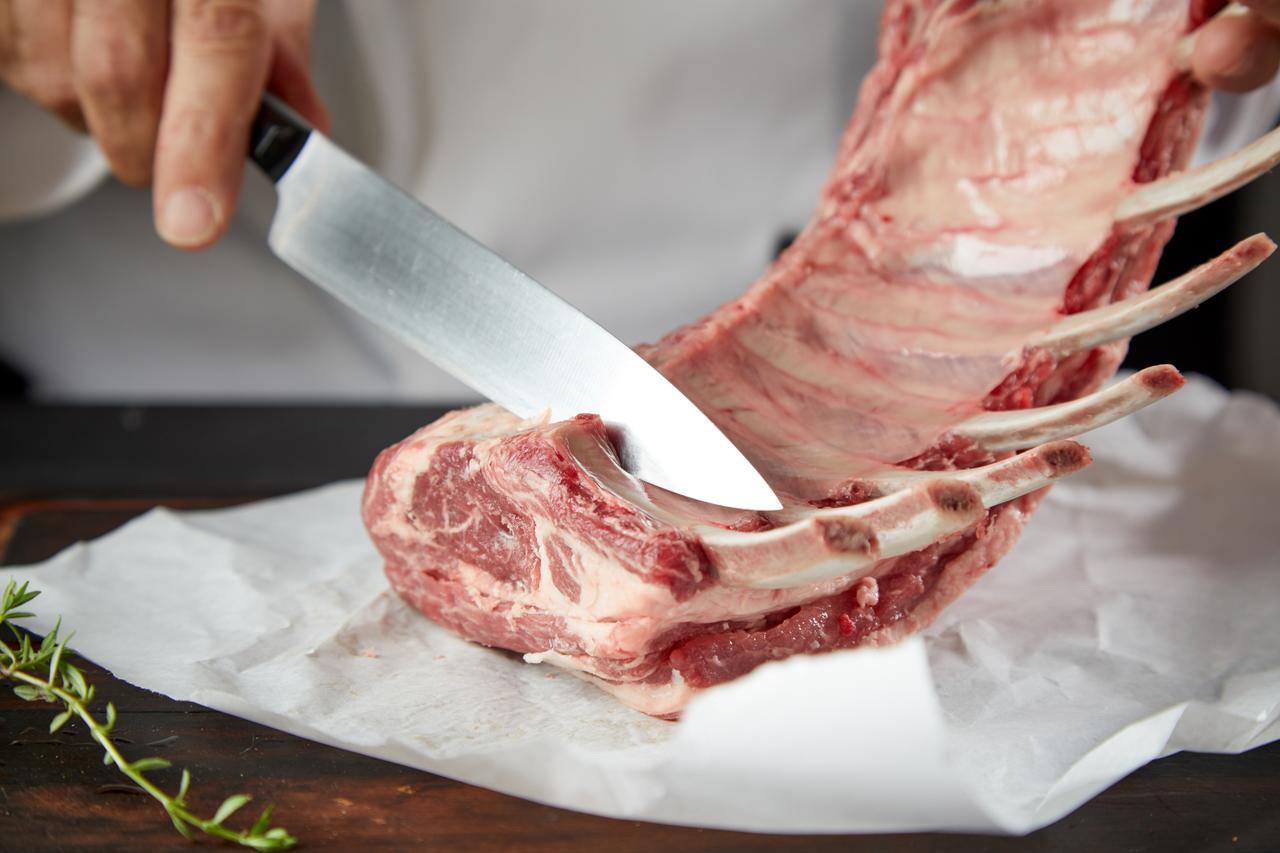


Despite Türkiye's sheep and goat population reaching nearly 58 million, consumers continue to face high red meat prices, with industry representatives pointing to rising production costs, low productivity and inefficiencies in the supply chain as major obstacles to affordable meat.
According to Türkiye daily, the country's sheep and goat population has reached 57.87 million, although meat from these animals accounts for just 29.7% of total red meat production.
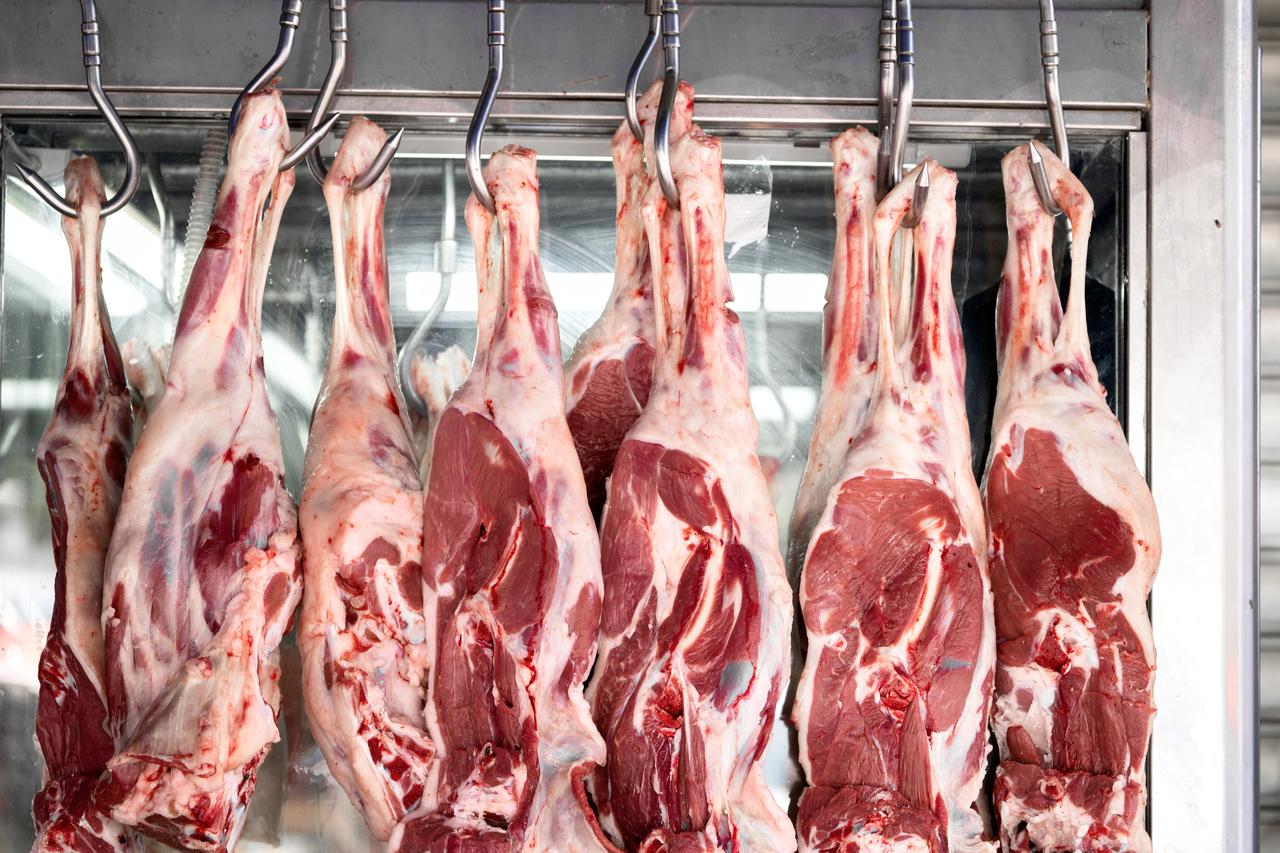
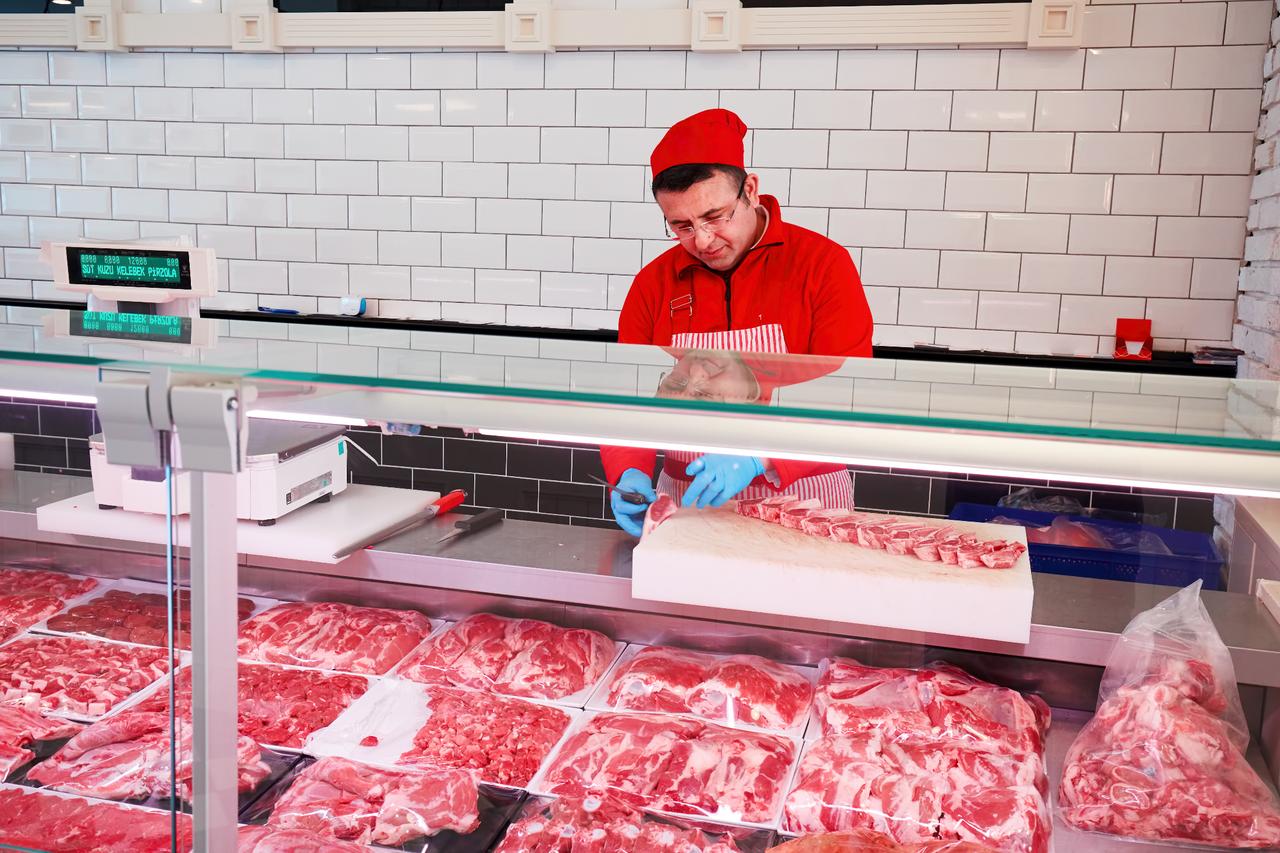
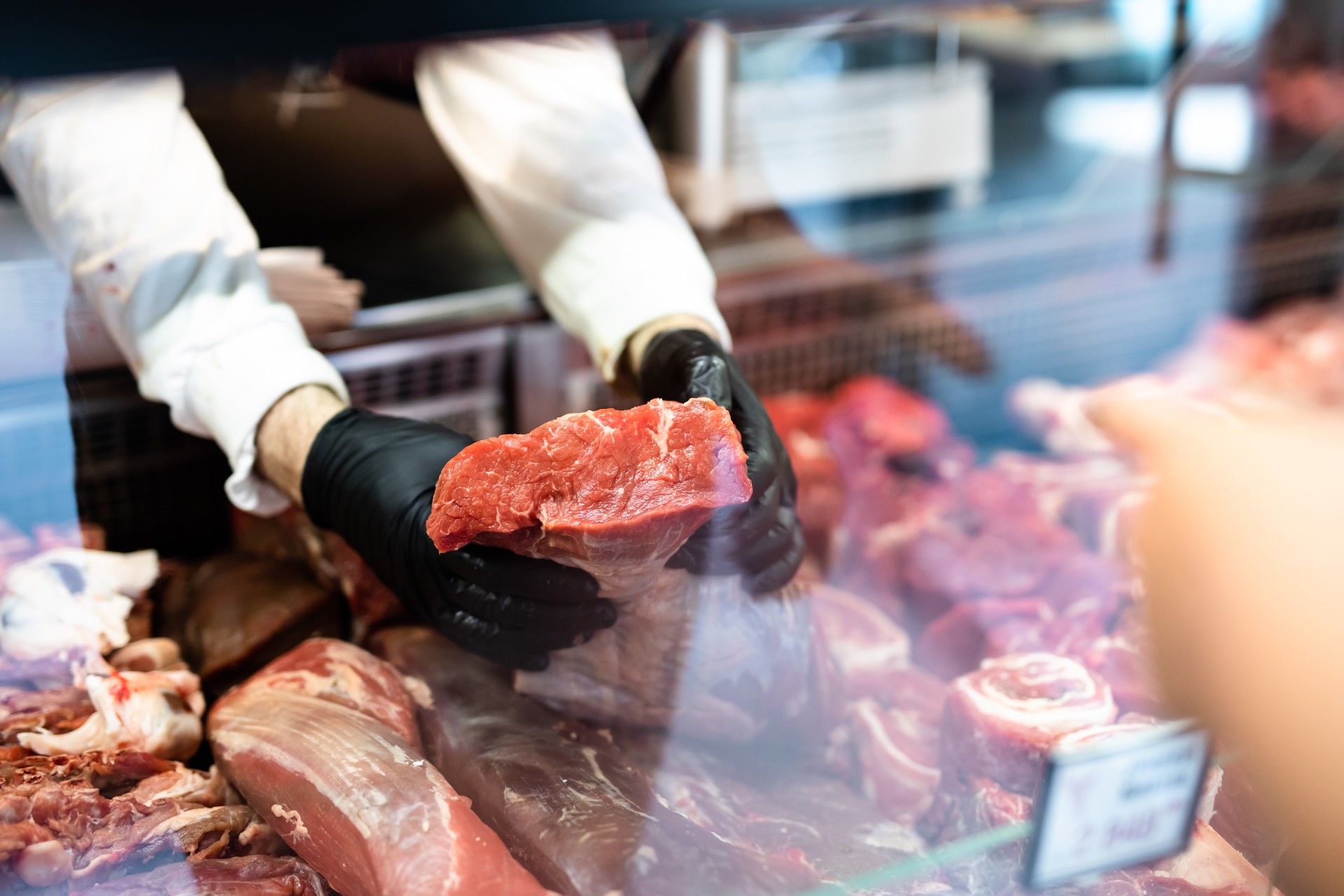
Figures from the National Red Meat Council show that lamb carcass meat, which refers to the animal's dressed body after slaughter and processing, costs ₺616,14 ($12,50) per kilogram. Meanwhile, retail prices for diced lamb range from ₺1,050 ($22) to ₺1,350 ($28) per kilogram, while lamb chops can reach ₺1,900 ($39).

Turan Saldiricier, chairman of the Central Union of Turkish Sheep and Goat Breeders (TUDKIYEB), said increasing livestock numbers alone would not bring about lasting price reductions unless producers improved reproductive efficiency, reduced young animal mortality, managed grazing land effectively and brought down feed costs.
He explained that transportation, refrigeration, storage, labor and operating expenses all contribute to the difference between wholesale carcass prices and what consumers eventually pay.
Saldiricier called for greater transparency in production costs and retail profit margins to determine why declines in carcass prices have had only a limited impact on supermarket and butcher shop prices.
He also proposed including suitable sheep and goat meat products in public institution menus and developing standardized products and reliable supply arrangements. Contract-based sales between breeders' associations, retailers and institutional catering suppliers could further strengthen distribution.
Saldiricier stressed that strengthening domestic production rather than relying on imports would be essential to bringing about a sustainable solution.
He warned that breeders leaving the sector could increase Türkiye's dependence on imported meat over the long term, making financial support and stable purchasing arrangements important for maintaining production.
 1 min read
He also called for clearer purchasing conditions in discussions with the Meat and Milk Board (ESK), Türkiye's state institution involved in regulating meat and dairy markets.
These arrangements should specify the age and weight requirements for male yearling sheep, along with delivery locations, purchasing schedules and payment deadlines, he said.


 Set as preferred source
 Set as preferred source


 1 min read