Newsletters


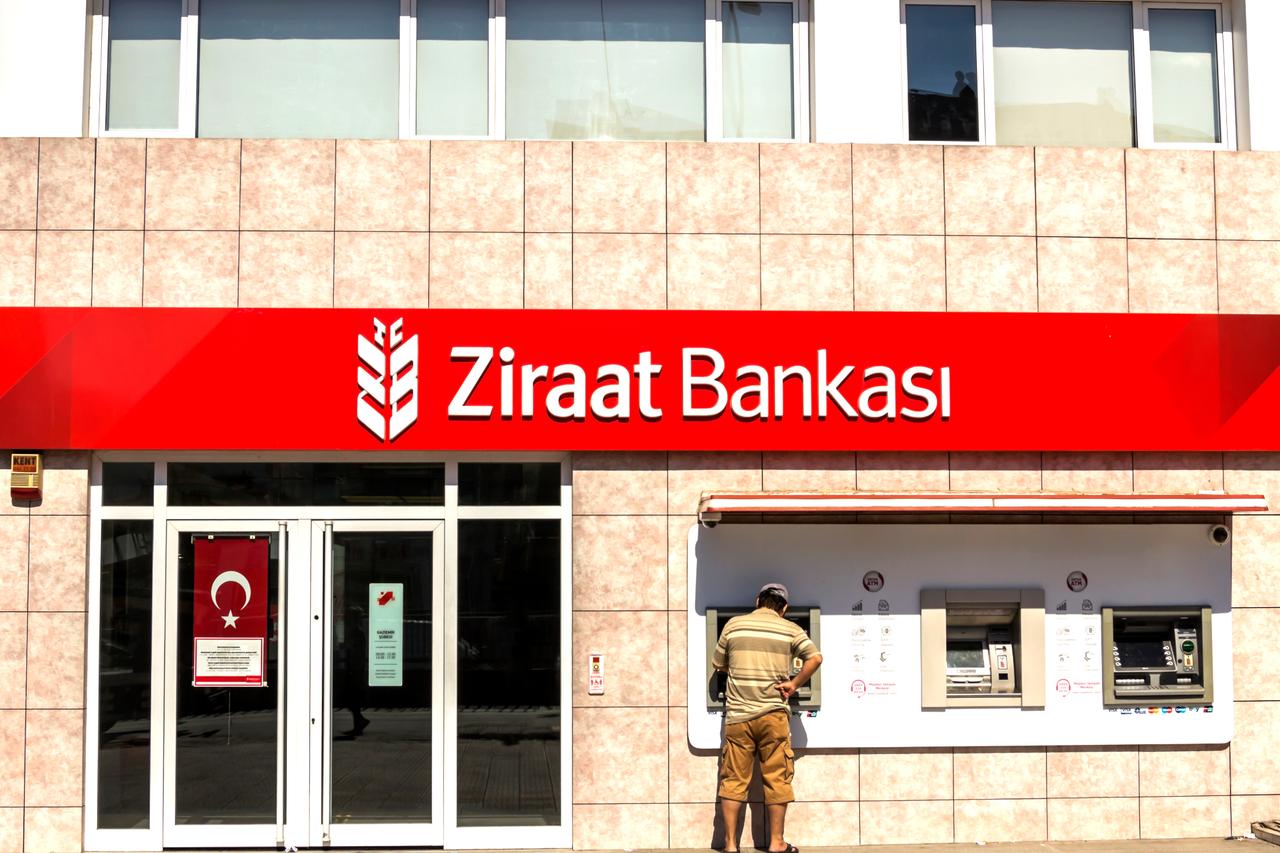


Türkiye’s largest state-owned lender, Ziraat Bank, has expressed interest in launching banking operations in neighboring Syria in coordination with the country’s central bank, Reuters reported Wednesday, citing Ziraat Bank Chief Executive Alpaslan Cakar.
Since the removal of Bashar Assad on Dec. 8, 2024, Syria’s new administration has introduced economic and political reforms aimed at stabilizing the country after nearly 13 years of war. Authorities have focused on restoring the economy, including rebuilding payments systems damaged during the conflict.
Türkiye has emerged as the Syrian interim government’s strongest foreign backer, expanding trade and business ties. Ziraat’s potential move is seen as part of broader efforts to strengthen financial links and support reconstruction.
“We have presented our intention to commence banking operations in Syria to the Central Bank of Syria and are closely monitoring the process in coordination with the relevant authorities,” Cakar said in written responses to questions from Reuters.


Cakar said the initiative is intended to help restore Syria’s banking sector, align regulations with international standards and support reconstruction efforts following the lifting of international sanctions.
Ziraat, Türkiye’s largest bank by assets, is also holding talks with Syrian banks “to strengthen correspondent banking relationships and establish potential collaborations,” Cakar told Reuters.
State-owned Ziraat remained Türkiye’s biggest lender in 2025, with about 7.9 trillion Turkish lira ($184 billion) in assets as of September.
There was no immediate response from Central Bank of Syria Governor Abdelkader Husrieh to requests for comment, Reuters reported.
In January 2025, Cakar had indicated that Ziraat Bank was prepared to assume responsibility for establishing a joint bank in Syria if conditions proved favorable.
Meanwhile, in late December, Syrian authorities said the country would begin swapping old banknotes for a new national currency starting Jan. 1, 2026, describing the move as “the beginning of a new economic and monetary phase.”
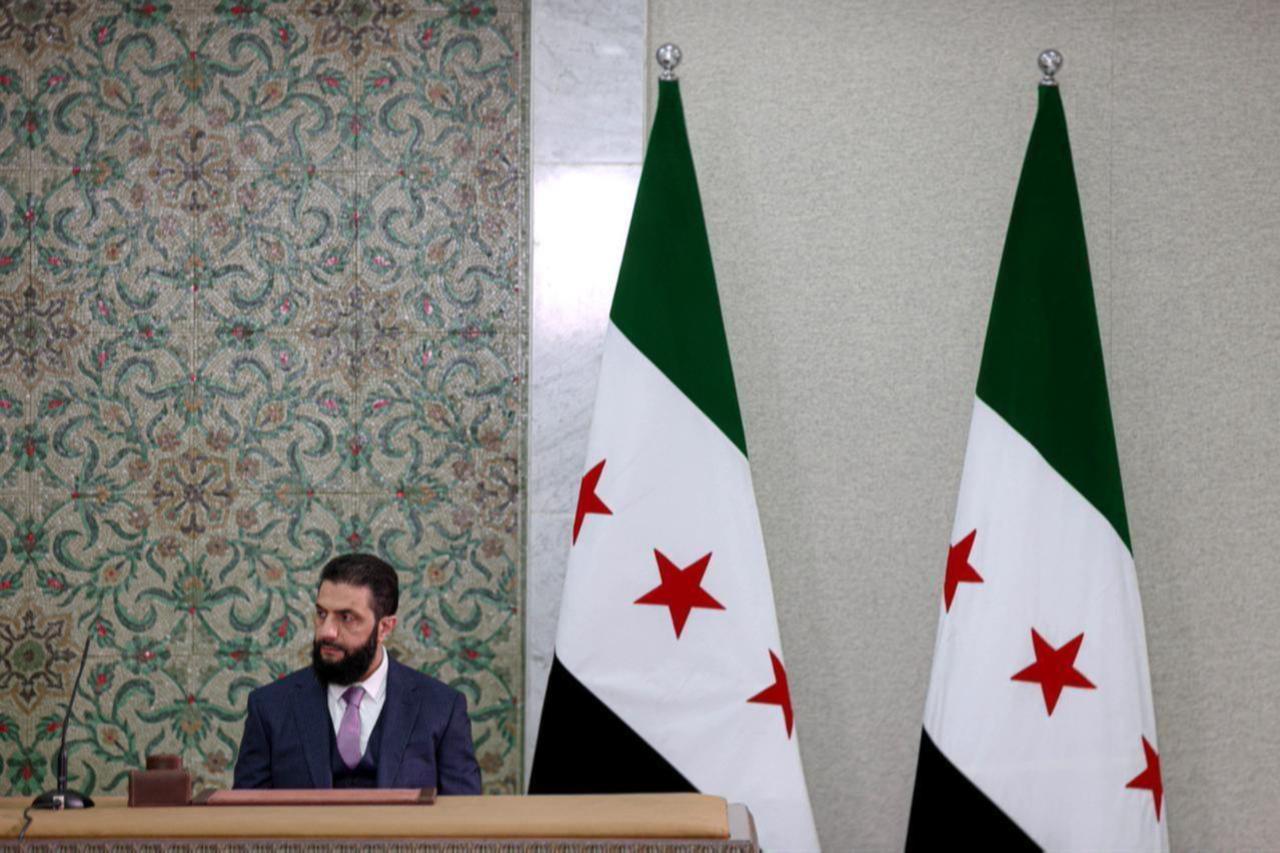
Assad, who ruled Syria for nearly 25 years, fled to Russia, ending Ba’ath Party rule that had lasted since 1963. A transitional administration led by President Ahmad al-Sharaa was formed in January.


 Set as preferred source
 Set as preferred source


 1 min read
 1 min read