Newsletters


Uber has submitted a formal takeover offer for Berlin-based Delivery Hero, the German food delivery group that owns Yemeksepeti, one of Türkiye's dominant online food ordering platforms, in a move that analysts say could fundamentally redraw the country's digital delivery landscape.
The San Francisco-based company put an indicative proposal of 33 euros per share to Delivery Hero shareholders, implying a valuation of more than 10 billion euros. The bid, which Delivery Hero confirmed in a statement on Saturday, was described as a starting point rather than a settled figure: major shareholders have pushed back, with several telling the Financial Times (FT) they would require a price north of 40 euros per share, roughly 19 percent above the stock's closing price on Friday, which would value the company at approximately 13 billion euros.
Uber's board convened over the weekend to weigh raising its offer. The company has since approached at least one of Delivery Hero's largest shareholders with a revised proposal of 38 euros per share, only to be rebuffed again, according to people familiar with the matter cited by the FT. Whether it will increase its bid a further time remains an open question.
Uber has been steadily building its position in Delivery Hero for months. The company disclosed it now holds 19.5 percent of Delivery Hero's issued share capital, having almost tripled its stake in recent weeks, making it the company's single largest shareholder. It also holds an additional 5.6 percent through derivatives. Investment bank Morgan Stanley, which disclosed a 27 percent interest in Delivery Hero primarily through equity swaps, is advising Uber on the bid.
Uber is also exploring acquiring enough derivatives to push its indirect ownership above 30 percent, a move that would signal clear intent without requiring a formal offer, mirroring a strategy used by UniCredit in its approach to German lender Commerzbank.
Delivery Hero's board confirmed receipt of the offer while signaling it remains focused on its ongoing strategic review, which includes the possibility of a full sale or a series of transactions that would separate its Middle East and South Korea operations.
Founder and chief executive Niklas Ostberg, who has faced sustained pressure from activist investors, announced last week he would step down once a successor is appointed, no later than March 2027.


Uber is not the only suitor in the room. DoorDash, the American delivery company that recently acquired British platform Deliveroo for 2.9 billion pounds, has also made inquiries to Delivery Hero shareholders and has separately expressed interest in the group's Middle Eastern business, Talabat, according to people familiar with the matter. DoorDash has not purchased any shares. The prospect of a competing bid gives Delivery Hero investors additional leverage in negotiations.
Activist shareholder Aspex Management, which holds a 14.6 percent stake and has long pressed Delivery Hero to streamline its operations and accelerate asset disposals, is among those setting a high bar for any deal. Dutch technology investor Prosus, which holds a 16.8 percent stake, has separately criticised European regulators for compelling it to reduce its position after it acquired Just Eat Takeaway, a move critics say opened the door to an American takeover. Any transaction would be subject to regulatory review in multiple jurisdictions.
JPMorgan analyst Marcus Diebel noted the deal would make strategic sense for Uber in terms of geographic reach and operational synergies, while also flagging likely regulatory hurdles. Bloomberg Intelligence analysts estimated Delivery Hero could fetch between 15 billion and 18 billion dollars in a completed transaction.
The implications for Türkiye are particularly far-reaching. Should the Delivery Hero acquisition close, Uber would indirectly control Yemeksepeti, which accounts for an estimated 40 percent of Türkiye's prepared food delivery market, according to figures from the Ministry of Trade. Combined with Trendyol Go, that share would exceed 50 percent.
Uber has moved aggressively into Türkiye in recent years. In May 2025, it paid approximately 700 million dollars for an 85 percent controlling stake in Trendyol Go, the food and grocery delivery arm of Istanbul-based e-commerce giant Trendyol, which processed more than 200 million orders and approximately 2 billion dollars in gross transaction volume in 2024.
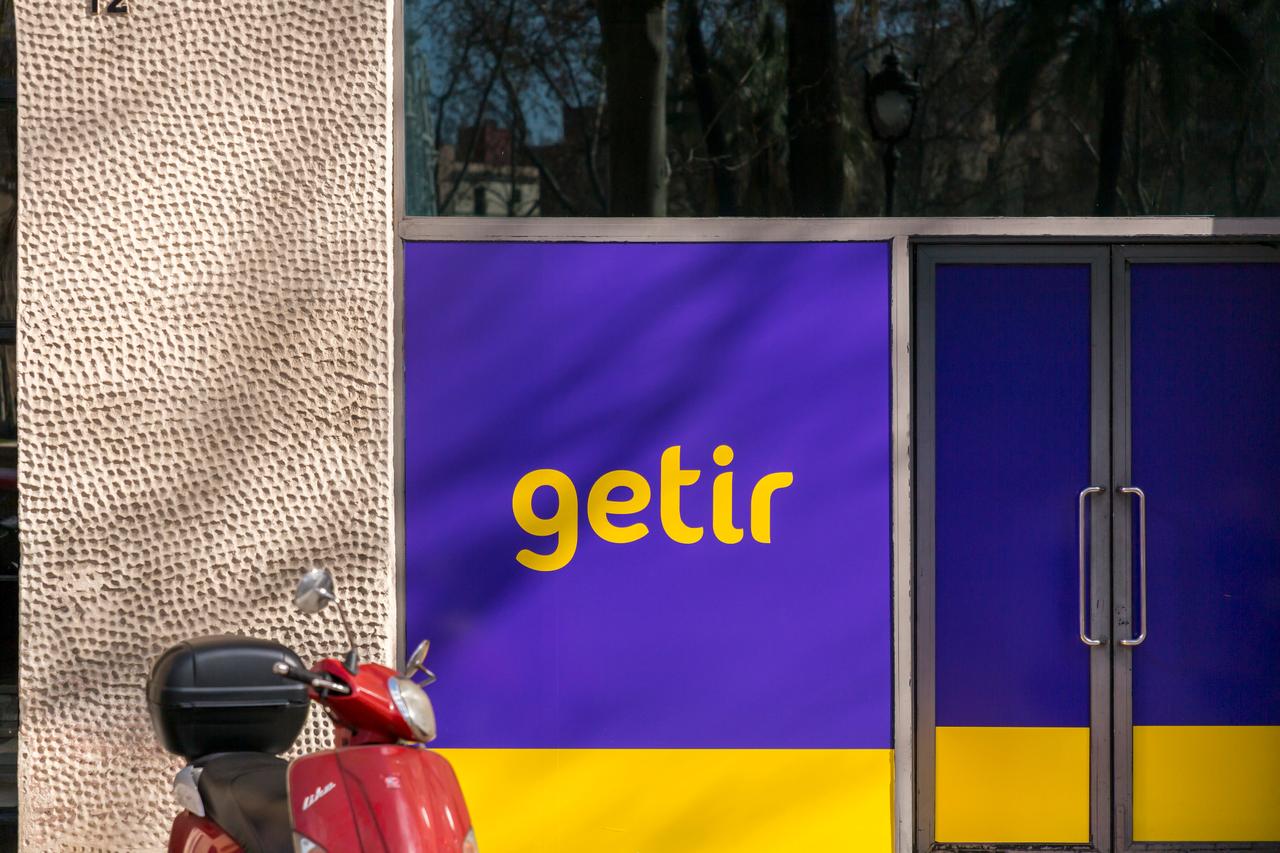
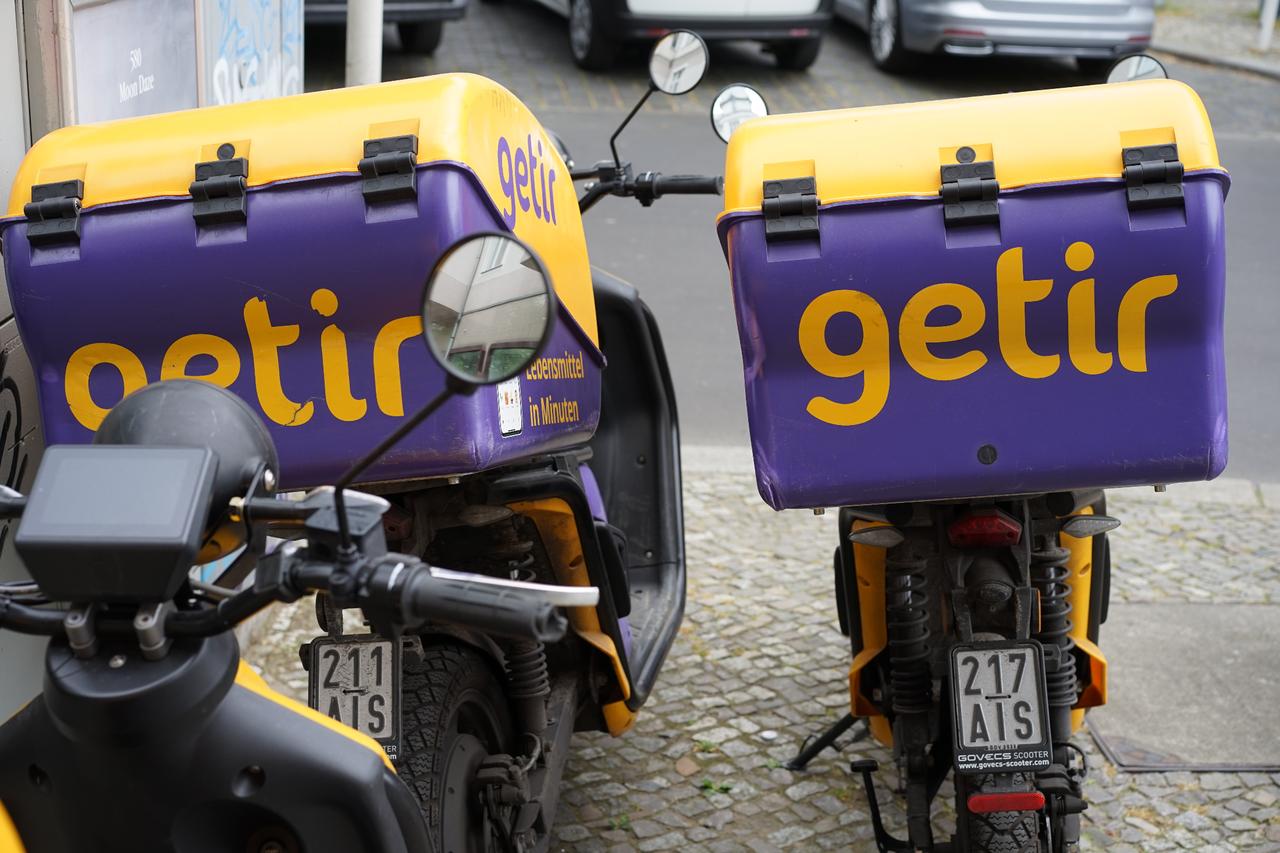
In February 2026, Uber also agreed to acquire Getir's Turkish delivery operations, including its food, grocery and quick-commerce business, from Abu Dhabi-based investor Mubadala for approximately 335 million dollars.
If the Delivery Hero deal clears regulatory approval, Uber would simultaneously hold Trendyol Go, Getir's delivery network and Yemeksepeti under one corporate structure, positioning it as the commanding force across ride-hailing, food ordering, grocery delivery and rapid logistics in Türkiye.
Industry observers note the consolidation reflects a broader global trend, following DoorDash's acquisition of Deliveroo and Prosus's 4.1 billion euro purchase of Just Eat Takeaway, as international technology companies race to establish dominant positions in high-growth delivery markets before competitive windows close.


 Set as preferred source
 Set as preferred source


 1 min read
 1 min read