Newsletters


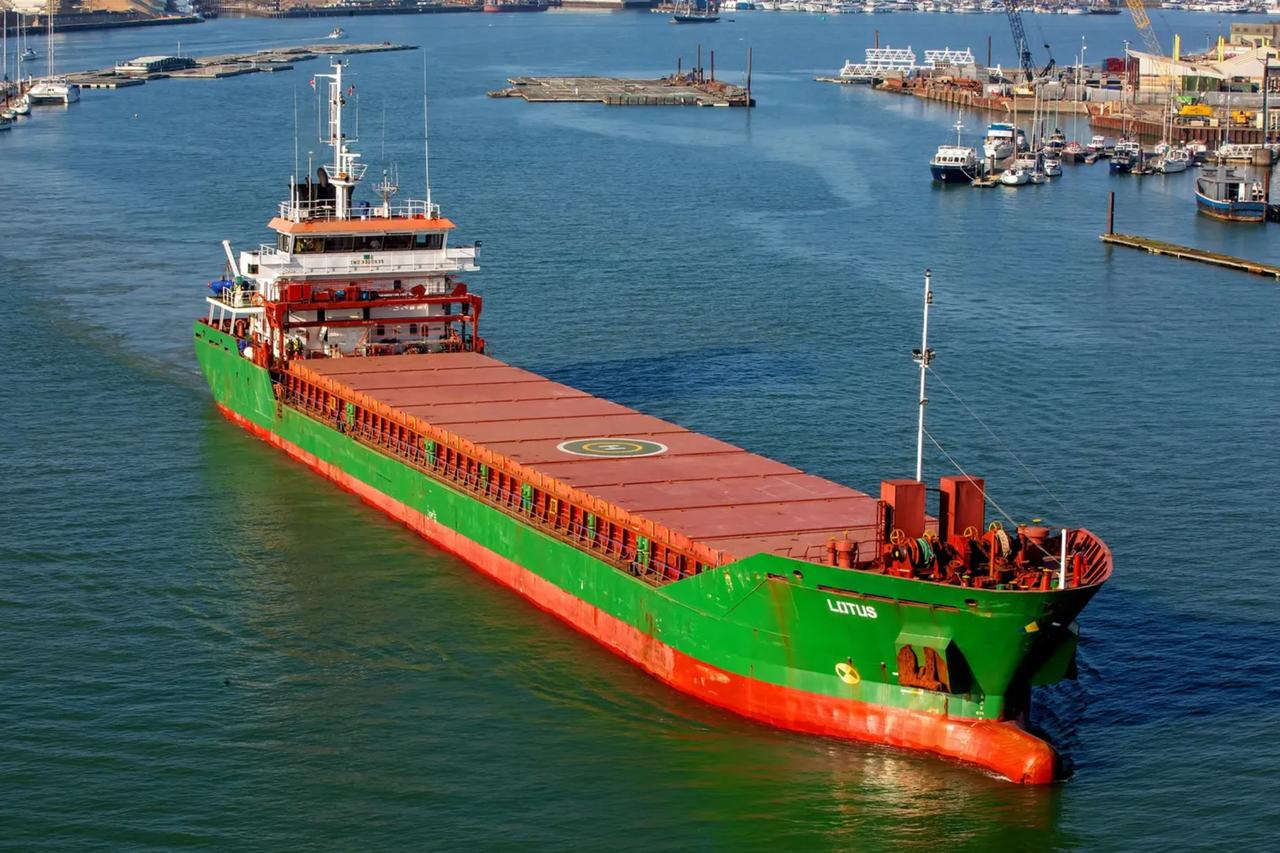


Three Turkish sailors have remained stranded for 110 days aboard a cargo ship detained off Tunisia after its English operator failed to pay a €3 million ($3.4 million) salvage bill following a steering failure, leaving the multinational crew unable to leave the vessel, Turkish media reported.
The 5,045-deadweight-ton Panama-flagged general cargo vessel M/V LOTUS, owned by U.K.-based Virginia Shipping and operated by another English company, Educy Shipping, was carrying a shipment of pipes from Gemlik, Türkiye, to Nordenham, Germany.
After the steering failure, four Tunisian tugboats brought the vessel to the Port of Bizerte as weather conditions worsened.
The Tunisian Port Authority later billed the shipowner €3 million for salvaging the vessel, its cargo, and crew. After the owner failed to pay, authorities detained the ship as security for the disputed maritime claim while the case proceeds in a Tunisian court.
Under Tunisian maritime law, ships may be detained over maritime claims, including salvage costs, until the owner either settles the dispute or provides financial security ordered by the court.
All 12 crew members, four Egyptians, two Indians and three Turkish nationals among them, have remained confined to the ship while the legal process continues.
The case has also been taken up with the International Transport Workers' Federation (ITF) and Türkiye's Embassy in Tunisia.
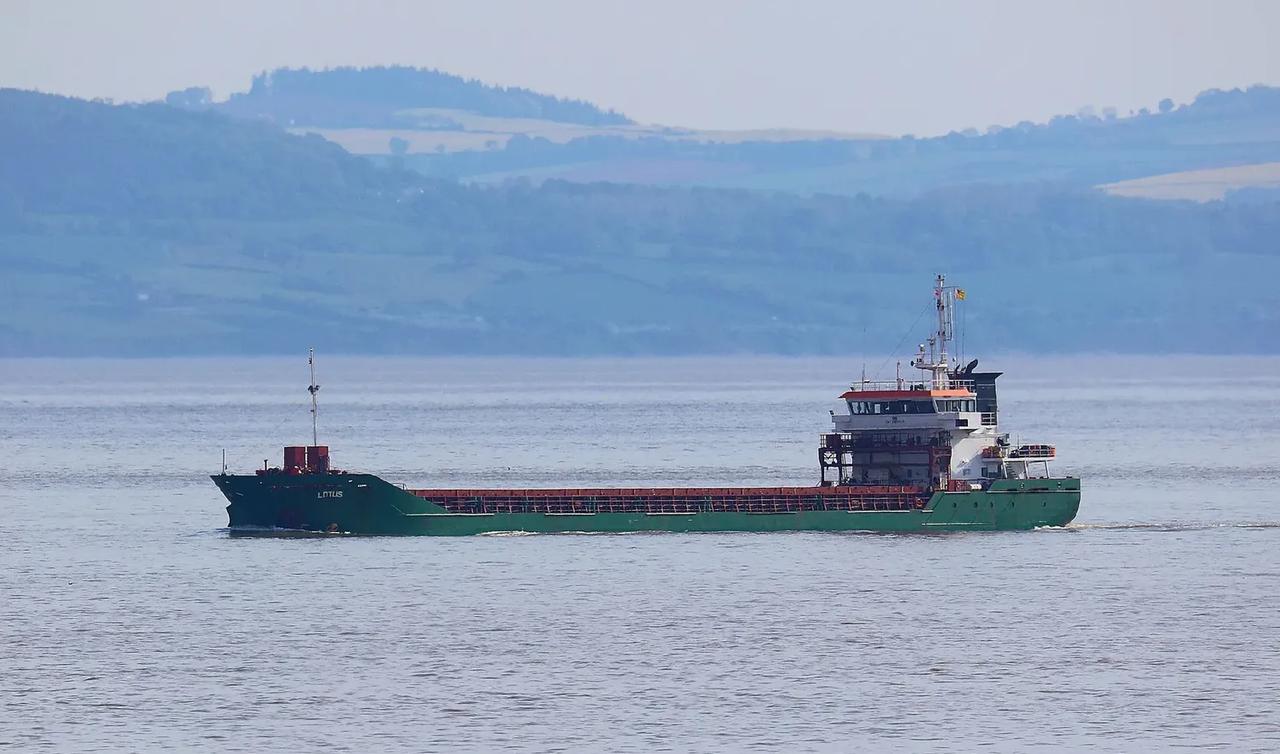

For the crew, the wait has become as difficult as the detention itself, with months of uncertainty giving way to worsening living conditions.
The vessel's Turkish bosun told haberdenizde.com that their contracts expired months ago and salaries have gone unpaid while they remain unable to leave the ship.
"Our contracts expired months ago. We have not received our salaries either," he said. "The temperature in our cabins reaches 45 degrees. It is impossible to sleep."
He also said the ship's air-conditioning has stopped working, while food supplies have become increasingly irregular, making already difficult conditions even harder to endure in the summer heat.


 Set as preferred source
 Set as preferred source


 1 min read
 1 min read