Newsletters


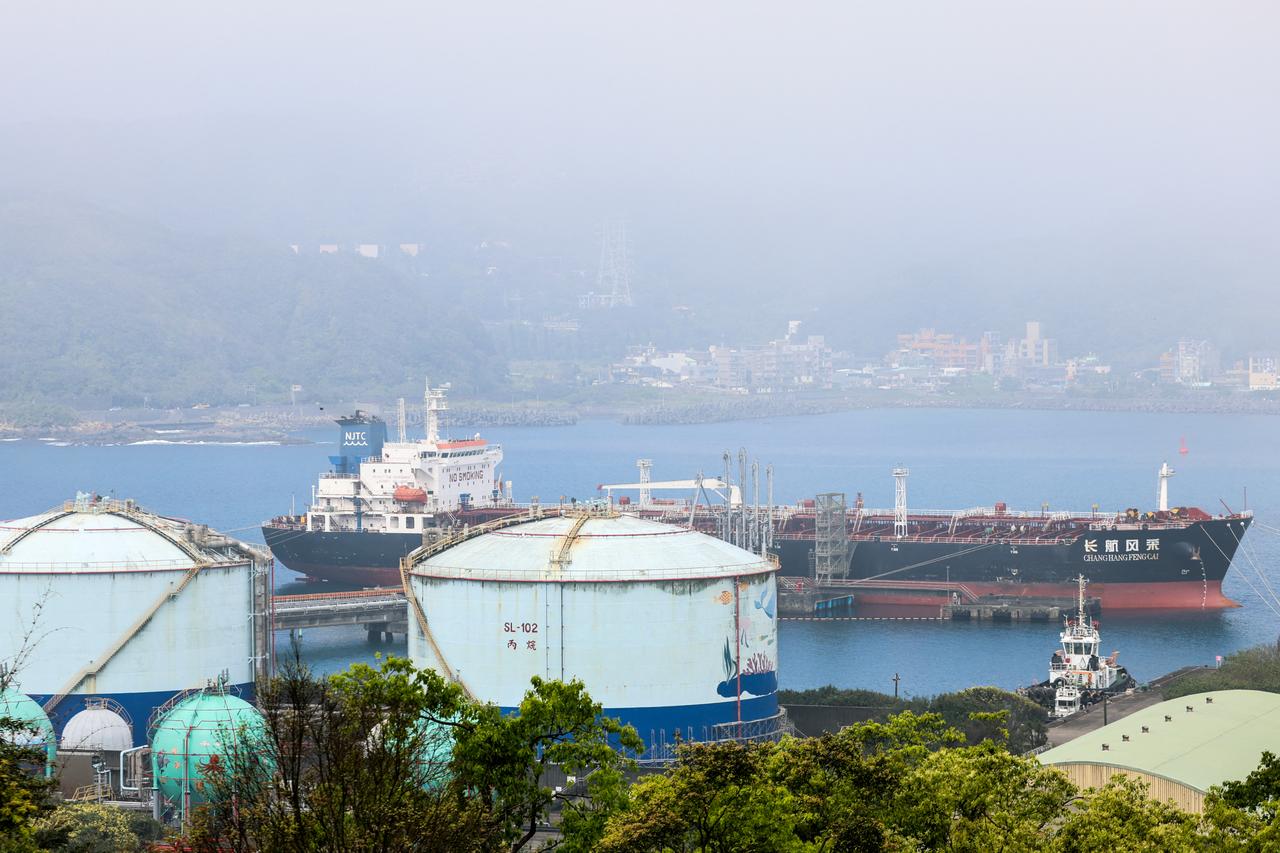


Oil prices jumped sharply on Friday at the close, marking the third week of the effective shutdown of the Strait of Hormuz, while mounting supply concerns continued to drive volatility across global markets.
Brent crude, the international benchmark, climbed 4.8% on Friday to $112.36 per barrel, while U.S. benchmark West Texas Intermediate rose 4.3% to above $98 per barrel.
The gains came amid ongoing fears over the near-closure of the Strait of Hormuz, a key shipping route that handles around 20% of global crude oil and liquefied natural gas flows.
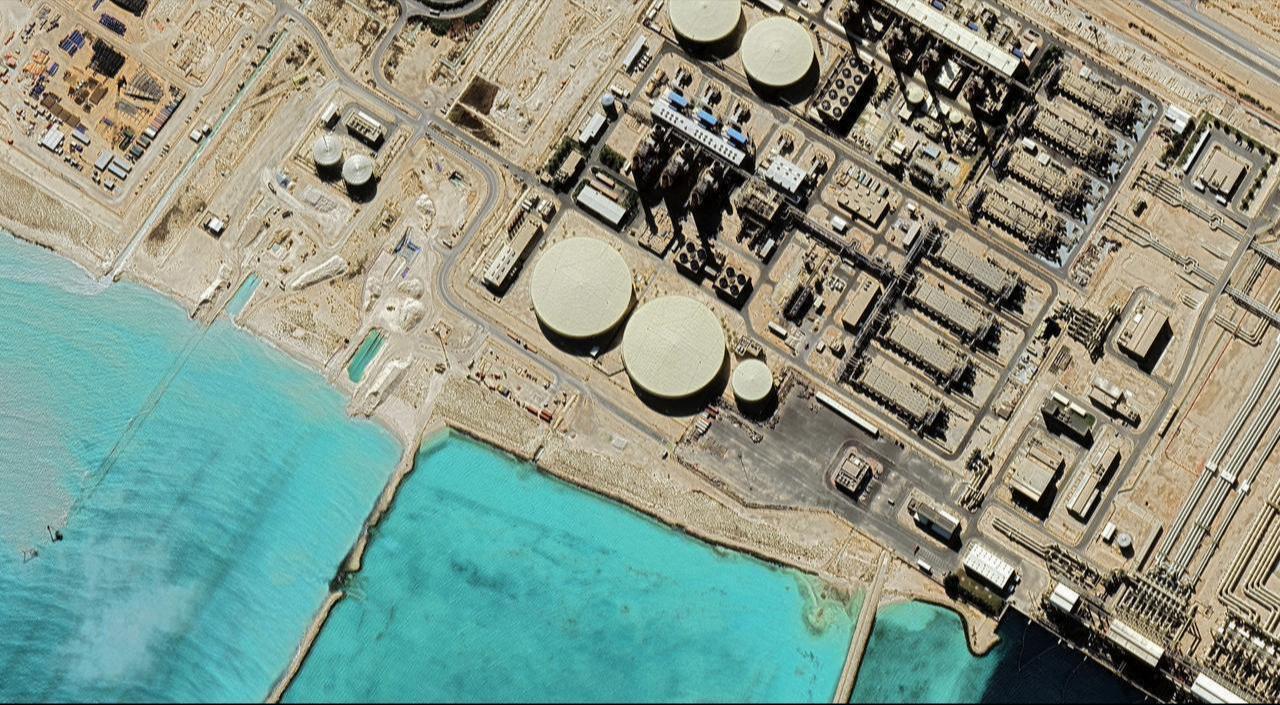
Market pressure intensified after reported damage to Qatar’s Ras Laffan Industrial City, a major hub for liquefied natural gas production.
QatarEnergy said the strikes would lead to $20 billion in lost revenue and require five years to repair, tightening already strained gas supplies. European gas prices reflected the shock, with futures at the Dutch TTF Hub ending the week at €59.3 ($68.7) per megawatt-hour, nearly doubling compared to pre-conflict levels.

Meanwhile, Fitch Ratings outlined scenarios tied to potential disruptions in the Strait of Hormuz. The agency said Brent crude could average $120 per barrel in 2026 if the strait remains effectively closed for six months, while a three-month disruption could push prices to $100.
The IMF also referred to its baseline estimate that every 10% increase in oil prices results in a 40-basis-point rise in global inflation, adding that if oil prices remain above $100 for a year, this would translate into significant impacts on inflation and global economic output.
Equity markets reacted negatively to the rising energy costs and inflation risks. In the United States, the S&P 500 dropped 1.5% on Friday. European markets also declined, with the Stoxx 600 down 1.8%, Germany’s DAX falling 2%, and France’s CAC 40 slipping 1.8%.
In Asia, Hong Kong’s Hang Seng lost 0.9%, and China’s Shanghai Composite fell 1.2%, while South Korea’s Kospi edged up around 0.3%.
This week, major central banks worldwide, including the U.S. Federal Reserve, the Bank of Japan, the European Central Bank, and the Bank of England, kept their benchmark interest rates unchanged, flagging inflation risks from rising energy costs.
In response to a strengthening U.S. dollar amid rising oil prices, gold, which had gained 75% year over year before the conflict, tumbled 3.3% on Friday, bringing its weekly loss to 10% at $4,497.48 per ounce and wiping out $3.5 trillion in market capitalization.
Silver mirrored the sell-off, falling 6.7% to $67.89 per ounce, with its weekly loss nearing 20%. Palladium and platinum also retreated 3% and 2.5% to $1,407.5 and $1,925.5, respectively.


 Set as preferred source
 Set as preferred source


 1 min read

 1 min read