Newsletters


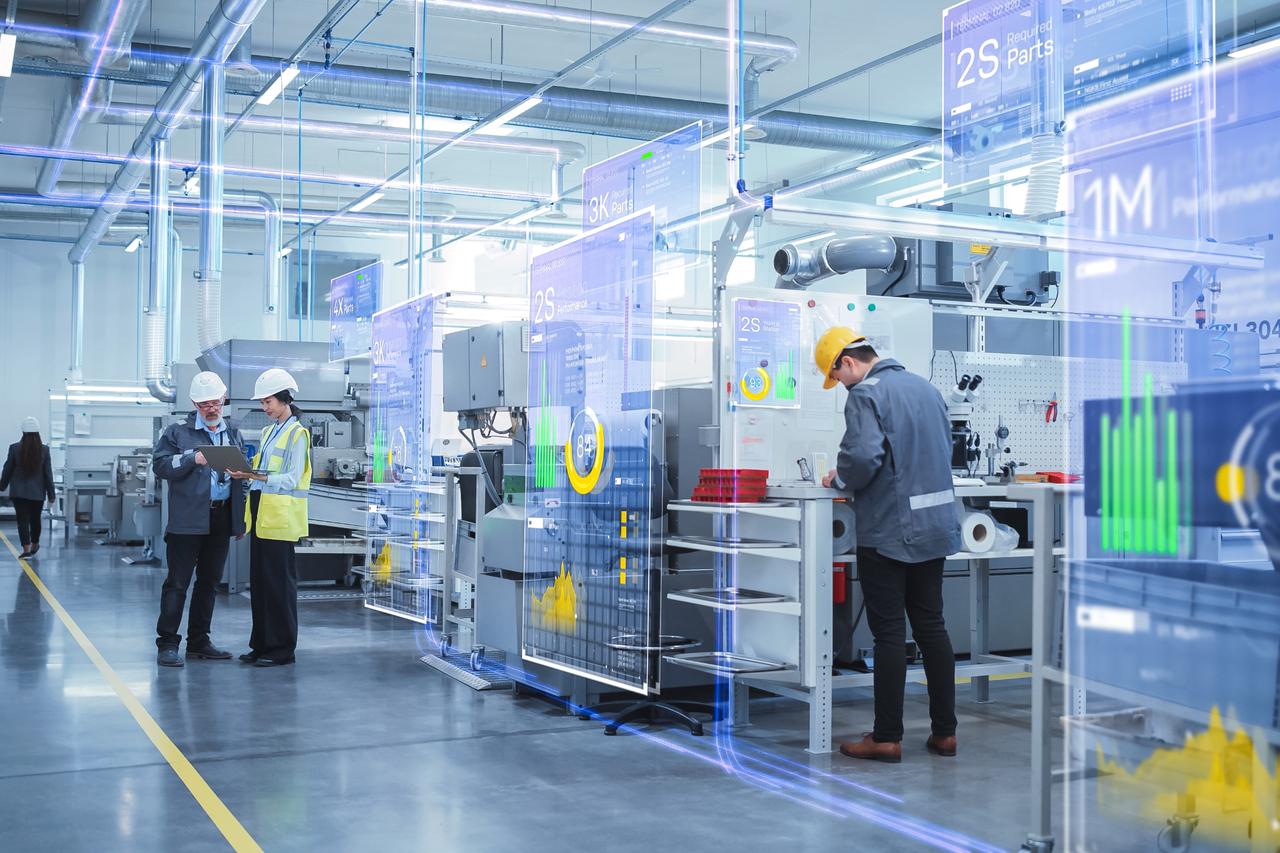


The rapid expansion of artificial intelligence (AI) and automation is reshaping the global labor market, with projections suggesting that up to 300 million jobs could be affected in the coming years.
According to a report by Türkiye daily’s Omer Temur, this growing pressure on employment is now bringing broader economic models, including universal basic income, back into focus.
As AI-powered software and automated systems take on a wider role across industries, concerns over job security are beginning to mount.
Sectors such as manufacturing, accounting, services, and technology are increasingly seeing repetitive tasks carried out by machines rather than human workers.
This shift is not only changing how work gets done but also how companies allocate resources, as businesses appear to be moving away from labor-intensive models and leaning more toward automation-driven efficiency.
The discussion has gained urgency as major corporations begin to scale back their workforce. Developments at companies such as Meta and Nike are cited as recent examples of this broader trend.
Based on an assessment by Goldman Sachs, AI could negatively impact up to 300 million jobs by 2030. While the timeline and scale remain subject to debate, the projection underlines the potential magnitude of the transformation already underway.
As the prospect of widespread job disruption becomes more tangible, policymakers and technology leaders are beginning to revisit universal basic income (UBI). This model refers to a system in which governments provide citizens with a regular, unconditional payment to ensure a minimum level of financial security.
Tech figures such as Elon Musk have argued that such a system may become unavoidable, while Anthropic CEO Dario Amodei has pointed to the need for governments to prepare economically for this transition.
OpenAI CEO Sam Altman’s Worldcoin initiative is also being discussed within the same context, as part of broader efforts to rethink income distribution in an AI-driven economy.
Beyond employment, the discussion is increasingly focusing on how the economic gains generated by AI will be distributed.
As automation boosts productivity and potentially leads to significant capital accumulation, the central question is shifting toward whether these gains will be shared through social policies or concentrated in new forms of economic dependency.
This evolving debate highlights that the impact of AI may extend well beyond the labor market, raising structural questions about fairness, sustainability, and the future shape of the global economy.


 Set as preferred source
 Set as preferred source


 1 min read


 1 min read