Newsletters


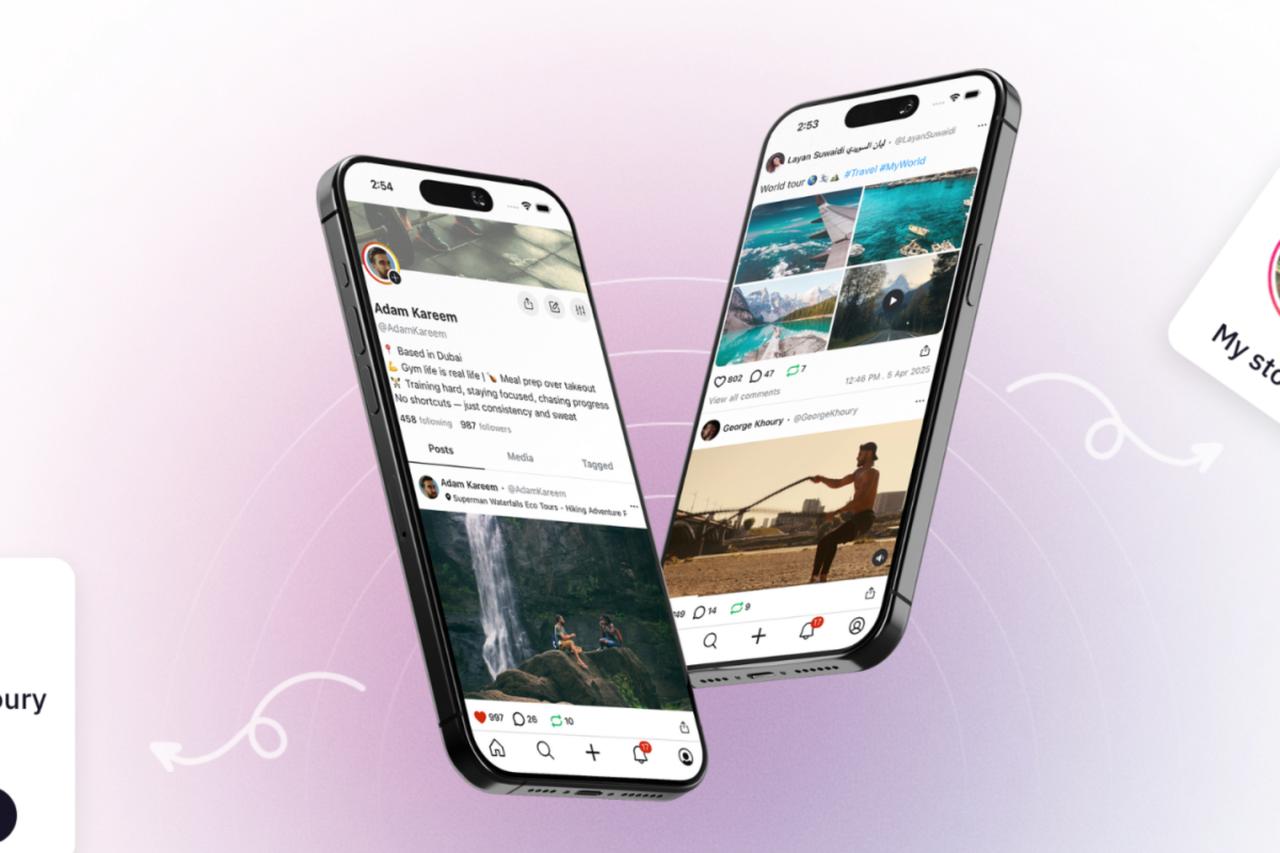


A new social media platform attracting global attention as a TikTok alternative now faces regulatory scrutiny.
Google Play Store has suspended UpScrolled, a social media application developed by Palestinian-Jordanian-Australian technologist Issam Hijazi, after the platform struggled to manage content moderation amid rapid global growth.
The company said in a statement that the app was removed from Google Play after it experienced an unexpected surge in users that made it difficult to control content violating community rules.
“We reached an unexpected growth volume. During this process, we faced difficulties managing content that violated our community rules,” the platform said. The company added that although it supports freedom of expression, it remains responsible for removing unlawful content.
UpScrolled said it has expanded its moderation team and is developing an advanced content control system. The company also stated it is cooperating with Google Play and expects the platform to become accessible again after meeting legal requirements.
The suspension comes as the app gained global attention following accusations of censorship directed at TikTok and growing demand for alternative social media platforms.
Developed as a TikTok alternative, UpScrolled drew significant attention after its user base reportedly grew from about 150,000 users to millions within a week.

UpScrolled launched in 2025 and offers features similar to major social platforms, allowing users to share photos, videos and text posts, discover content and send direct messages.
Its interface combines elements of Instagram and X, while its feed follows a chronological order rather than algorithm-driven ranking.
Founder Issam Hijazi said the platform aims to give users greater control over their digital experience.
“UpScrolled is the foundation for a digital ecosystem that puts power back into the hands of the people—not the corporations,” Hijazi said in a statement on the company’s website.
The app describes itself as a platform free from “hidden algorithms or outside agendas” and says it gives every post a fair chance to be seen.
Several developments contributed to the platform’s rapid rise:
According to market intelligence firm Appfigures, the app recorded about 41,000 downloads in the days following TikTok’s U.S. ownership deal, representing nearly one-third of its lifetime installs. Daily downloads increased by about 2,850 percent during that period.
Separate estimates cited hundreds of thousands of downloads globally, with strong growth in the United States, the United Kingdom, Canada and Australia.
The surge placed heavy pressure on the platform’s infrastructure, temporarily crashing servers and causing upload issues, which the company said it later resolved.

UpScrolled’s popularity reflects broader tensions over content moderation and political speech on major social media platforms.
Users have accused mainstream platforms of “shadow-banning” pro-Palestine content or limiting posts critical of political leaders and immigration enforcement in the United States. The issue gained visibility after TikTok permanently banned Gaza-based journalist and Al Jazeera contributor Bisan Owda, prompting criticism from supporters.
The debate intensified after the TikTok ownership change and concerns about investors' political affiliations. Some critics also pointed to the involvement of technology companies with perceived political positions, further fueling distrust among users.
UpScrolled’s founder said his decision to build the platform stemmed from dissatisfaction with existing technology companies and concerns about censorship.
“I found this gap in the market, with a lot of people asking why there is no alternative to the Big Tech platforms for their content,” Hijazi said in an interview cited in reporting.
The app’s Discover page currently features large volumes of posts related to Palestine and the war in Gaza, reflecting user-driven engagement on political topics.
UpScrolled is not the only platform benefiting from shifting user behavior.
Other alternatives have also reported rapid growth:
The expansion of these platforms signals growing fragmentation in the social media market as users seek alternatives to established networks.


 Set as preferred source
 Set as preferred source



 1 min read