Newsletters


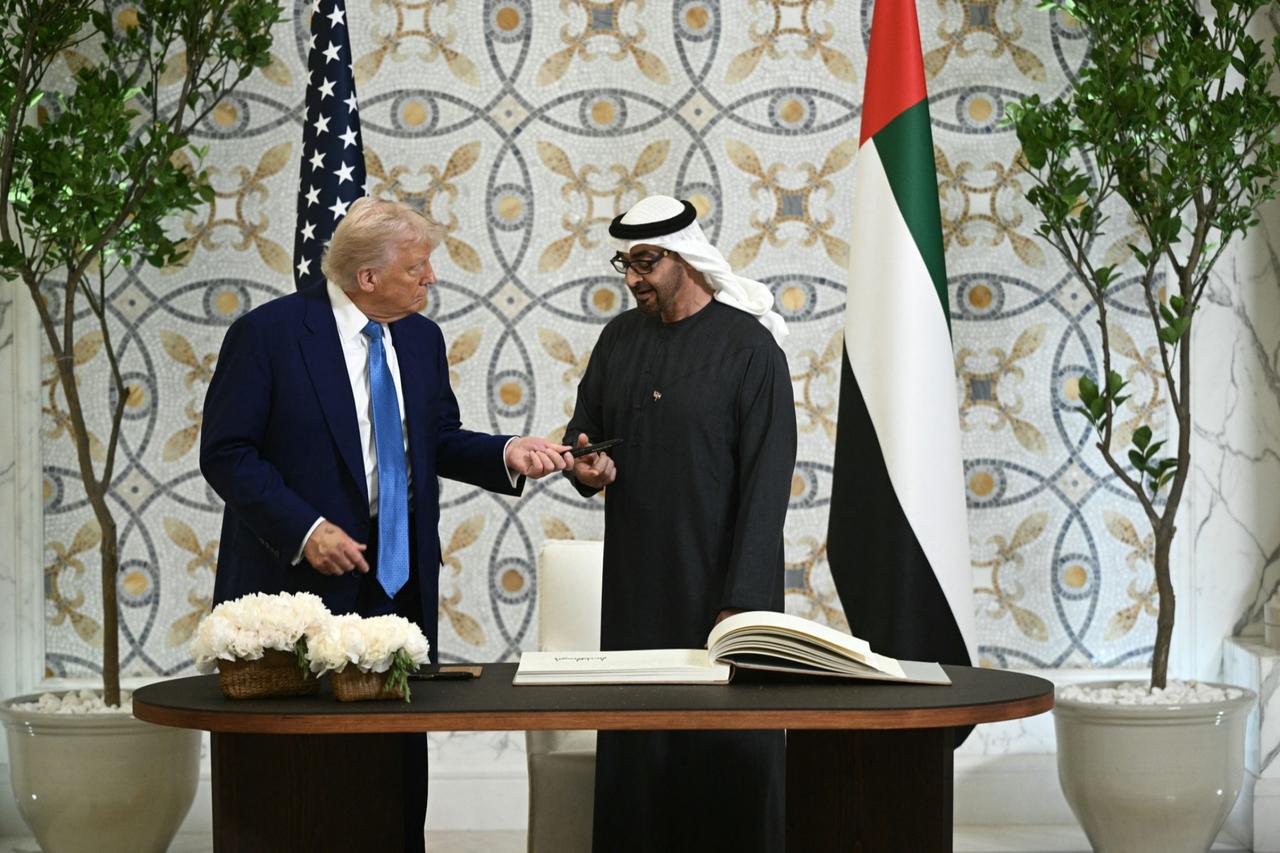


The United States on Friday rolled back major export restrictions on the United Arab Emirates, giving the Gulf ally broader access to advanced AI chips, military equipment and other controlled technologies.
The move follows the UAE's designation as a U.S. Major Defense Partner and reflects its support for American national security interests, including Operation Epic Fury, according to a statement from the Commerce Department's Bureau of Industry and Security (BIS).
Under the new policy, the UAE government and approved companies will gain wider access to controlled U.S. technologies, while restrictions on support for the country's unmanned aerial vehicle, or drone, programs will be lifted.
BIS said the changes are intended to strengthen the UAE's ability to support U.S. interests in the Middle East while advancing key commercial and infrastructure projects.
The updated rules cover a broad range of products, including Commerce-controlled military items, certain commercial satellites and spacecraft, as well as technologies used in oil and gas production, desalination and civil nuclear power generation.
The upgraded status "is warranted in light of the ongoing U.S.-UAE military partnership and the UAE's commitment to preventing the diversion and misuse of sensitive U.S. technology," the statement said.
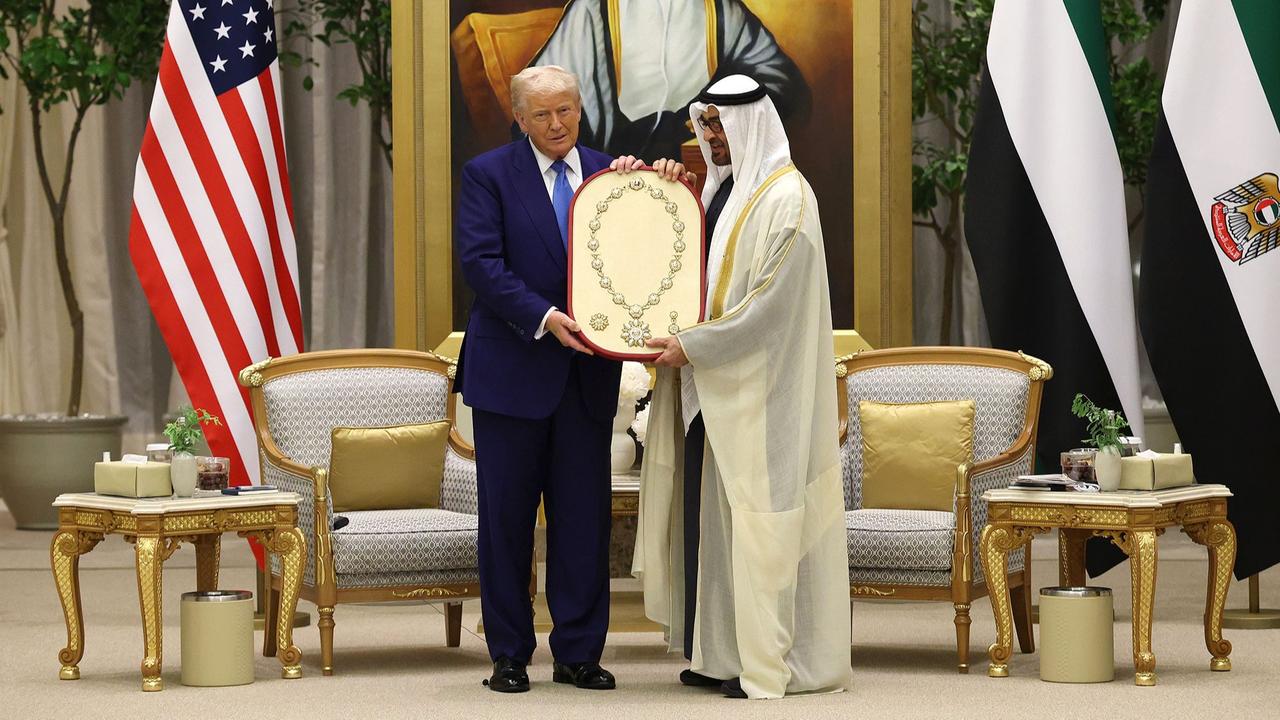

In a separate decision, the Commerce Department approved the UAE government and selected companies to receive advanced computing products, including AI chips and servers, without export licenses under the U.S.-UAE Artificial Intelligence Cooperation framework signed during President Donald Trump's visit to Abu Dhabi in May 2025.
The visit produced more than $200 billion in U.S.-UAE commercial agreements, with artificial intelligence emerging as a central pillar of the partnership.
The two countries also unveiled Stargate UAE, a 5-gigawatt AI campus in Abu Dhabi that is expected to become the world's largest AI infrastructure hub outside the U.S. The project brings together G42, OpenAI, Oracle, Nvidia, Cisco and SoftBank, with the first 1-gigawatt phase expected to begin operations in 2026.
The department said the UAE reaffirmed its commitments under the framework, including matching investments in U.S. artificial intelligence infrastructure. The new policy also clears approved UAE firms and U.S. companies operating in the country to receive advanced AI computing equipment without export licenses.


 Set as preferred source
 Set as preferred source


 1 min read
 1 min read