Newsletters




The administration of United States President Donald Trump on Friday issued a monthlong sanctions waiver allowing the sale of Russian oil and petroleum products already at sea, extending an earlier measure aimed at easing surging energy prices.
The license, issued by the Treasury Department, came two days after Treasury Secretary Scott Bessent said Washington would not renew the waiver.
The latest move allows for the purchase of oil and petroleum products loaded onto vessels as of Friday through 12:01 a.m. (4:01 a.m. GMT) on May 16, prolonging an earlier easing of sanctions that expired on April 11.
On Wednesday, however, Bessent told reporters the United States would not extend such waivers for Russian or Iranian oil.
Both measures were aimed at easing global supply shocks stemming from the U.S.-Israeli war against Iran.
Tehran retaliated by effectively closing the Strait of Hormuz, a key artery for global energy shipments, sending oil prices higher and squeezing economies, particularly those dependent on regional energy flows.
U.S. gasoline prices have also surged, putting pressure on households ahead of key midterm elections.
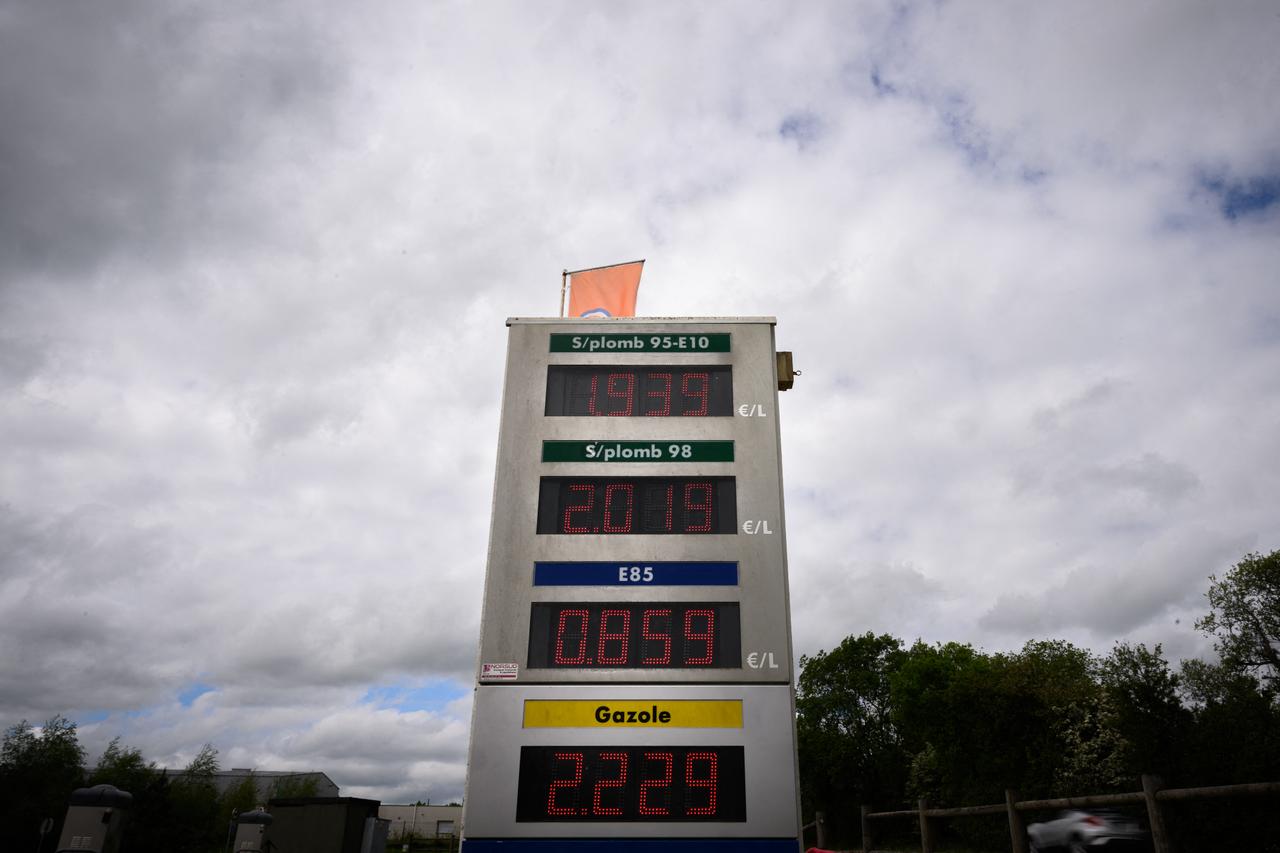
Fuel prices have risen sharply since the war began on Feb. 28, with the average U.S. gasoline price increasing by more than 30% to above $4 per gallon for regular unleaded fuel and more than 40% to over $5 per gallon for diesel, according to data from the American Automobile Association.
The Trump administration initially eased restrictions on Russian oil stranded at sea after the conflict disrupted markets, seeking to lower prices by allowing countries to purchase hundreds of millions of barrels of crude previously under U.S. sanctions.
As the war entered its second month and fuel prices continued to climb, the waiver was extended through May 16.
 1 min read
The renewal came as Iran announced earlier Friday that the Strait of Hormuz, a vital waterway that once carried 20% of the world’s oil, was fully open to commercial shipping.
Trump welcomed the move, saying in a social media post that the “Hormuz Strait situation is over” and that Iran had agreed never to close the waterway again.
Iran has made no such commitment. Foreign Minister Abbas Araghchi said the strait would remain open “for the remaining period of cease-fire” between the United States and Iran, which is set to expire next week.
American and Iranian negotiators are expected to meet in Pakistan for another round of talks before the truce ends.
The waiver could complicate Western efforts to cut Russia’s oil revenue tied to its war in Ukraine.
After a meeting of Group of Seven finance leaders in Washington this week, French Finance Minister Roland Lescure said “Russia mustn't be getting benefits from what's happening in Iran.”
He added that Ukraine should not become “collateral damage.”
Russia’s invasion of Ukraine, launched in 2022, has become the deadliest conflict in Europe since World War II.


 Set as preferred source
 Set as preferred source


 1 min read