Newsletters


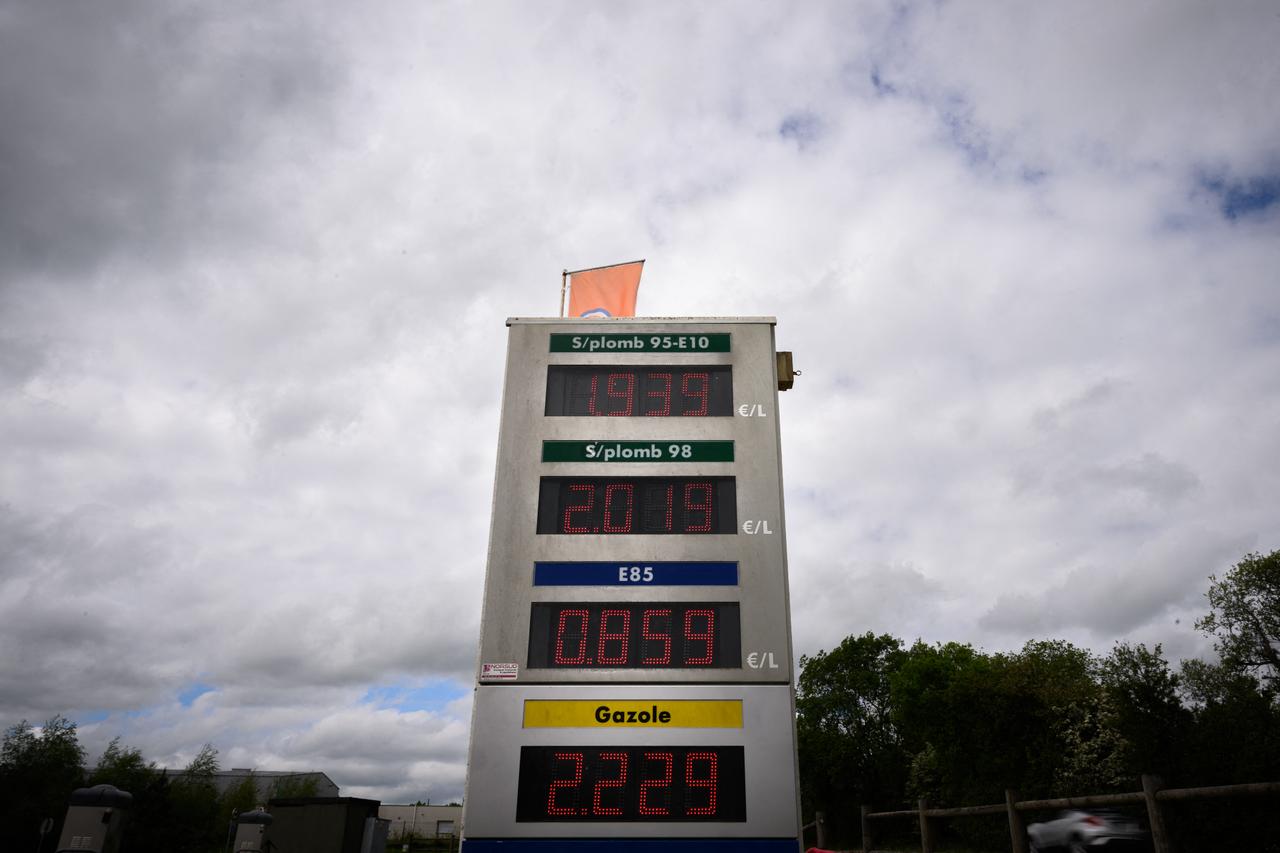


International Energy Agency chief Fatih Birol warned that the world must prepare for “significantly higher” energy prices if the Strait of Hormuz is not reopened, adding that even if the key waterway reopens, prices will not quickly return to normal.
Speaking to the Swiss newspaper Neue Zurcher Zeitung, Birol said global markets should expect continued volatility for some time.
“We should prepare for volatile markets for some time,” he said.
He also said the effects of higher prices would be felt across the world and warned that markets have been underestimating the impact of the war.
According to Birol, some of the immediate effects of the conflict were softened because oil and gas tankers that had already been loaded before the war began were still able to reach their destinations.
He said those shipments have so far “mitigated the impact” of the war.
But he added that no new tankers were loaded in March, pointing to growing pressure on supply.
Birol said it would take about two years overall for Middle Eastern energy output lost during the Iran war to return to pre-war levels.
He said the pace of recovery would differ from country to country.
“In Iraq, for example, it will take much longer than in Saudi Arabia. However, we estimate it will take approximately two years overall to reach pre-war levels again,” he said.
Birol said he had been warning for years about the world’s heavy dependence on the Strait of Hormuz.
He said the global economy, which he described as a “$110 trillion economy,” could be “held hostage by a few hundred armed men.”
“Now, we see how real that risk was,” he said.
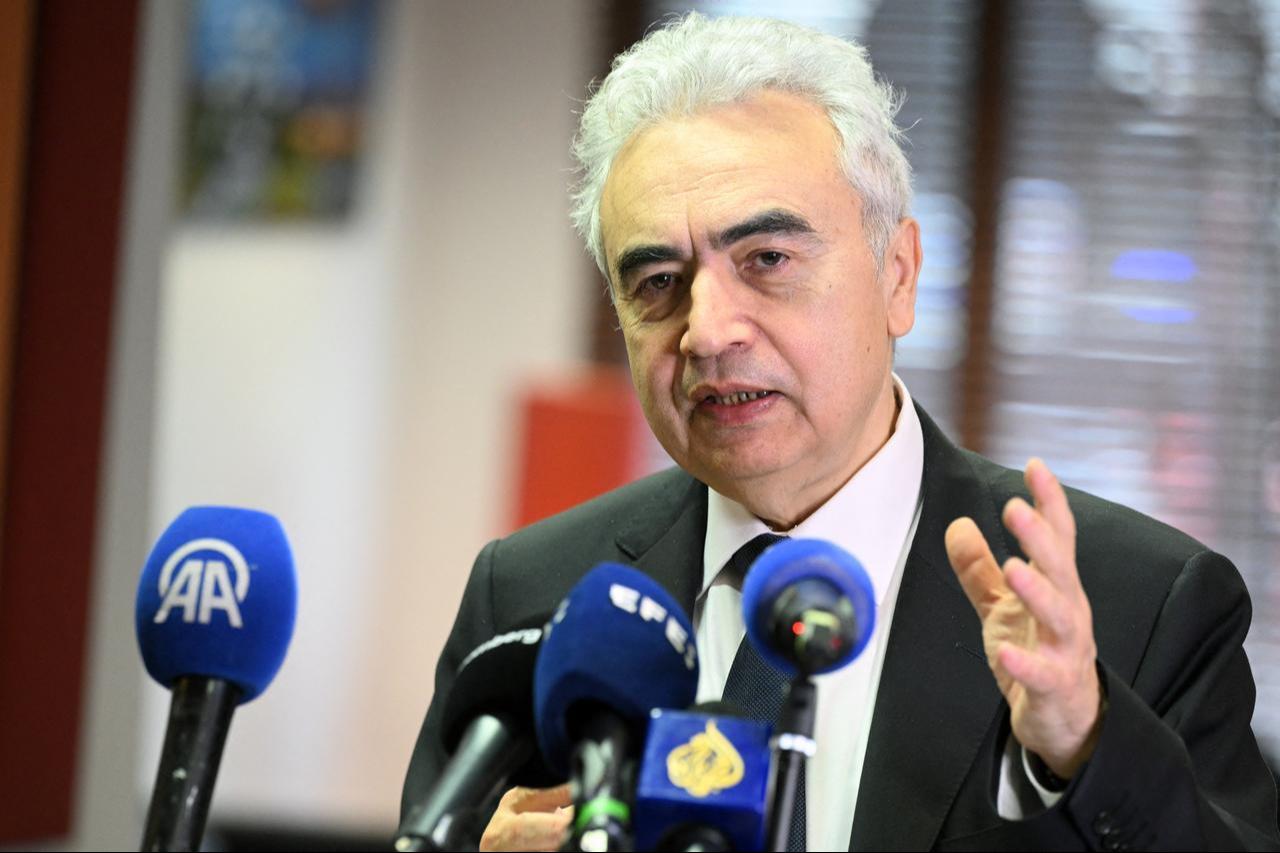

Birol’s latest comments came a day after he told The Associated Press that Europe has “maybe six weeks” of jet fuel left.
He also described the current situation as the “largest energy crisis we have ever faced.”
His comments underscored the scale of concern about the ongoing disruption and its possible long-term effects on global energy markets.


 Set as preferred source
 Set as preferred source


 1 min read

 1 min read