Newsletters


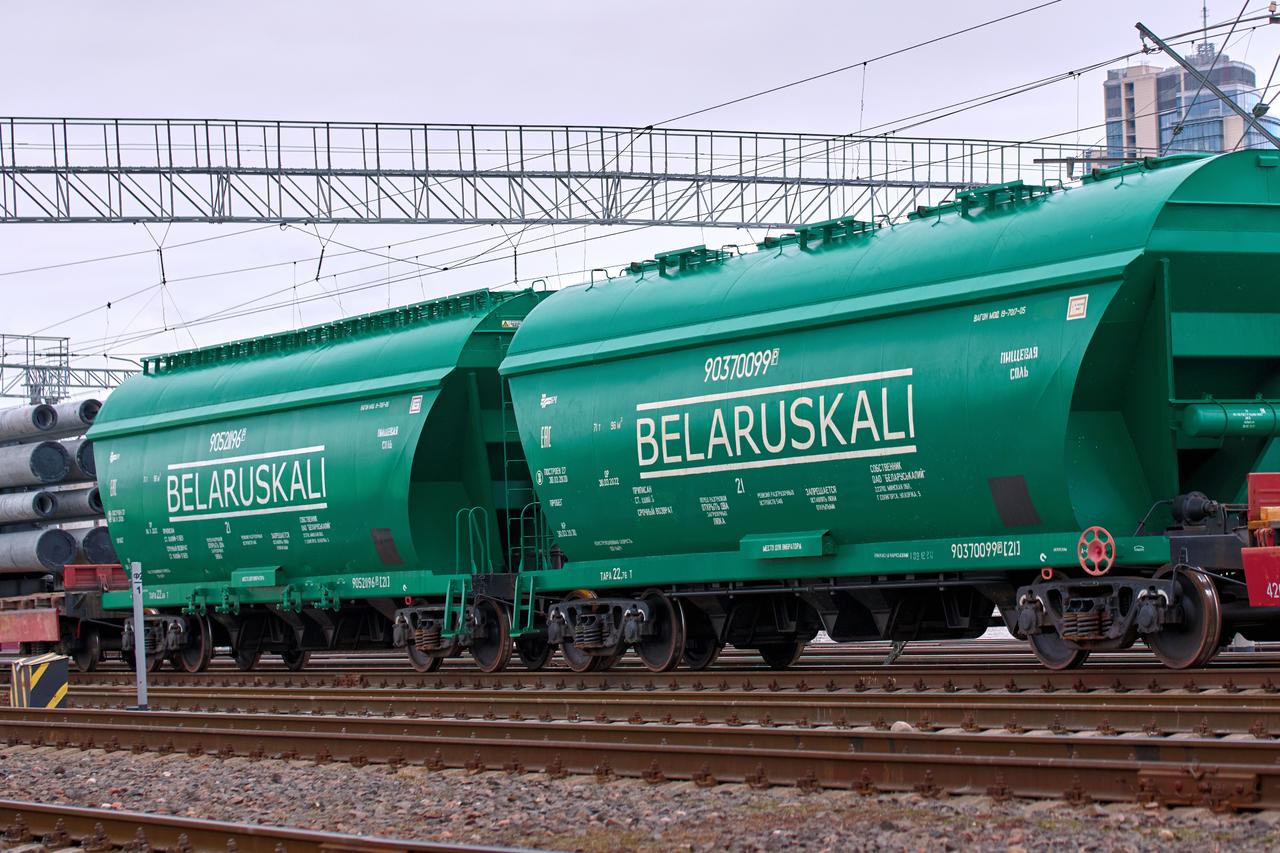


The United States has lifted sanctions on Belarusian potash producers that supply up to one-fifth of global output as fertilizer supply tightens following disruptions linked to the Iran war.
The move allows companies, including Belaruskali and the Belarusian Potash Company, to resume broader access to international markets at a time when supply shortages are emerging across key agricultural regions.
Fertilizer supply has come under strain since the conflict began, with the closure of the Strait of Hormuz disrupting shipments from the Middle East, a region that accounts for a significant share of global production and exports.
Prices have risen sharply in response. Urea export prices in the region increased about 40% to above $700 per metric ton, while fertilizer prices in the U.S. climbed as much as 30% over the same period. In some markets, dealers reported potential supply shortfalls of 25–35% during peak planting seasons.
The sanctions waiver also covers state-linked financial institutions, including Belinvestbank and the Development Bank, which support Belarus’s export sector. U.S. Special Envoy for Belarus John Coale said the process was completed faster than in previous cases after coordination with U.S. agencies ahead of his visit to Minsk.
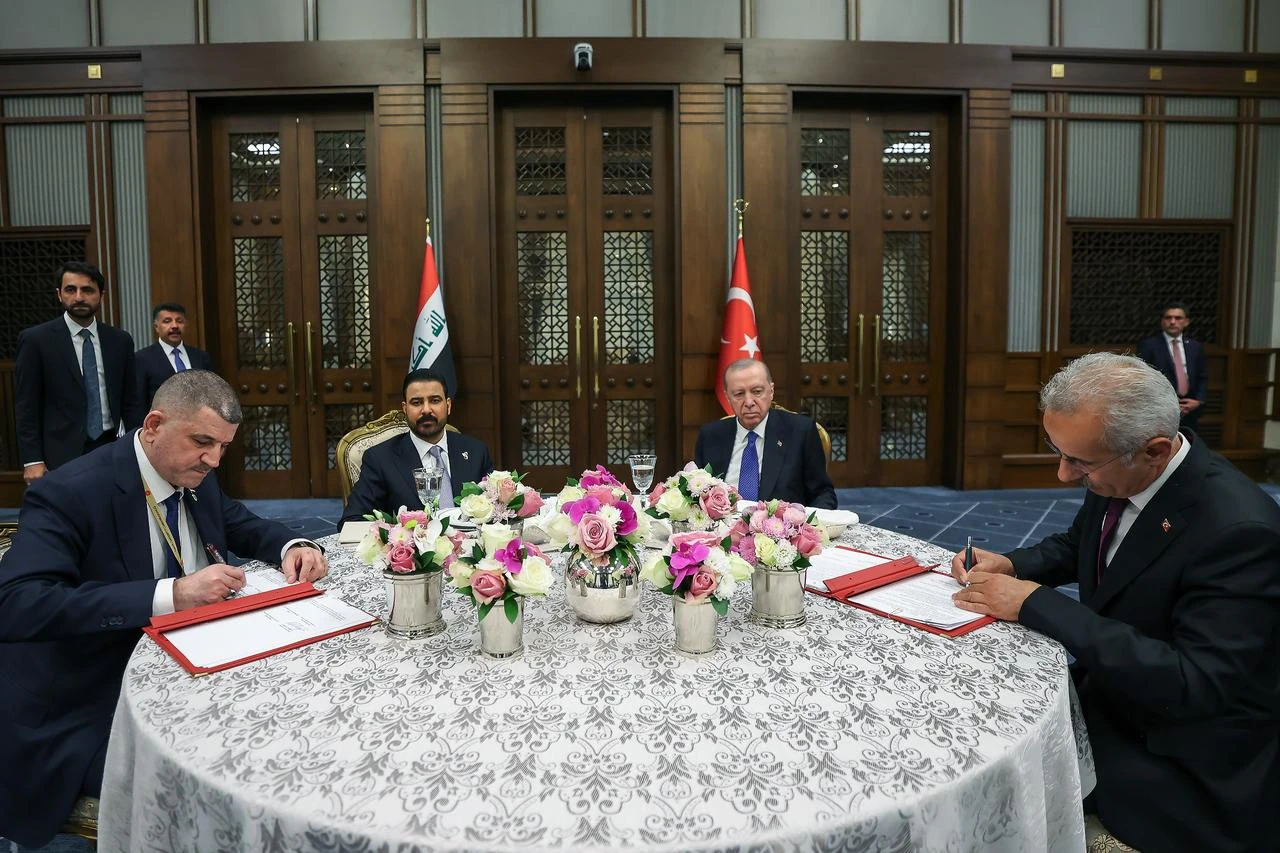
The decision followed talks between Coale and Belarusian President Alexander Lukashenko, after which Belarusian authorities announced the pardon of 250 prisoners.
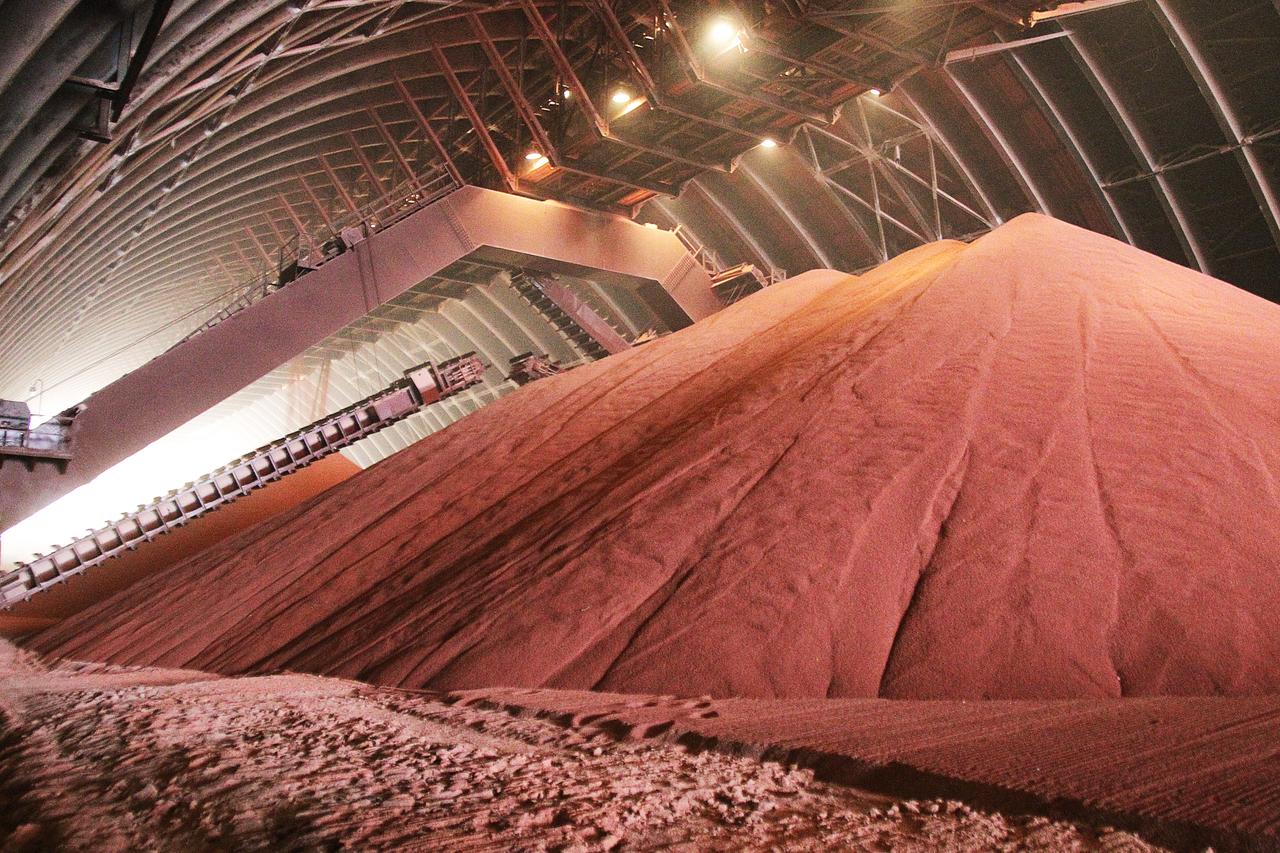

The global potash market has faced volatility since 2021 due to sanctions on Belarus and disruptions linked to Russian production, leading to shifts in supply and demand and periods of elevated prices.
The U.S. depends heavily on imports for potash, sourcing more than 95% of its needs from abroad, which increases sensitivity to supply disruptions.
Rising fertilizer costs are adding pressure on agricultural production. Fertilizer is a core input for crops such as wheat and corn, and higher prices can reduce usage and affect yields.
Since the conflict began, fertilizer prices across multiple categories have continued to climb globally, with some nutrients recording increases of up to 95% in recent years alongside further gains in 2026.
Belarus ranks among the world’s top three potash producers and exporters, supplying about 20% of global demand, or up to 12 million tonnes annually.


 Set as preferred source
 Set as preferred source


 1 min read
 1 min read