Newsletters




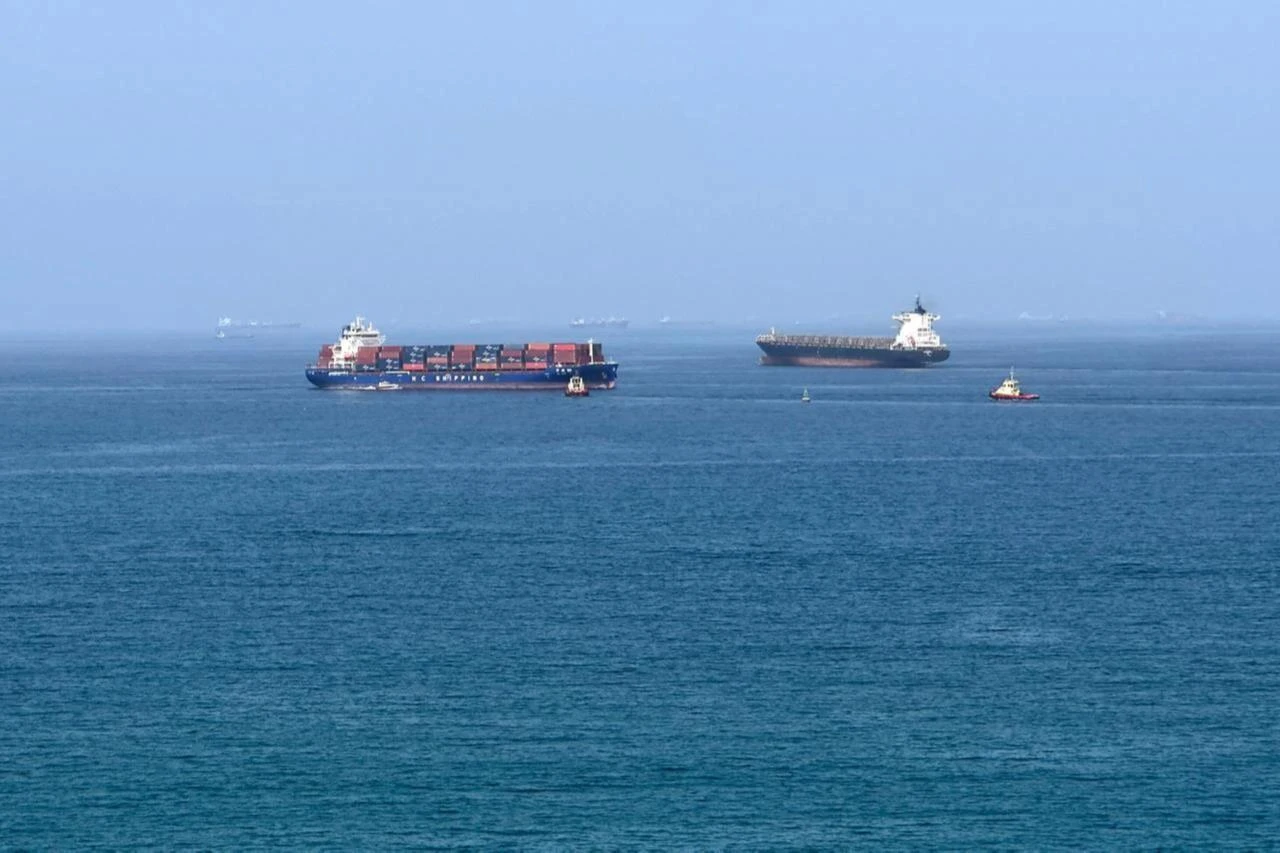
A credible multinational plan to reopen the Strait of Hormuz to safe commercial shipping is nowhere close to materializing, a senior British defense official said Wednesday, even as more than 3,000 vessels and 20,000 seafarers remain stranded in and around the waterway that Iran effectively shut down following U.S. and Israeli military strikes last month.
The warning from UK Armed Forces Minister Al Carns came on the same day that America's top intelligence official, Tulsi Gabbard, refused to tell senators whether she had cautioned President Donald Trump about the likelihood of Iran retaliating by closing the strait and striking Gulf neighbors, a question that has taken on growing urgency as the humanitarian and economic toll of the blockade deepens.
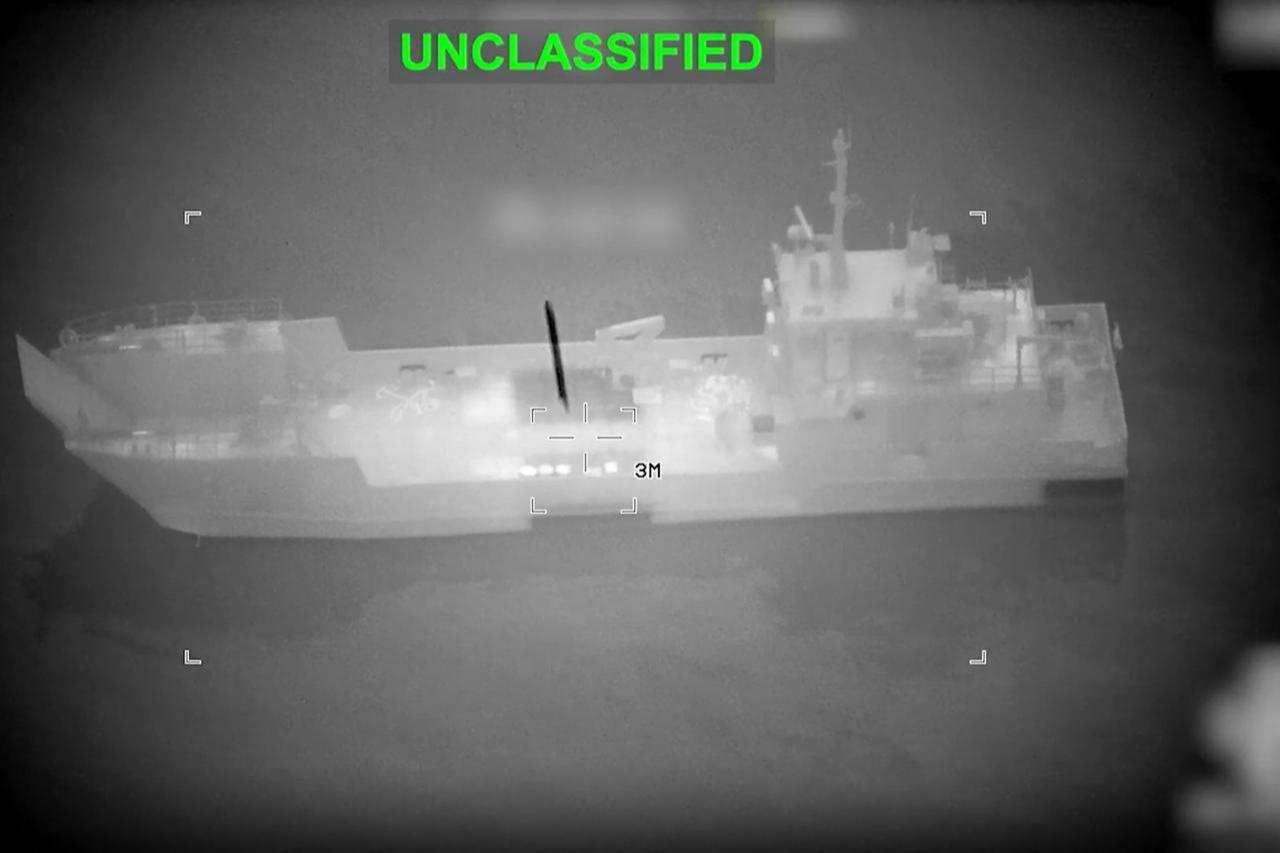

Carns told reporters Wednesday that the Iranian threat to shipping encompasses mines, fast attack boats, ballistic missiles, drones and other asymmetric capabilities, calling it "a significant military challenge" that requires "a multinational solution. We're not anywhere near that at the moment."
The British government says it is in discussions with allies worldwide about possible responses and has dispatched a team of military planners to U.S. Central Command, the Pentagon headquarters that oversees operations in the Middle East. Officials cautioned, however, that the talks remain at an early stage and are focused primarily on maintaining security once hostilities subside rather than on immediate action to break the blockade.
Trump himself has sent mixed signals on the issue, alternating between demanding that other countries send warships to force the strait open and insisting the United States does not need allied help. That inconsistency has complicated coalition-building efforts at a moment when maritime security experts say coordination is essential.
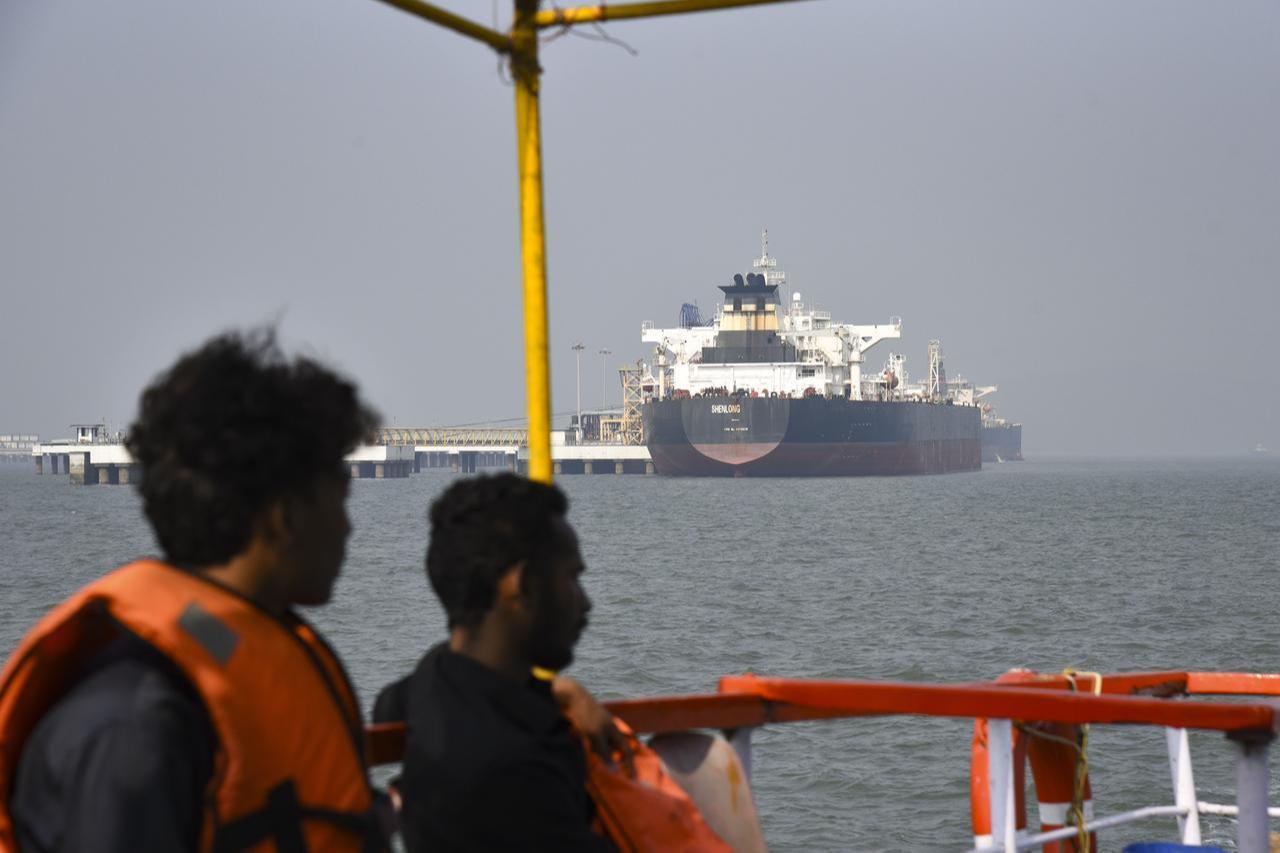
The human cost of the crisis took center stage Wednesday as the United Nations' International Maritime Organization opened a two-day emergency session in London to address the plight of the stranded fleet. The IMO confirmed that at least seven crew members have been killed since the conflict erupted last month.
Captain Andrew Cook, secretary general of the International Federation of Shipmasters' Associations, delivered a blunt assessment of conditions facing the trapped mariners. Seafarers are "sitting on board a steel box, basically imprisoned, because they can't get off the ship and the ship can't move," Cook said. Those aboard tankers, he added, are "surrounded by oil and gas. And some of them are being targeted by missiles. So it isn't a great place to be right now."
Cook urged world leaders not to treat seafarers as "pawns in a geopolitical conflict," a message directed squarely at the diplomats gathered for the IMO session.
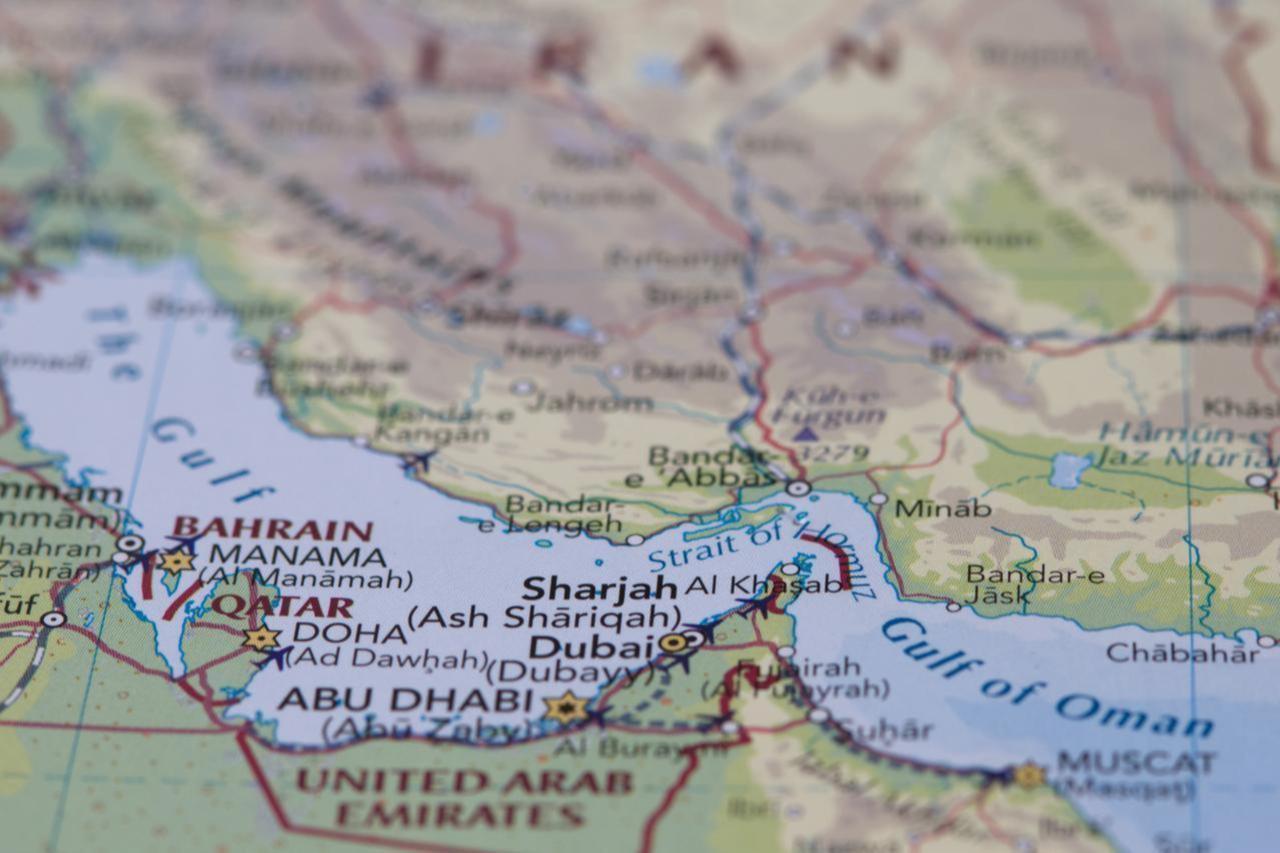
The Strait of Hormuz, a narrow passage between Iran and Oman at the mouth of the Persian Gulf, is one of the world's most critical energy chokepoints. Roughly a fifth of global oil consumption passes through its waters on any given day, and its closure has sent energy markets into turmoil since fighting began.
In Washington, the Senate Intelligence Committee's annual worldwide threats hearing put a sharp spotlight on whether the administration had anticipated Iran's response. Director of National Intelligence Gabbard, appearing alongside FBI Director Kash Patel, CIA Director John Ratcliffe and other senior intelligence leaders, was pressed repeatedly by Democratic Senator Mark Warner on whether the intelligence community had warned Trump that Iran might attack Gulf neighbors and shut the strait.
Gabbard declined to answer directly. "I have not and won't divulge internal conversations," she said. "I will say that those of us within the intelligence community continue to provide the president with all of the best objective intelligence available to inform his decisions."
Warner expressed visible frustration with the non-answer, pointing to Trump's own public remarks that suggest he did not expect Iran to lash out at neighboring Gulf states or choke off the waterway. The exchange underscored a widening debate in Washington over whether the administration adequately weighed the strategic consequences before launching military operations against Tehran.


 Set as preferred source
 Set as preferred source


 1 min read
 1 min read