Newsletters


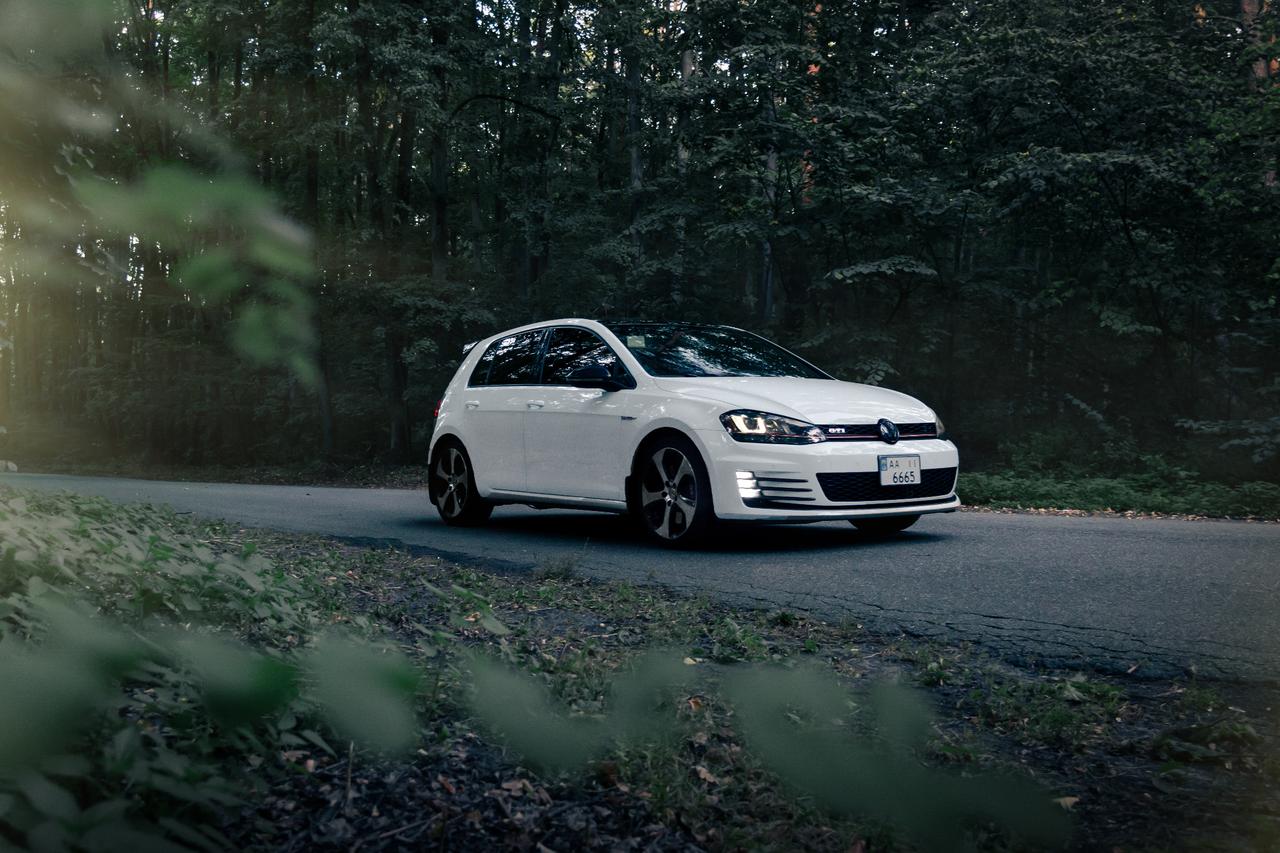


Volkswagen may halt sales of its iconic Polo model in Türkiye after new customs duties made the compact car financially uncompetitive, the automaker's country chief said in a television interview this week.
Giovanni Gino Bottaro, general manager of Volkswagen Passenger Cars in Türkiye, told CNBC-e's Oto Ekonomi program that additional tariffs imposed on vehicles imported from outside the European Union and free trade agreement partners have pushed the Polo's price to near-Tiguan levels, effectively pricing it out of its market segment.
The customs regulation, which took effect Nov. 22, subjects the Polo—one of Volkswagen's best-selling models in Türkiye—to increased import taxes. Bottaro said the company has been working closely with the manufacturer to find alternatives, but the burden of the new duties combined with rising logistics costs has made the vehicle unviable.

"We are in very close contact with the manufacturer," Bottaro said. "Türkiye is currently the fifth largest Volkswagen market in Europe, both in terms of market size and our performance. This probable loss with the Polo is not a happy situation for the manufacturer either."
The executive said Volkswagen had raised concerns about potential problems with decision-makers but has struggled to identify solutions. He described the 50-year-old model as iconic and said discontinuing it would be regrettable if the tariff issue cannot be resolved.
The customs changes reflect Türkiye's broader trade policy framework, which applies different tariff treatments to goods based on trading relationships. Vehicles from EU member states and countries with which Türkiye has free trade agreements typically face lower or no additional duties, while imports from other origins are subject to standard customs rates.
Despite the immediate challenges, Bottaro indicated that Volkswagen plans to introduce electric versions of the Polo in the Turkish market by late 2026. The vehicles, to be branded as ID Polo and ID Cross, represent the company's shift toward electrified nameplates.
"Names are changing in electric models," Bottaro explained. "We may be losing the Polo, but in the last quarter of 2026, sales of these two models will be starting worldwide, and we will probably be bringing them to Türkiye in the same period."
He said the company expects a roughly one-year gap before the electric Polo variant arrives, which he described as more dynamic than the current model. The ID Polo is designed to fill the void left by the conventional Polo, and Volkswagen is currently conducting pricing studies for the new electric vehicles.
 1 min read
Bottaro also addressed questions about the Passat and Jetta models, which Volkswagen produces for Asian markets. While the company has been manufacturing vehicles in China for 30 years and has led the Chinese market for 29 years, he said bringing those models to Türkiye faces regulatory obstacles.
"As you all know, for a car to be imported into Türkiye, it needs to be European homologated," Bottaro said. "Unless this process is resolved, it is not possible for these two models to enter Türkiye."
Volkswagen's challenges in Türkiye reflect broader tensions between automakers and governments over trade policies, which increasingly affect product availability and pricing in individual markets. The company's consideration of discontinuing a half-century-old nameplate underscores how quickly tariff changes can reshape market dynamics for imported vehicles.


 Set as preferred source
 Set as preferred source


 1 min read