Newsletters




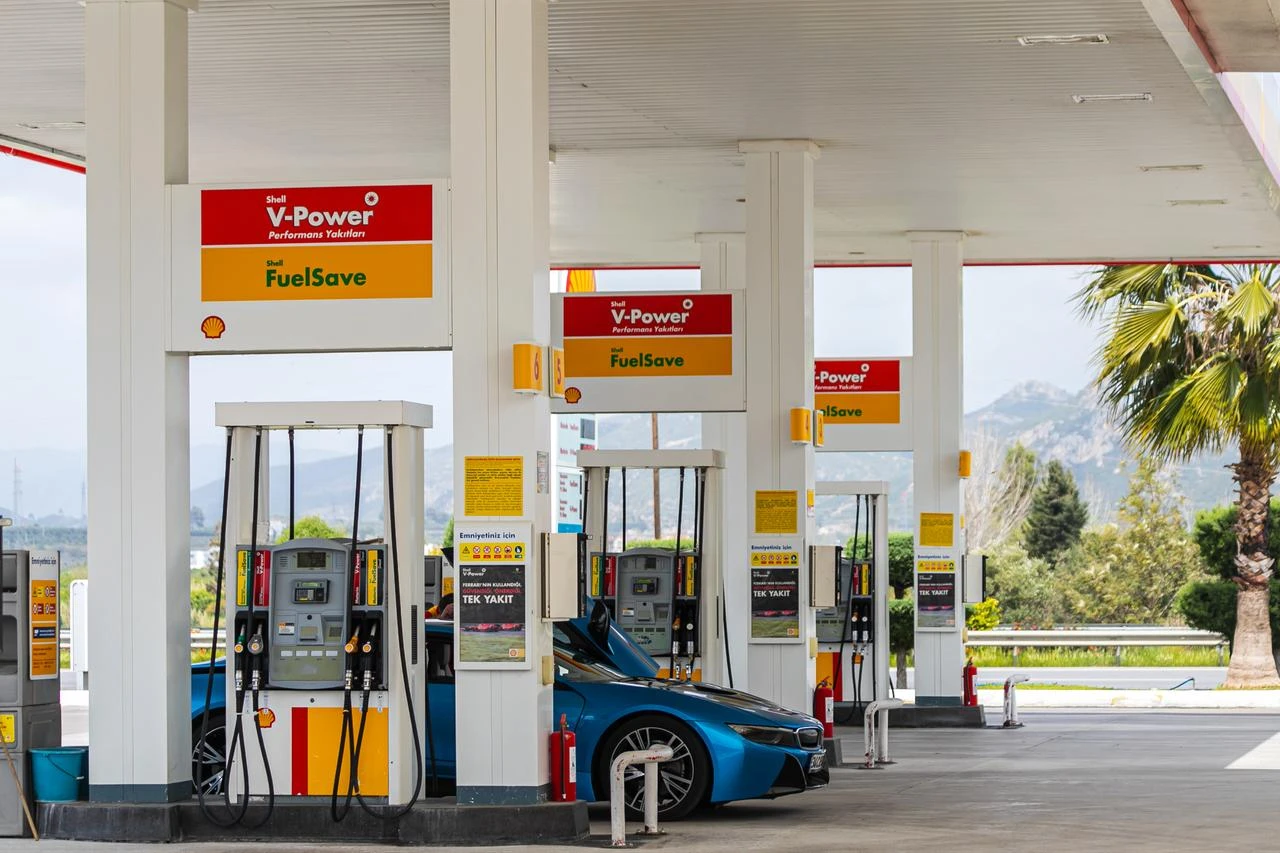
European policymakers are preparing to dial back their plan to prohibit the sale of new combustion-engine vehicles by 2035, following sustained lobbying from major carmakers and growing concerns over industrial competitiveness and job security.
A delay of up to five years is under discussion, along with potential exemptions that could alter or remove the planned restriction altogether, a Bloomberg report suggested.
The shift comes amid heightened pressure from companies such as Mercedes-Benz and Stellantis, which had warned of multi-billion-euro penalty risks under the original framework.
The proposed changes stem from growing pressure on Europe’s auto industry as it adapts to electrification targets.
Sluggish electric vehicle demand and rising production costs have disrupted earlier investment plans, leading manufacturers to delay or downsize battery-related projects.
Suppliers, especially smaller firms producing traditional engine components, face heightened risk as orders decline faster than EV output grows. Industry associations have cautioned that the current trajectory could trigger widespread job losses unless transition policies better reflect market dynamics.
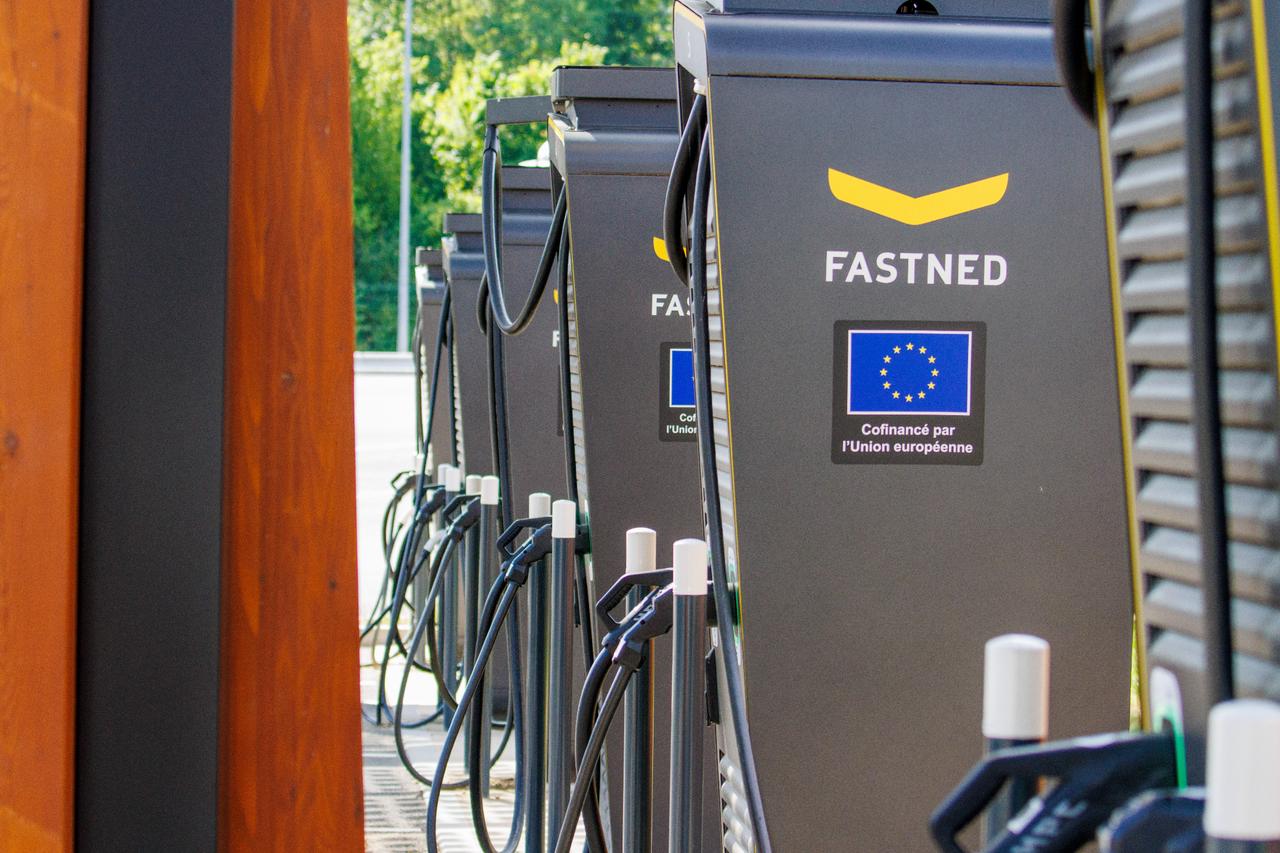
To help cushion the impact and maintain momentum toward cleaner transport, the European Commission is set to introduce a set of incentives targeting compact electric cars built within the bloc.
The measures, expected to be unveiled next week according to the report, include regulatory waivers and financial perks such as subsidized parking and purchase support.
The goal is to ease compliance costs and stimulate consumer interest, particularly in markets where electric vehicle adoption remains sluggish. However, national governments will retain control over key fiscal levers, and many face limited budget space to expand incentives.
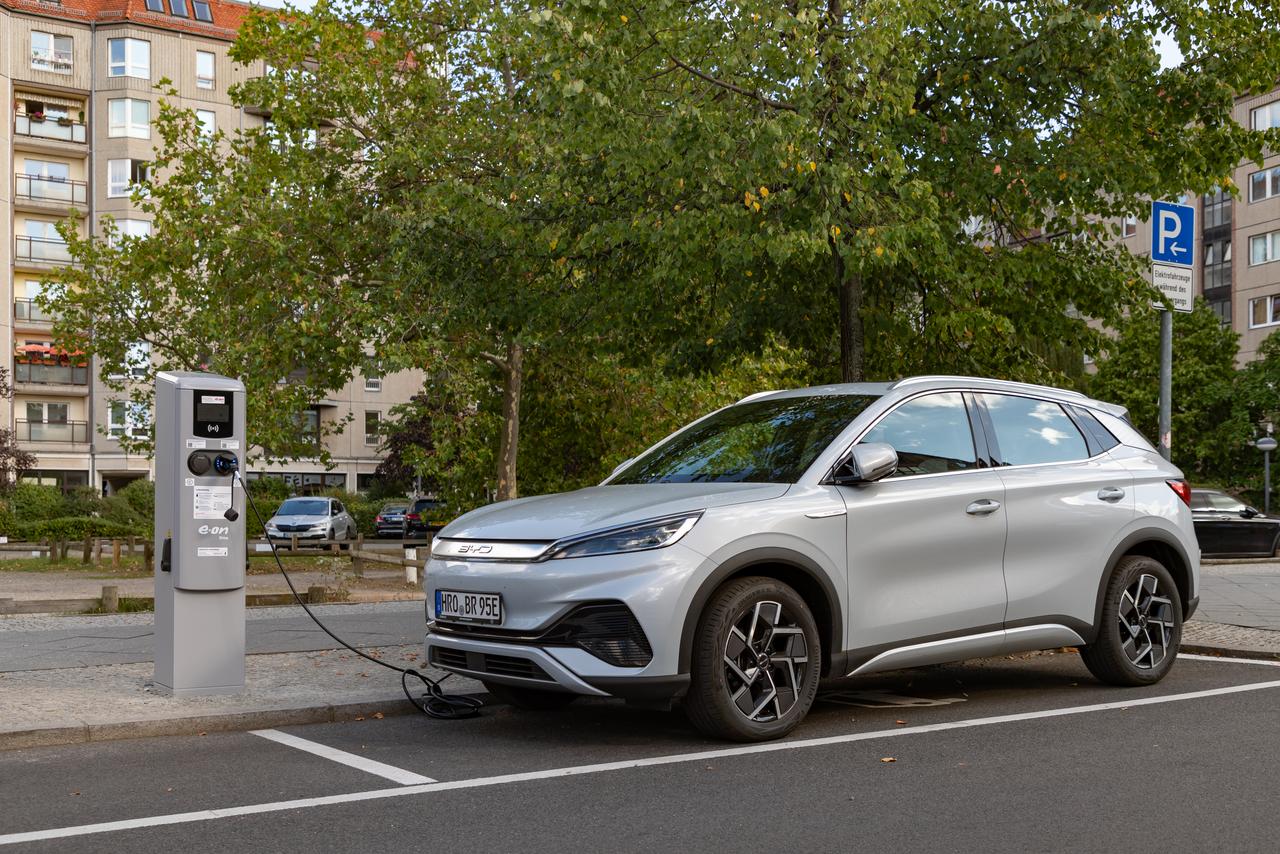

While automakers have welcomed the prospect of added flexibility, many executives remain skeptical that extra time will address the underlying barriers to EV expansion, the report noted.
High energy costs, lengthy permitting procedures, and a lack of domestic battery production continue to hamper competitiveness.
"We will only be able to do something for climate protection if we have a competitive manufacturing sector," German Chancellor Friedrich Merz said during a recent press conference, pointing to the need for urgent structural reform.
Earlier this month, EU officials also delayed the introduction of fuel-based carbon charges by one year to avoid voter backlash, even as they endorsed a new long-term emissions target.


 Set as preferred source
 Set as preferred source


 1 min read
 1 min read