Newsletters


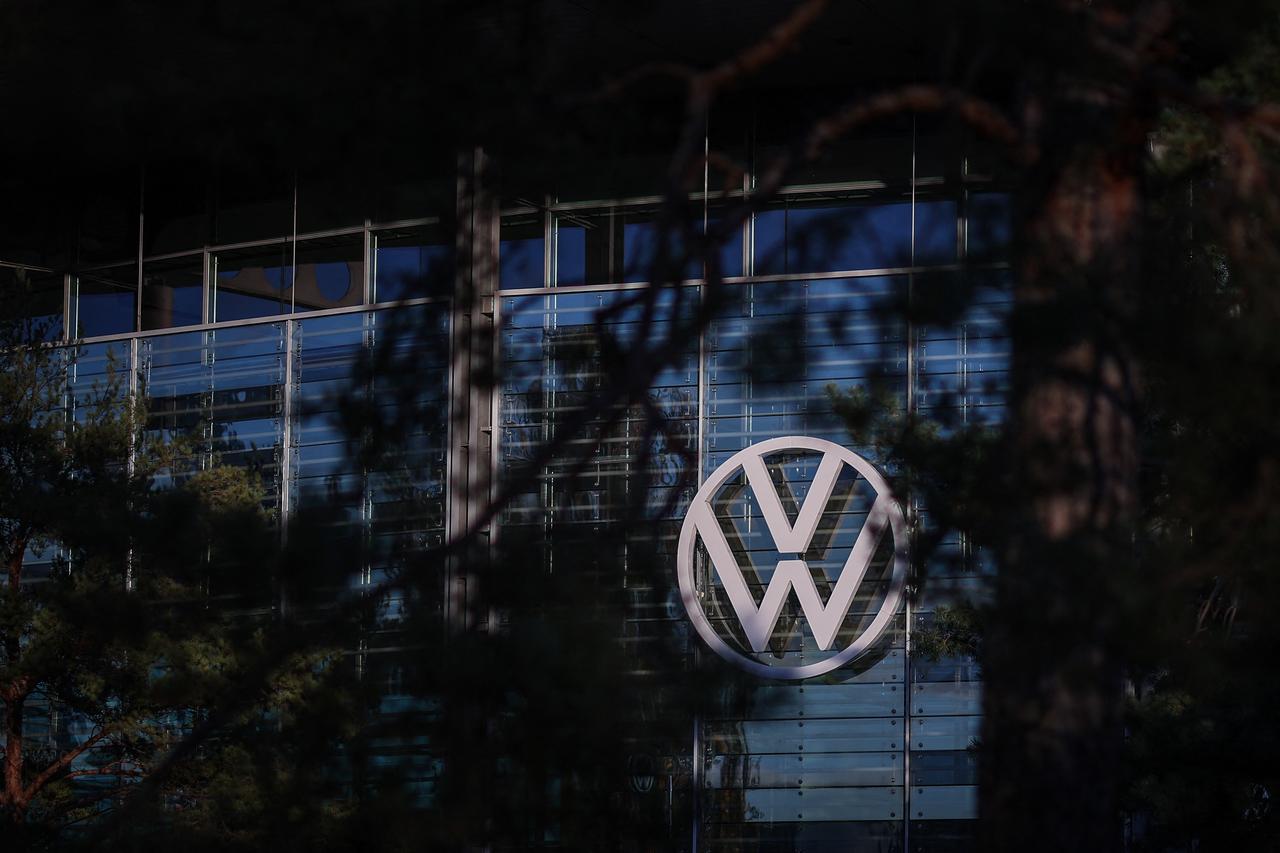


Germany’s largest carmaker, Volkswagen, said Tuesday that it plans to eliminate around 50,000 jobs in Germany by 2030 as it tries to restore profitability after earnings dropped to their lowest level in nearly a decade.
The planned reductions will affect multiple parts of the Volkswagen Group, including its premium brands Audi and Porsche as well as software subsidiary Cariad, Chief Executive Officer Oliver Blume said in a letter to shareholders published with the company’s annual report.
The decision expands an earlier agreement reached with labor unions at the end of 2024, when the company committed to cutting 35,000 positions at the core Volkswagen brand by 2030 as part of a program designed to generate €15 billion ($16.3 billion) in annual savings.
Volkswagen reported sales revenue of €321.9 billion in 2025 from 9 million cars sold, a slight drop from €324.7 billion a year earlier. Earnings after tax came in at €6.9 billion ($8 billion), a decline of about 44% from the previous year, marking the group’s lowest annual profit since 2016.
The company said its performance was weighed down by several pressures, including tariffs imposed by the United States on foreign automakers, slowing demand in Europe, and falling sales in China.
Volkswagen had long been the dominant foreign automaker in China, the world’s largest car market. But competition from domestic brands such as BYD and Geely has intensified, pushing the German group behind local rivals in sales.
Blume warned that Chinese manufacturers expanding into Europe could intensify price competition. "We need to prepare ourselves for the fact that we will come under price pressure here," he said, adding that the situation requires the company to work more aggressively on reducing costs.

Traditional automakers are facing a difficult shift to electric vehicles, which usually bring lower profit margins than comparable gasoline or diesel models. At the same time, European Union climate rules are pushing manufacturers to expand their EV lineups.
Blume said Porsche’s move into electric vehicles was necessary despite slower-than-expected demand. “If they hadn't done so, the company would no longer be viable due to CO2 regulations,” he said. “The decisions made were right ones.”
He said the challenges facing the company go beyond a temporary slowdown in Germany’s auto industry. "The business model that has sustained us for decades in the Volkswagen Group — and across the German automotive industry — no longer works in its current form," he said.
"We simply have to compare ourselves with the competition, which in Europe will increasingly come from China," he added. "We have to fight back."
Volkswagen expects its core profit margin to range between 4% and 5.5% in 2026, compared with an adjusted margin of 4.6% in the most recent year.


 Set as preferred source
 Set as preferred source


 1 min read
 1 min read