Newsletters


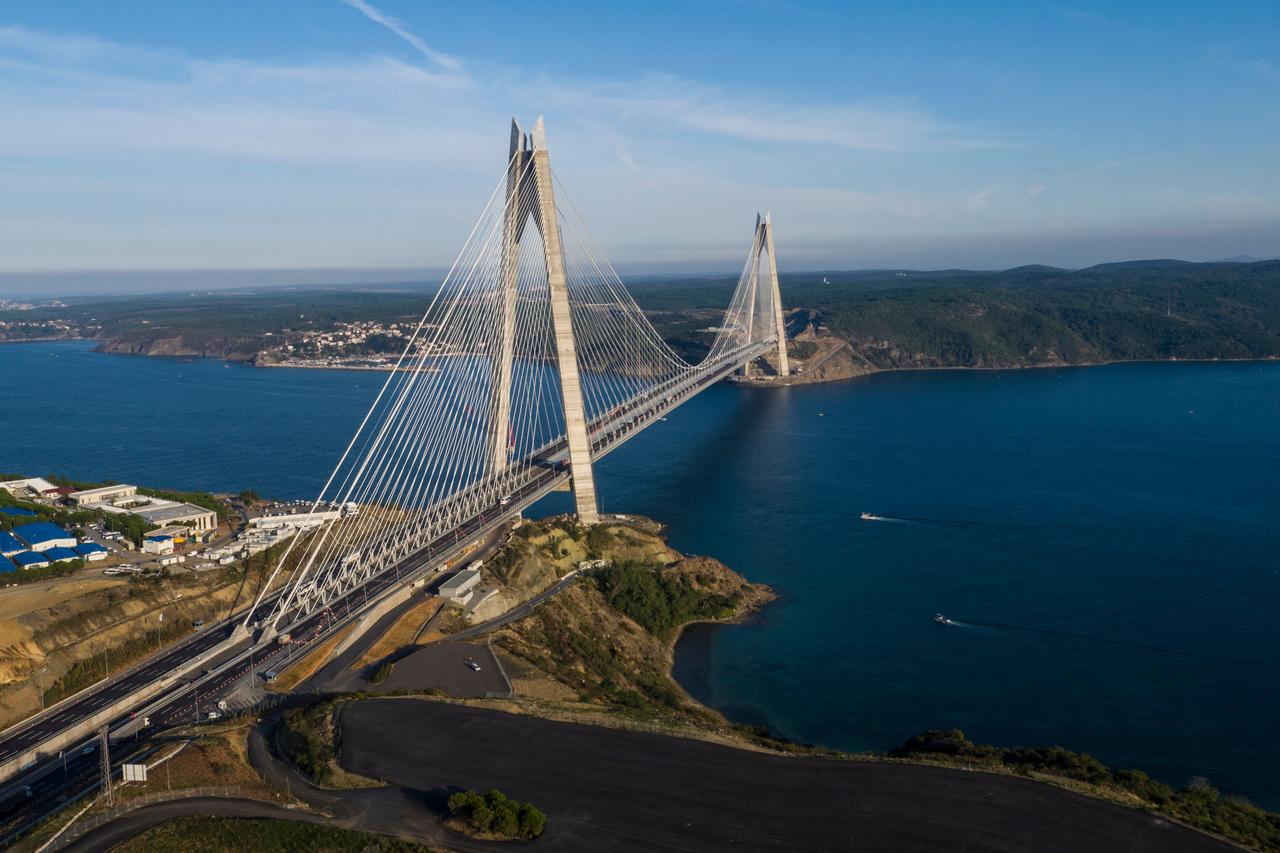


The World Bank has approved €1.67 billion ($2 billion) in concessional financing for Türkiye’s Istanbul Northern Rail Crossing Project, the Treasury and Finance Ministry announced on Wednesday.
The funding is part of a broader $6.75 billion package unveiled in February, backed by major international lenders including the Asian Infrastructure Investment Bank, Asian Development Bank, Islamic Development Bank, European Bank for Reconstruction and Development, and the OPEC Fund for International Development.
The loan will support construction of a railway line linking Gebze, Sabiha Gokcen Airport, Yavuz Sultan Selim Bridge, Istanbul Airport, and Halkali, forming a continuous corridor across the northern part of the city.
The project, also referred to as INRAIL, will deliver a high-capacity, electrified railway stretching roughly 125 kilometers (77.7 miles), including 44 tunnels totaling 59.1 kilometers and 42 bridges spanning 22.4 kilometers.
With an estimated total cost of around $8.3 billion, the project is being delivered through coordinated international financing, with the World Bank leading preparation and co-financing efforts, according to the World Bank.
By using the rail-ready Yavuz Sultan Selim Bridge and bypassing central Istanbul, the line is designed to create an alternative rail crossing of the Bosphorus, removing a key bottleneck in Türkiye’s transport network and enabling uninterrupted rail traffic between Europe and Asia.
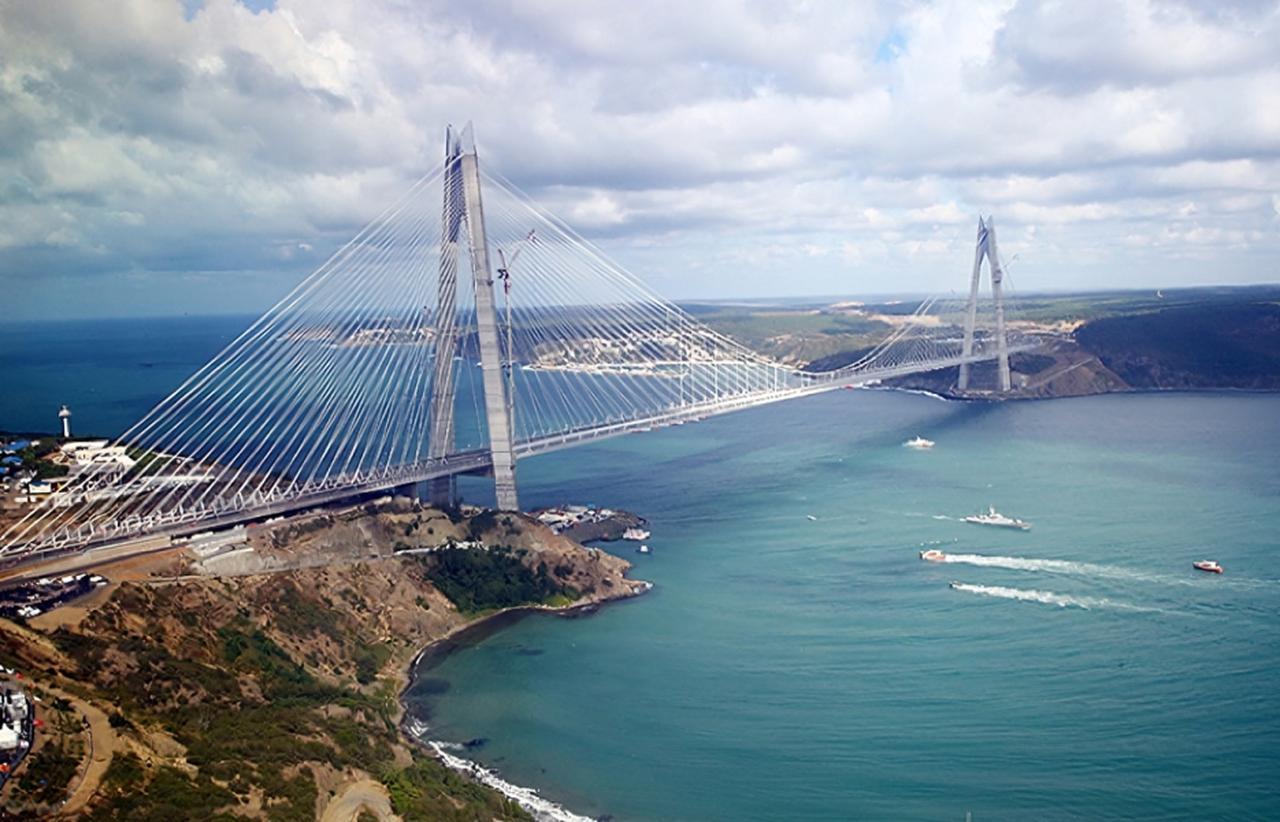

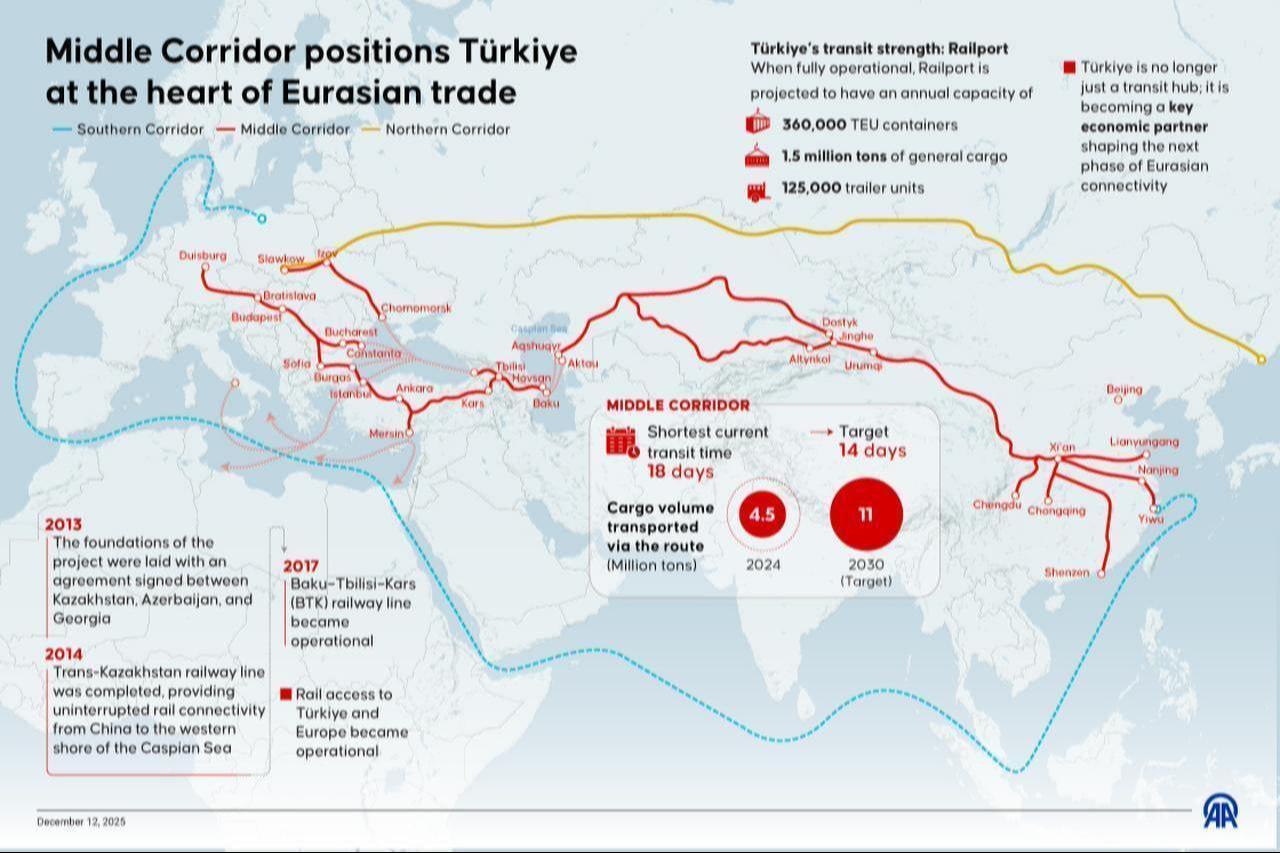
The project targets critical transport routes passing through Istanbul, including the Trans-Caspian corridor, the Türkiye–EU corridor, and the Iraq Development Road, which are central to regional trade but currently face capacity constraints at the Bosphorus.
Once completed, the line is expected to carry 33 million passengers and 30 million tons of freight annually, while significantly expanding overall freight capacity across the Bosphorus from around 3 million tons to as much as 50 million tons per year.
Authorities expect the new line to improve travel times, reliability, and cost efficiency for freight operators, while strengthening Türkiye’s position as a logistics hub linking Europe, Asia, and the Middle East. About half of the route will run through tunnels, reducing exposure to extreme weather risks such as heat, flooding, strong winds, and wildfires, and improving operational resilience.
It is also expected to generate up to 414,000 better-paying jobs, including up to 99,000 new positions, with spillover effects across manufacturing, agriculture, and services.
The ministry said the agreement reflects Türkiye’s ongoing push to secure external financing on favorable terms. Treasury and Finance Minister Mehmet Simsek noted the deal lifts total concessional external funding secured in 2026 to around €3 billion.
"Our economic program, which prioritizes sustainable growth and social welfare, will continue to strongly support public investments in the transport sector within the framework of the Medium-Term Program," Simsek said.
He also pointed to continued cooperation with the World Bank, adding that under the 2024–2028 Country Partnership Framework, Türkiye targets an additional $18 billion in funding alongside the existing $17 billion portfolio, bringing the total to $35 billion.


 Set as preferred source
 Set as preferred source


 1 min read
 1 min read