Newsletters


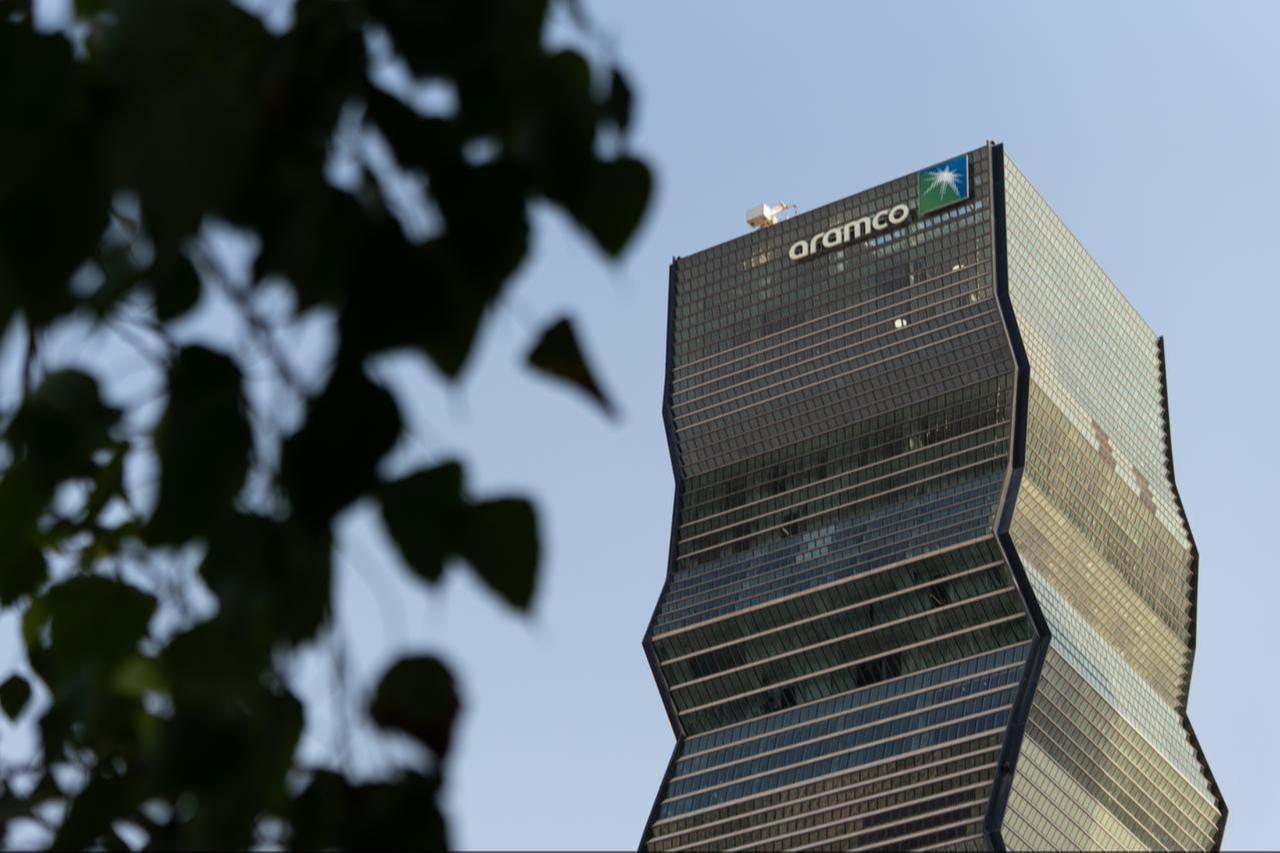


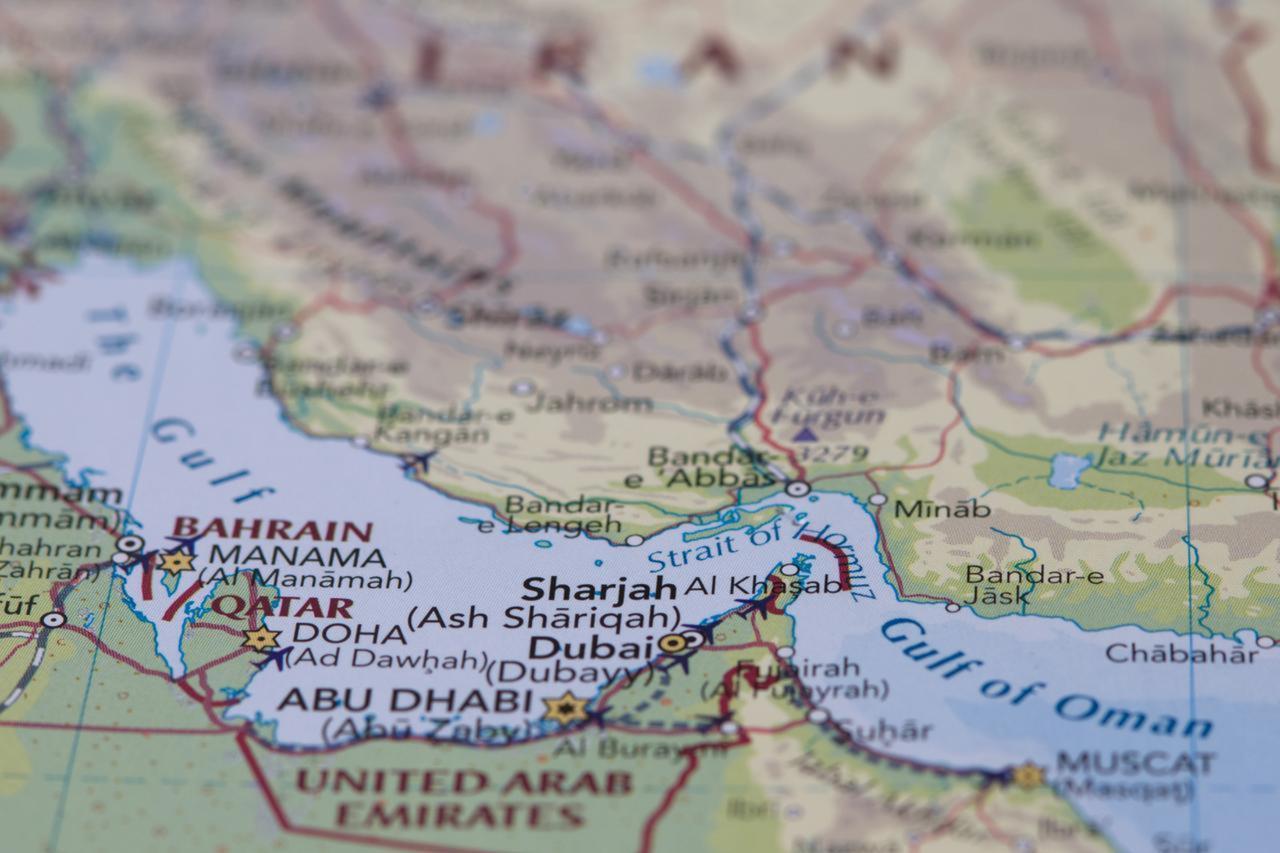
Saudi Arabia’s state oil giant Saudi Aramco warned Tuesday that a prolonged disruption to shipping through the Strait of Hormuz could have severe consequences for the global economy, underscoring the waterway’s central role in global oil supply.
"There would be catastrophic consequences for the world’s oil markets the longer the disruption goes on, and the more drastic the consequences for the global economy," CEO Amin H. Nasser said.
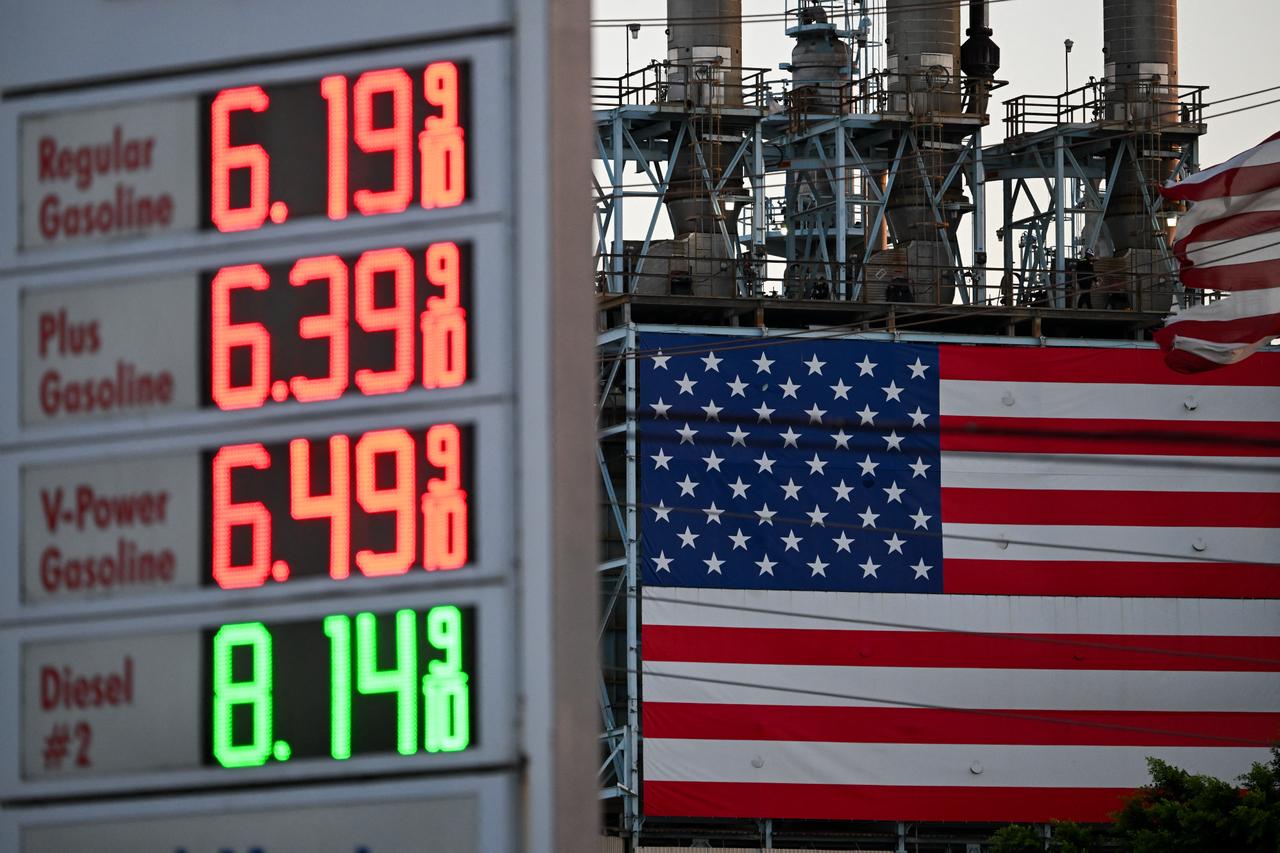
Oil prices, which tested $119 per barrel in early trading Monday, eased Tuesday to around $90 after U.S. President Donald Trump said sanctions on some oil exports, including Russian supplies, could be temporarily lifted and suggested the war involving Iran may end sooner than expected.
Trump also reiterated that the U.S. Navy would escort oil tankers through the Strait of Hormuz if necessary to keep shipments moving, adding that mine-clearing and maritime security operations are also being prepared to ensure safe passage for commercial vessels.
Nasser stressed that uninterrupted traffic through the Strait of Hormuz is essential, noting that most of the world’s spare oil production capacity is concentrated in the Middle East.
"Spare oil output capacity is mostly concentrated in this region, so shipping resuming in the Strait of Hormuz is absolutely critical," the CEO said. "With the current geopolitical crisis, global inventories are already at a five-year low; we will see faster drawdowns."
He added that the disruption has already begun to ripple beyond the energy sector, with supply chain pressures spreading across industries, including shipping, insurance, aviation, agriculture, and automotive manufacturing.
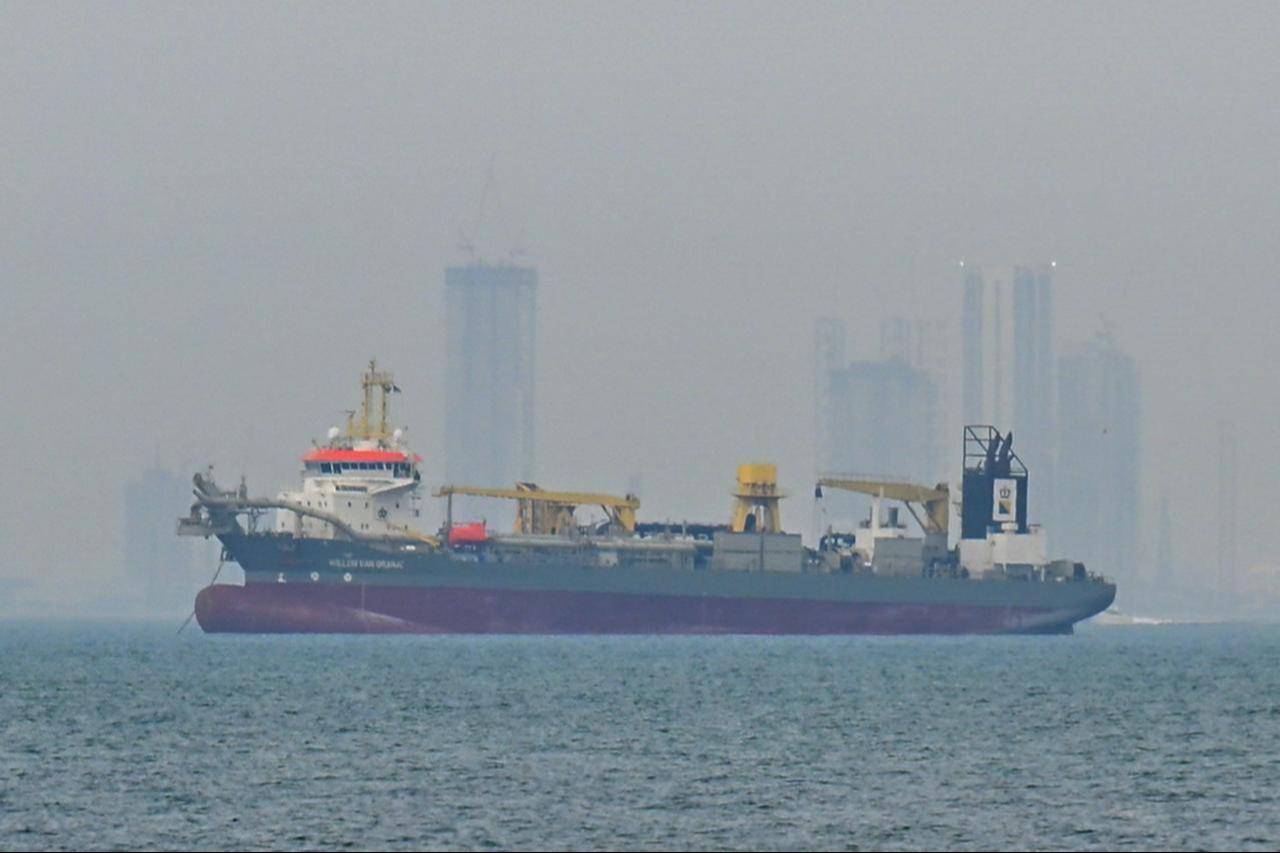

To maintain exports while shipping routes remain under strain, Nasser said it is using its East-West pipeline across Saudi Arabia as an alternative route to the Red Sea.
"The only access we have is the East-West pipeline, a 7 million bpd, which we are capitalizing on for Arab Light and Extra Light," the CEO explained, emphasizing that storage capacity both inside and outside the kingdom remains sufficient.
"We work on various scenarios to make sure the system has ample storage flexibility; internationally, we can tap our global storage hubs," he stated. "We are doing our best to meet the majority of our customers' requirements under the current circumstances."
The company also reported its financial results for 2025 on the same day, showing a drop in profit as global economic pressures weighed on revenues. Net income fell 12.1% to $93.38 billion in 2025, compared with $106.24 billion in 2024.


 Set as preferred source
 Set as preferred source


 1 min read
 1 min read