Newsletters


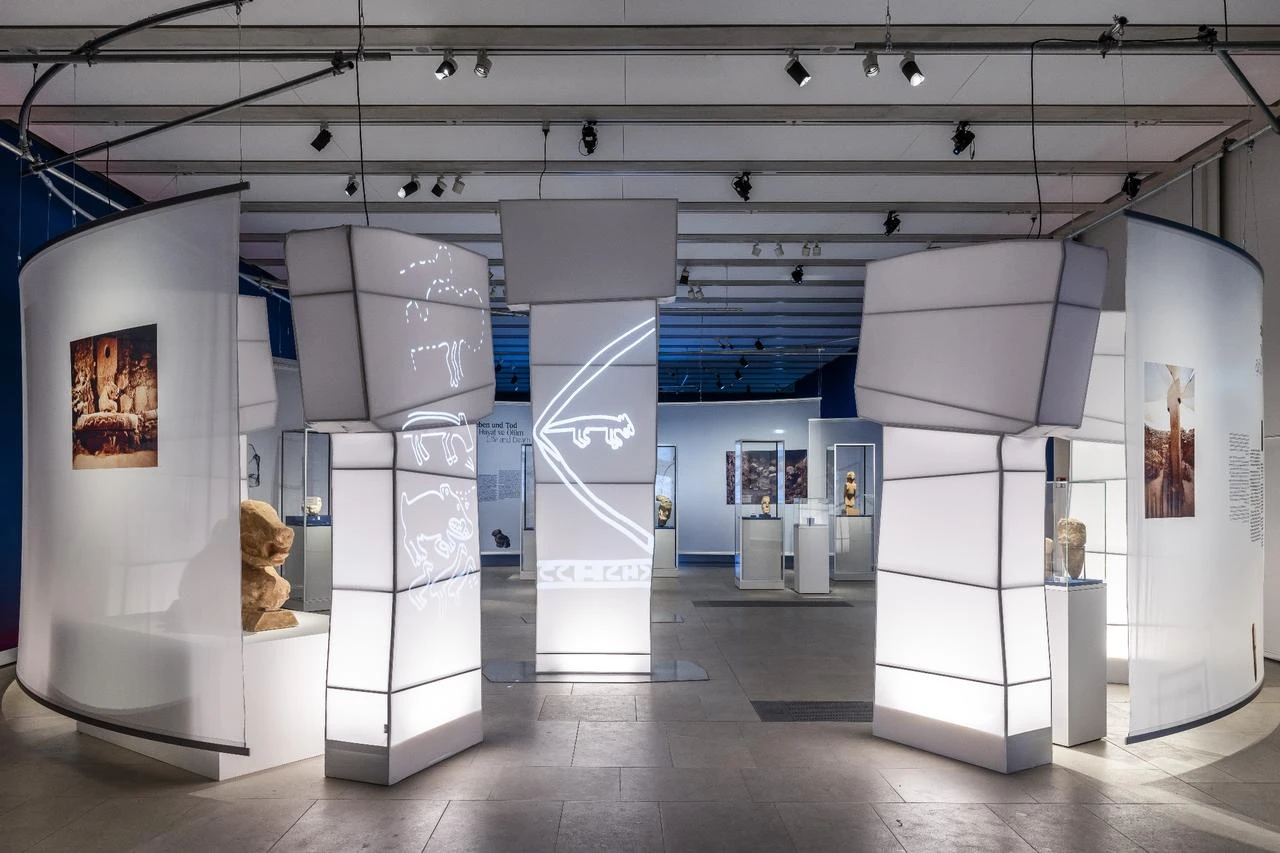


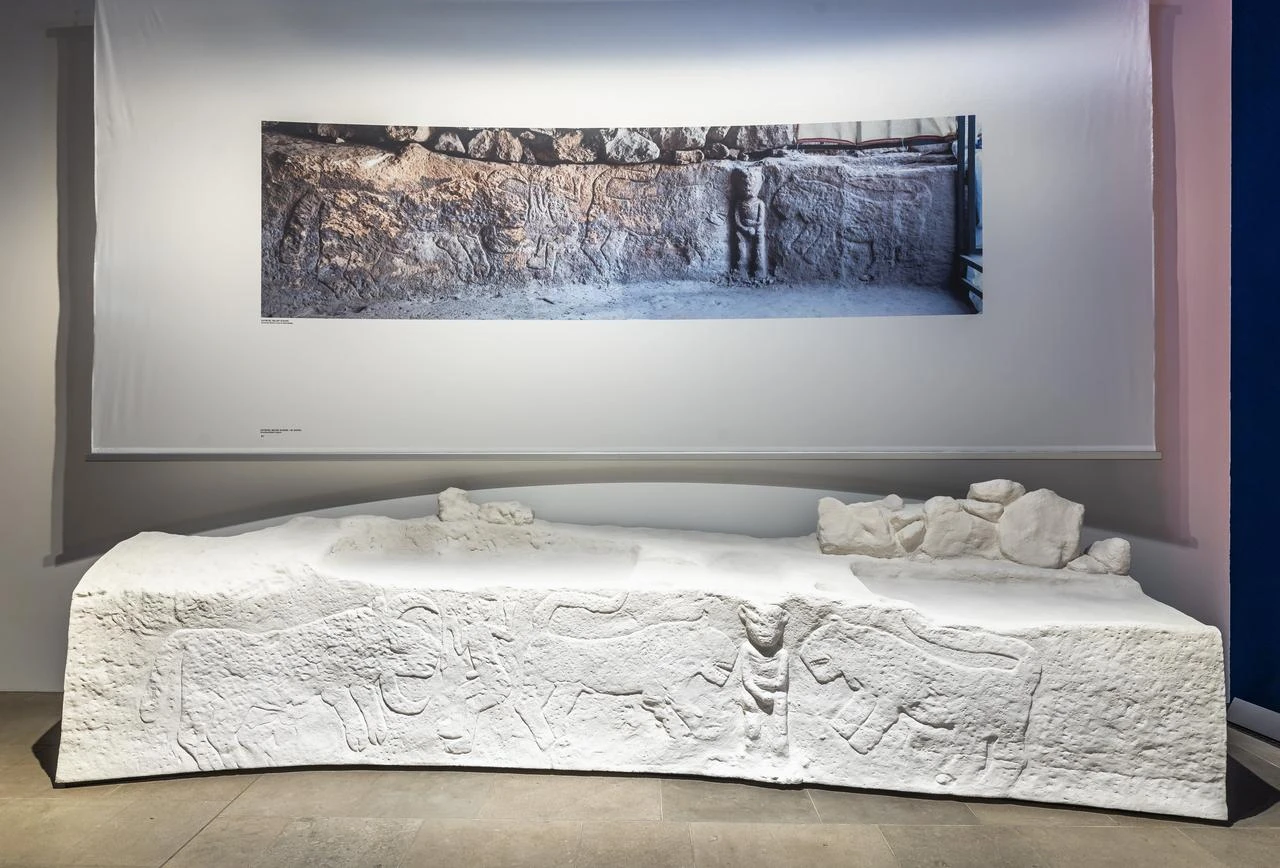
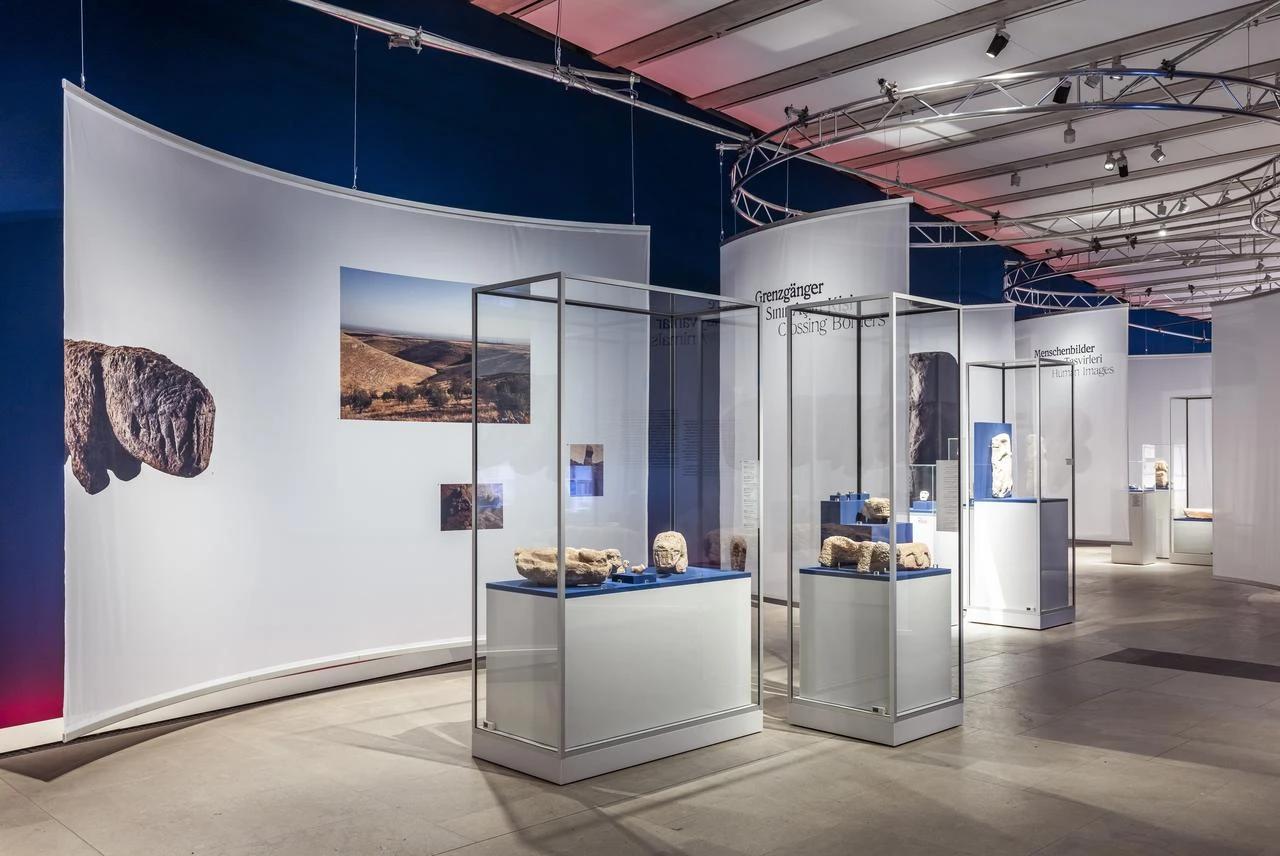
Gobekli Tepe and Tas Tepeler in Türkiye's southeastern Sanliurfa province, the vast archeological sites on the UNESCO Heritage List since 2018, have been spellbinding visitors at the James-Simon Gallery on Berlin's Museum Island since February this year.
Almost 12,000 years ago, hunter-gatherers who were shifting to a settled lifestyle carved monumental underground structures in the area between the Euphrates and Tigris in Upper Mesopotamia, also known as the "Fertile Crescent". People gathered there, surrounded by rich naturalistic and symbolic iconography depicting human figures, animals, hunting, and cult scenes. These material expressions reified the ritualistic nature of these gatherings, shaping their interpretation of the world around them.
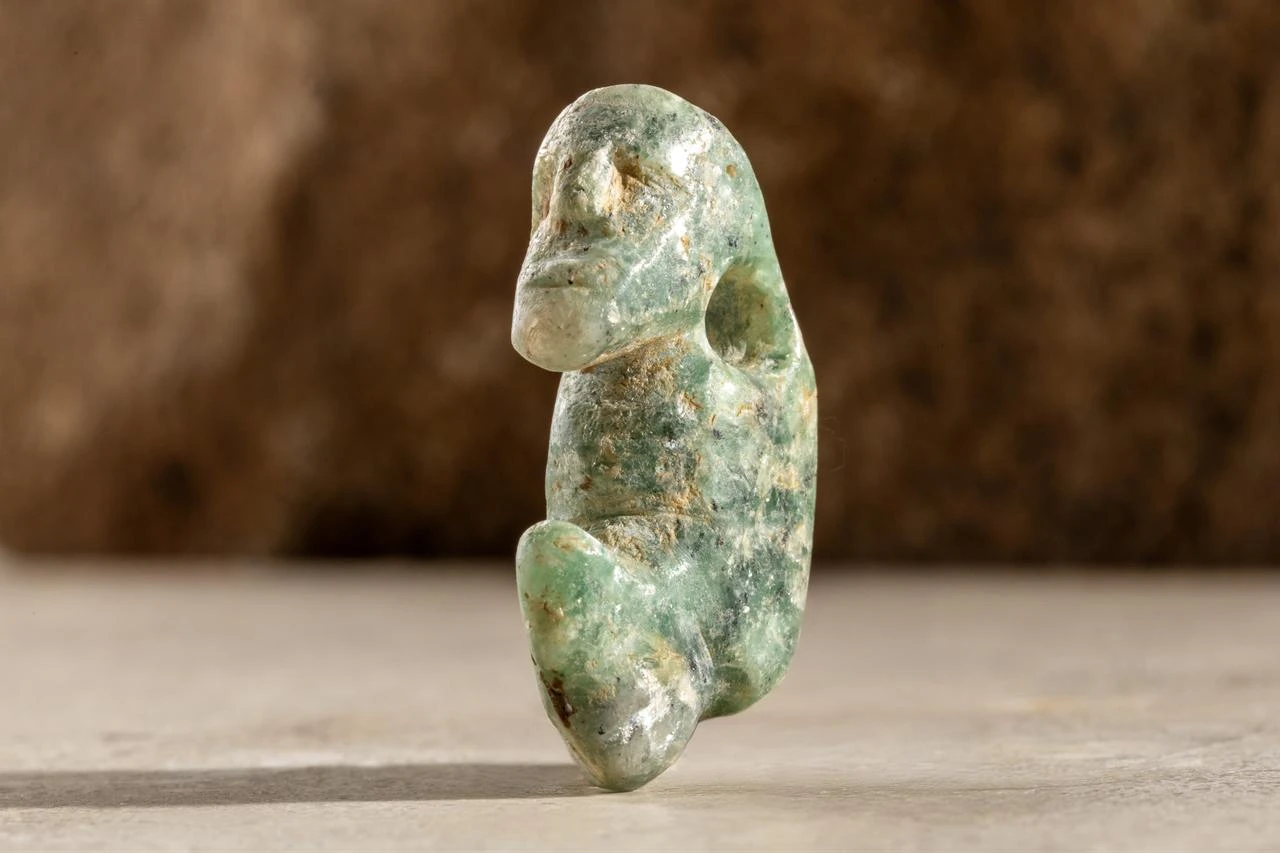
To this day, archeologists are busy deciphering these sites and artworks, including massive T-shaped pillars up to six meters in height, everyday objects, and jewelry.
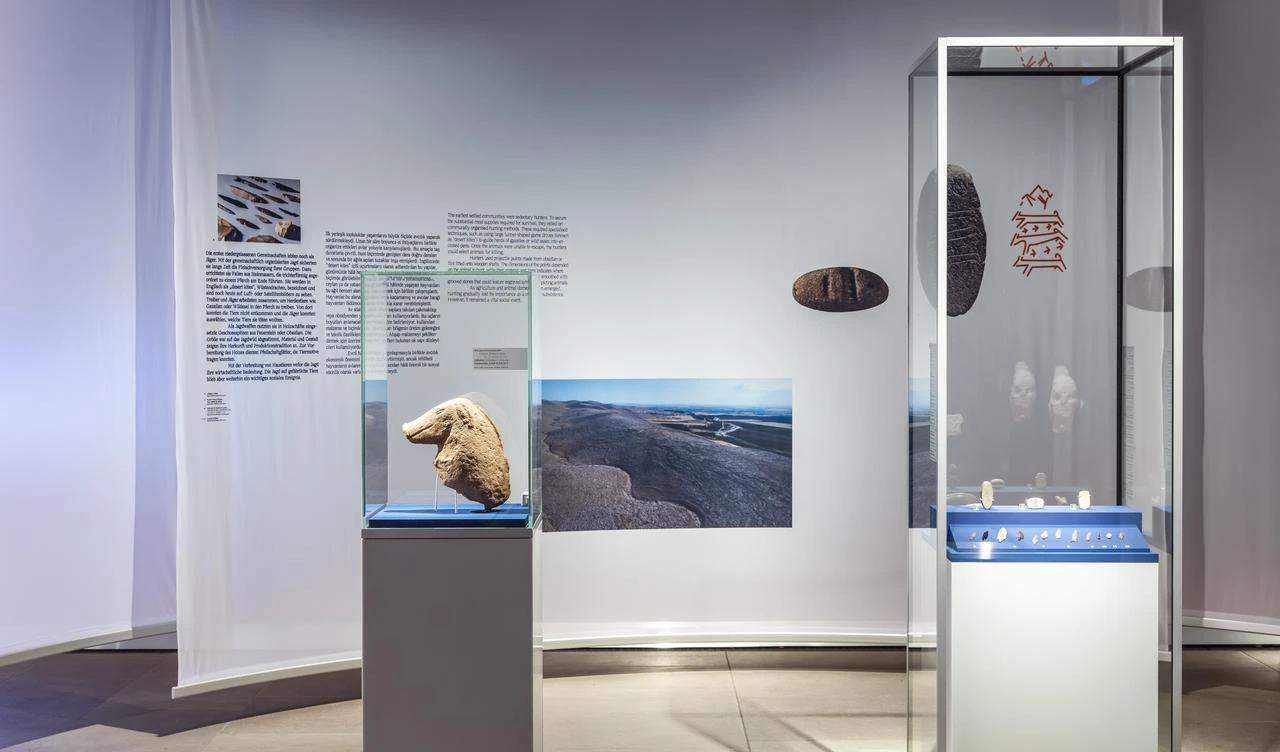
Comprising a total of eight different sections, this exhibition explores how communities were organized at the beginning of the Neolithic period, what symbols they used to make sense of the world, and how material elements can be used to interpret this new way of life.
This special exhibition has been curated by Germany's Vorderasiatisches Museum, the "Museum of the Ancient Near East" in collaboration with the Archaeological Museum in Sanliurfa and Istanbul University.
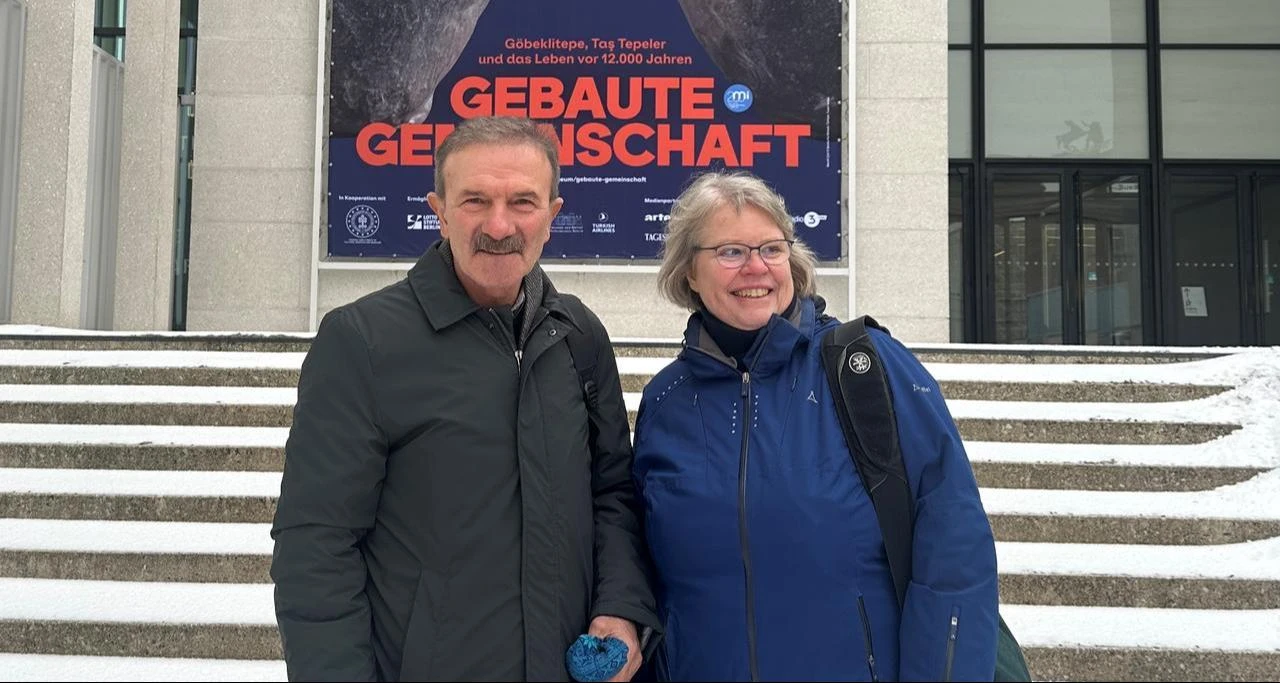
We talked to Prof. Dr. Barbara Helwing, the Director of the "Museum of the Ancient Near East" about "Building Community: Gobekli Tepe, Tas Tepeler, and Life 12,000 Years Ago".

1-What initially drew you to the early Neolithic monuments in Southeast Türkiye?
I happened to be studying at Heidelberg University in the 1980s under Harald Hauptmann while he was leading a team doing a rescue excavation in Nevali Cori, which is now flooded under the Ataturk Reservoir. I joined that team in 1989 and I remember that one day Klaus Schmidt, another member of Hauptmann's team, came back from Nevali Cori and said, "We found a stela". It was exactly that moment at which the basic characteristics of the monumental T-shaped pillars were discovered.
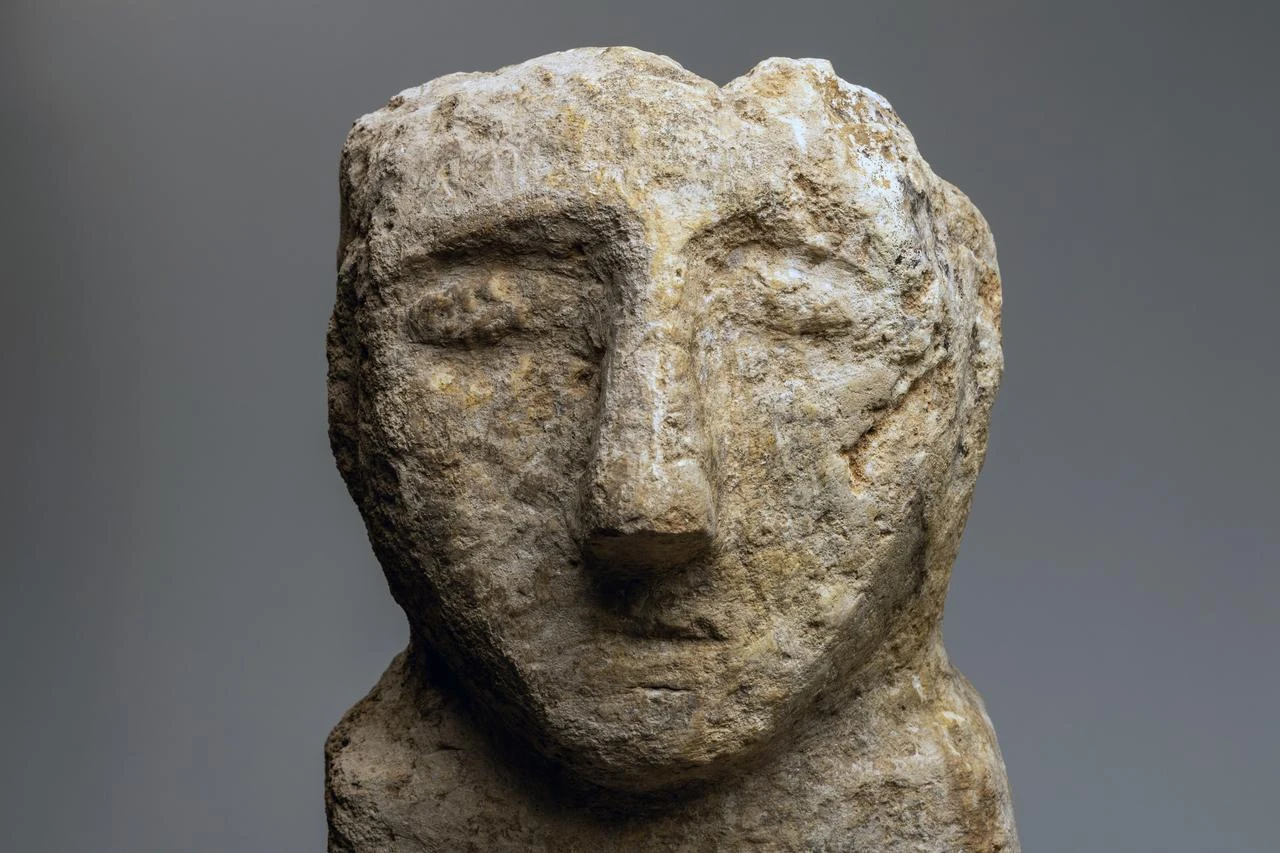
2-The exhibition showcases monumental structures at Gobekli Tepe and the Tas Tepeler sites, built by hunter-gatherers around 12,000 years ago. What surprised you most while working with these finds?
I am very impressed by the way people viewed their natural environment. How they captured the essence of animal life and the essence of human beings in the stone sculptures is deeply touching. When you look at the way they carved specific animals such as leopards or wild boars, you can imagine the danger these animals posed. When you look at human depictions, they present their own faces in varied ways, with simplicity, strength and expressiveness.
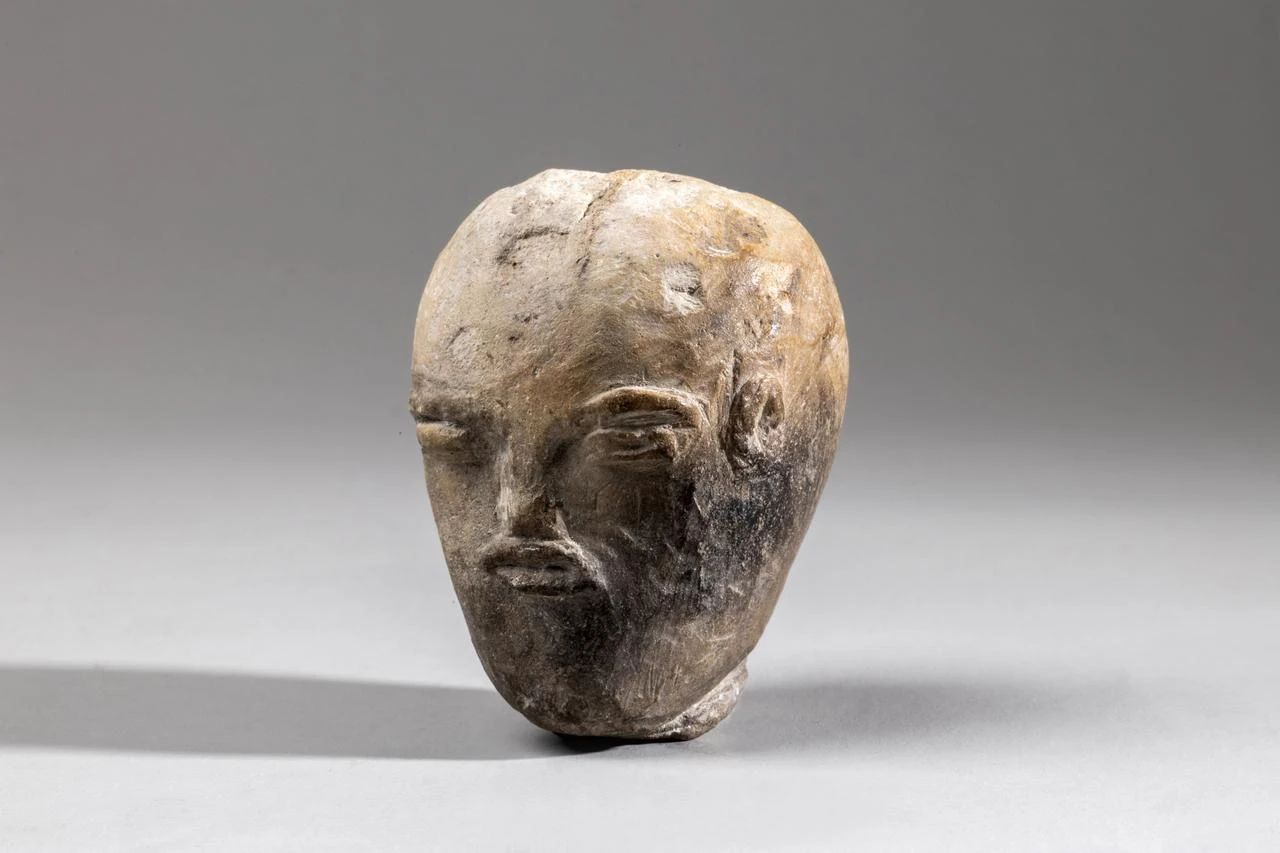
3-The title Gebaute Gemeinschaft, "Building Community," links architecture with social life. What does the monument-building activity reveal about how these early communities were organized?
While we do not have enough definitive evidence about the internal organization of these groups, what we can say is that once these groups became sedentary, they grew rapidly, meaning that instead of 20 people, they interacted with 200 people and this led to the formation of what we can call subgroups.
One of the obvious subgroups was men and women, while children were, let's say, off to the side. This matters because anthropological work makes it clear that there was already a division of labor between men and women.
Women were responsible for some of the more stationary yet still grueling work, such as grinding cereals or preparing meat. This required a lot of heavy stone tools, and you see the impact on their skeletons in a way we do not see on the male skeletons. Nevertheless, we imagine that if, for example, the whole group wanted to go hunting, there would be a role for everybody.
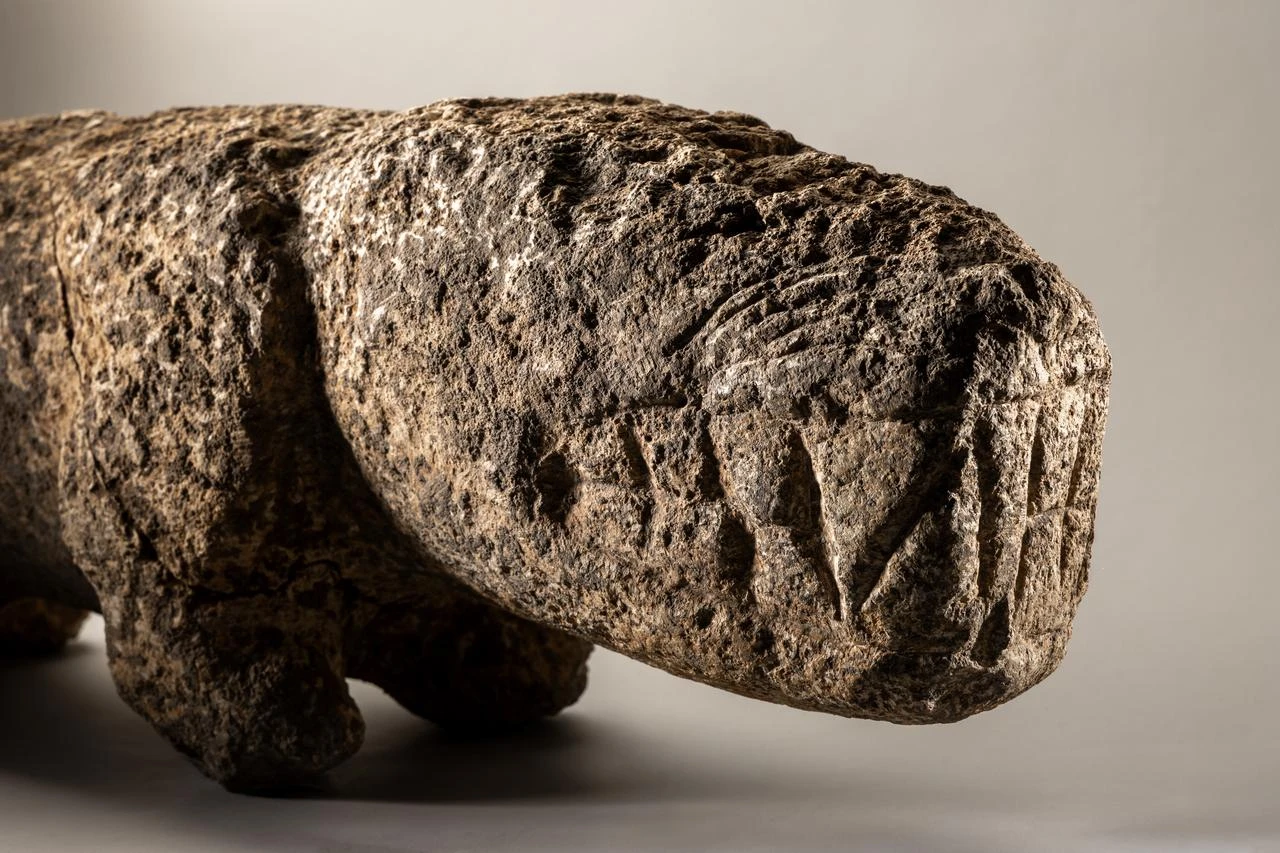
4-Among the spectacular stone sculptures, everyday objects, and jewelry on display, which artifacts best illustrate the gradual shift from mobile hunter-gathering toward a more sedentary lifestyle?
I would say that it began when people started making heavy containers that could not be easily transported. If you look at the exhibition, there is a showcase on food preparation, and you'll notice beautifully decorated stone vessels. Not only does this take a lot of work, but the objects have clear meaning, so you would not leave them behind if you move on.
Together with the tools for pounding, grinding, and scratching, everything linked to preparing food seems more sophisticated but also heavier. In my opinion, this indicates an increasingly sedentary community and a shift over 3,000 years toward a producing economy.
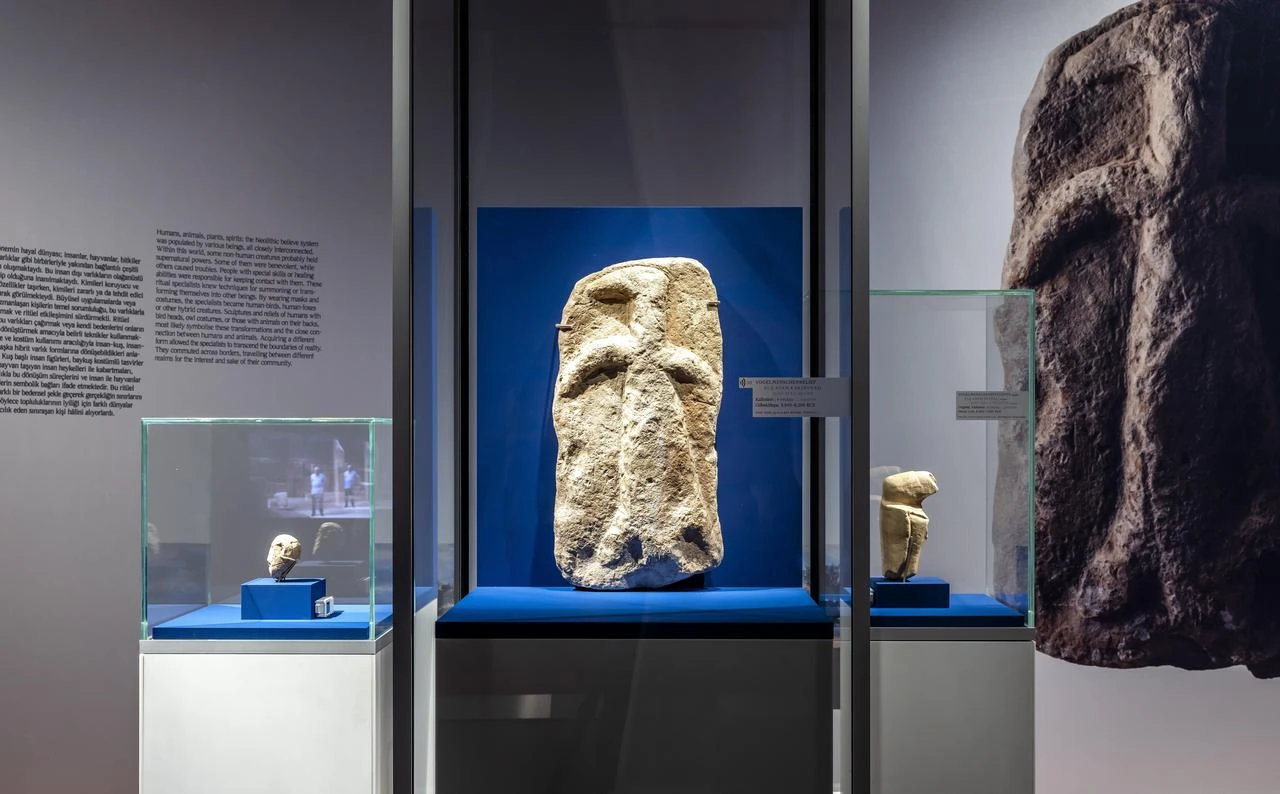
5-What kind of harmony did these communities have with nature and the landscape?
I don't think we can imagine that these people were necessarily in harmony with their environment. However, we should assume that hunter-gatherers, whether mobile or sedentary, had deep knowledge of their environment. They would be capable of recognizing signs of specific weather events or of, for example, the time when the gazelles began migrating, and could organize their activities accordingly. By being highly aware of their surroundings, they could move and adapt as needed.
6-How does the exhibition connect Gobekli Tepe with the broader Tas Tepeler region?
The whole exhibition is based on ongoing research in the Tas Tepeler region. We have "Tas Tepeler" as the subtitle of the exhibition's name as well.
Many people know about Gobekli Tepe, so they have an idea. By positioning Tas Tepeler as the center of attention, we wanted to show that this is actually part of a much larger phenomenon. The objects we show come from all sides of the Tas Tepeler Project.
We have covered Karahan Tepe, Nevala Cori, Gurcu Tepe, Sayburc and Cakmak Tepe, all of which are represented in the finds.
7-What was the biggest challenge in turning archaeological research into an exhibition?
If you want to conceptualize an exhibition, you need to first think about what you want to convey. My approach was to showcase how intriguing these sculptures are. This is really what I want to present, and I want to do it in a way that makes people look at these pieces and experience the same kind of fascination I do.
Nevertheless, we present them within a textual framework based on the state of research in 2025. For example, in the wording of the special buildings, we don't refer to temples as people did 10 years ago. Instead, we talk about a worldview or a spiritual world that those people would have inhabited.
8-Was there a moment in preparing the exhibition when a material itself or a story carved in a stone felt particularly special?
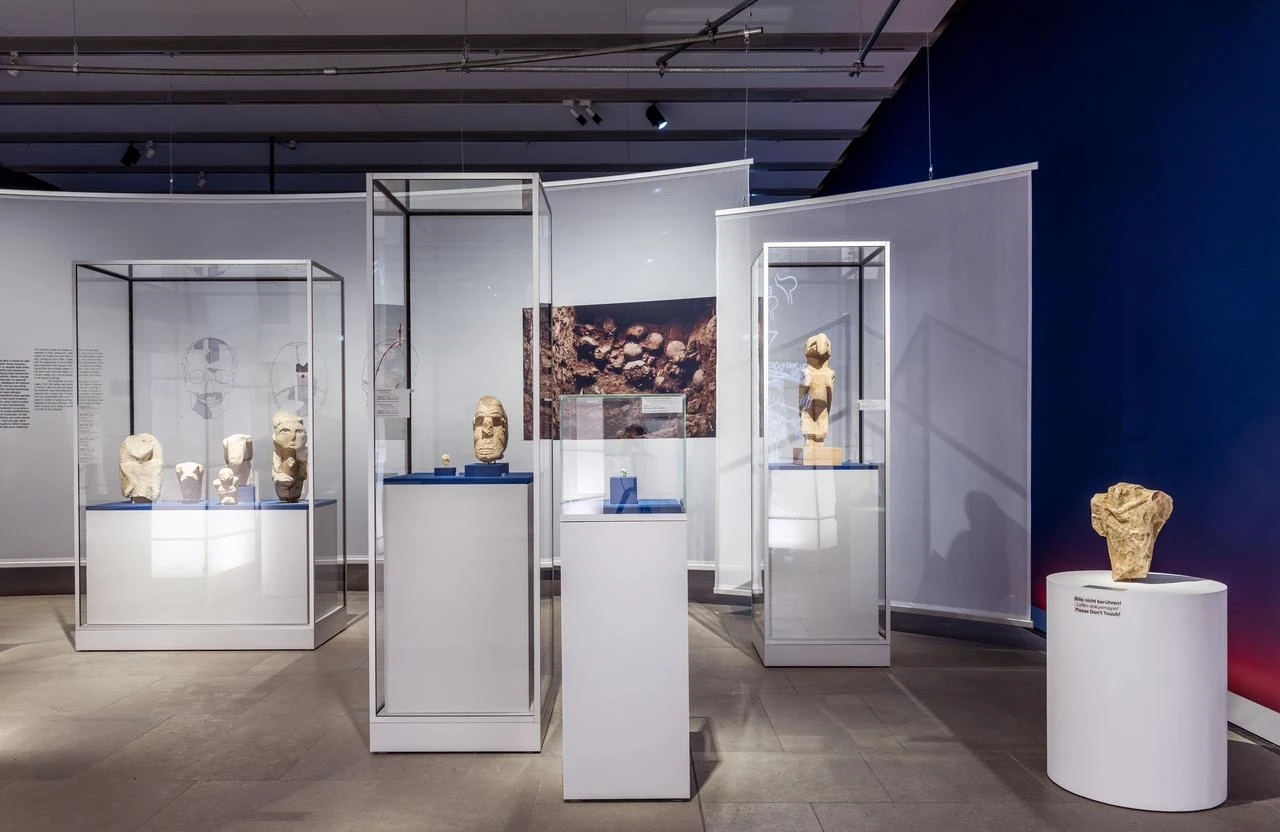
I have a relationship with every single piece, but one thing that really struck me is a tiny pendant made of a bright green stone. In the image, you can see that it combines a human head and a vulture head, but holding it in my hand, I realized it is actually a full vulture silhouette sitting on the turned-around head of a human. This sounds a bit grisly, but it really stood out to me.
9-To what extent did collaboration with partners in Türkiye shape the exhibition?
From the beginning, this has been a collaboration and a co-curatorial endeavor. The Tas Tepeler Project Coordinator, Prof. Dr. Necmi Karul and I were in close contact and, both being academics in prehistoric research, saw eye-to-eye. As he is totally up-to-date when it comes to new recognitions and discoveries, the opportunity to integrate this different perspective that develops out of ongoing research in Türkiye shaped the exhibition significantly.
10-As both an archaeologist and a curator, how does it feel to move between the early Neolithic world of 12,000 years ago and the present day? Has working on this exhibition changed the way you understand what it means to be human?
The exhibition transports us back to a time when humans lived in ways that are very difficult for us to imagine. However, by introducing this red thread — showing how people survived in an environment far less predictable and more dangerous than our own, and how collaborating and joining forces became the key to survival — we touch on something that resonates strongly today. Because what we are observing, at least in German society, is more separation of different groups, different bubbles, people not talking to each other anymore, and it is vital to keep in mind or remind everybody that collaboration is indeed the key to fostering a sense of community. And we should not isolate ourselves, not become a country that shuts down our borders, but a country that is connected and that collaborates with neighbors and the world.
This is my biggest observation from this exhibition.


 Set as preferred source
 Set as preferred source


 2 min read