Newsletters


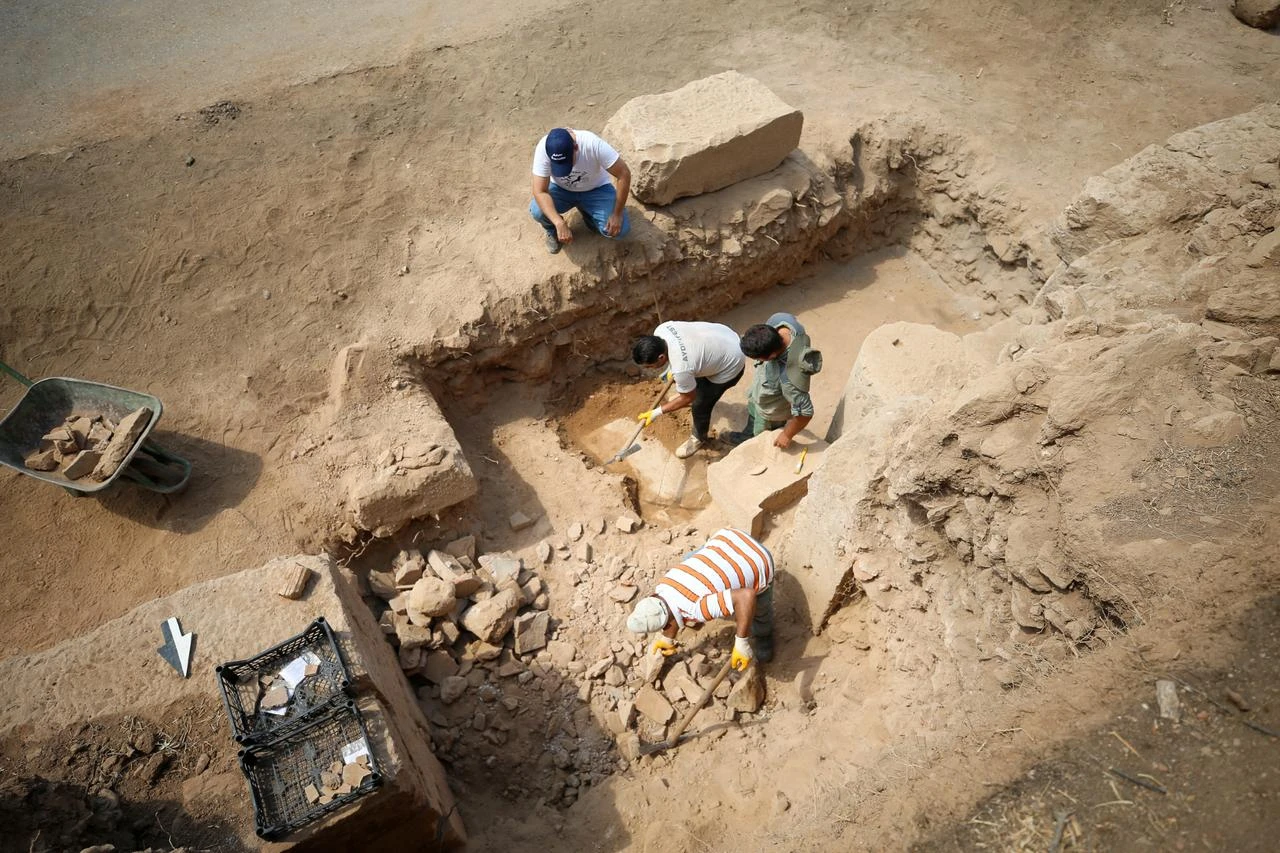


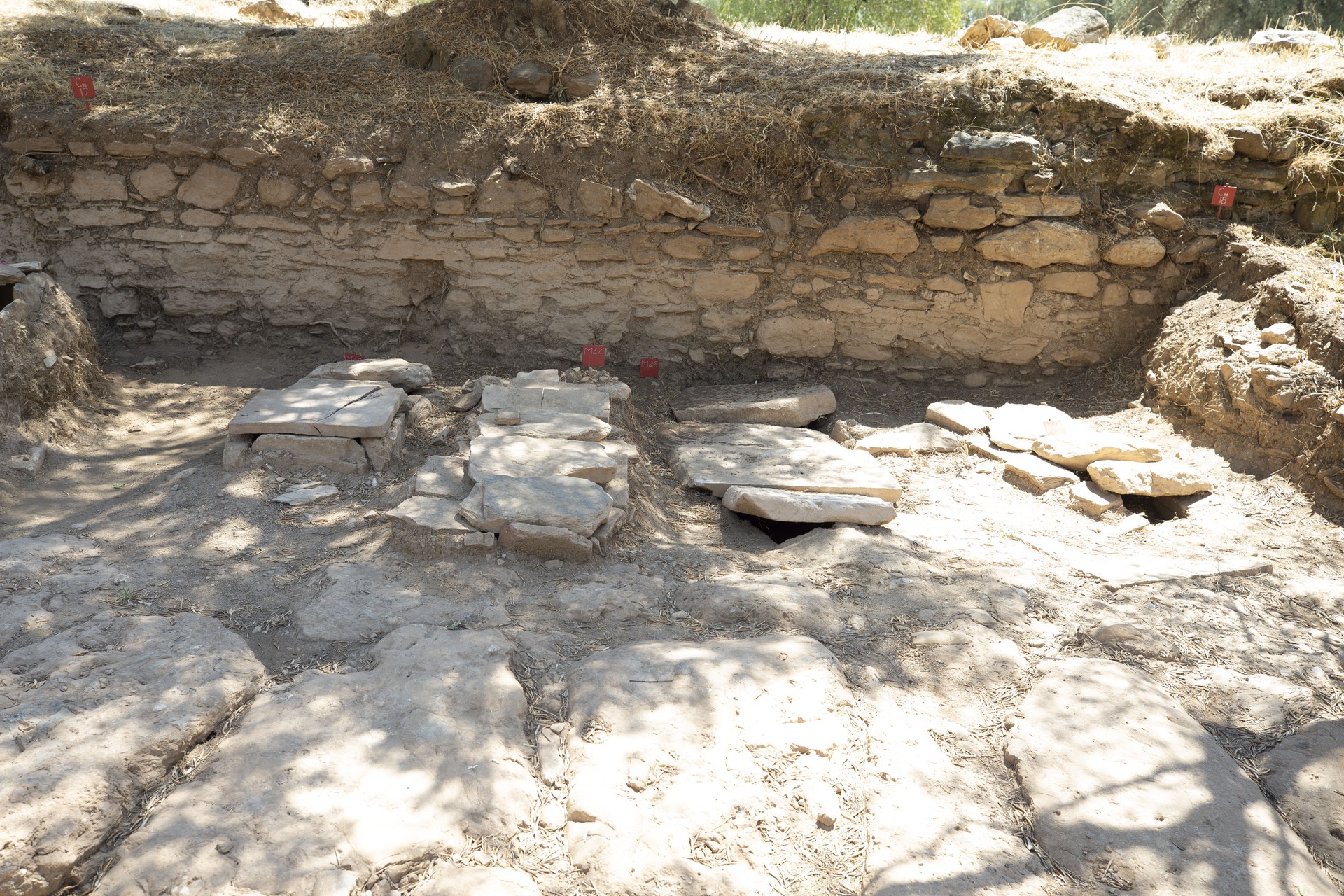
Archaeologists at the ancient city of Nysa in western Türkiye are uncovering a roughly 1,600-year-old Late Roman bathhouse believed to have been used by travelers to wash and clean themselves before entering the city.
Excavations at Nysa, located in the Sultanhisar district of Aydin province, are being carried out on behalf of the Culture and Tourism Ministry and Ankara University under the direction of excavation head Professor Serdar Hakan Oztaner.
The current work is focusing on defining the boundaries of the bathhouse, which dates back to the fourth century A.D. and stands along a street connected with the route that brought travelers to Nysa from the ancient cities of Ephesus and Tralleis.
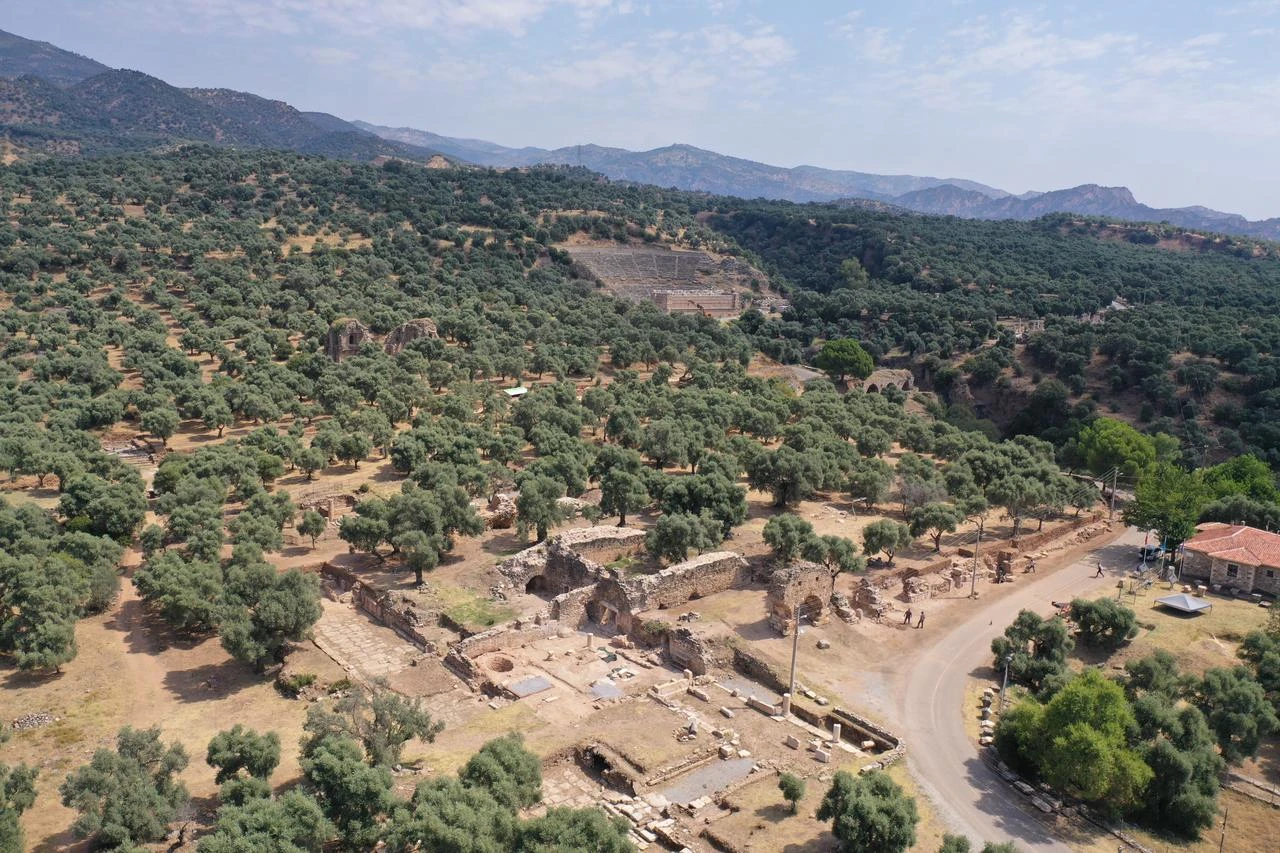

Oztaner said the location of the structure indicated that it served people approaching Nysa before they moved further into the settlement.
"The Late Roman bathhouse appears as a place, a structure, where those arriving in the city bathed and cleaned themselves before entering the city. We have not yet determined the full dimensions of the structure, but we have found its main spaces," he said.
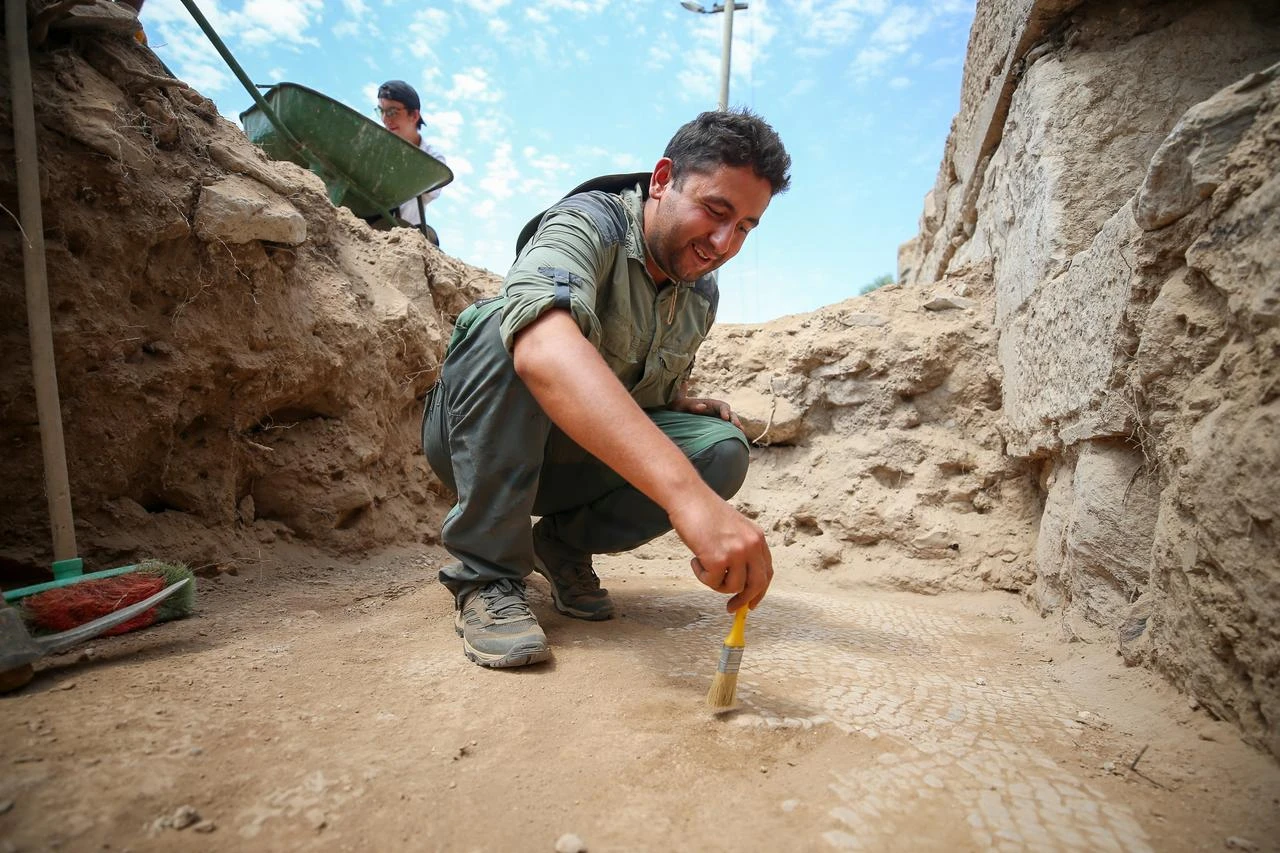
Excavations are continuing along the western and southern sides of the bathhouse, with researchers seeking to work out its relationship with Street 8 and establish its exact place within Nysa's urban plan.
The structure lies in an insula, the Roman term for an urban block, south of the ancient library and on the western side of Nysa. Oztaner described it as an important public building from the Late Roman period.
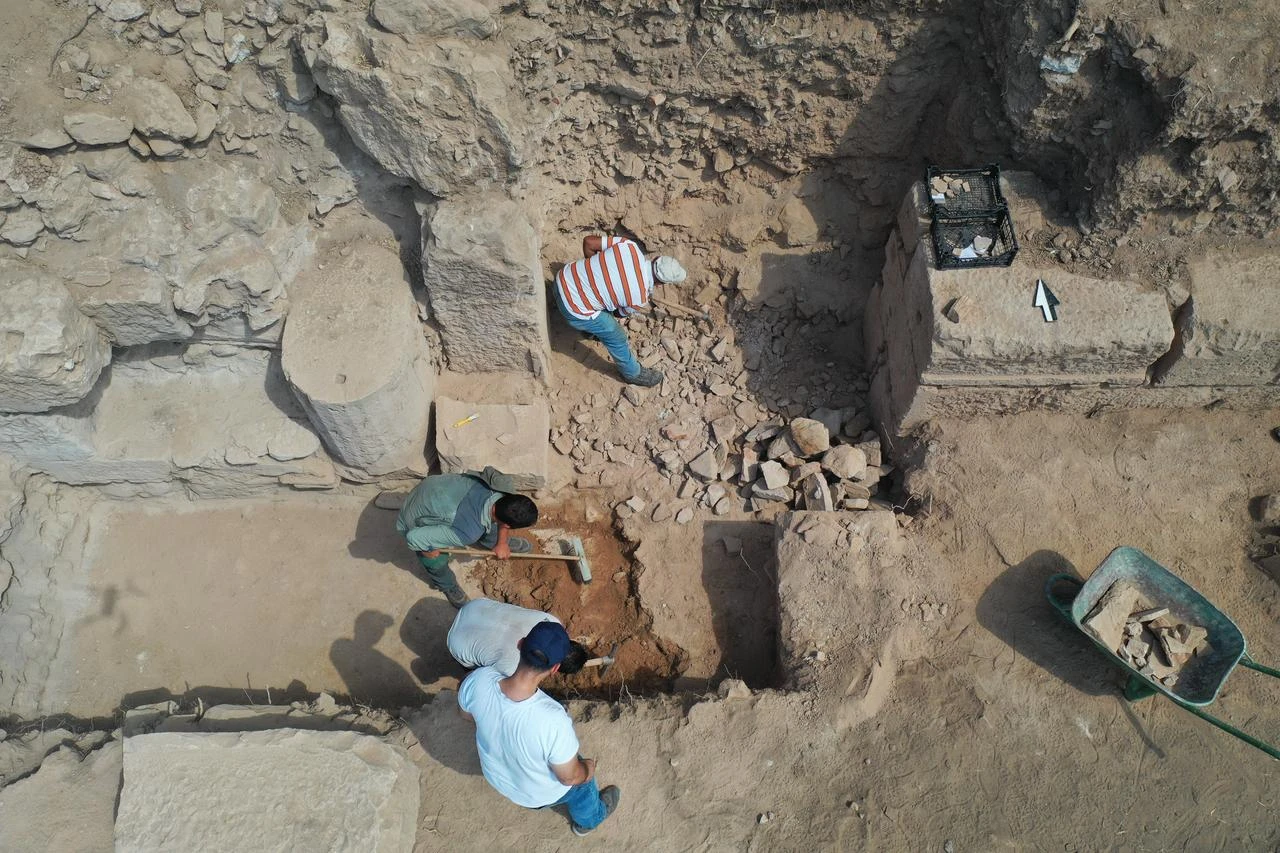
According to Oztaner, bathhouses were commonly positioned around entrance areas when cities were laid out during and after the Roman period. The team therefore plans to determine the complete boundaries of the Nysa bathhouse within this year's excavation program.
Once its layout has been fully documented and added to the city's archaeological plan, the team also aims to carry out conservation and restoration work alongside the excavations.
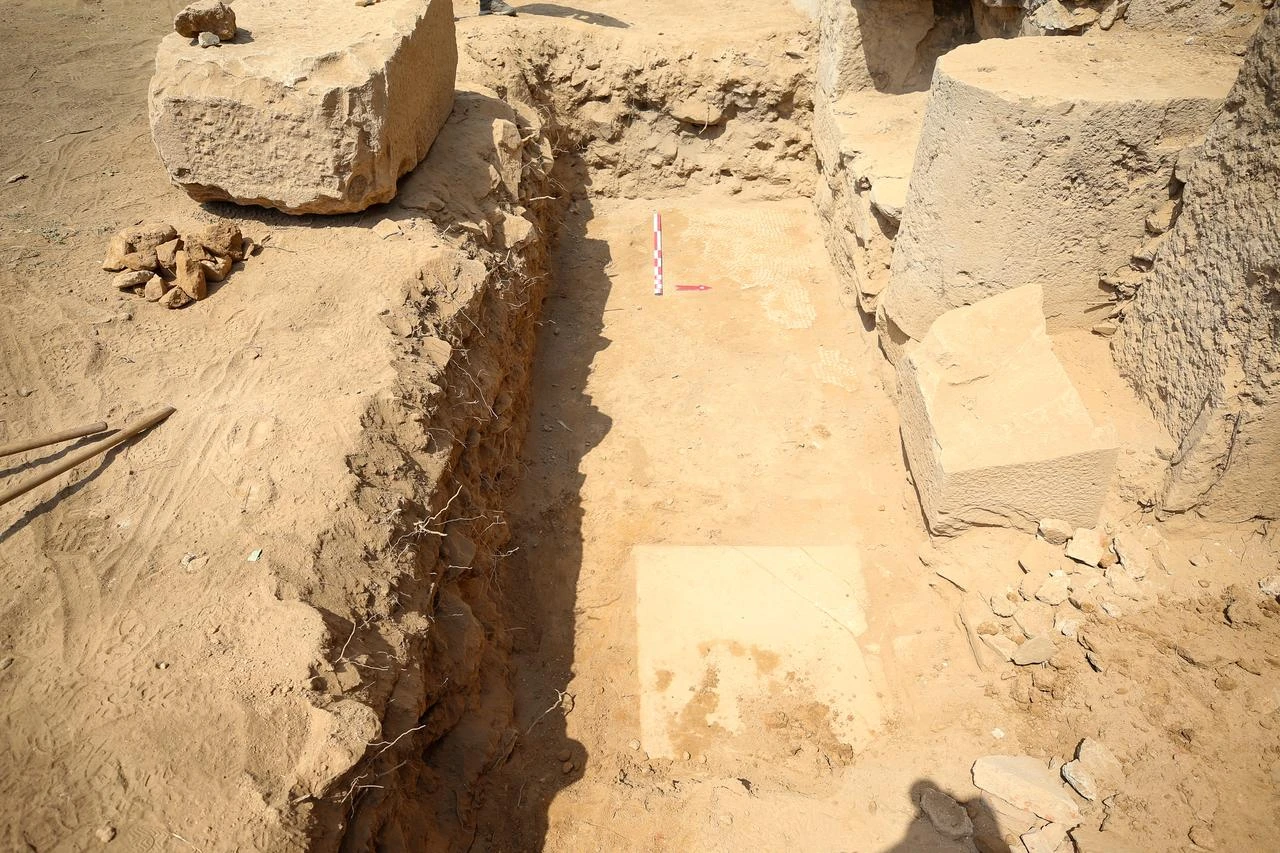
Oztaner said researchers want to clearly establish the bathhouse's plan and bring it into the archaeological literature, noting that its location also makes it one of the first structures encountered by visitors arriving at the ancient city.
 1 min read
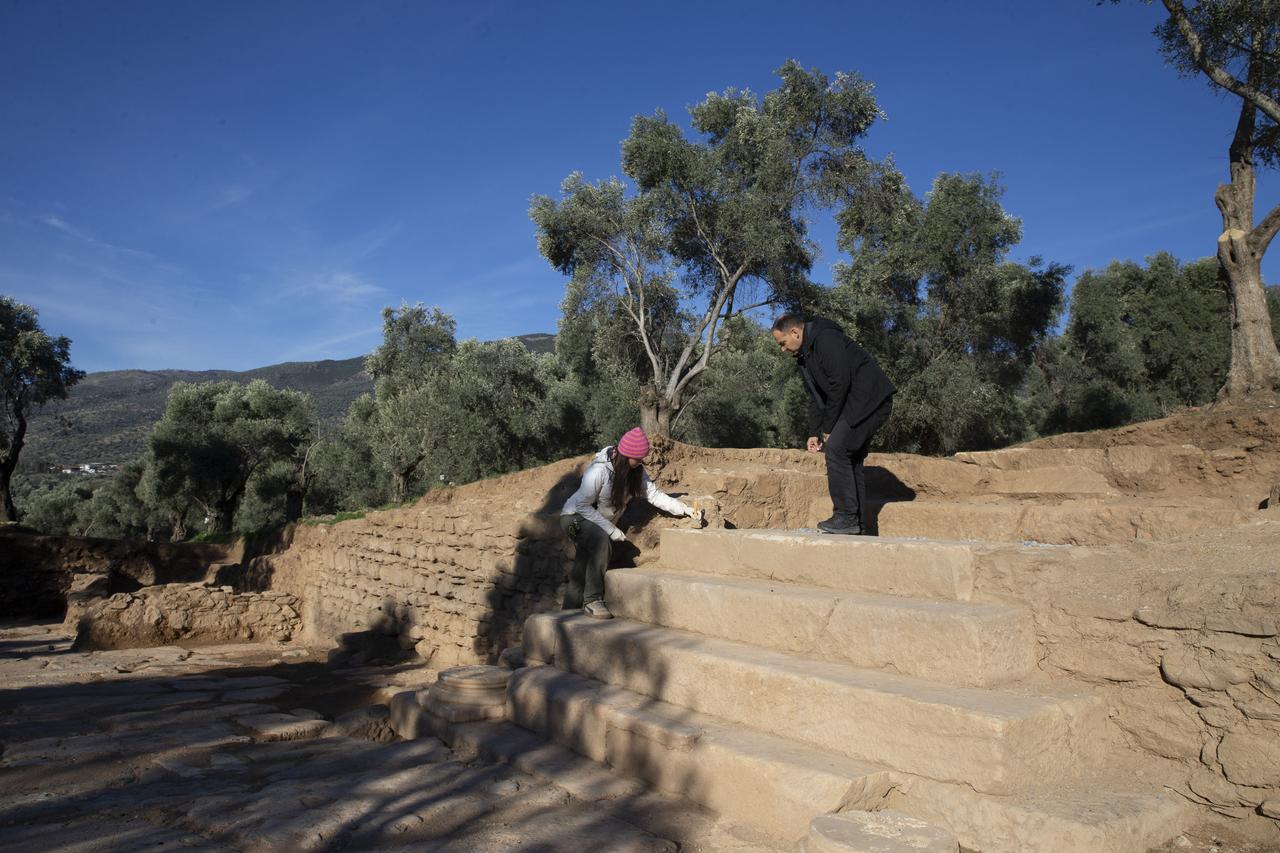
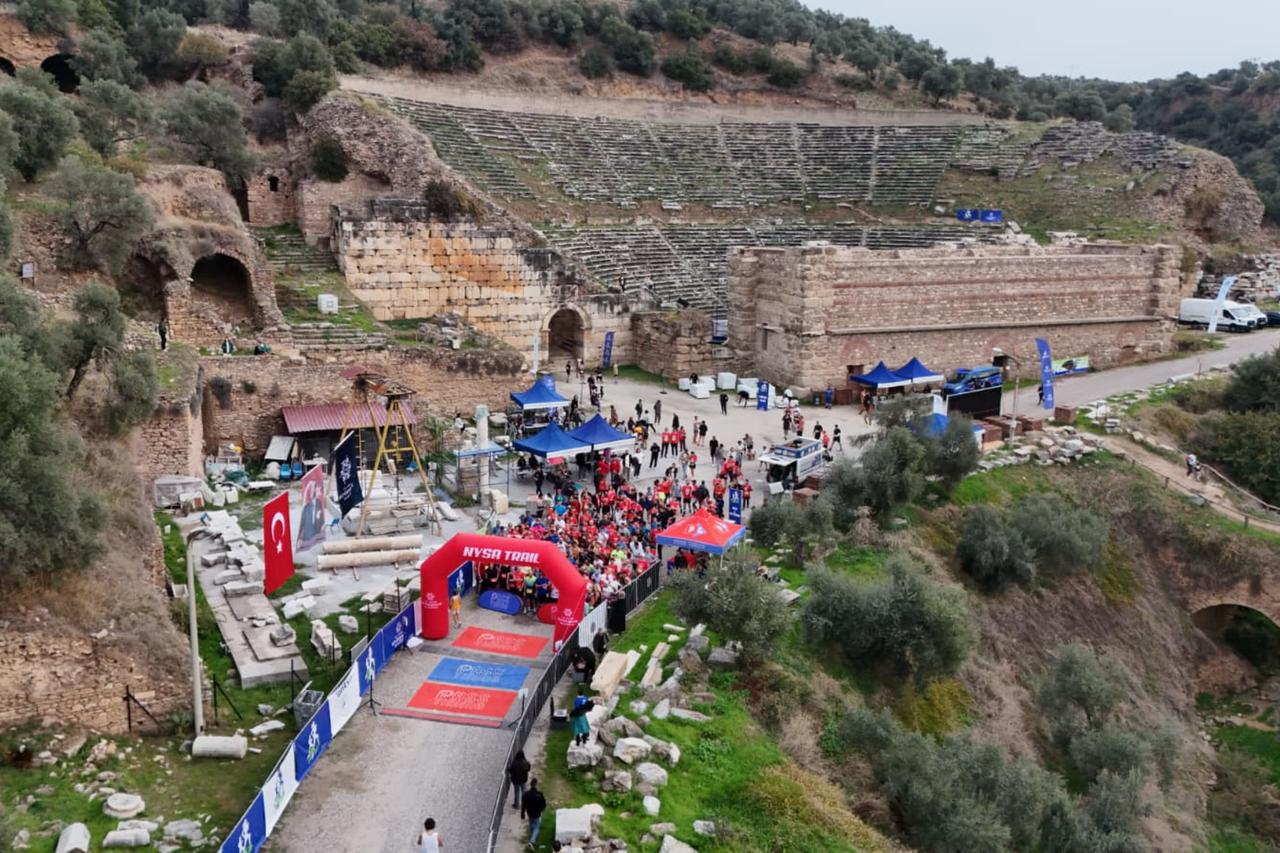
Built across a valley and consequently described as a "two-sided city," Nysa also preserves the second-best-preserved ancient library in Anatolia, a theater with a capacity of around 10,000 people, a stadium, three Roman bridges and a tunnel.


 Set as preferred source
 Set as preferred source


 1 min read