

 Newsletters


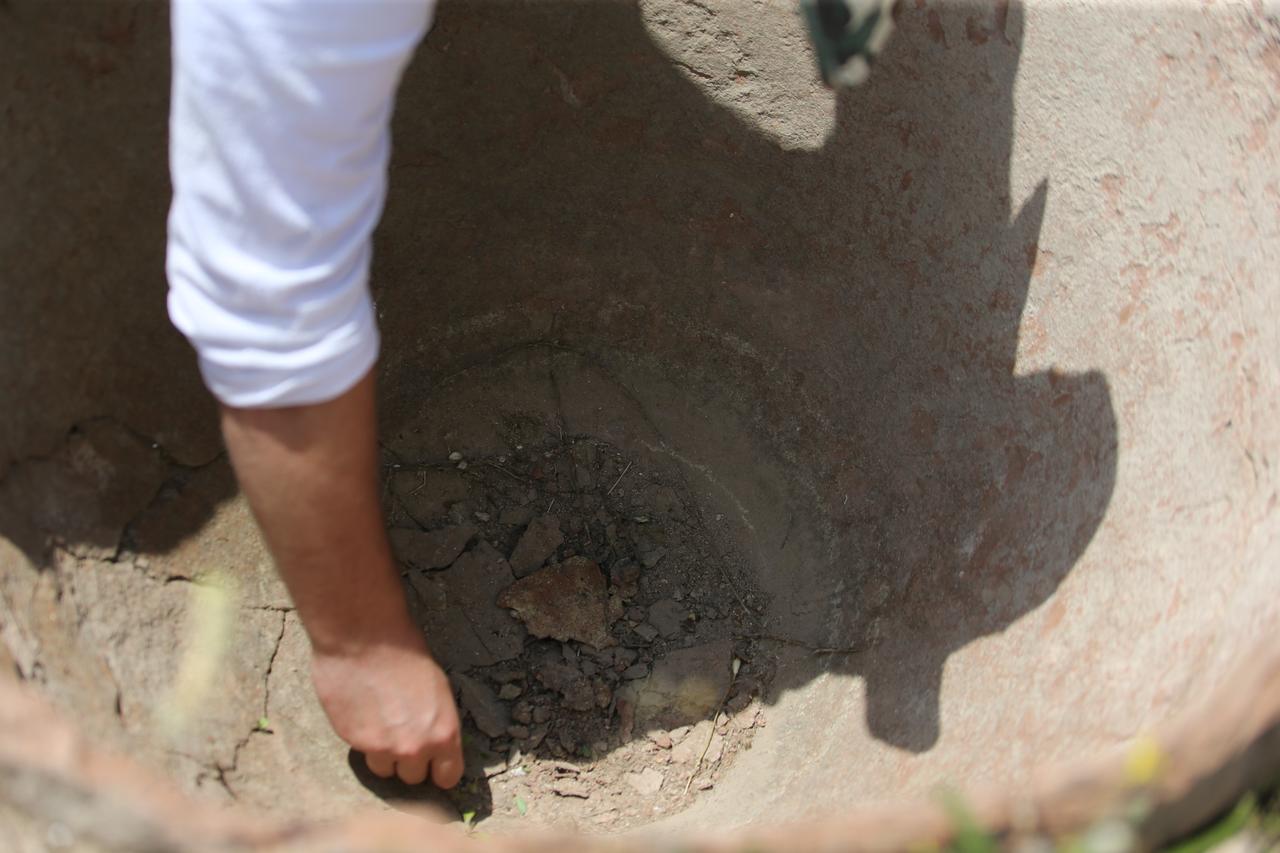


A 1,750-year-old pithos tomb has been uncovered in the ancient city of Hadrianopolis in Karabuk, offering what archaeologists describe as the first documented example of this burial type in the inland western Black Sea region.
The discovery was made during excavations in Hadrianopolis, located in the Eskipazar district. The ancient city was used as a settlement during the Late Chalcolithic, Roman and Early Byzantine periods, and excavation and restoration work is being carried out under the direction of Professor Ersin Celikbas, head of the Archaeology Department at Karabuk University’s Faculty of Humanities and Social Sciences.
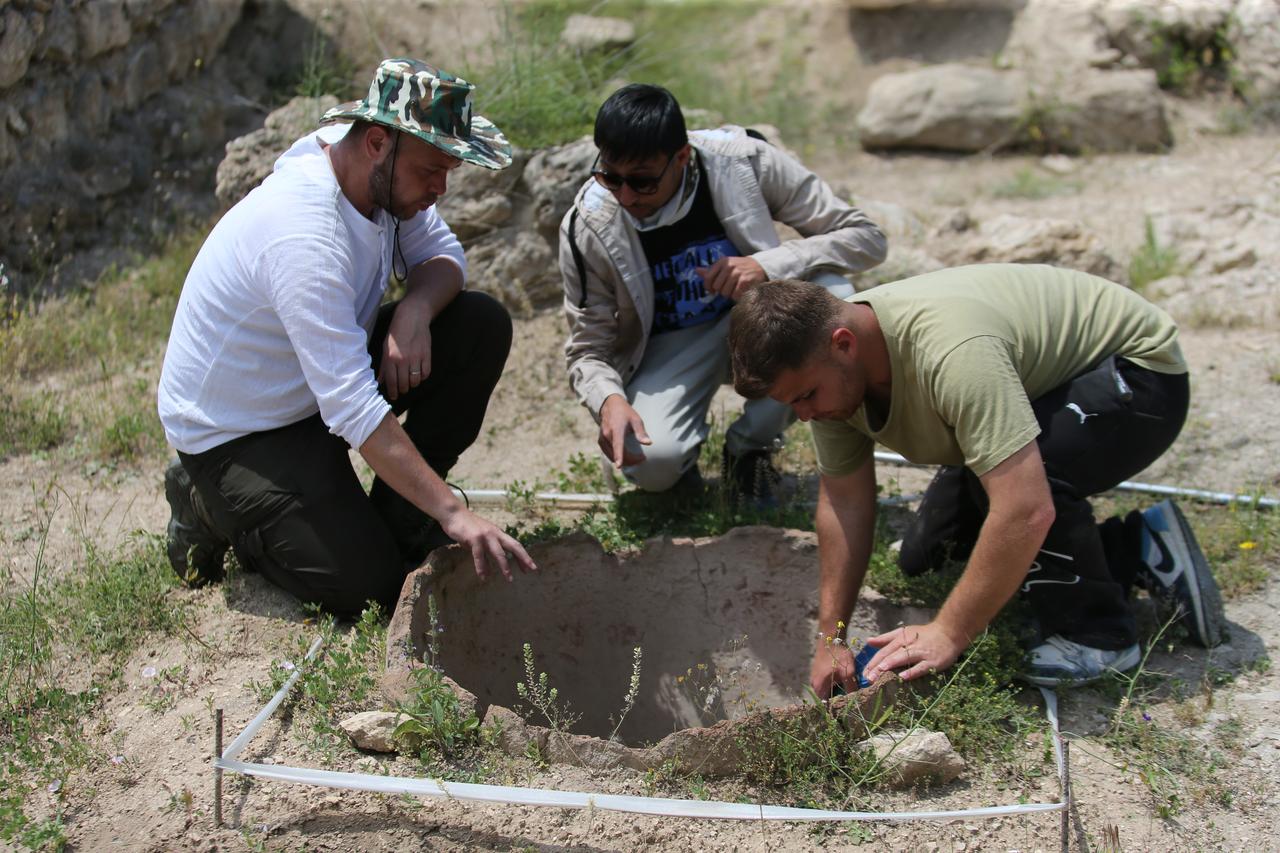

The tomb was identified as a pithos burial, where the individual was laid to rest in a large storage jar. Archaeologists found a skeleton along with grave gifts, a term used for objects placed with the deceased as part of burial practices, inside the jar.
Celikbas said the discovery provides important archaeological data, adding that the burial type itself is especially significant for the region.
“The tomb, being a pithos one, is more important because no such tomb had been found in any surface survey or excavation carried out so far in the region, especially in the inland parts of the western Black Sea. Therefore, this tomb can also be seen as a first,” he said.
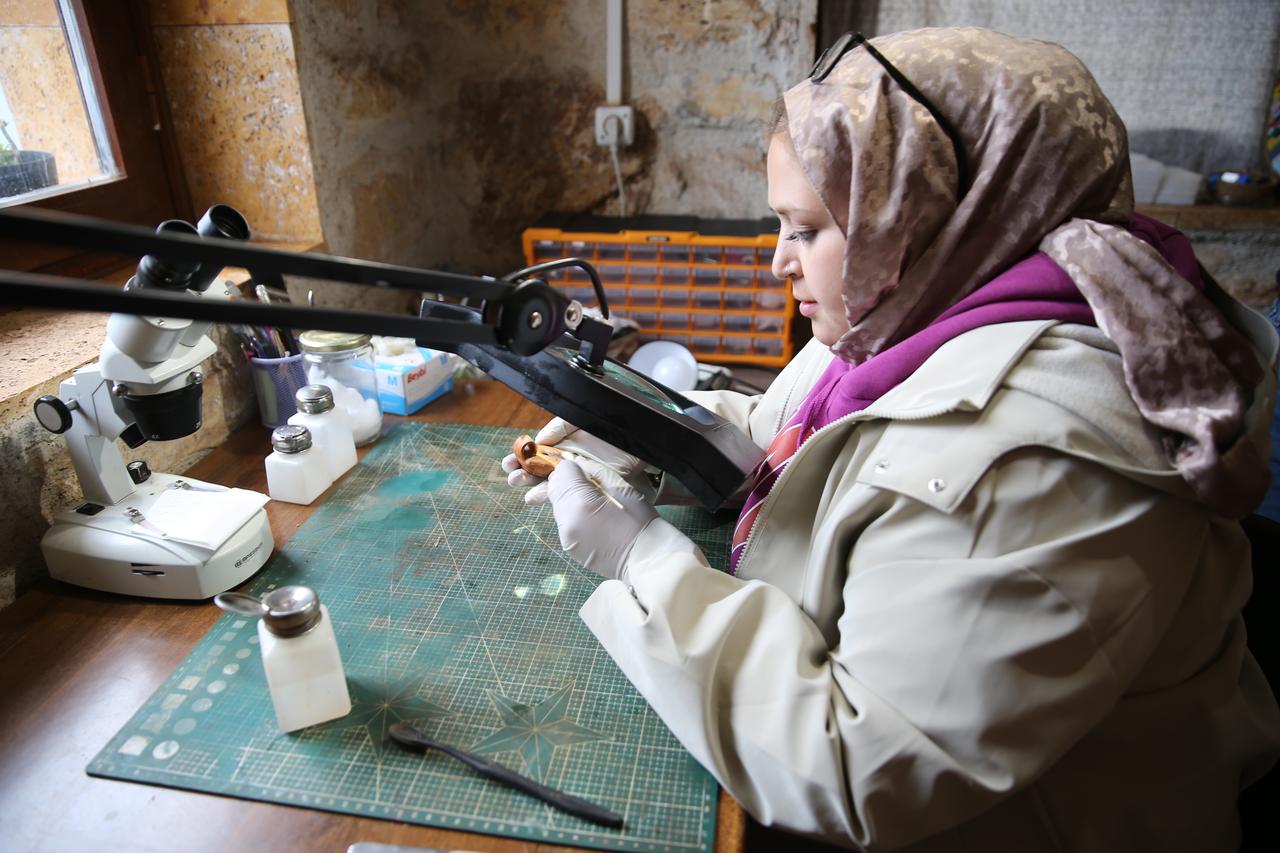
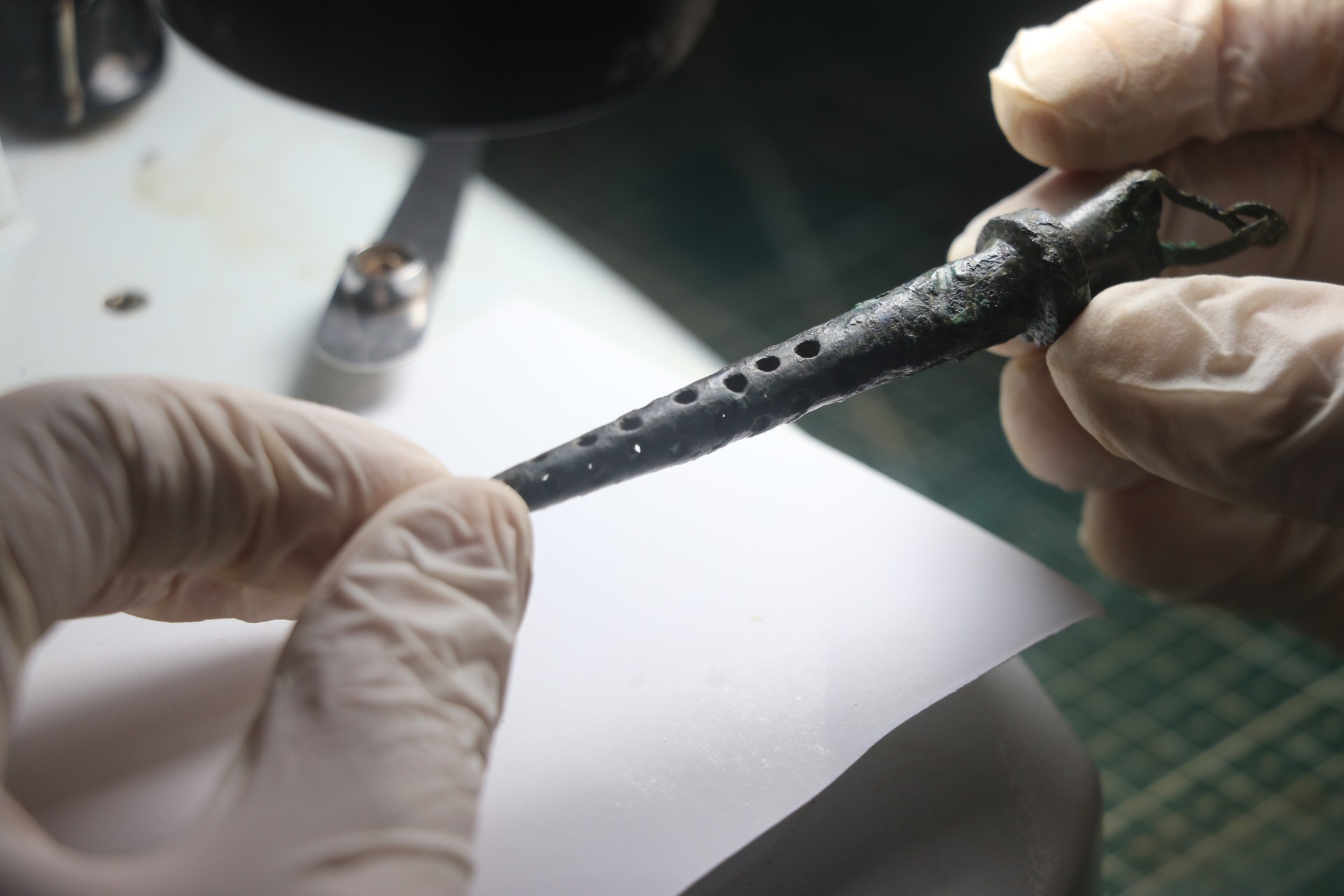
Among the finds were seven vessels, an oil lamp, a coin, a knife and two bone hairpins. Celikbas said the coin belonged to Roman Emperor Probus, who ruled between 276 and 282 A.D., indicating that the burial was likely placed there toward the end of the third century.
He said the find marks the first time a pithos tomb has been documented in Hadrianopolis and its surroundings in relation to funerary culture, making it important for understanding burial traditions in the area.
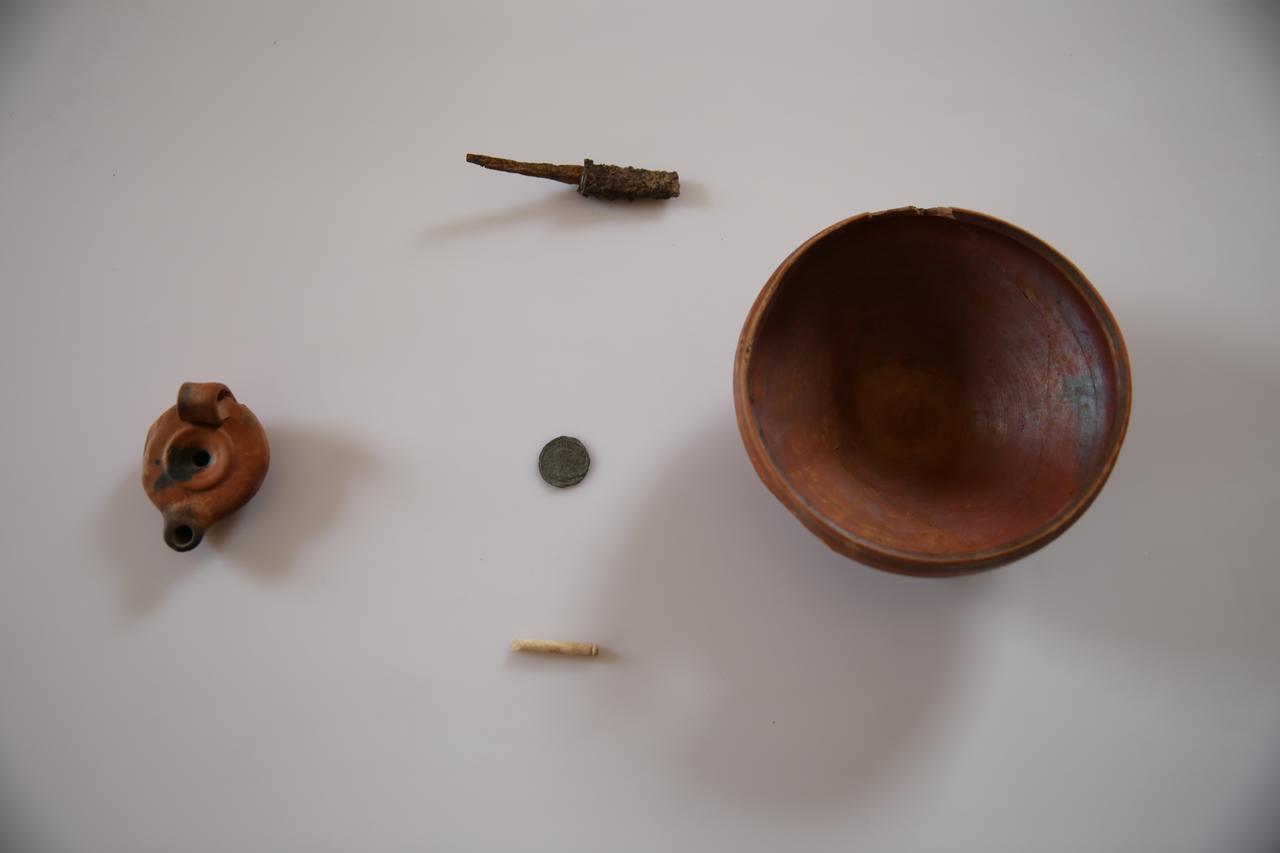
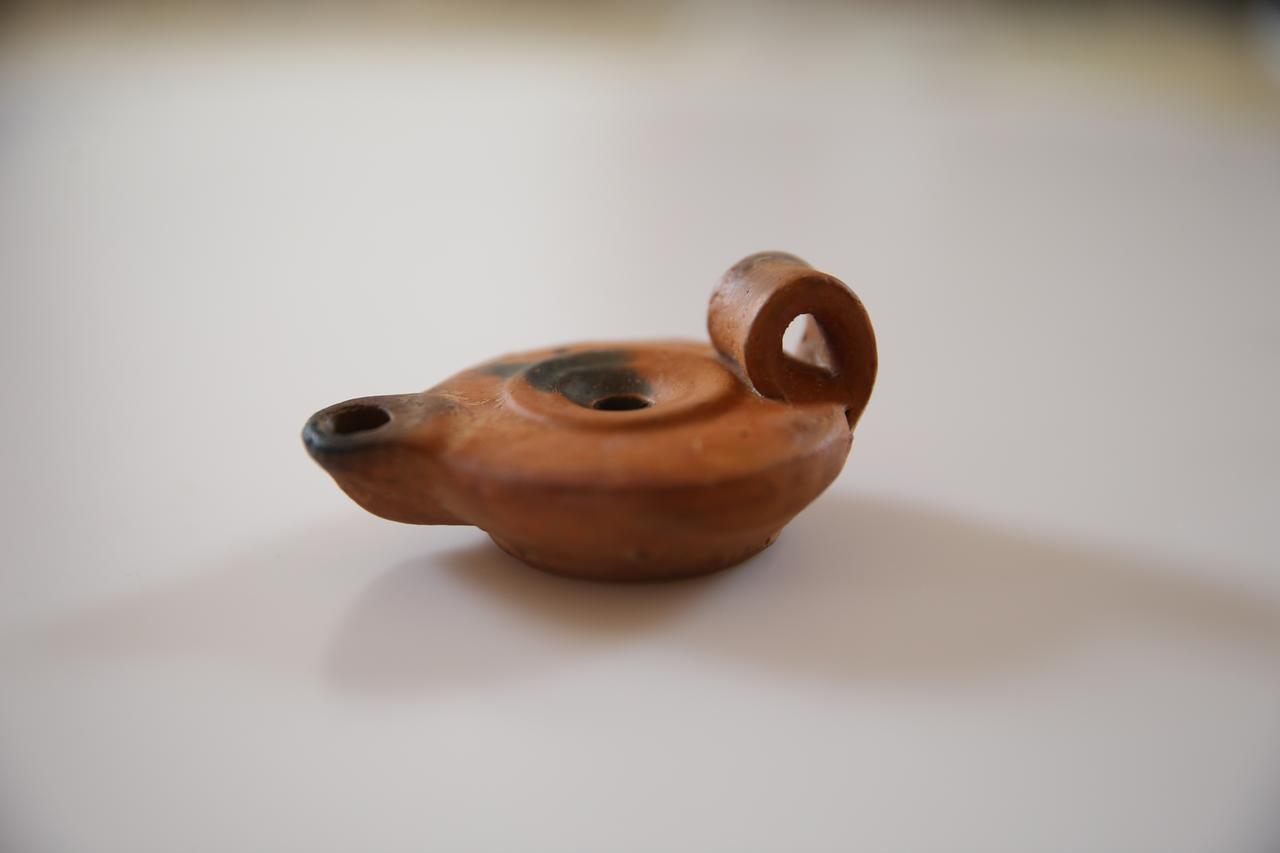
Celikbas also noted that the pottery found in the tomb included examples of Pontic Sigillata, a type of fired clay vessel associated with the Black Sea region. He said this pottery type has been found in almost all excavation areas at Hadrianopolis.
The artifacts are considered museum inventory pieces. Celikbas said the bone hairpins may indicate that the individual buried in the tomb was a woman, while further studies on the objects are continuing.
 1 min read
He added that the finds are expected to make an important contribution to understanding the burial traditions of Hadrianopolis.


 Set as preferred source
 Set as preferred source


 1 min read


