Newsletters


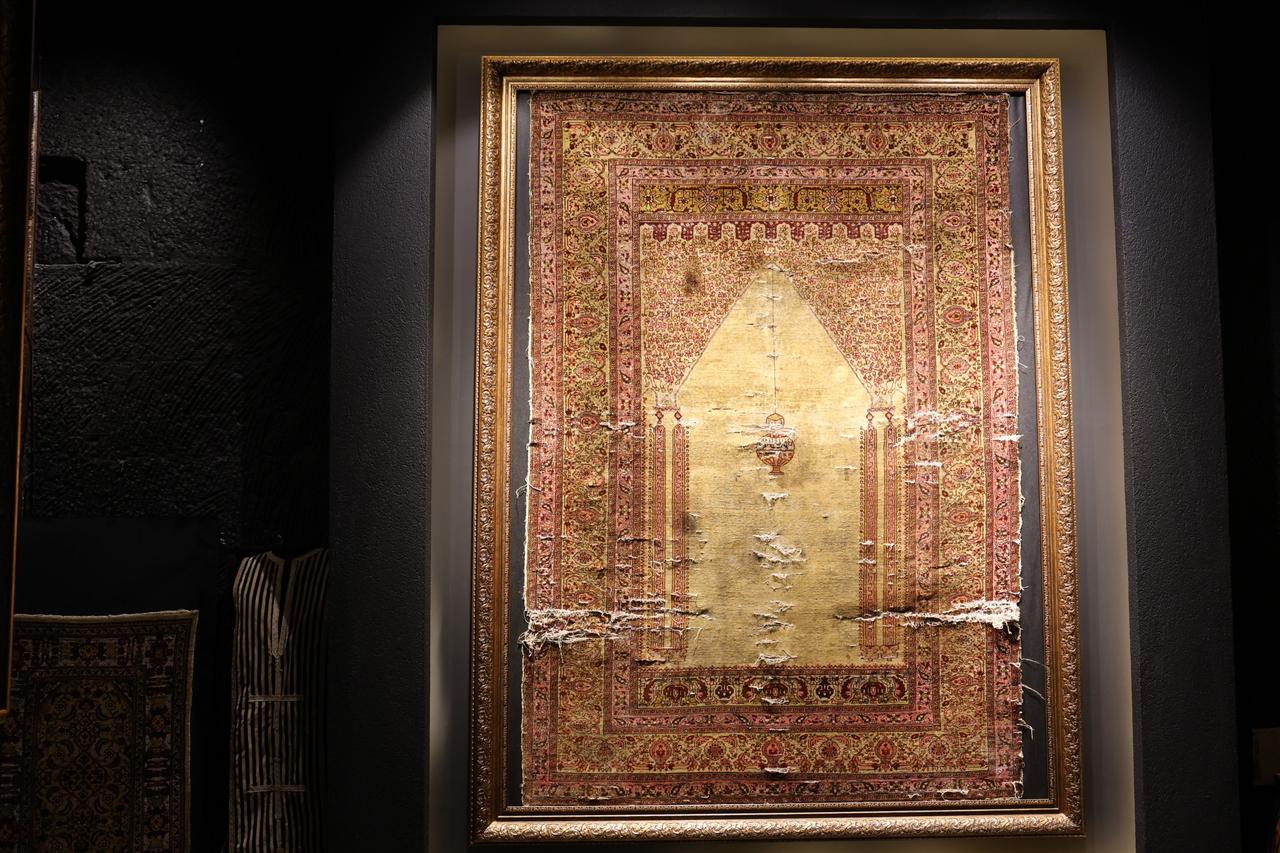


A rare silk carpet woven for Ottoman palaces around 300 years ago has gone on display in Cappadocia, offering visitors a chance to see a historic textile that has been preserved without restoration.
Produced in Bursa during the 1700s, the carpet is described as one of the earliest prayer-rug designs created for the imperial court and has retained its original appearance over the centuries.
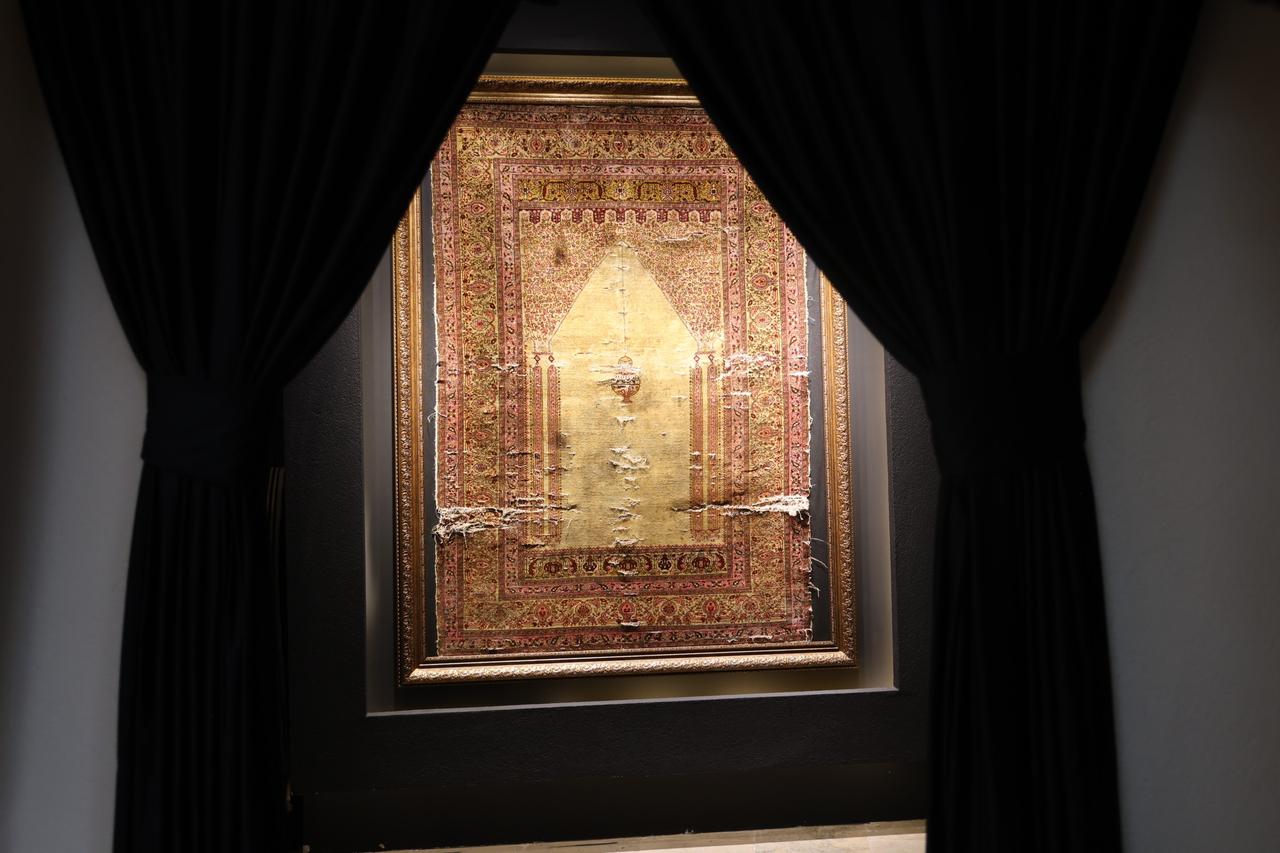

The historic carpet was woven entirely from pure silk in Bursa, a city long associated with silk production during the Ottoman era. Measuring approximately 2 meters by 1.5 meters (about 6.6 by 4.9 feet), the piece is regarded as one of the most distinguished surviving examples of Ottoman silk craftsmanship.
Silk carpets are widely valued for their soft texture, natural sheen, and highly detailed patterns. Because thousands of knots can be tied into a single square centimeter, they are able to display intricate motifs and are recognized both as works of art and as important elements of cultural heritage.
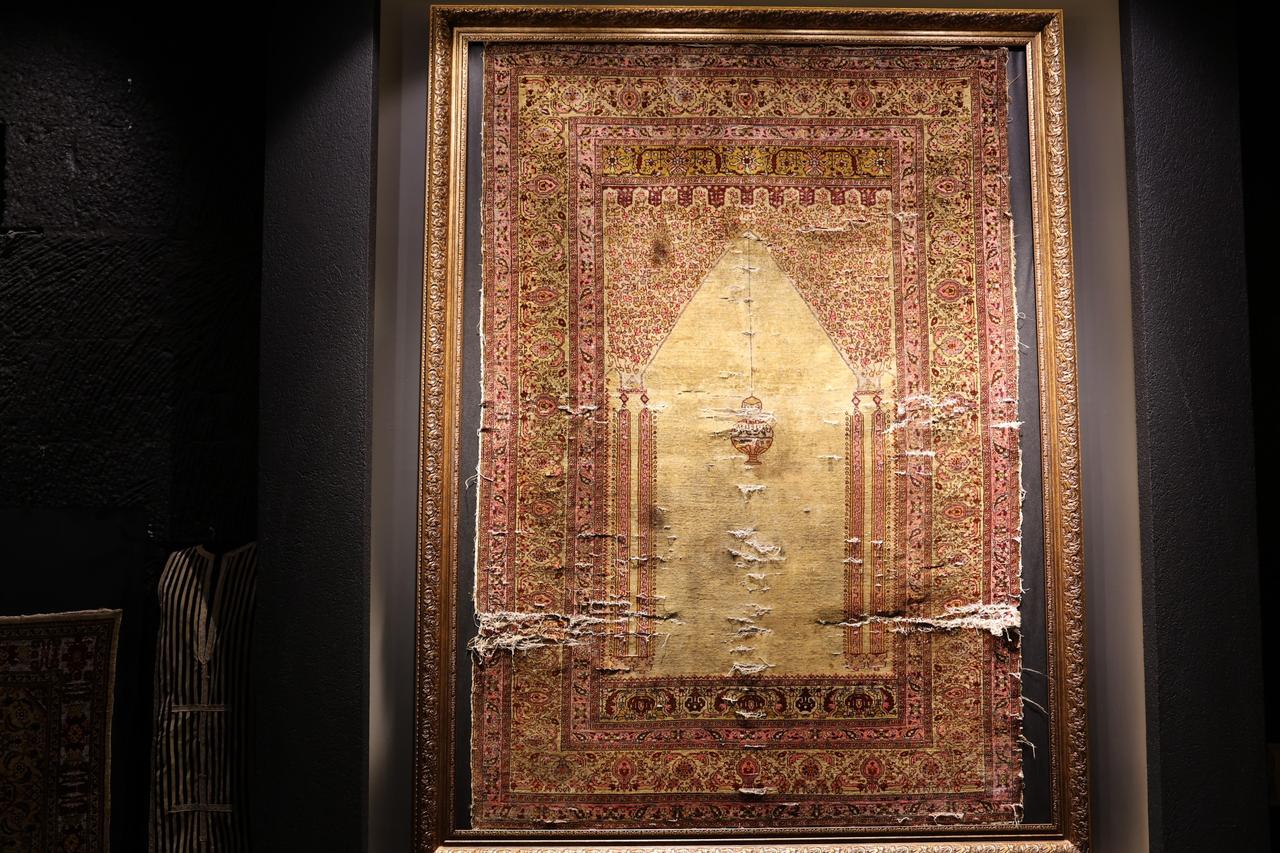
Carpet sales representative Aysel Solak said the carpet was woven for Ottoman palaces in the 1700s and was among the first prayer-design silk carpets produced for the court.
She noted that it was made entirely from pure silk and originated in the Bursa region.
Solak also explained that silk was initially used for ship sails because of its strength before becoming more widely available for everyday use. However, she emphasized that this particular carpet was created specifically for the palace, making it especially valuable.
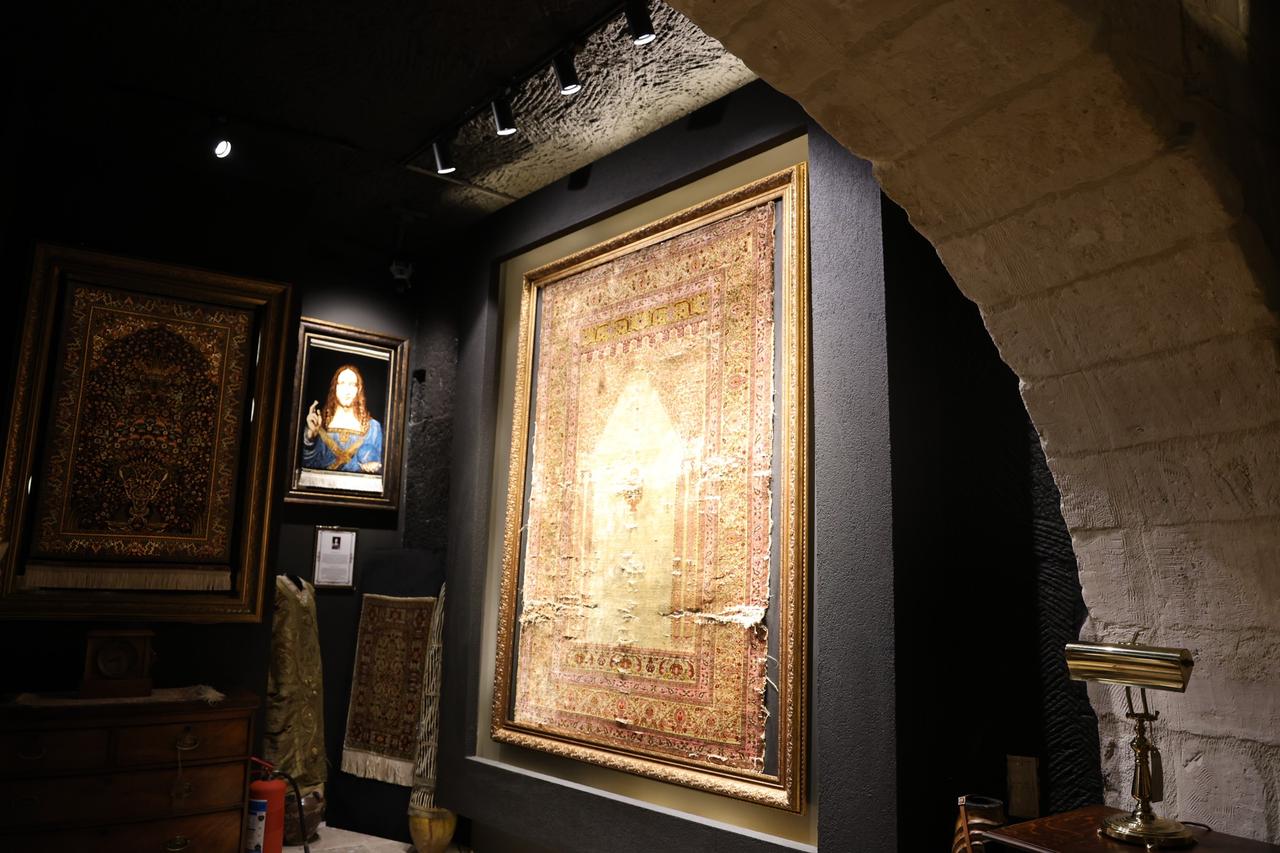
One of the carpet's most distinctive features is that it has never undergone restoration. According to Solak, its value cannot be measured, and it has been deliberately preserved without repairs to protect its authenticity.
She said the goal is to pass the historical piece on to future generations in its original state, adding, "Every knot and every motif reflects a history stretching back nearly three centuries. For us, it is not simply a carpet but a living historical artifact."
Now on display in Cappadocia, the silk carpet highlights both the refined standards reached by traditional hand weaving and the Ottoman Empire's expertise in silk craftsmanship.


 Set as preferred source
 Set as preferred source


 3 min read