Newsletters


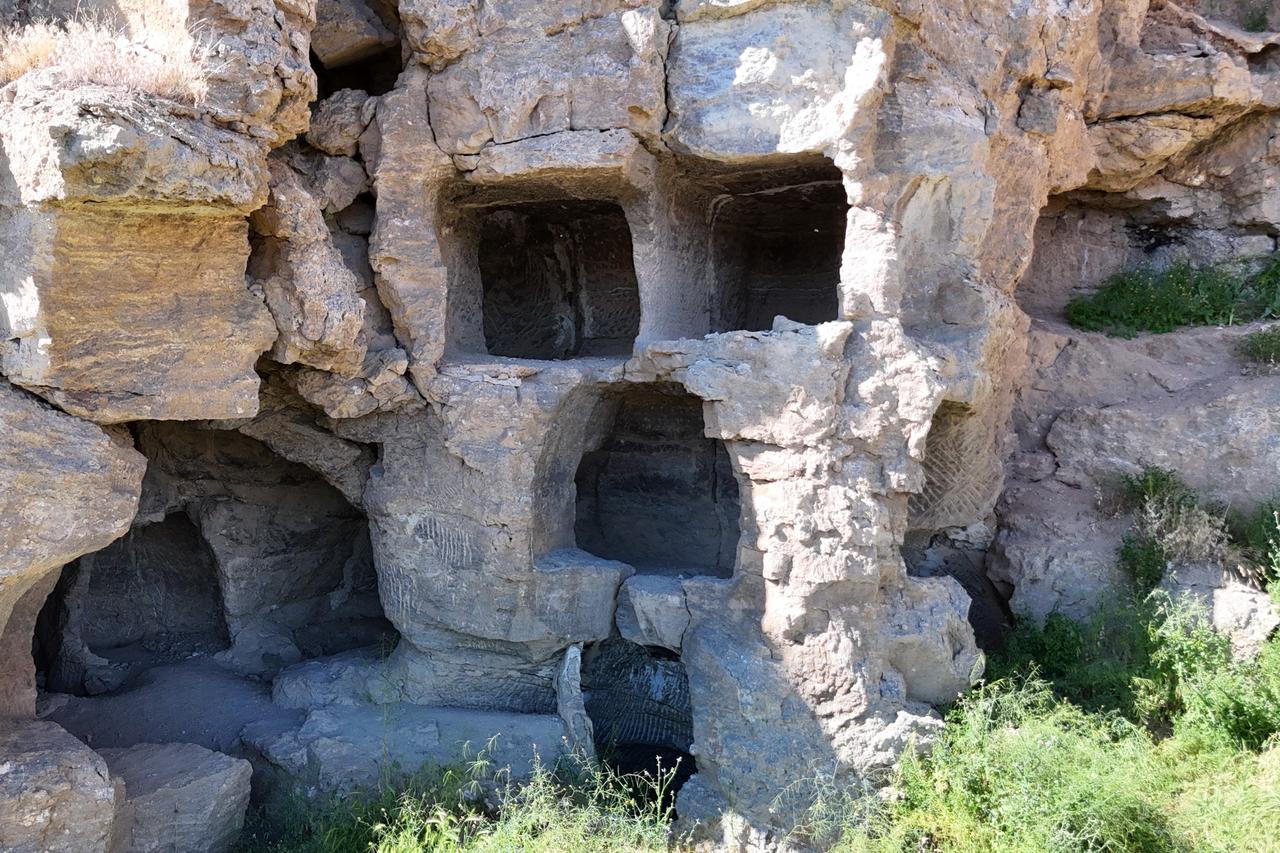


A rock-cut settlement estimated to be up to 3,200 years old in the Todurge village of Sivas’s Zara district has drawn renewed attention for its unique multi-level structure resembling an apartment complex carved into rock, while residents call for its preservation and tourism development.
The site, known locally as the “King Rock Caves,” consists of approximately 100 interconnected chambers carved into a steep rock formation.
Historical estimates suggest the settlement dates back to around 1,200 BCE, with evidence indicating continued use through the Roman period. Archaeological markers, including carved cross symbols discovered within the caves, confirm that the site was repurposed by successive civilizations over time.
The structure features interconnected chambers, narrow corridors, and strategic openings designed for defense and surveillance, indicating that the complex functioned as both a residential settlement and a fortified shelter.
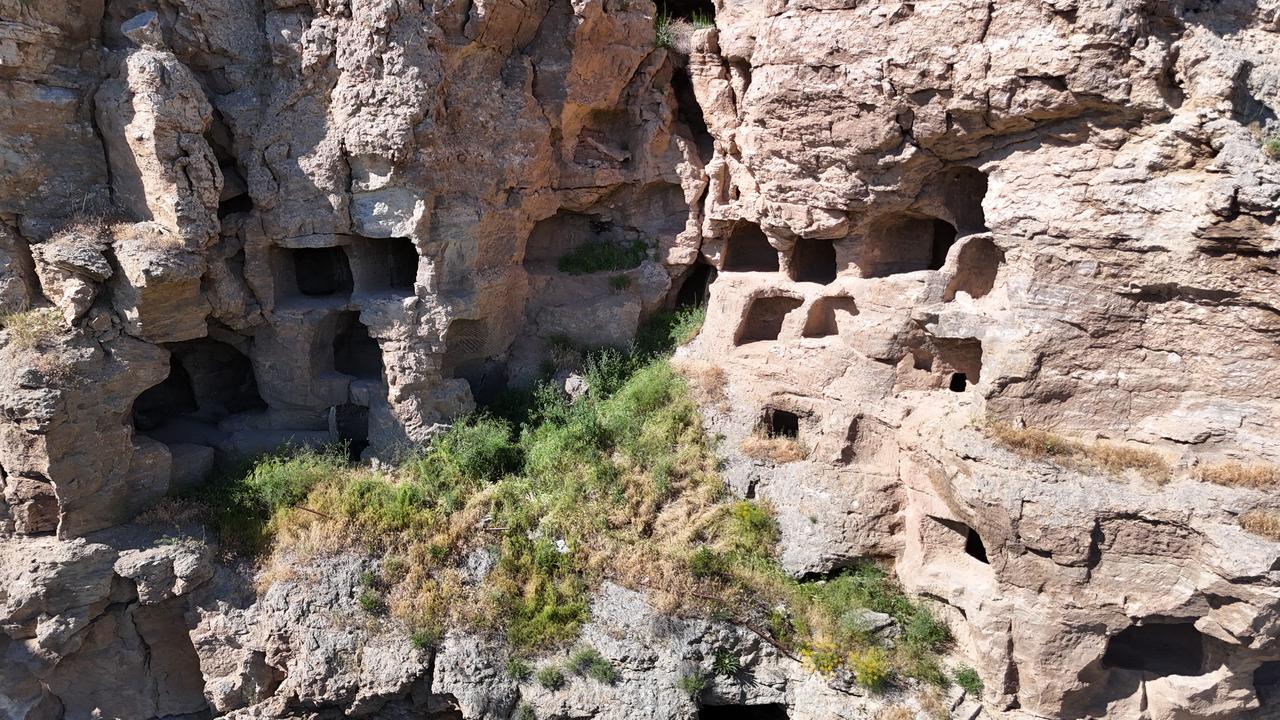

Local residents report that the site attracts several hundred visitors daily, with the numbers increasing significantly during the summer months. However, tourism activity remains largely informal, with most visitors observing the caves from a distance due to limited infrastructure and safety concerns.
Residents and observers have warned that natural erosion and falling rock fragments pose risks to both the structure and the visitors. Parts of the site have deteriorated over time, raising concerns about long-term preservation without intervention.
Community members in Todurge have urged authorities to restore and formally integrate the site into regional tourism routes. They argue that proper conservation and infrastructure development could transform the ancient settlement into a significant cultural heritage destination for both Sivas province and Türkiye.


 Set as preferred source
 Set as preferred source


 1 min read
 1 min read