Newsletters


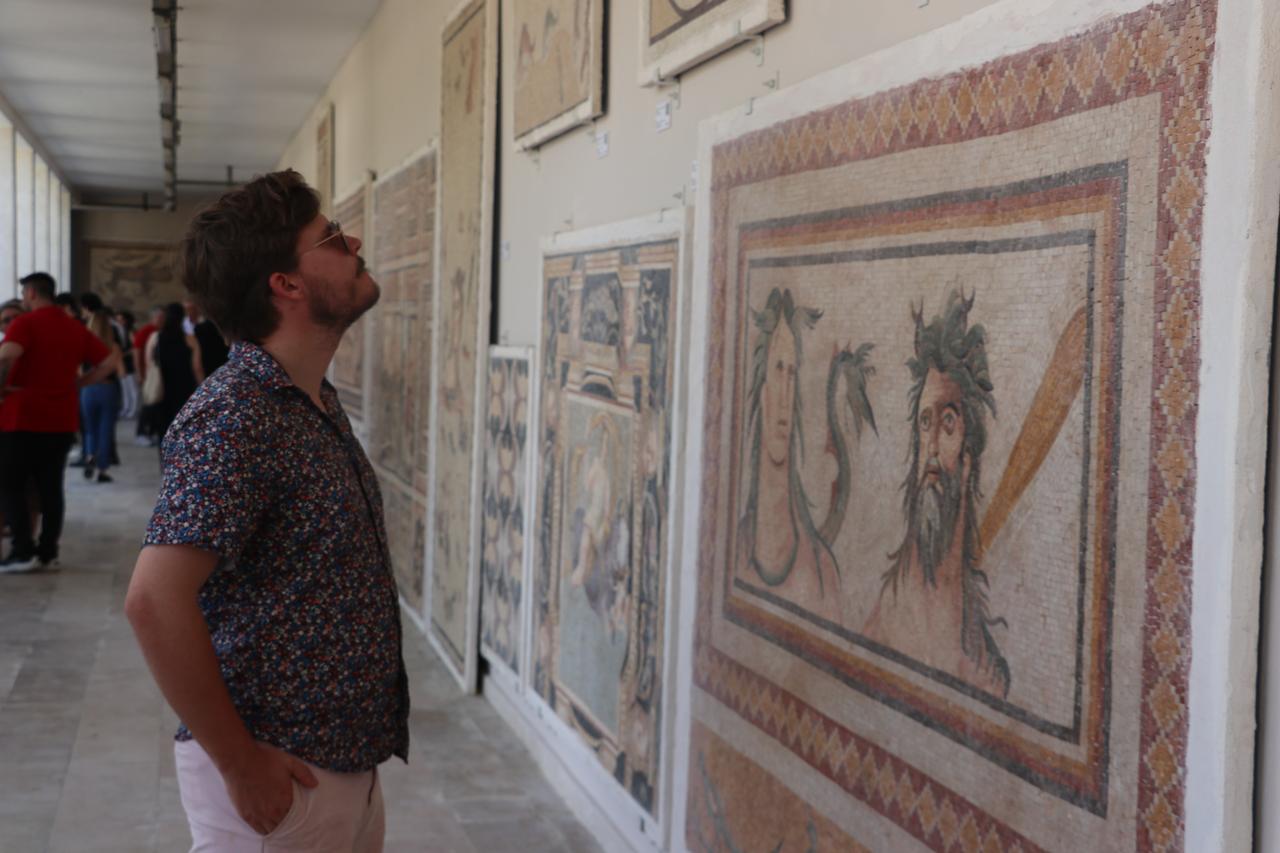


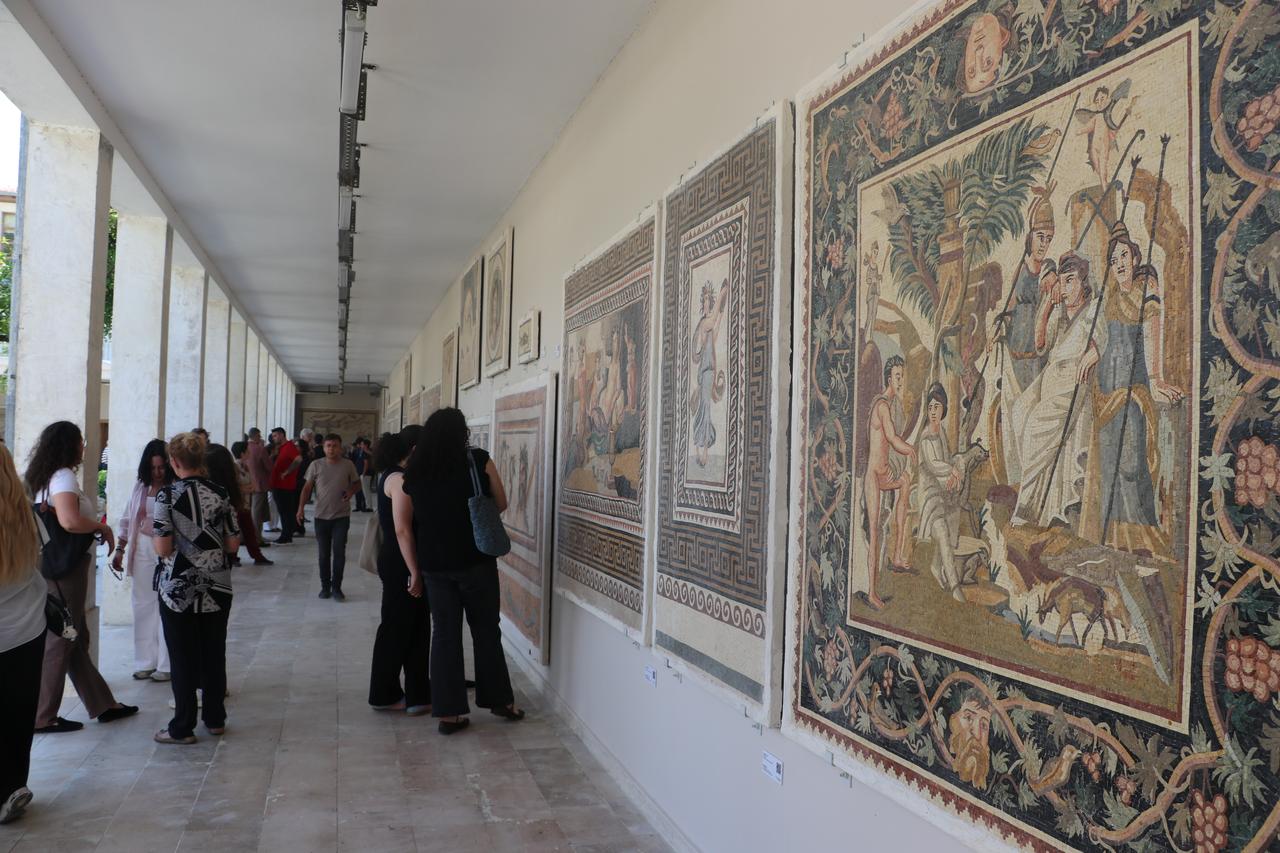
A new exhibition in Türkiye's Hatay brings together faithful replicas of mosaics and sculptures unearthed in Antakya and its surroundings during excavations conducted between 1932 and 1939, which were later taken to museums abroad.
The exhibition, titled “Antakya’s Displaced Mosaics: Bringing Together a Scattered Heritage,” opened at the Cemil Meric Provincial Public Library through cooperation between the Hatay Provincial Directorate of Culture and Tourism and the Antakya Art Museum Association, known as ASM-DER.
It features replicas of 27 mosaic panels and 2 sculptures linked to 11 different excavation sites, offering visitors a chance to see parts of Antakya’s dispersed cultural memory in the city where their story began.

Speaking at the opening, Hatay Provincial Director of Culture and Tourism Abdullah Dinc said the event was not only the opening of an exhibition but also an effort to bring together traces of Antakya’s cultural memory scattered across different countries and cities.
Dinc said an artifact may be separated from the place where it was found, but it never loses its bond with the land where it was born.
He described Antakya as a major center of civilization where cultures, beliefs and languages came together throughout history. The city, known in antiquity as Antioch, was one of the great urban centers of the Hellenistic and Roman worlds.
Founded by Seleucus I in 300 B.C., Antioch stood between Mount Silpios, today known as Habib-i Nejjar Mountain, and the Orontes River, now called the Asi River. In the Roman period, it grew into one of the most important cities of the eastern provinces and became known for its wealth, trade, intellectual life, and institutions.
Dinc underlined that the mosaics were not only artworks with aesthetic value but also historical documents.
“Each mosaic carries into the present the outlook on life, aesthetic sense, daily life, beliefs and human stories of its own period,” he said.
He added that the excavations carried out in Antakya and its surroundings between 1932 and 1939 revealed the city’s extraordinary cultural wealth to the world. Many mosaics and sculptures brought to light during those excavations are now displayed in museums in different countries.
According to Dinc, those works continue to introduce Antakya’s art and civilizational heritage to millions of people in the museums where they are displayed, but their original story began in Antakya.
“This exhibition builds a meaningful bridge of memory between the place where the artifacts began and the places where they are located today,” he said.
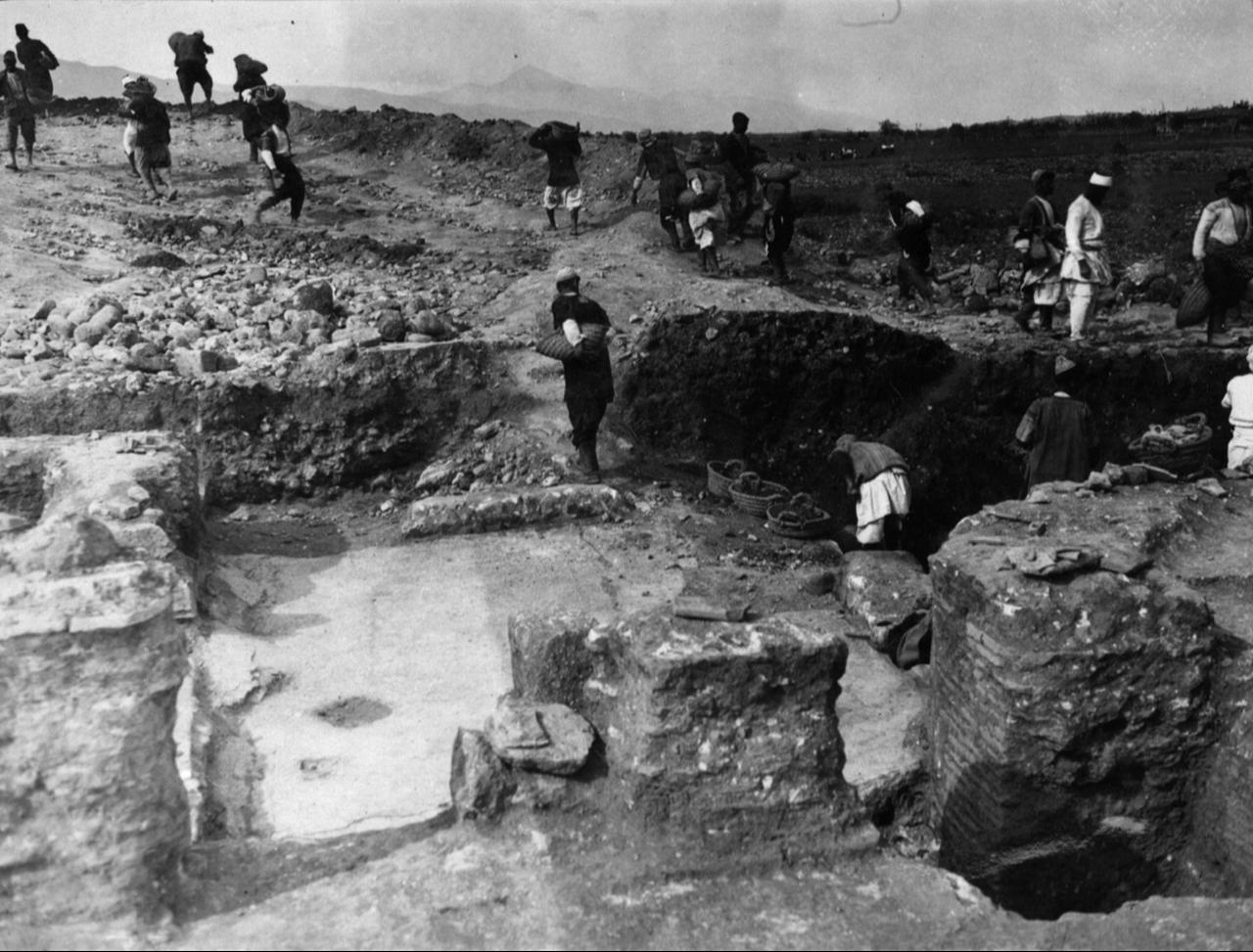
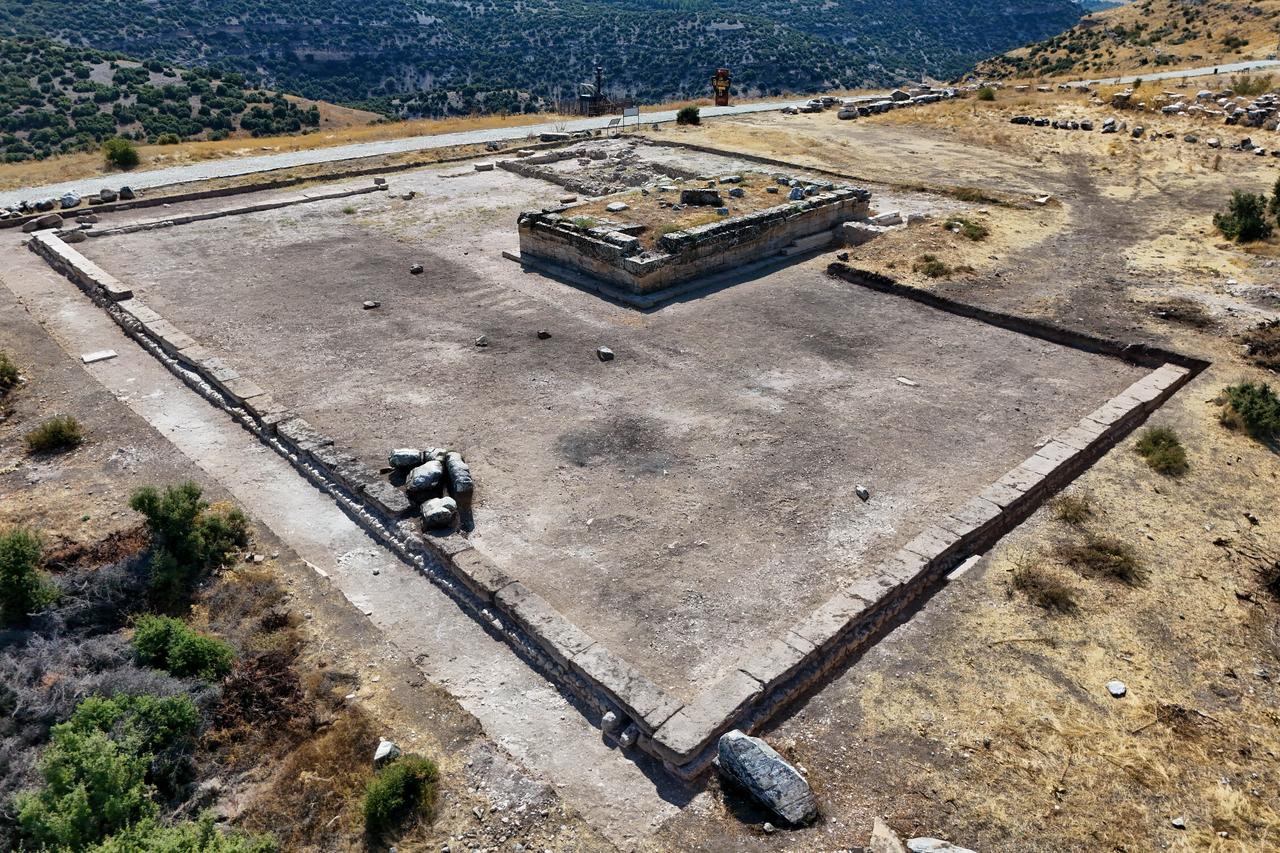
The works represented in the exhibition are tied to a major period of archaeological activity in Antakya, Seleukeia Pieria, today Samandag, and Daphne, today Harbiye.
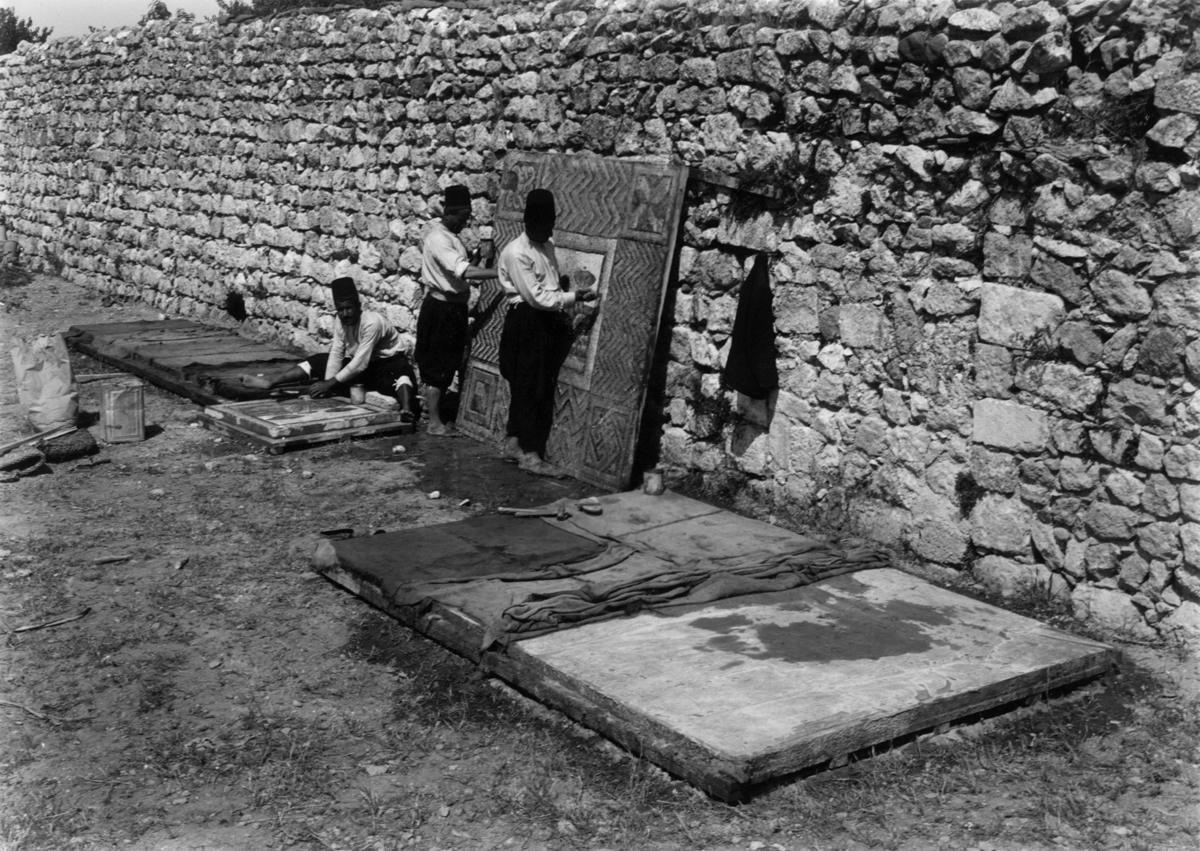
Between 1932 and 1939, during the French mandate period, the Committee for the Excavation of Antioch and Its Vicinity carried out systematic excavations in the region. The committee included institutions such as Princeton University, the Worcester Art Museum, the Baltimore Museum of Art and the Louvre Museum.
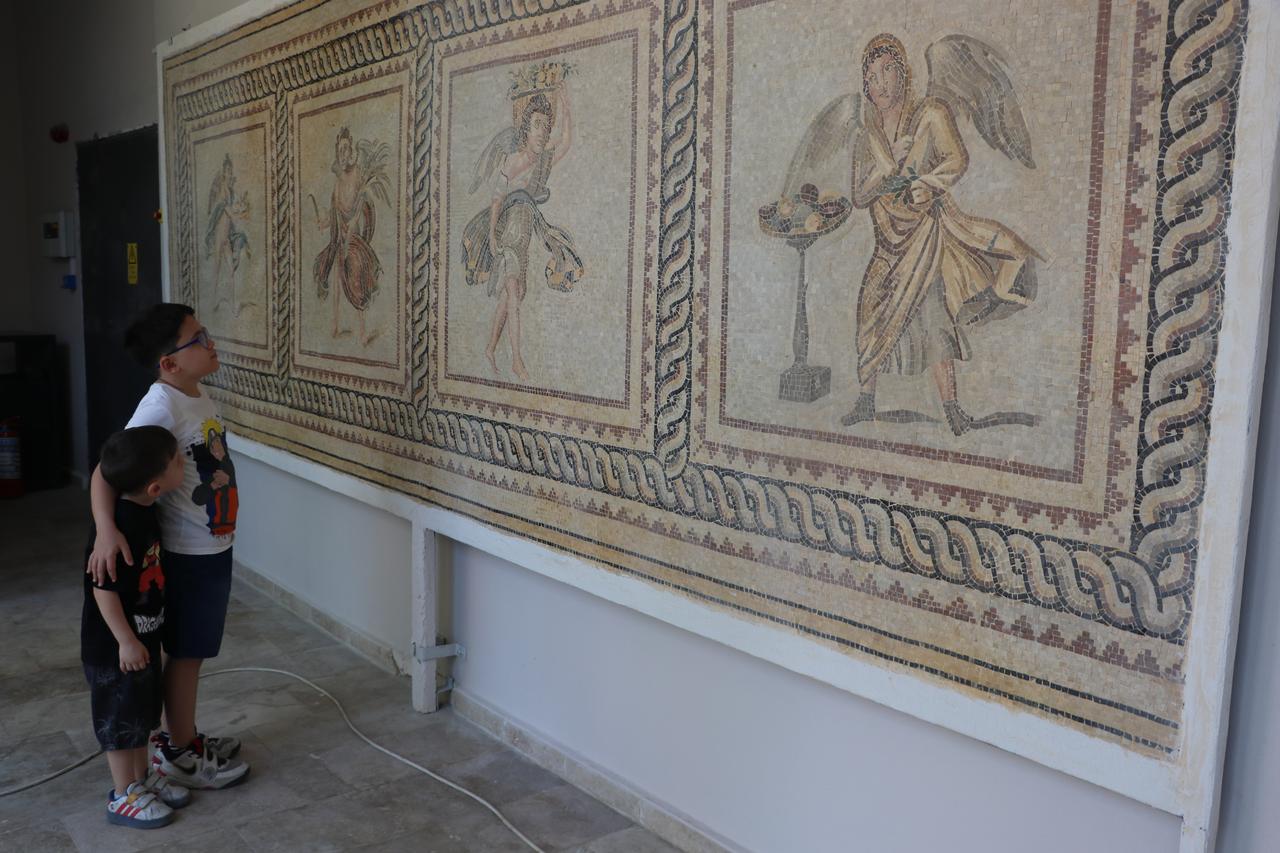
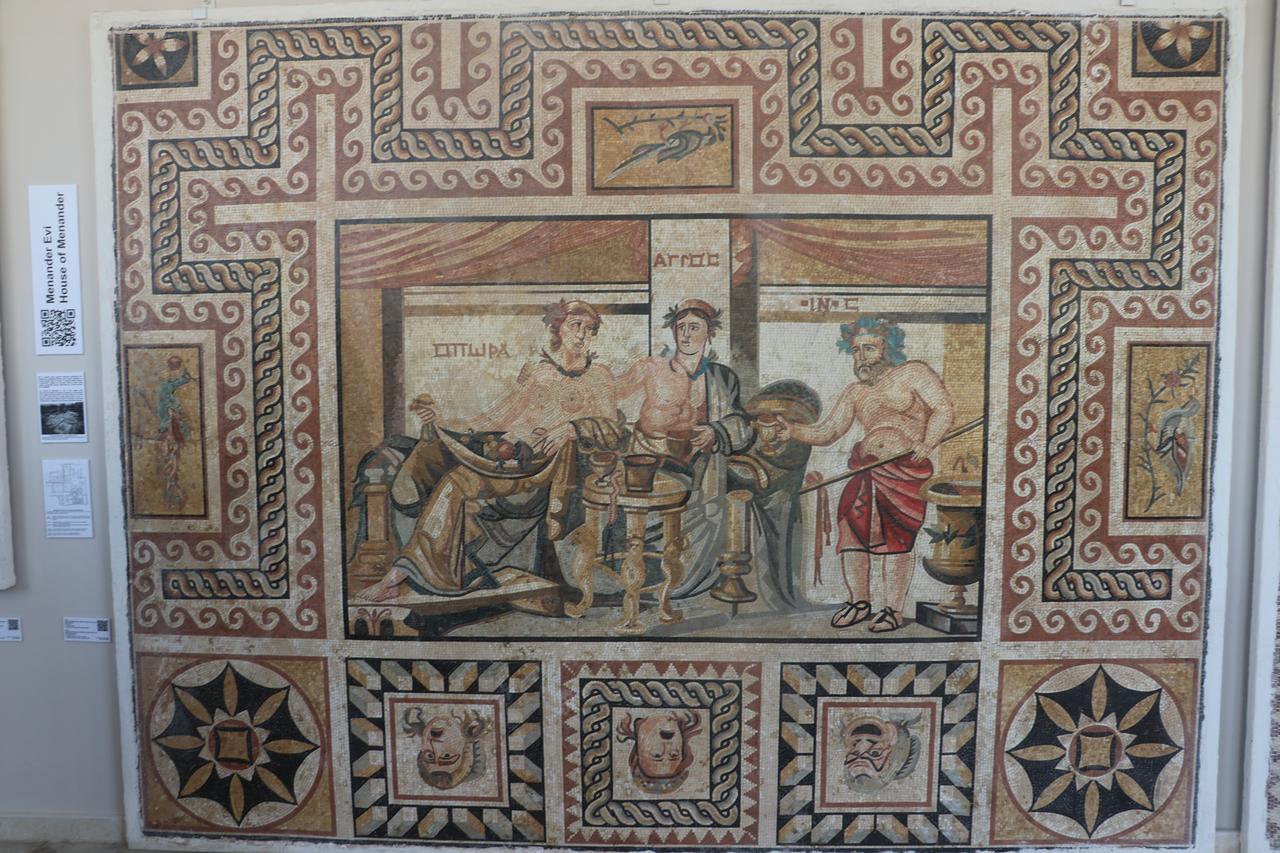
Over 300 mosaic floors unearthed during those excavations were later published as a corpus by D. Levi. Some of the best-known examples linked to this dispersed heritage include the Judgment of Paris Mosaic, the Kantharos and Birds Mosaic, the Birds Mosaic, the Okeanid Mosaic, the Amazonomachy Mosaic, the Phoenix Mosaic, the Parrots Mosaic and the Seasons Mosaic.
Several of these works were taken to the Louvre Museum in Paris in the 1930s, while others were distributed to different museums and collections abroad.
The Hatay exhibition does not bring the original works back physically, but it sets out to reconnect them with the city through accurate replicas.
ASM-DER President Iskender Azaroglu said the aim of the exhibition is to raise awareness and help future generations build a cultural bond with their past.
Antakya Mayor Ibrahim Naci Yapar also said the city’s cultural heritage carries great richness in every aspect. He added that the exhibition contributes to the remembrance of Antakya artifacts scattered across museums abroad and helps pass this heritage on to future generations.
The exhibition will remain open to visitors for one year.


 Set as preferred source
 Set as preferred source


 2 min read
 1 min read