Newsletters


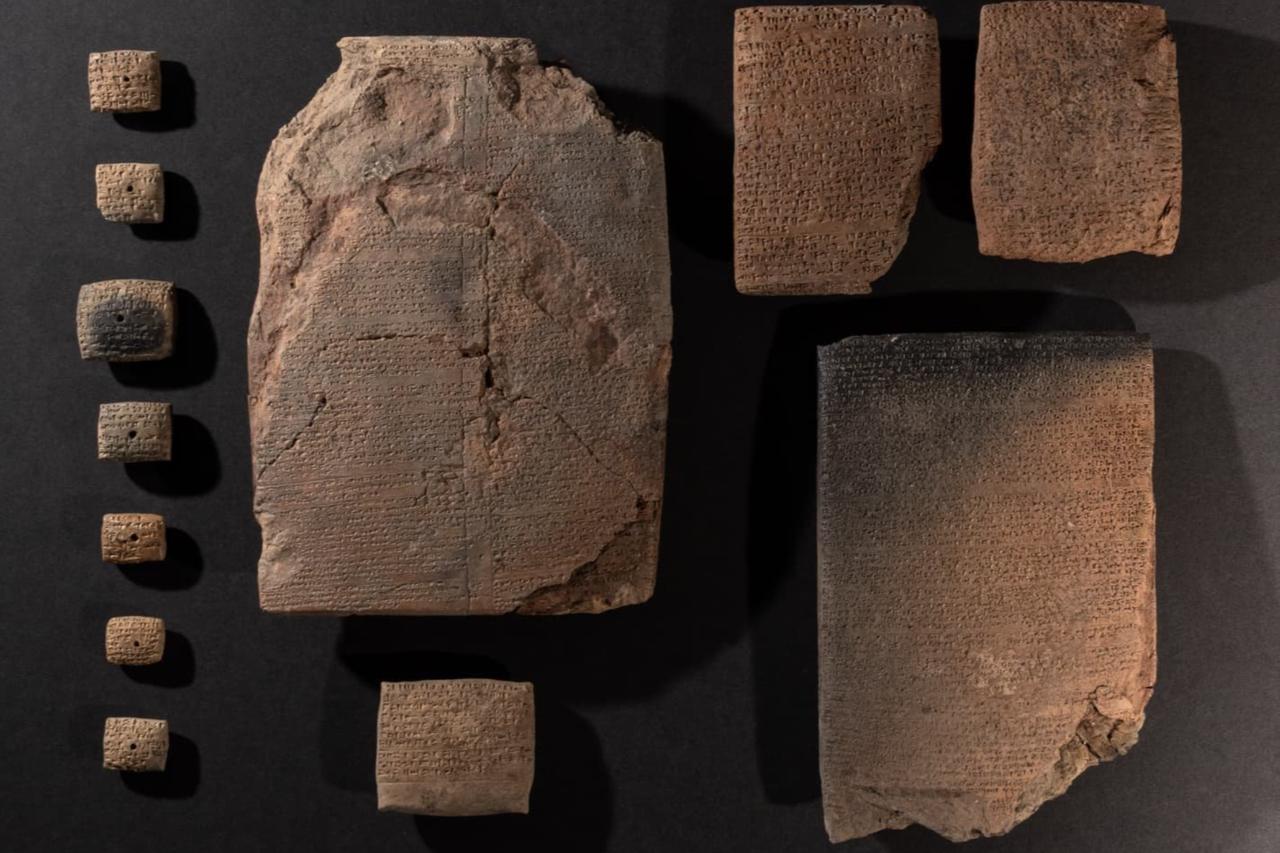


A newly uncovered Hittite royal archive in central Türkiye has revealed accounts of a deadly epidemic affecting children, the death of an infant princess and urgent military appeals from generals facing enemy threats.
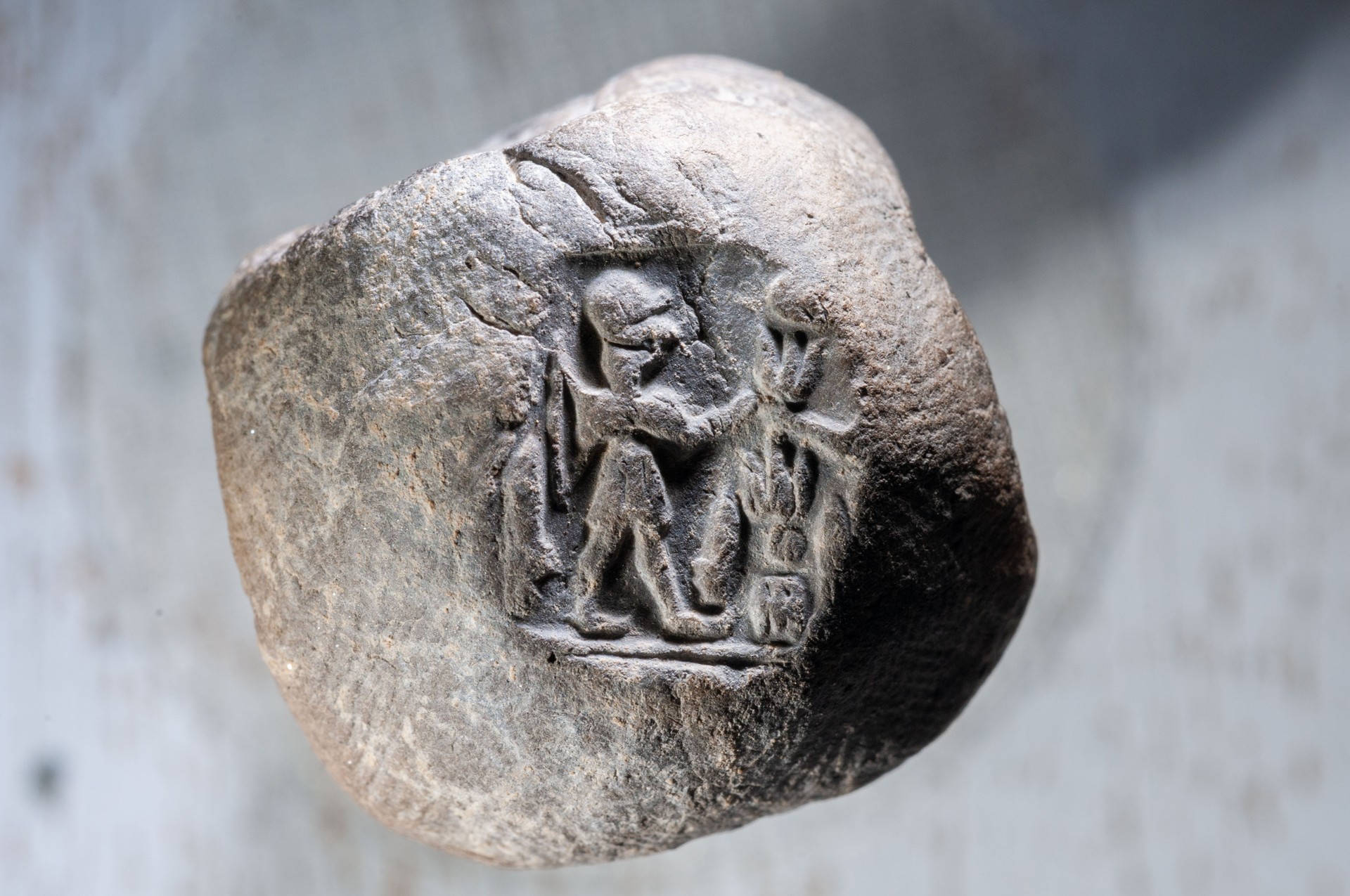
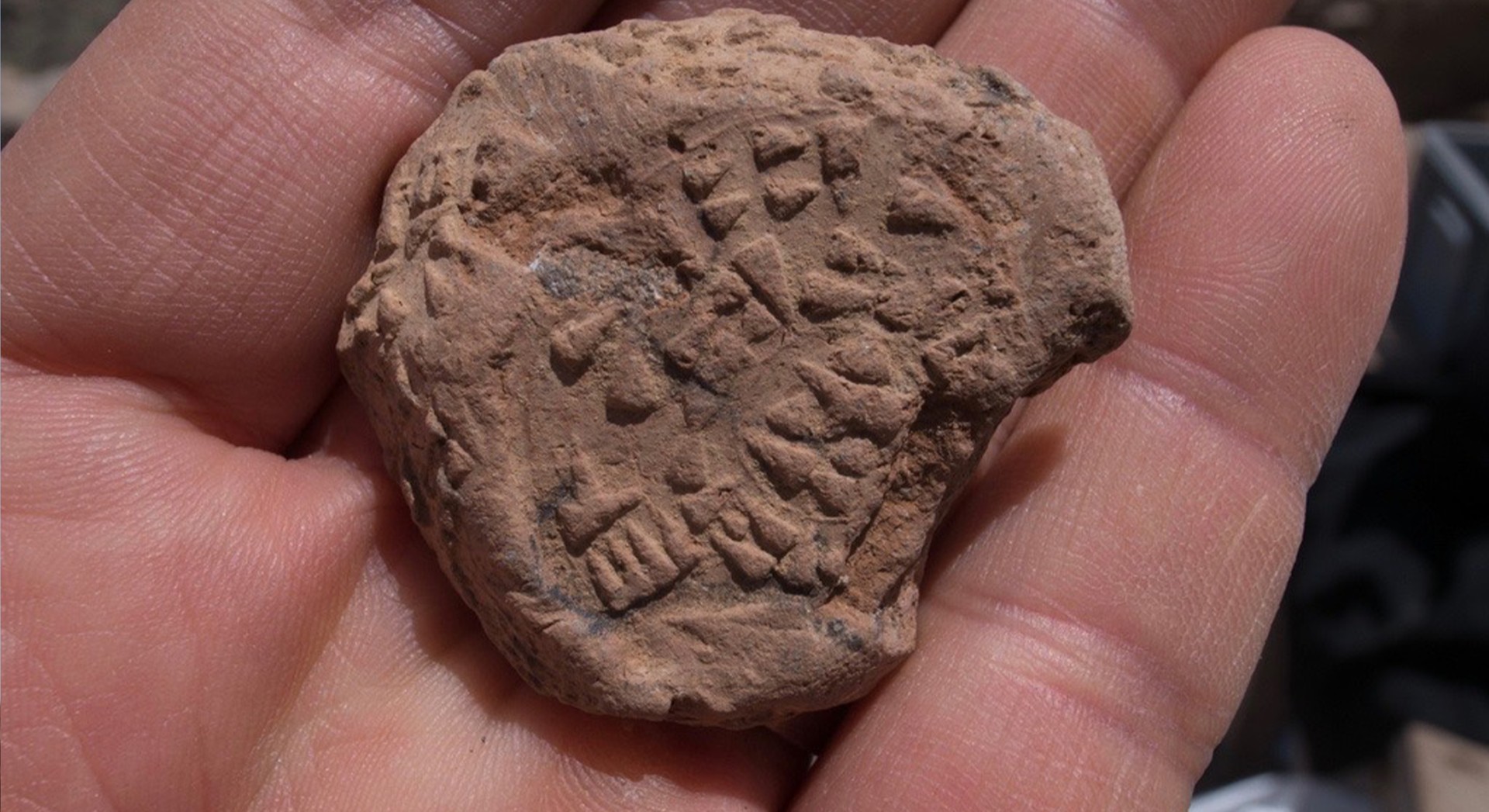
Turkish Culture and Tourism Minister Mehmet Nuri Ersoy announced that excavations carried out in 2026 at Kayalipinar, the site of the ancient city of Samuha in Sivas province, brought to light 131 cuneiform tablets and fragments dating back to the reign of King Tudhaliya II.
Together with discoveries made during the previous excavation season, the collection now comprises 184 tablets and fragments, making it the most extensive Hittite-language archive discovered in the 21st century, according to Ersoy.
Written in Hittite and Hurrian, the approximately 3,400-year-old documents provide new evidence of royal affairs, state administration, military developments and religious practices.
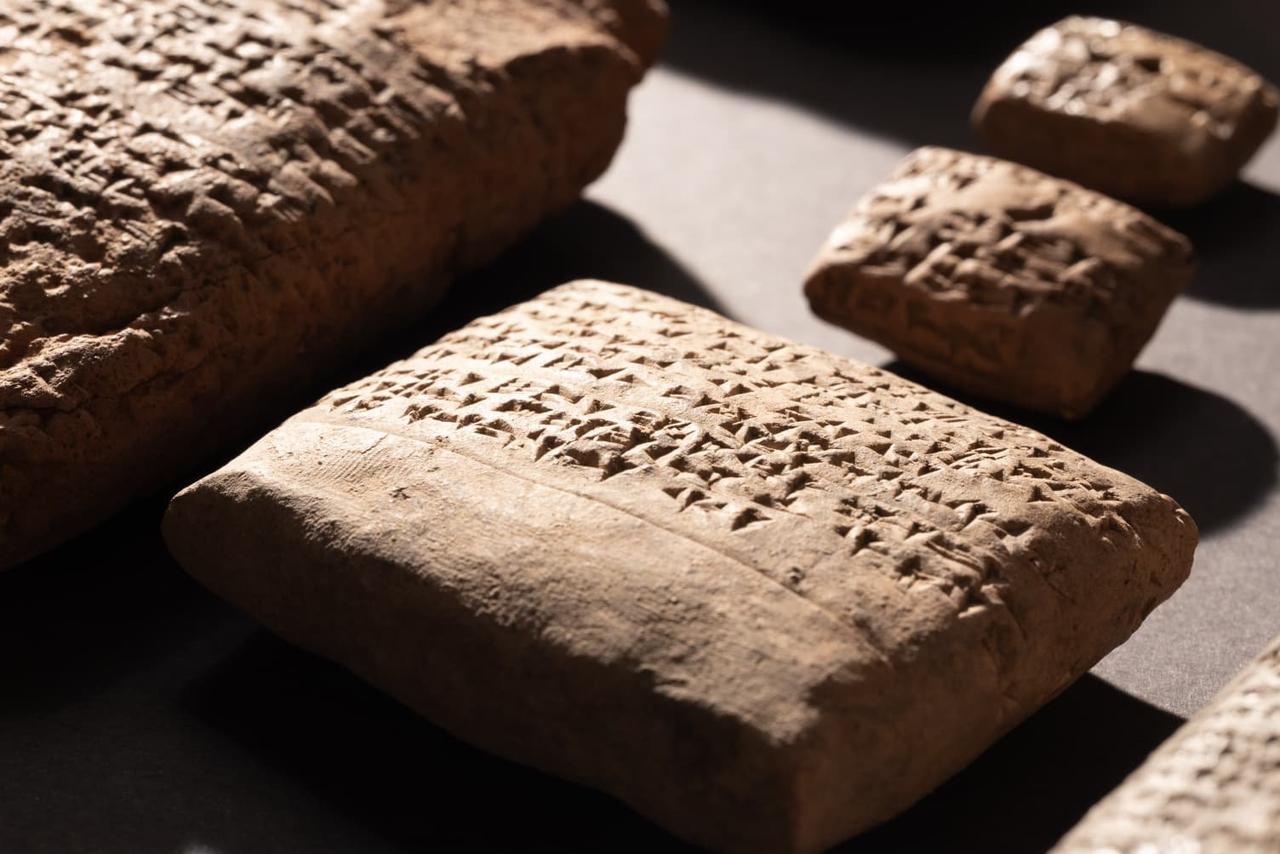

Among the findings are records describing a high-fever epidemic that spread from city to city, particularly affecting infants and children.
The tablets also document the illness of an infant princess, her subsequent death and the funeral rituals carried out for her, offering insight into events within the Hittite royal family.
Other documents reveal the military challenges faced by the kingdom. In one letter, Hittite generals stationed in western Anatolia appealed to the king for additional soldiers, horses and war chariots as they confronted an enemy threat.
The commanders warned that their army could be destroyed unless reinforcements arrived.
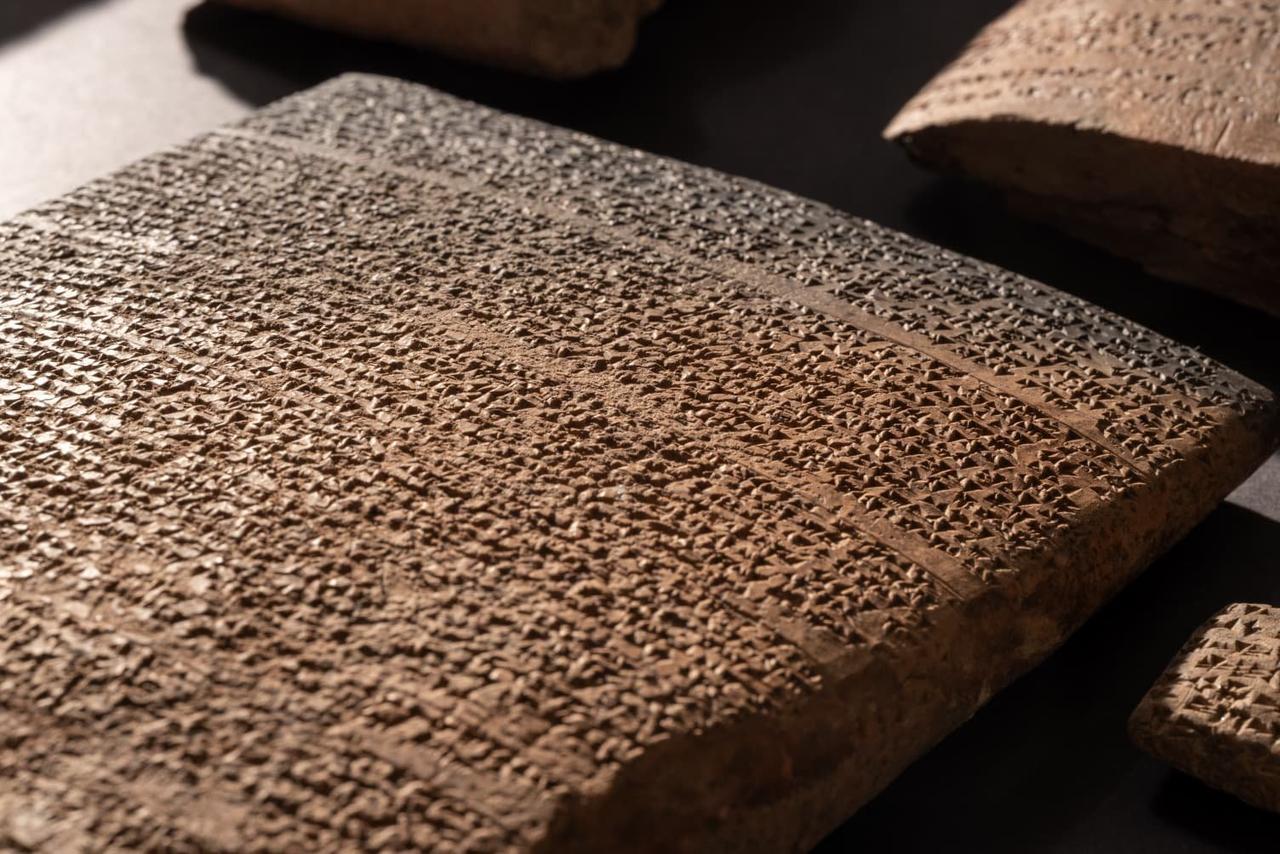
The archive also contains tablets documenting the routes and observations of bird diviners, individuals who interpreted the movements and behavior of birds to seek signs about future events.
According to Ersoy, these records provide previously unknown information about Hittite divination practices.
Beyond the accounts of disease, royal affairs and military emergencies, the collection is expected to contribute to research into Hittite history, religious traditions, language development and scribal culture.
Ersoy emphasized that efforts would continue to uncover, preserve and pass on Anatolia's archaeological heritage through scientific research.


 Set as preferred source
 Set as preferred source


 1 min read
 1 min read