

 Newsletters


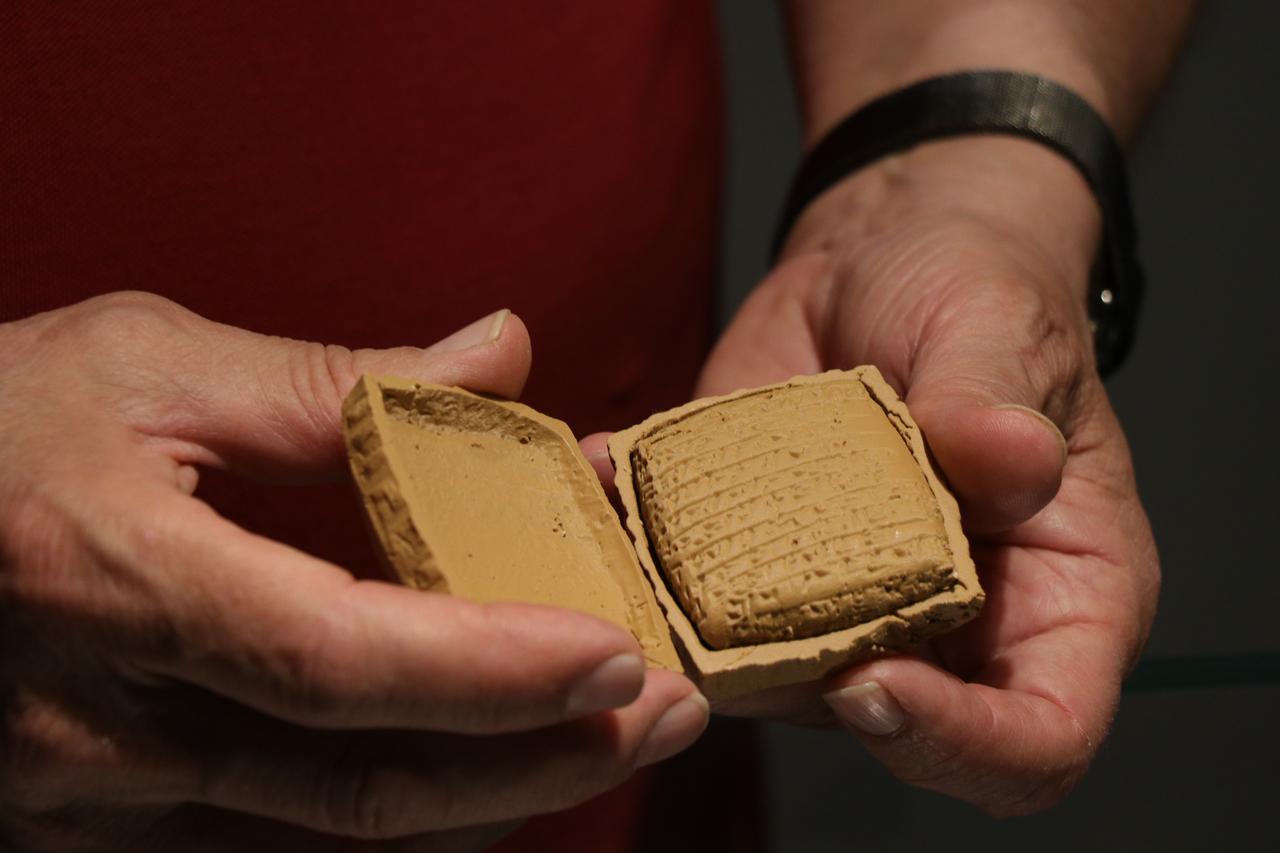


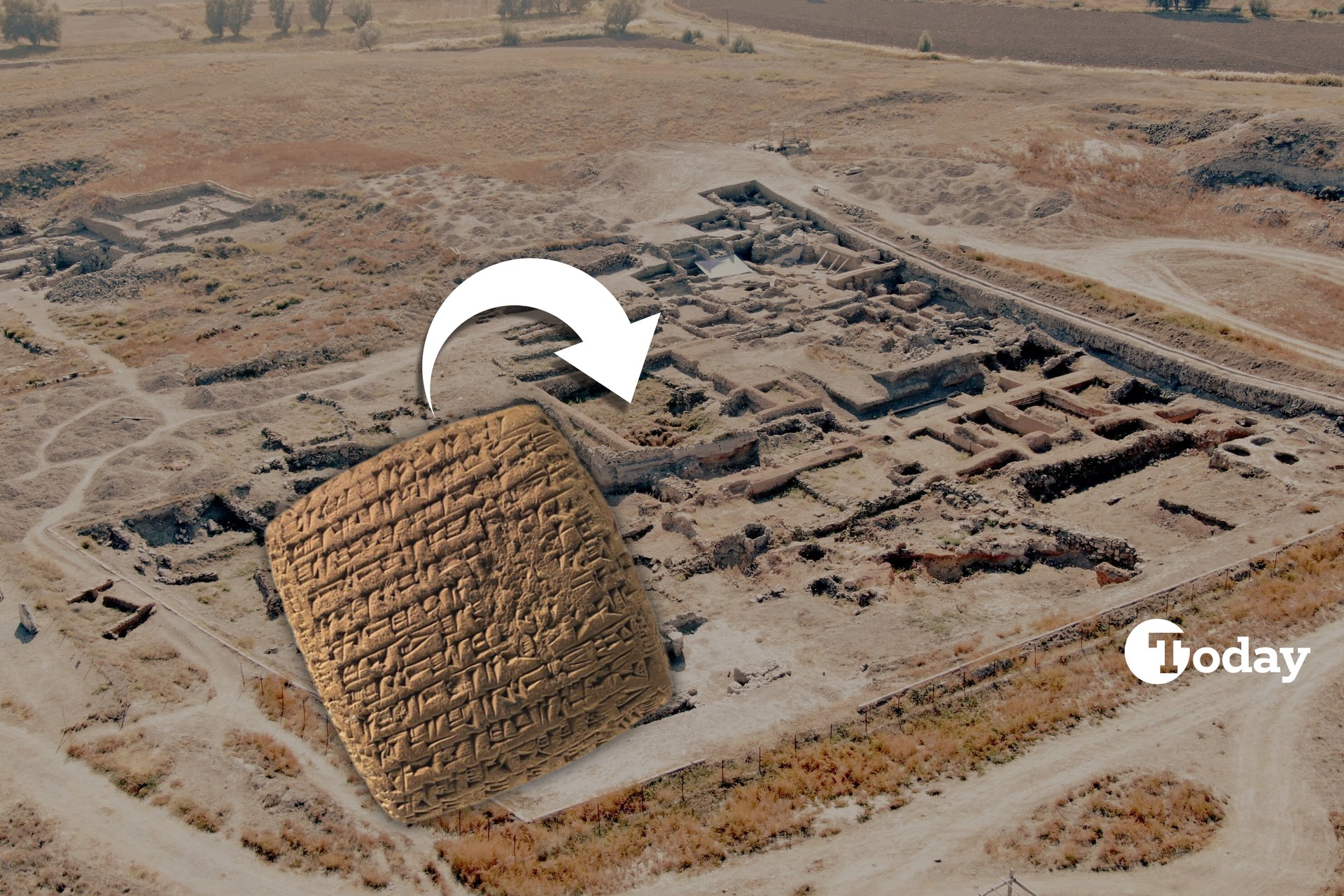
A 4,000-year-old cuneiform tablet from Kultepe Kanesh-Karum, preserved inside a mud envelope, is on display at Kayseri Archaeology Museum after researchers read its contents without breaking the seal.
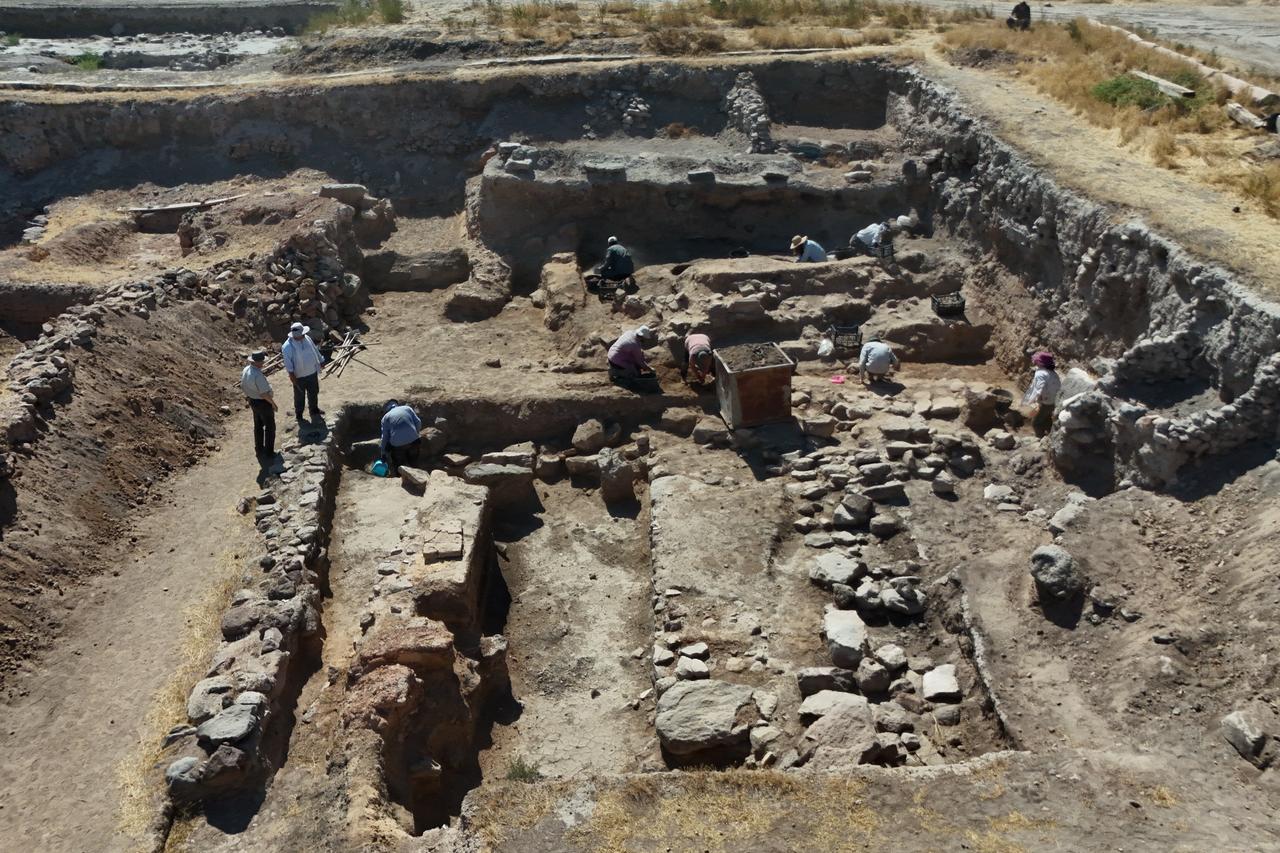
The tablet was unearthed during excavations at Kultepe Kanesh-Karum, an ancient settlement located about 20 kilometers (12.43 miles) northeast of Kayseri city center. Excavations have been carried out at the site since 1948, bringing to light thousands of written documents that shed light on Anatolia’s early history.
Among the 28 cuneiform tablets displayed at the museum, the sealed tablet stands out because its text was read without opening or damaging the mud envelope.
The cuneiform text was deciphered through a joint project by France’s National Center for Scientific Research, known as CNRS, and the University of Hamburg.
Using an advanced imaging method, researchers were able to read the tablet while it remained inside its protective clay covering. The text records a trade agreement between Sawidasu, son of Sarapunuwa, and Enisar over wheat and barley.
Cuneiform, one of the world’s earliest writing systems, was written by pressing wedge-shaped marks into clay tablets. In Kultepe, such tablets often recorded business transactions, debts, orders and contracts.
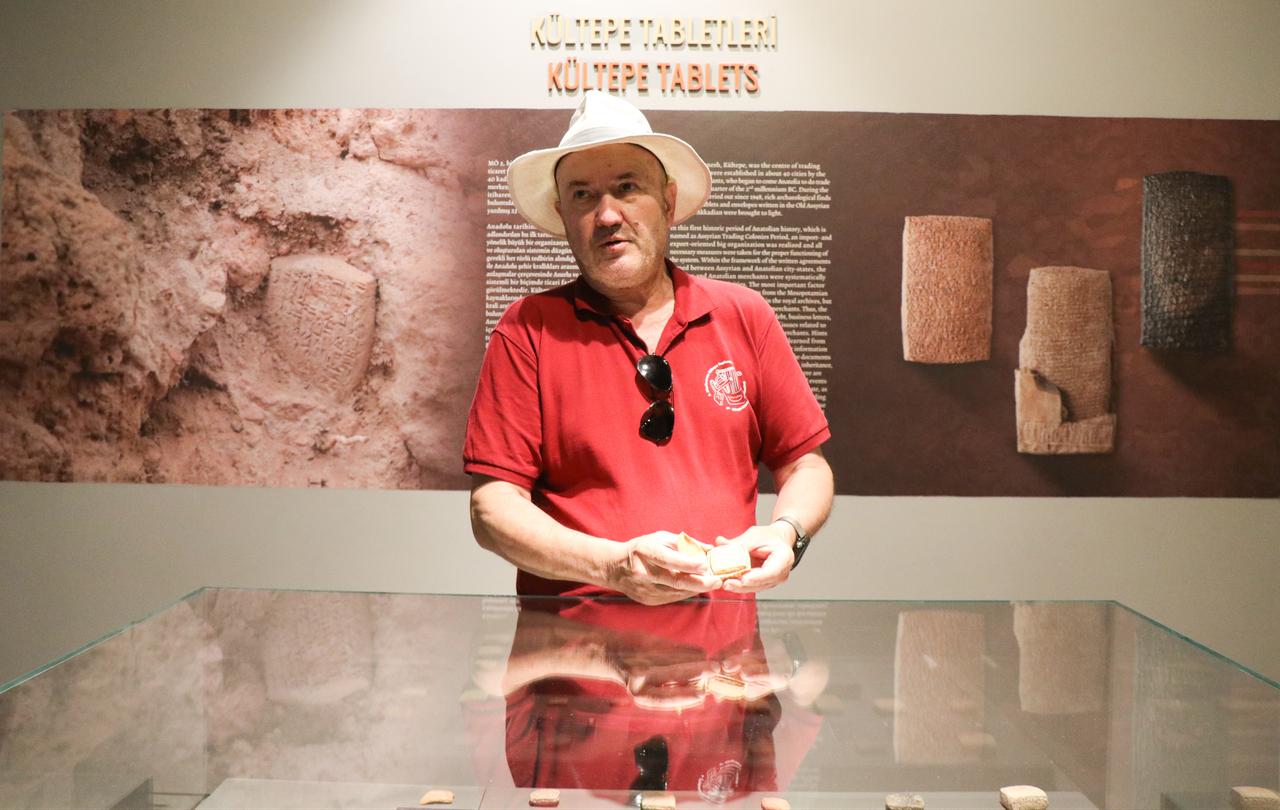

Professor Fikri Kulakoglu, head of the Kultepe excavation team and a faculty member at Ankara University’s Faculty of Languages, History and Geography, said around 23,500 cuneiform documents have been found in the excavations so far.
He noted that this collection was registered in UNESCO’s Memory of the World Program under the name “The Old Assyrian Merchant Archives of Kultepe.”
Kulakoglu said Assyrian merchants who came from the city of Ashur, located about 100 kilometers south of Mosul, chose Kultepe as their main center around 4,000 years ago and managed their administrative and commercial affairs from there.
“Today, whatever exists in the accounting office of any company, similar records existed in the merchant archives at Kultepe. Receivables, debts, orders, contracts and everything related to money were written on these tablets,” he said.
Kulakoglu explained that written clay tablets were sometimes covered with another layer of clay, creating a sealed envelope. The outside of the envelope usually included a summary of the message, the destination and seals of witnesses.
In the past, such envelopes had to be broken to reach the tablet inside. As long as the envelope remained closed, the full content could not be known.
With new technology, however, researchers can now scan these objects using a highly sensitive device similar to tomography. Kulakoglu said the same project first examined sealed tablets at the Louvre Museum in Paris, before moving on to examples at the Museum of Anatolian Civilizations in Ankara and Kayseri Archaeology Museum.
“These scans are so sensitive that, for example, you can even see a barley grain, a leaf, a stone or sometimes a small fly trapped inside the clay or the tablet. Therefore, we can read the tablet inside the envelope without damaging it in any way. If necessary, we can also print it in three dimensions and then reach what is written in the letter,” he said.
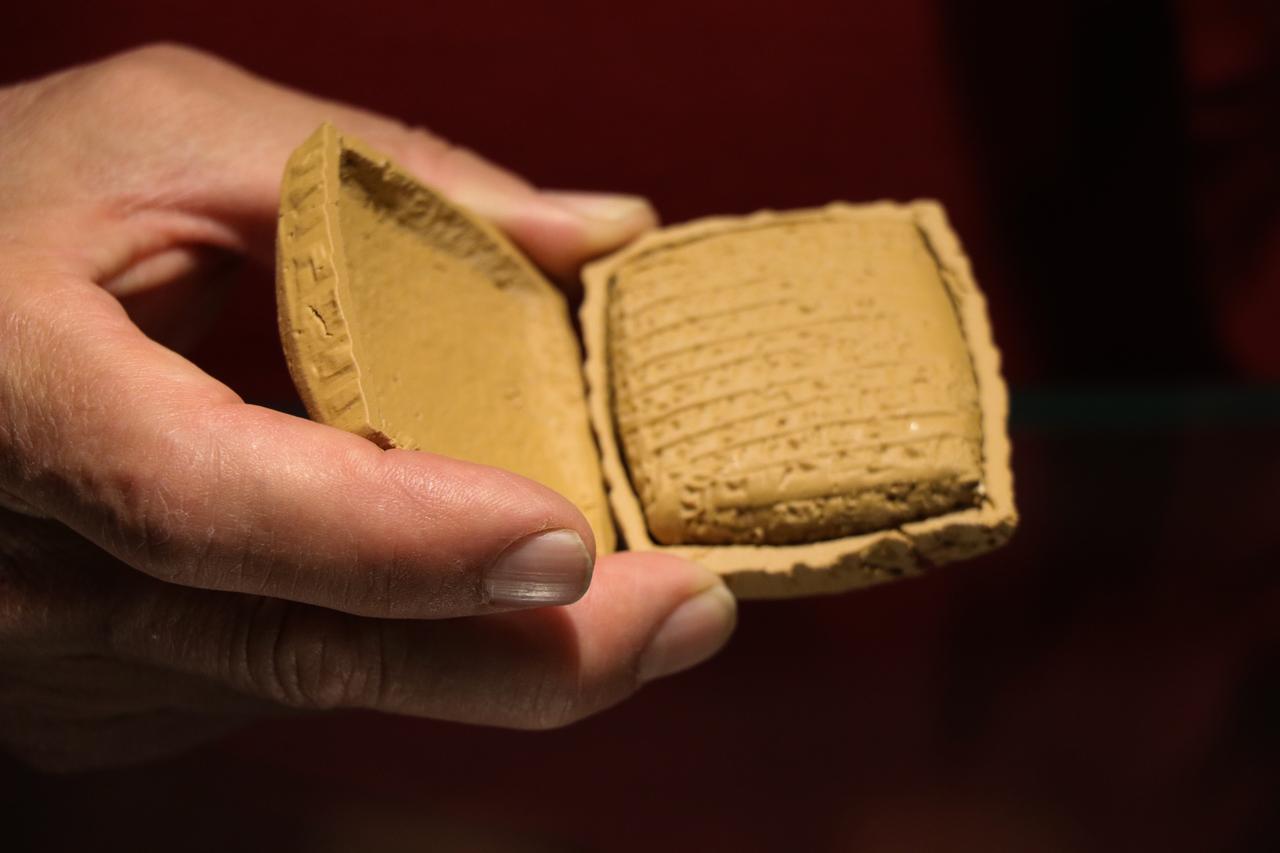
Kulakoglu said the sealed tablets mostly contain agreements or contracts. In the case of the Kayseri tablet, the letter had been prepared, placed into its envelope and sealed, but the agreement appears not to have been finalized.
“If it had been sent, its owner would have broken it open, looked at the tablet inside and the agreement would have come into force,” he said.
 2 min read
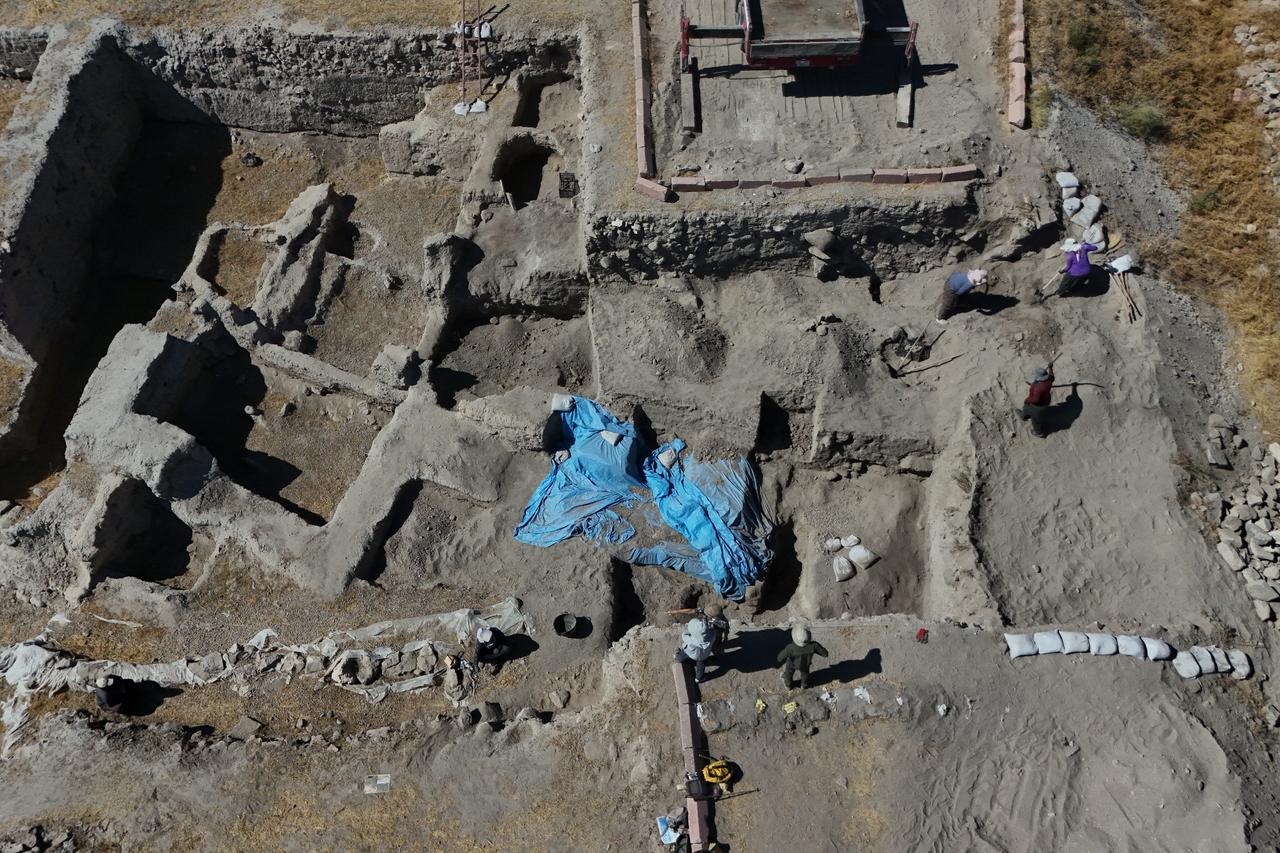
He added that most sealed tablets relate to commercial agreements, either sent from Kanesh to another place or received in Kanesh.
“There are also data related to daily life, but the main subject is money and trade,” Kulakoglu said.


 Set as preferred source
 Set as preferred source


 1 min read


