Newsletters




Kayseri’s Kultepe Kanesh-Karum archaeological site, known as “the place where Anatolian trade history began,” has yielded a new discovery that pushes its story even further back in time.
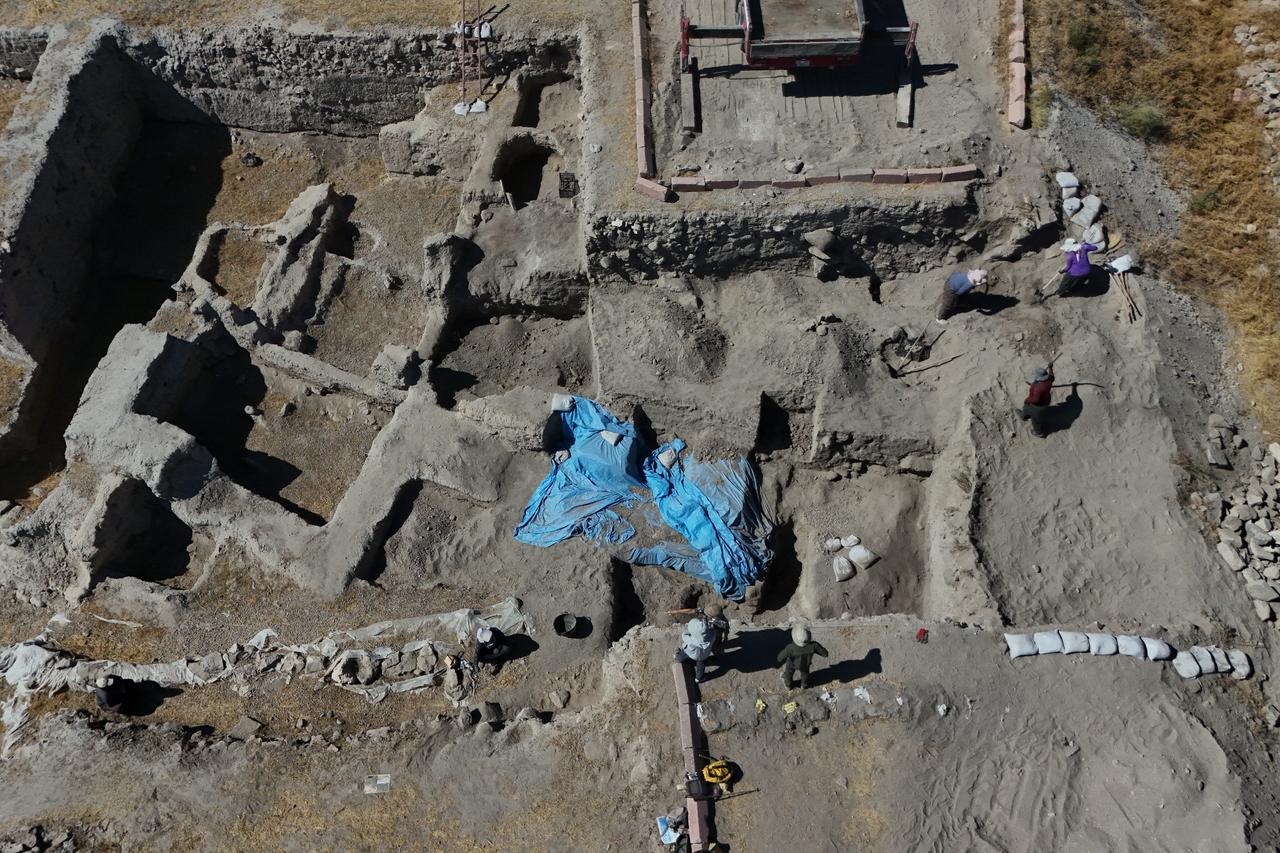
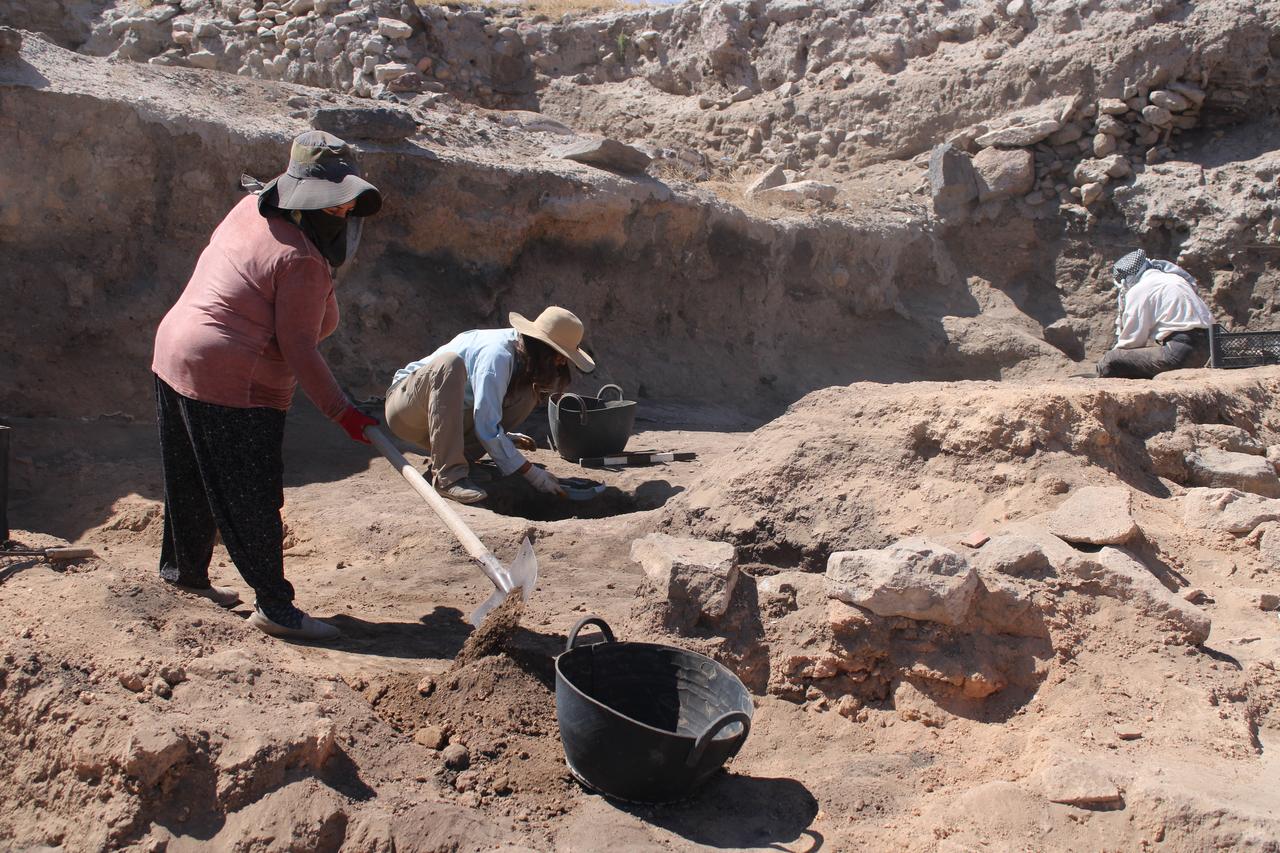
During this year’s excavations, archaeologists uncovered the remains of another palace directly beneath an already known royal complex, revealing even larger buildings with exceptionally thick walls.
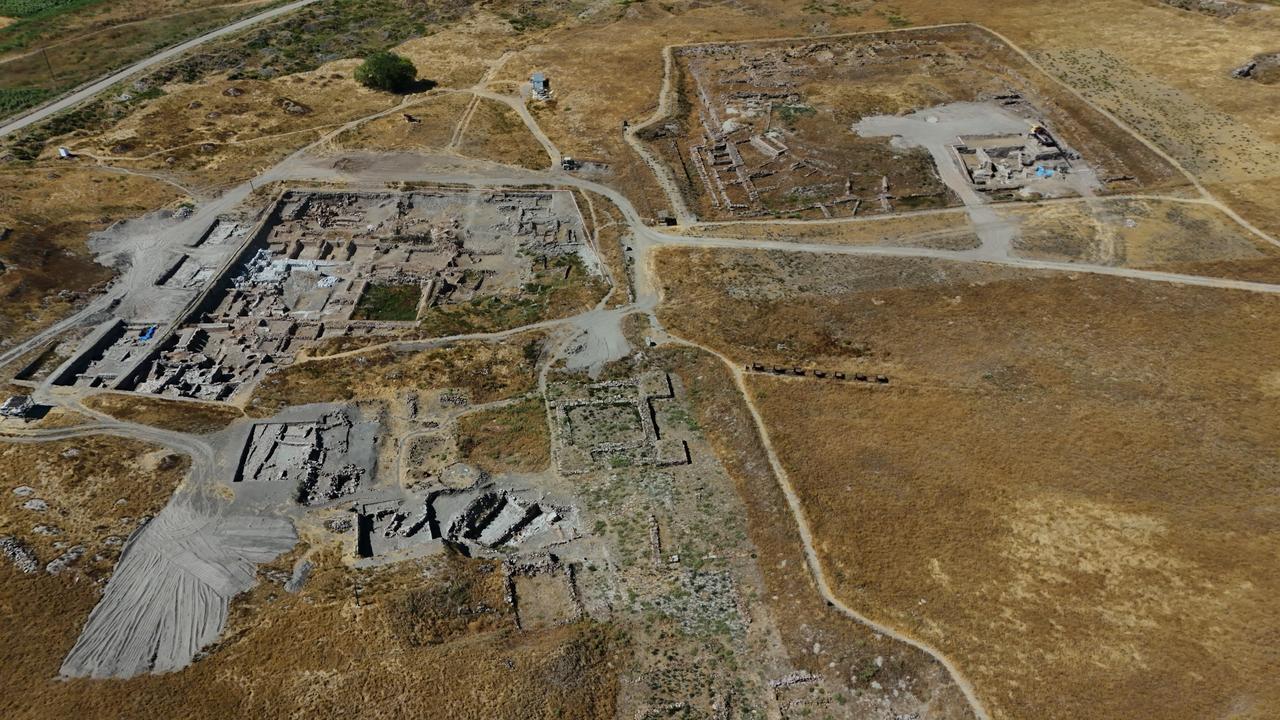

Kultepe lies on the Kayseri–Sivas highway in central Türkiye and is described by researchers as the place where the city’s history can be traced back roughly 6,000 years, thanks to archaeological finds and written documents brought to light there.
Excavations at the site began in 1948 under the auspices of the Ministry of Culture and Tourism and, with support from Kayseri Metropolitan Municipality, have continued without interruption for about 77 years.
The project, led today by Professor Fikri Kulakoglu, is regarded as one of Türkiye’s longest-running archaeological digs.
Kulakoglu explained that this year the team identified a new palace directly underneath a known palatial building, noting that the newly exposed structures are larger than those already documented.
As he put it, “The structures coming from below are even larger than those above. We discovered buildings with walls up to four meters thick.”
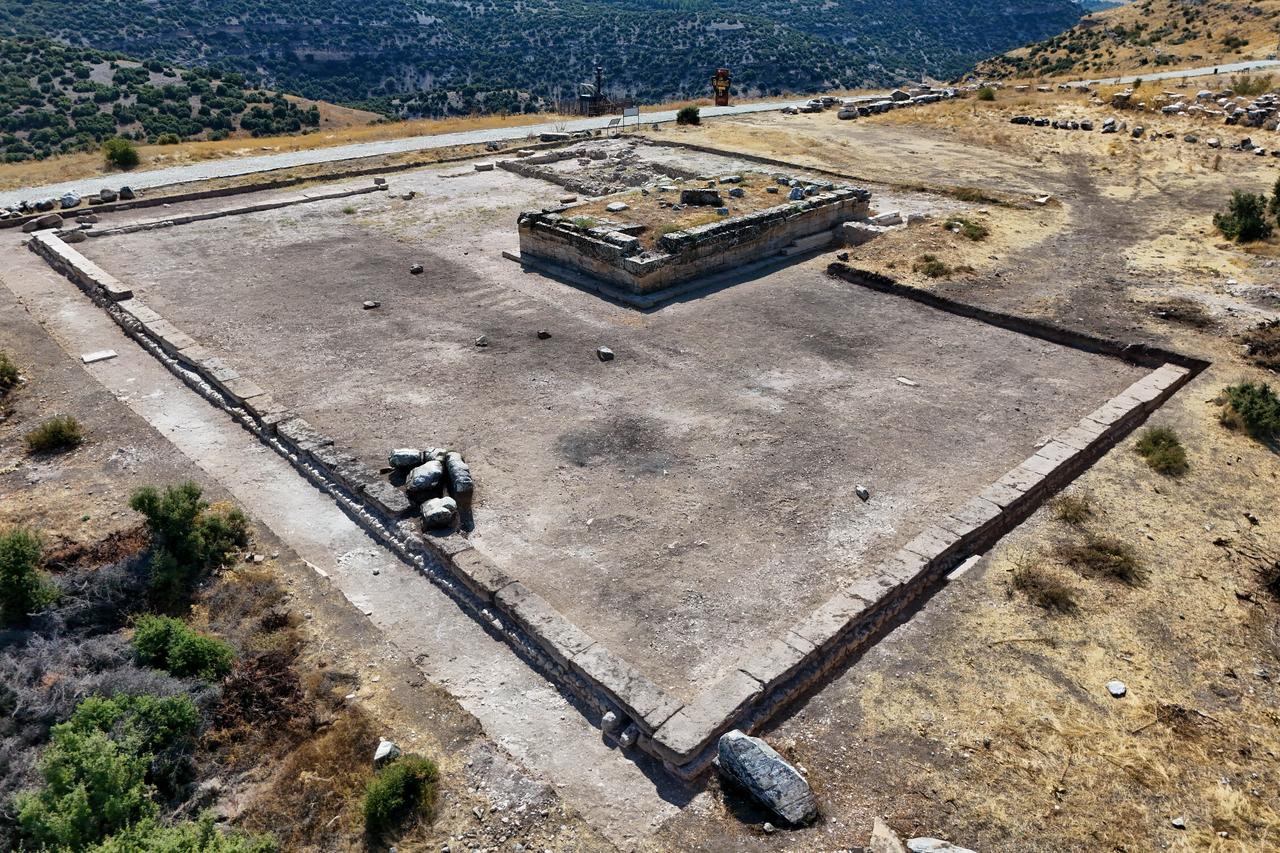
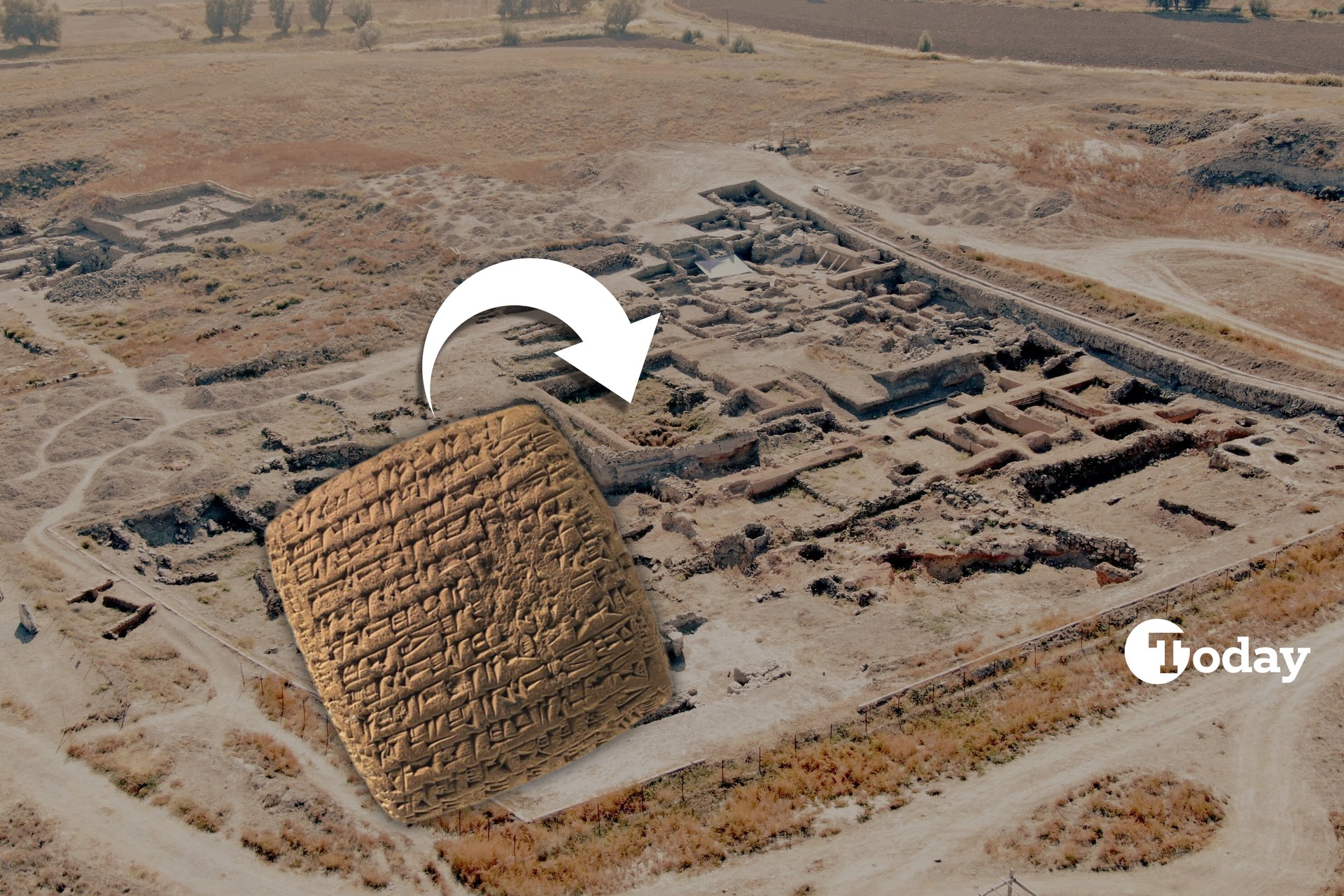
According to Kulakoglu, Kultepe preserves three major buildings from the period of Assyrian merchants that lived and traded in the settlement around 4,000 years ago. These large complexes are commonly referred to as palaces, and among them Warsama Palace stands out as the largest, measuring about 100 by 110 meters (4330.7 inches). He described it as the biggest known building of its time in Anatolia.
He linked this scale directly to the economic vitality of the settlement. The site functioned as an intense trading environment, and as commerce grew, the city accumulated wealth. Kulakoglu noted that this prosperity translated into new fortification walls, temples, and palaces, which in turn became progressively larger.
Written documents from the site indicate that the palace itself took part in trade. The complex could in some respects be compared to a caravanserai, since goods were stored there and rooms were rented out, suggesting a close connection between political authority and commercial activity.
Kulakoglu also referred to another large palace that the team has been excavating for many years. Although heavily burned and in places stripped down to its foundations, this building reaches room sizes comparable to those of the Warsama Palace.
He believes these wide rooms were not designed for purely ceremonial use but most likely served as storage spaces for goods, again pointing to the central role of trade.
This complex is dated to roughly 4,500 years ago, about 500 years before the period when Assyrian merchants were active at Kultepe. For the excavation director, this earlier palace indicates the presence of a strong local authority that predated, yet later intersected with, the more formalized trading networks known from written sources.
Beneath this already sizeable palace, the team has now come across even more massive structures. These lower levels include buildings with walls reaching up to 4 meters in thickness, which Kulakoglu considers likely to have been monumental constructions belonging to a powerful authority.
He stated that they were probably used either for administrative purposes or for religious functions, although it is still too early to define their exact role.
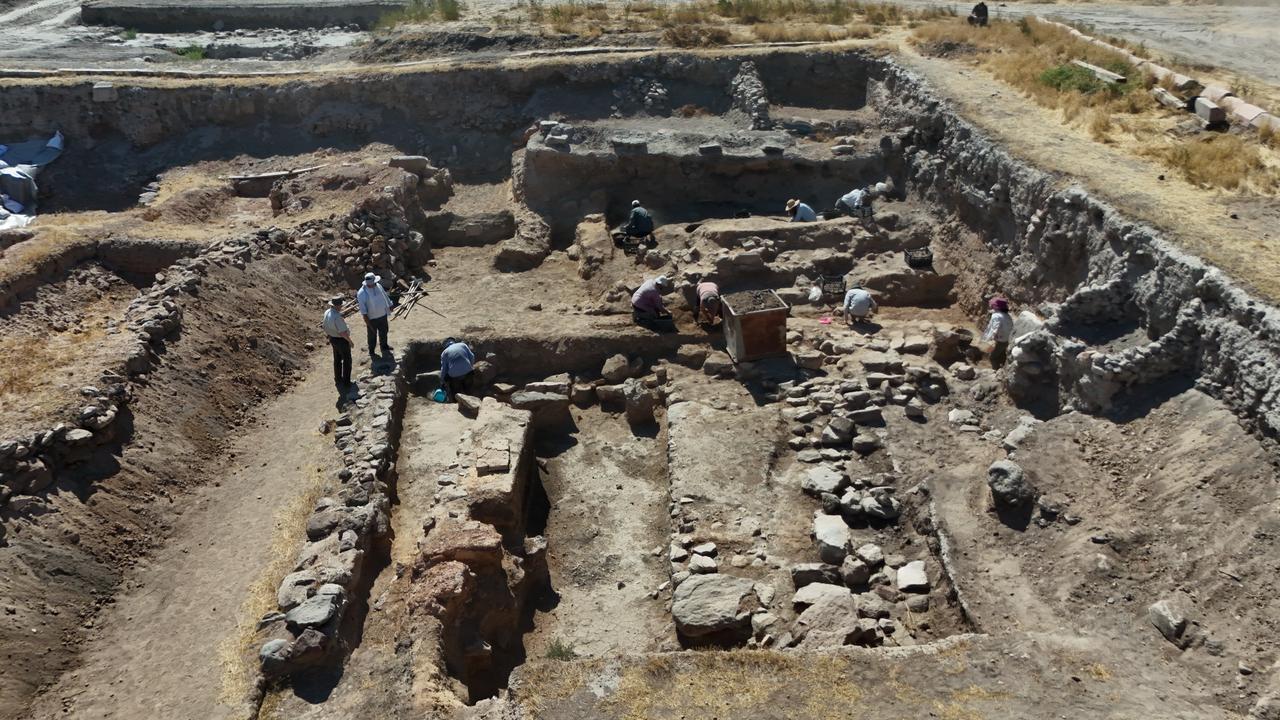
Kulakoglu underlined that the conclusions remain preliminary because only a limited part of the new complex has been uncovered so far.
He explained that the excavated area is already quite extensive, yet, in his words, the archaeologists have been able to expose only “the corner of a very large building.”
He added that future seasons of excavation at Kultepe Kanesh-Karum should help clarify the full size, plan, and function of the newly discovered palace beneath the palace and may further refine how scholars understand early urban authority and trade at this key Anatolian site.


 Set as preferred source
 Set as preferred source


 1 min read
 1 min read