Newsletters


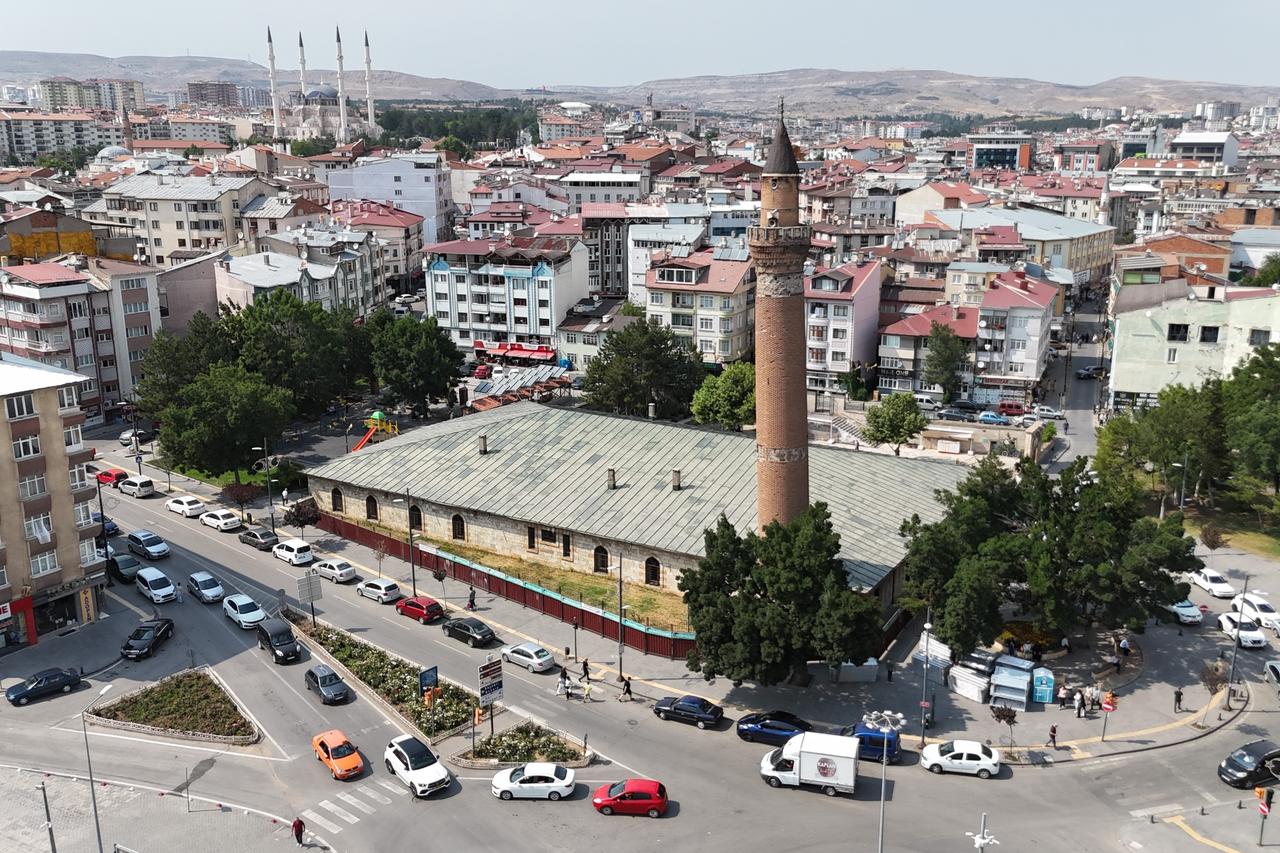


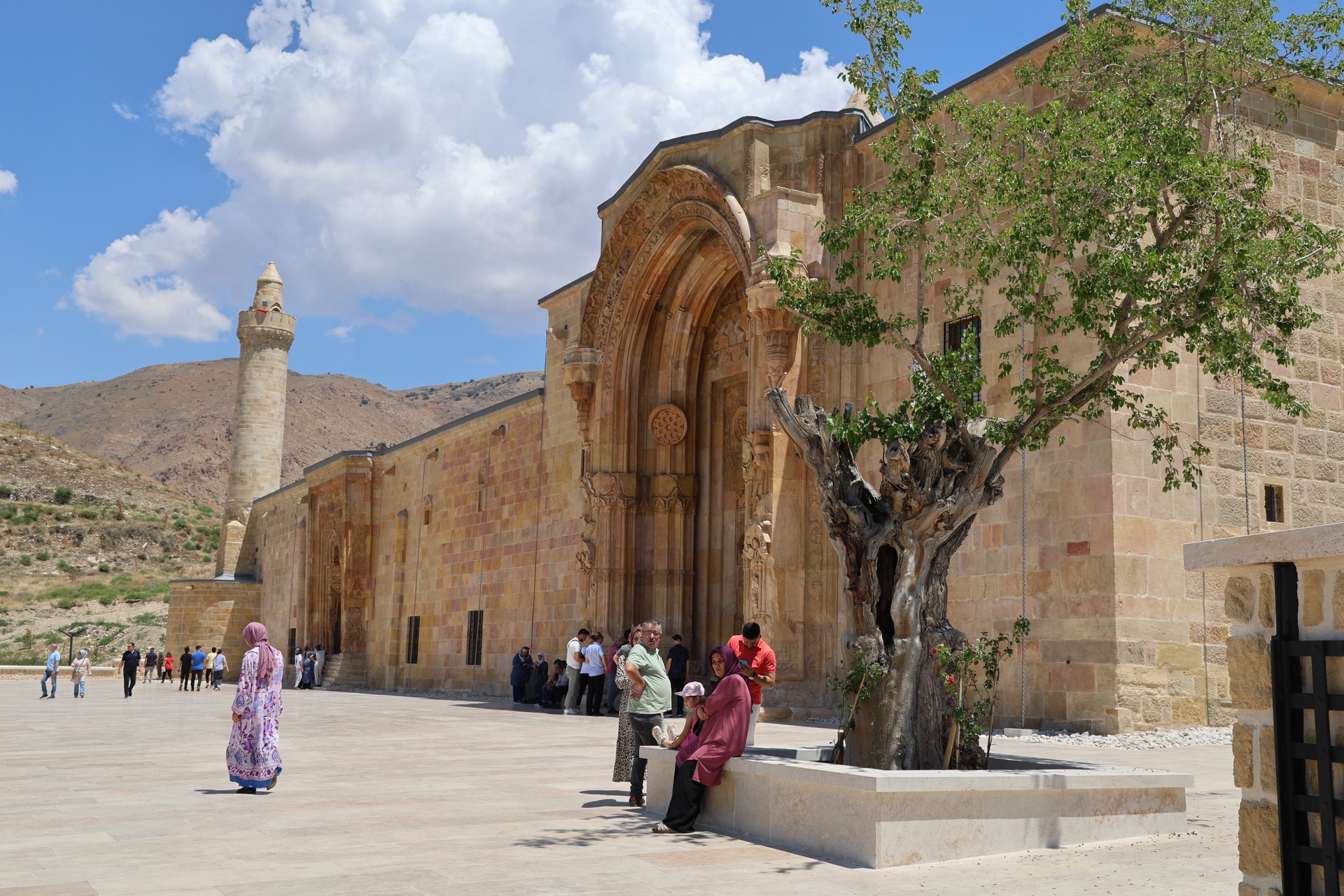
Restoration efforts at the historic Great Mosque of Sivas, renowned for its distinctive leaning minaret and dating back approximately 833 years, are continuing in accordance with the planned schedule under the supervision of the Regional Directorate of Foundations.
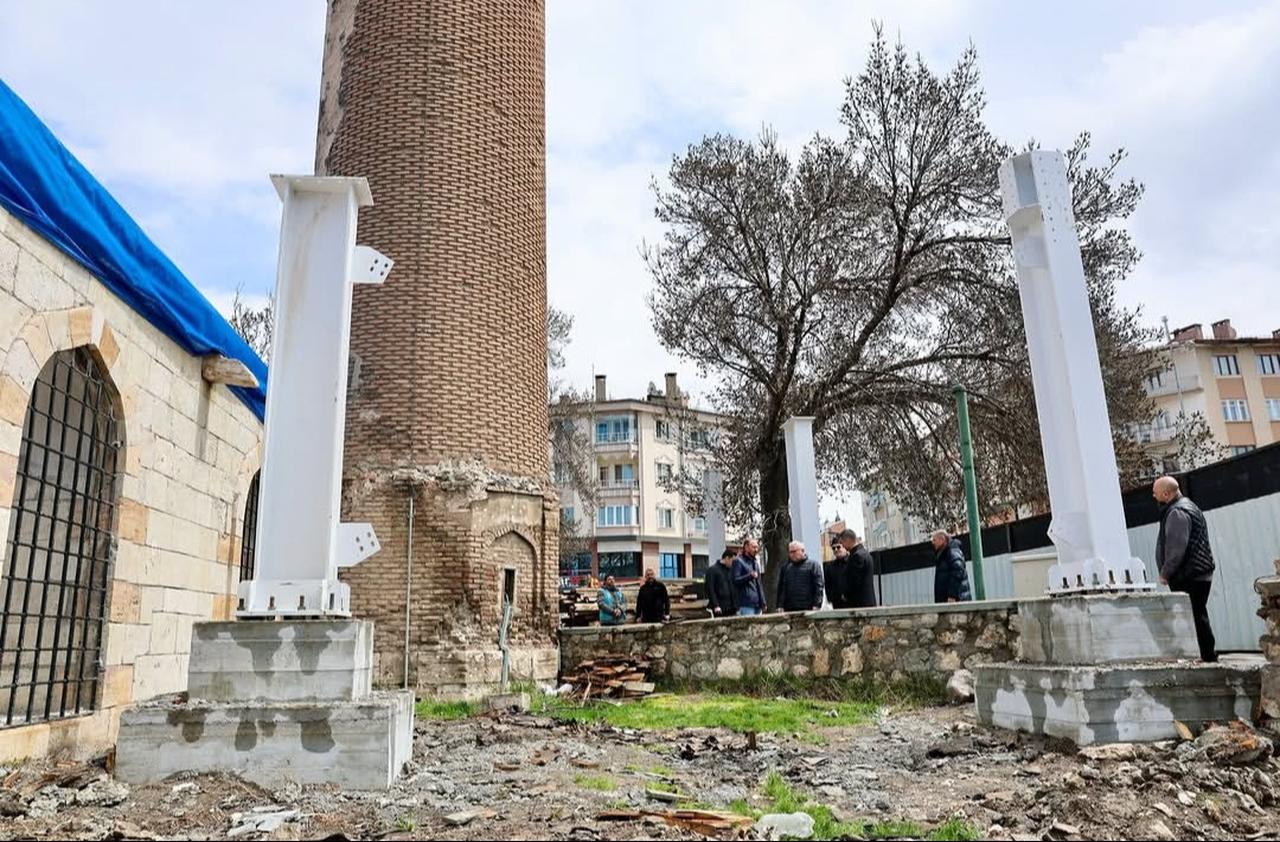
As part of the ongoing conservation project, work has commenced on the installation of a steel scaffolding system around the mosque’s minaret to facilitate surface restoration activities. Authorities have stated that the scaffolding works are expected to be completed by the end of April.
Sivas Governor Yilmaz Simsek inspected the restoration site and received briefings from project officials. He noted that the works are being carried out with meticulous attention to detail and expressed appreciation to all personnel involved in the preservation of the historic structure.
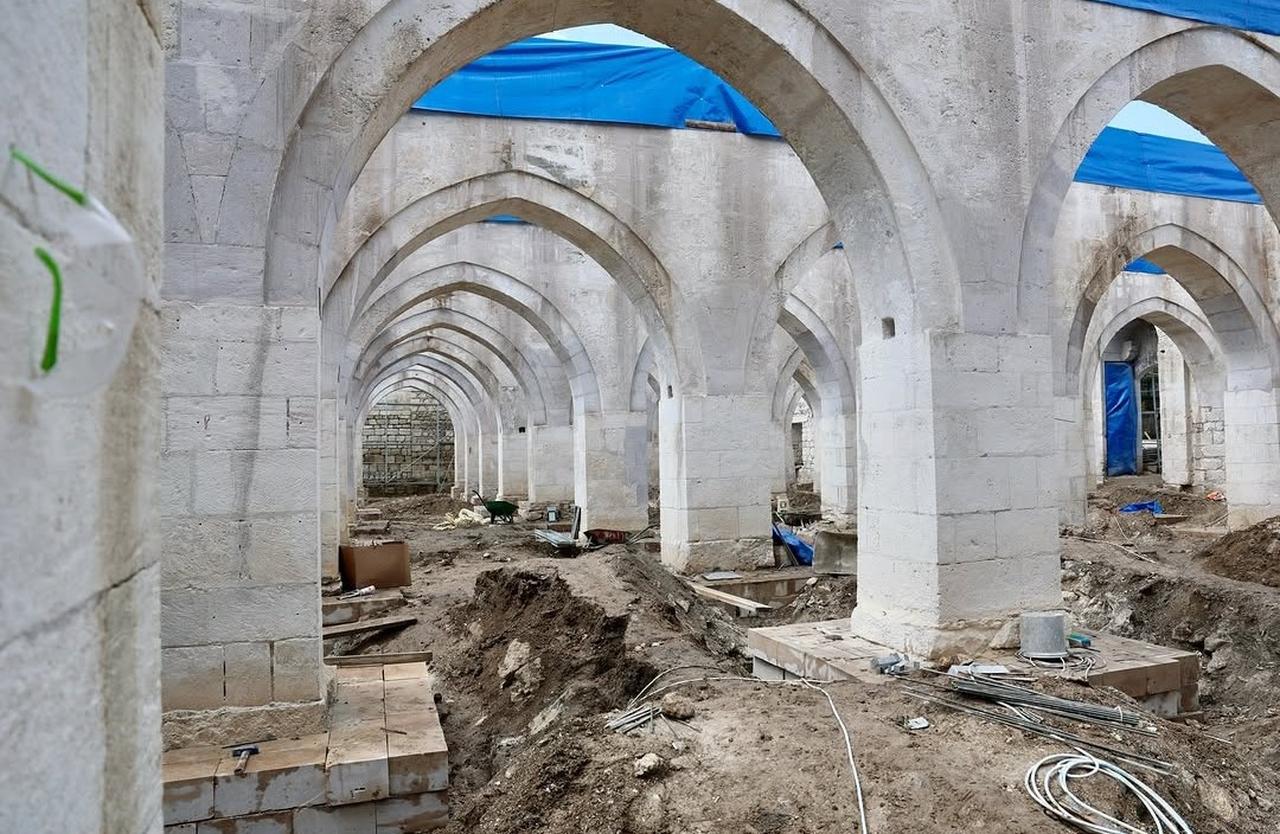

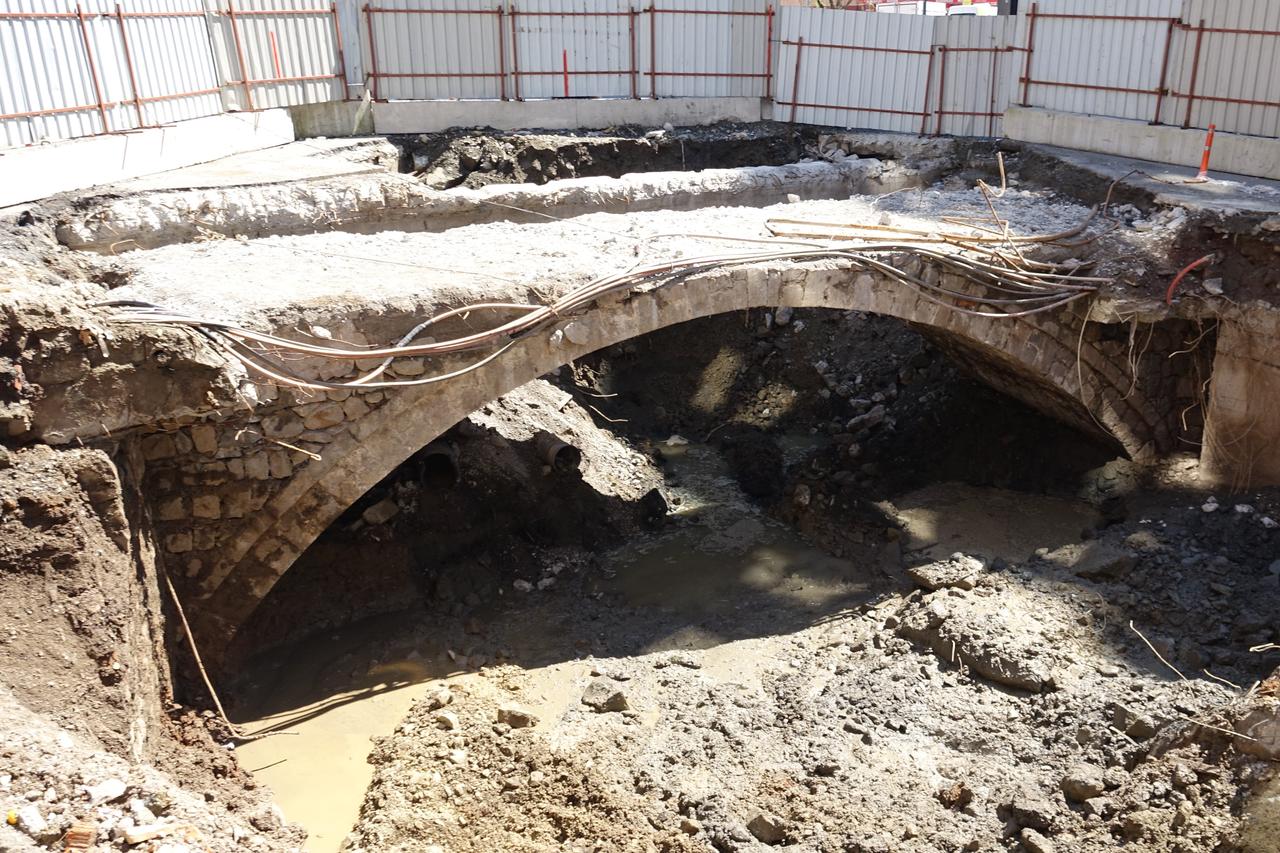
The restoration project also includes significant structural reinforcement within the mosque. Of the 50 columns planned for strengthening, 30 have been completed, while work continues on the remaining 20.
In the upcoming phase, interior leveling works will be undertaken, followed by the replacement of stones that are not consistent with the building’s original architectural fabric.
Additionally, wooden upper flooring installation is scheduled to begin in May.
Built during the Seljuk era, the mosque reflects the architectural transition of early Turkish-Islamic design in Anatolia, characterized by its hypostyle plan and forest of stone columns supporting a flat wooden roof.
Over the centuries, the structure has remained a central landmark of Sivas, witnessing the city’s historical transformations while preserving its original character.
Its most striking feature, the leaning minaret, added in the early 13th century, has become a defining symbol of the city and one of Türkiye’s most recognizable historic silhouettes.


 Set as preferred source
 Set as preferred source


 1 min read
 1 min read