Newsletters


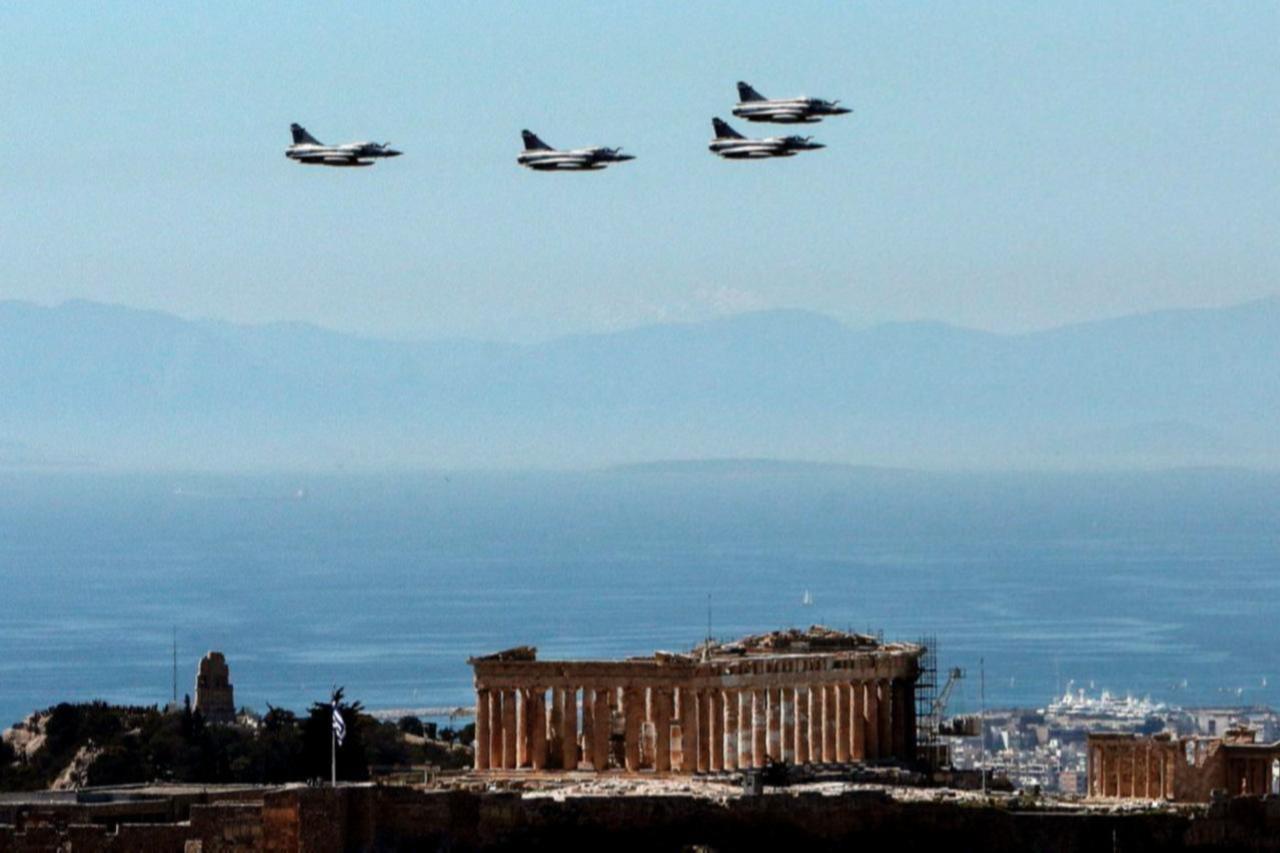


Former European Commission president Jean-Claude Juncker disclosed that a European finance minister once suggested in all seriousness that Greece should sell the Acropolis to pay off its mounting national debt.
The startling claim was made during Juncker’s appearance in the Skai TV documentary series Sto Xiliosto (To the Millimeter), where the veteran politician reflected on the intense and often hostile closed-door negotiations that determined Greece's fate in the Eurozone.
Juncker, who chaired the powerful Eurogroup of finance ministers from 2005 to 2013, described a remarkably tense atmosphere during meetings at the height of the crisis.
As Greece struggled under the weight of an impending default, patience among European partners had completely evaporated.
"I remember in the Eurogroup meetings that some finance ministers were proposing to sell the Acropolis to get the money," Juncker stated in the documentary. He noted that the specific proposal came from an unnamed female finance minister.
His response to the suggestion of liquidating the cradle of Western civilization was immediate and blunt.
"I said... 'shut up,'" Juncker recalled, highlighting the sheer absurdity and humiliation of the demand.
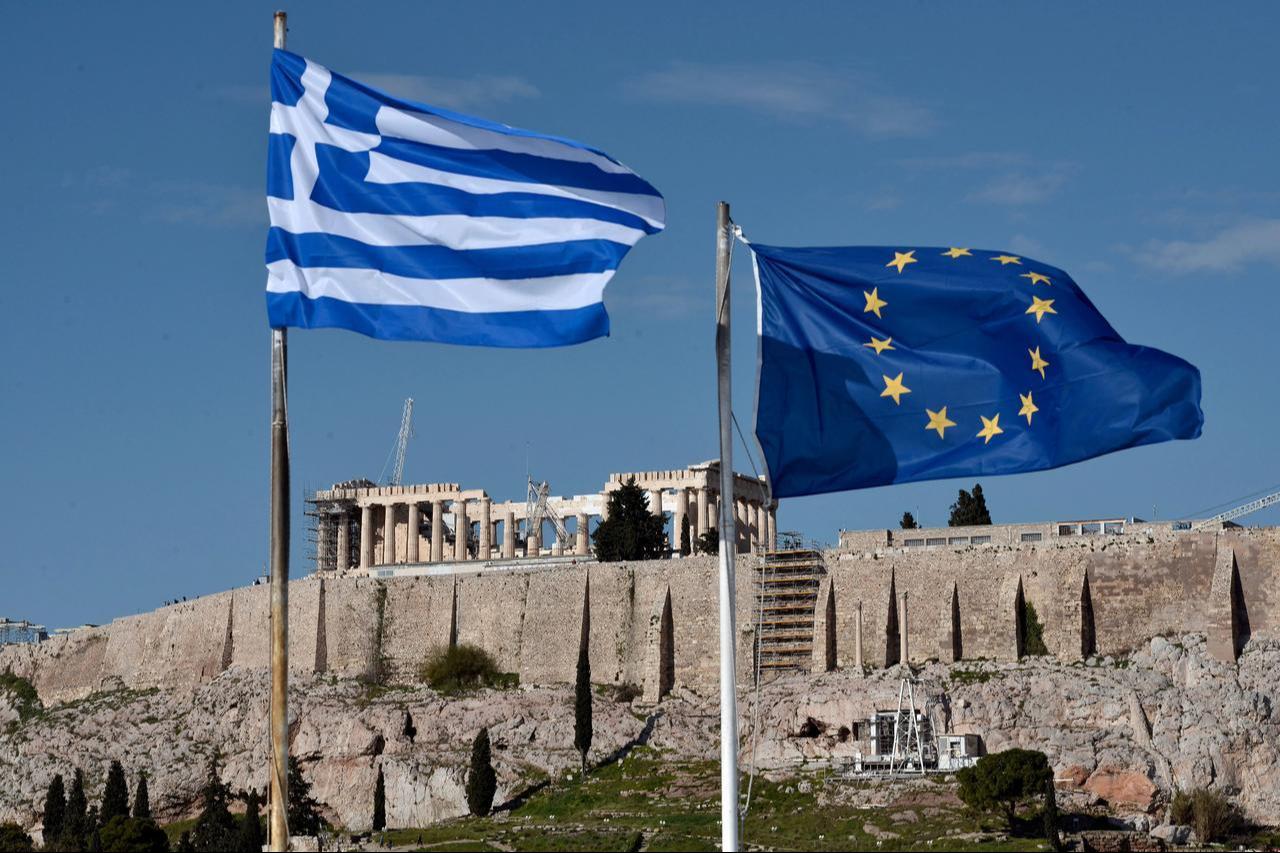

While Juncker declined to name the minister for diplomatic reasons, he used the anecdote to illustrate the devastating consequences of a nation losing its international credibility.
According to the former EU chief, the root cause of such extreme proposals was not just the debt itself, but the fact that Athens had admitted to deliberately underreporting its budget deficit figures before the crisis erupted in 2009.
"It was a truly huge mistake," Juncker emphasized. "Greece, after having acknowledged that they were leading others in error, was no longer trusted. Its credibility was at zero. That was the main problem. And so, everyone felt they could say about Greece whatever they wanted to say."


 Set as preferred source
 Set as preferred source



 2 min read